Newsletters


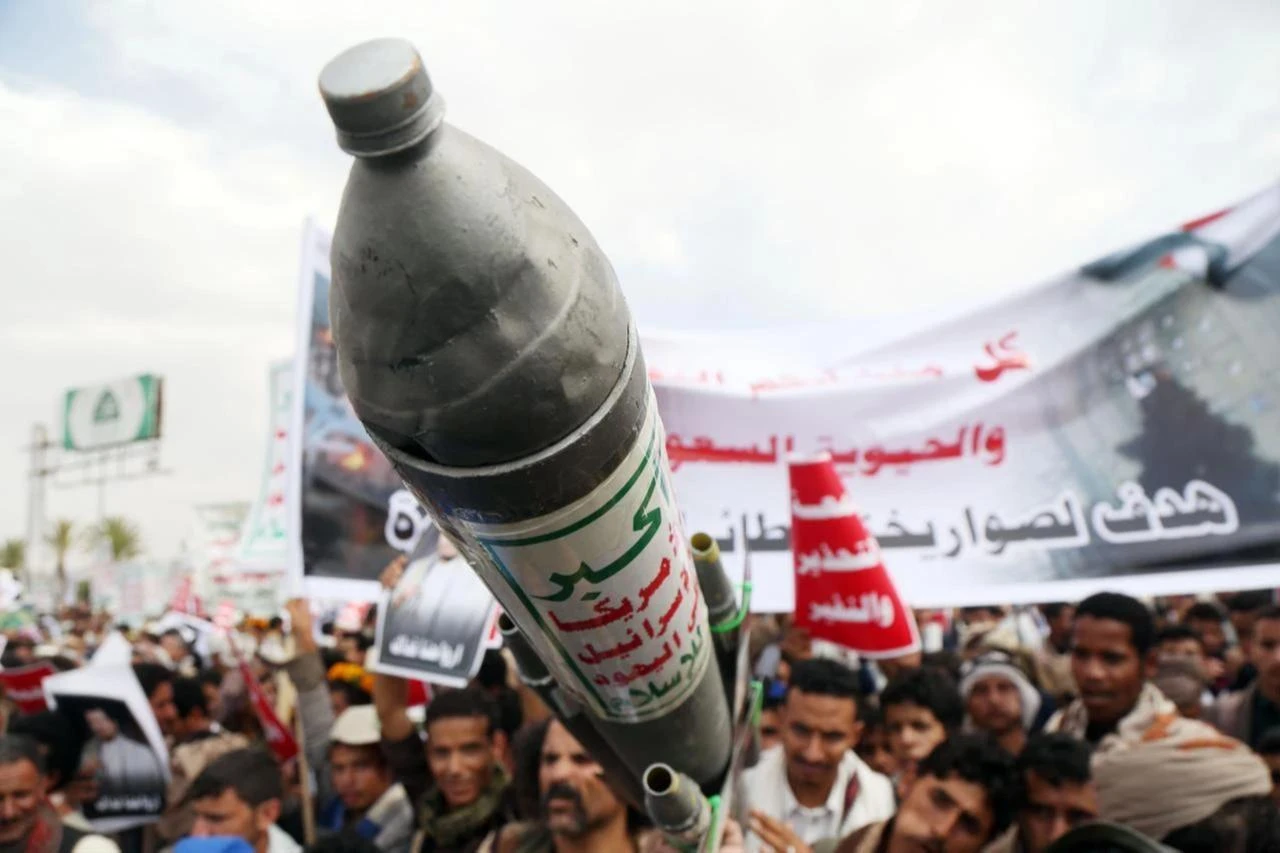


Yemen's Iranian-backed Houthi rebels denied Thursday any role in a drone strike the day before that hit a U.S.-owned natural gas storage ship docked at Egypt's Mediterranean port of Damietta, leaving the identity of the attacker unresolved and raising fresh alarm over the vulnerability of energy infrastructure well beyond the Red Sea.
A source in the Houthi-run foreign affairs office, speaking through the group's affiliated Saba news agency, said "rumors claiming Yemen targeted a ship in Damietta Port in the Arab Republic of Egypt are unfounded."
Egyptian authorities confirmed Thursday morning that preliminary investigations found the fire that broke out aboard two vessels at the port Wednesday had been caused by a drone, but stopped short of identifying a perpetrator and said the inquiry was ongoing.
The drone struck the Energos Winter, a Marshall Islands-flagged floating storage and regasification unit that serves as one of Egypt's liquefied natural gas import terminals and is owned and operated by a U.S. company.
A fire that broke out aboard that vessel spread to a second ship, the Bermuda-flagged GasLog Salem LNG tanker, docked nearby. Egyptian emergency services extinguished both fires, and no casualties were reported on either vessel.
The Egyptian cabinet said the situation had been handled in accordance with "approved emergency and rapid response plans."
Damietta has taken on heightened strategic significance as instability across Gulf shipping routes has pushed more vessels toward Egyptian energy infrastructure.
The port hosts a liquefied natural gas hub that had originally functioned as an export terminal for Egyptian-produced gas. Its location at the Mediterranean end of the Suez Canal, through which roughly 12 percent of global trade normally passes, makes any security incident there a matter of acute international concern.
No group has claimed responsibility for the attack. Suspicion initially fell on the Houthis, who have in recent weeks targeted Saudi-linked ships in the Red Sea and threatened to close the Bab el-Mandeb Strait, a critical oil and gas transit chokepoint, to Saudi vessels.
The group's denial, however, did not resolve the question of attribution. Maritime analysts note that other Iran-aligned actors, including Iraqi militias, could also have had both the motive and technical capability to carry out a strike at that range.
The incident has underscored concerns that attacks on energy infrastructure and commercial shipping, long concentrated in the Red Sea corridor, are beginning to reach further into the broader Mediterranean and North African region.


 Set as preferred source
 Set as preferred source


 1 min read
 1 min read