Newsletters


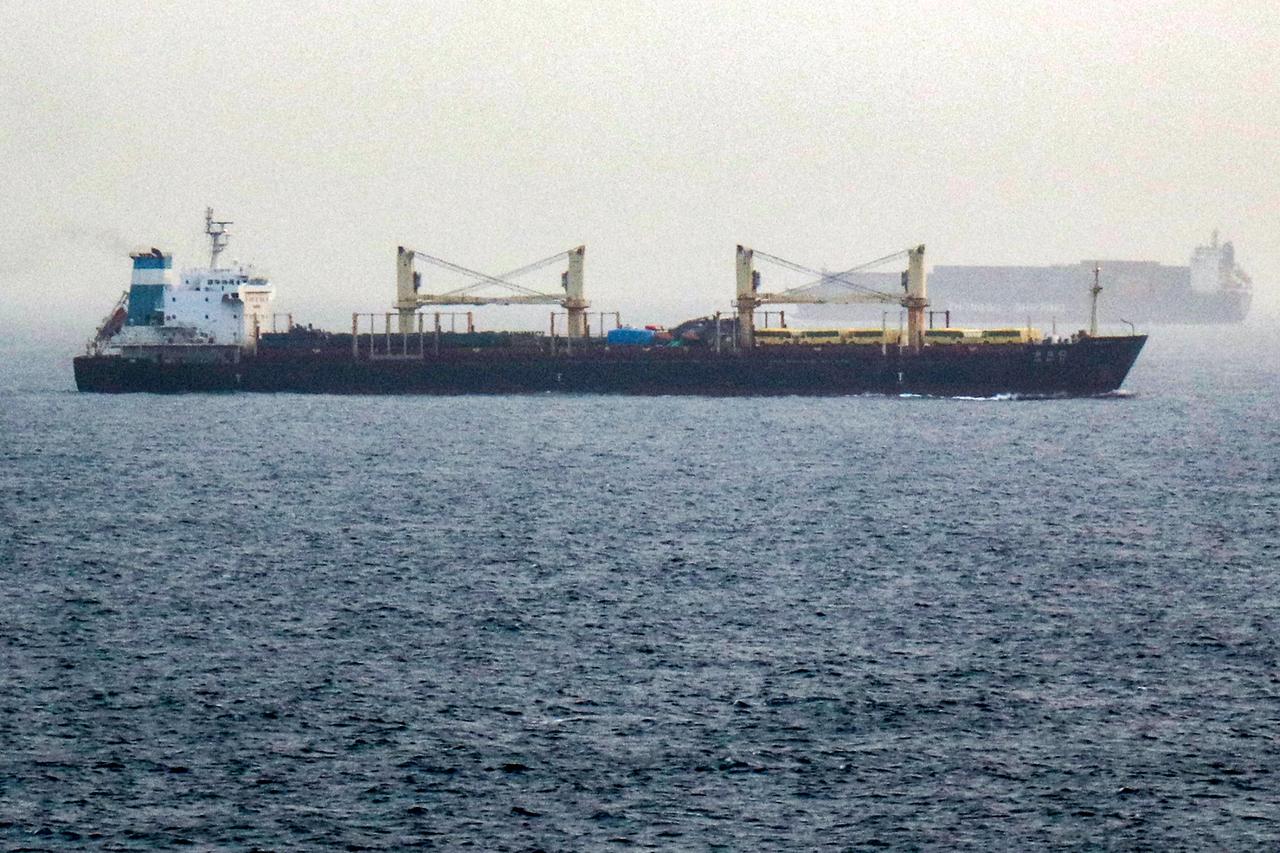


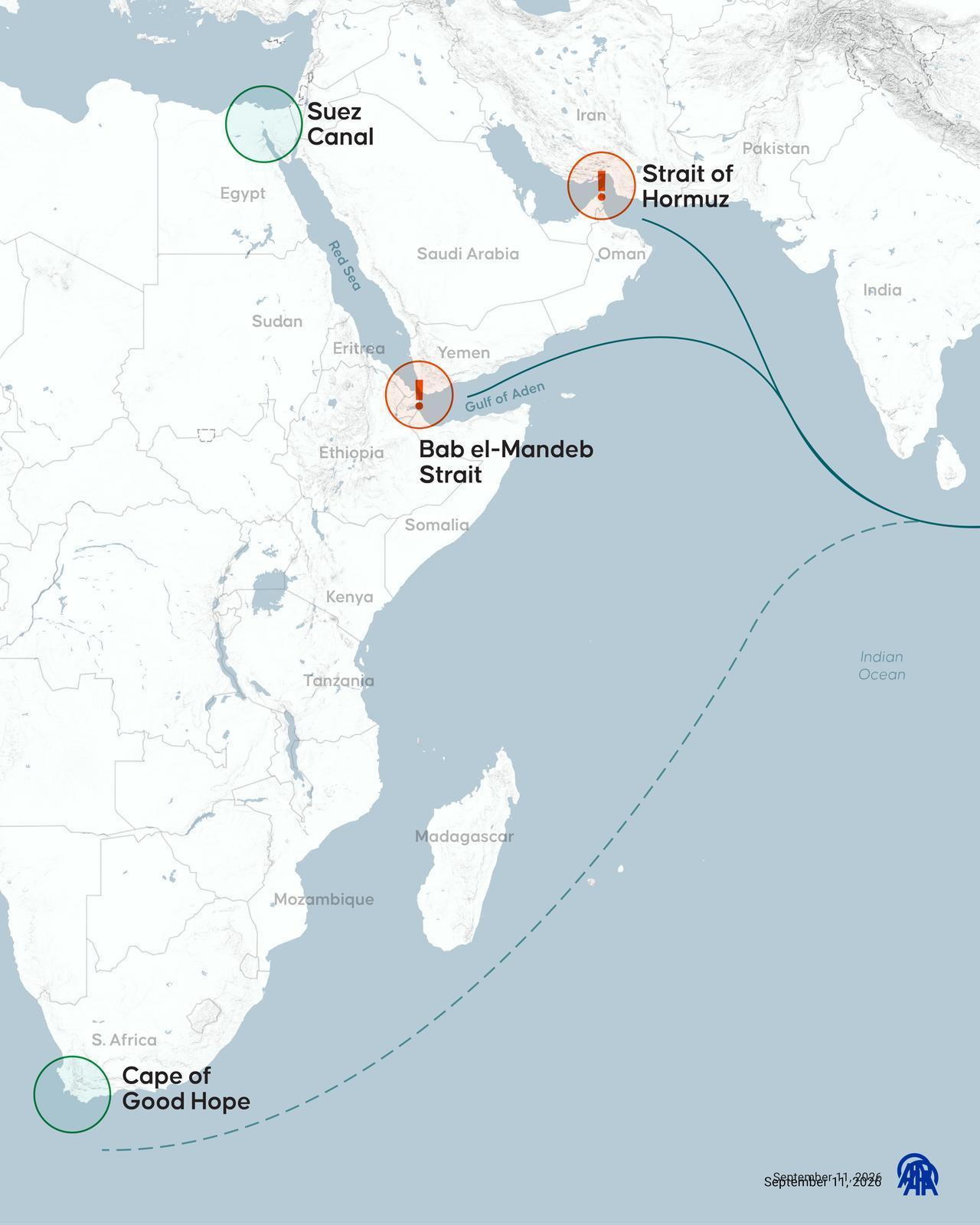
Yemen's Houthis have told the EU they will not target European ships in the Red Sea, as the rebels seek to tighten their grip on the Bab el-Mandeb Strait, two diplomats told the Financial Times (FT).
The letter was sent Sept. 10, the same day the Iran-backed rebels seized the Yemeni port of Mokha, one of the diplomats said.
The pledge comes as container shipping through the Bab el-Mandeb reaches its highest level since October 2023. The Houthis' new offensive against Saudi Arabia has nonetheless unnerved shipping companies, particularly tanker owners.
The Houthis wrote to the EU's diplomatic service to reassure Europeans that their offensive along Yemen's southern coast is not intended to disrupt international shipping, the two diplomats said.
The rebels said it would not affect freedom of navigation through the Bab el-Mandeb, according to the diplomats.
The letter reflects the group's effort to portray its conflict as limited to Saudi Arabia rather than a broader campaign against international shipping.
After taking Mokha, the Houthis captured several islands in the Red Sea and Bab el-Mandeb after repelling Saudi-backed fighters aligned with Yemen's government.
The Houthis reignited their conflict with Saudi Arabia in July by declaring a blockade on the kingdom's ports and attacking tankers, shattering a 2022 ceasefire.
In September, they escalated with near-daily missile and drone barrages at Saudi oil facilities.

The Houthis have also assured the U.S. they will not target American ships after Oman facilitated talks with the Trump administration.
U.S. President Donald Trump, who has designated the Houthis a terrorist group, said this month the rebels had called Washington to say "they don't want to fight with us."
"They don't want us to go after them," Trump said.
"They're letting most ships go through. There's just one country that they're not too happy with, and we'll get that straightened out," he added.
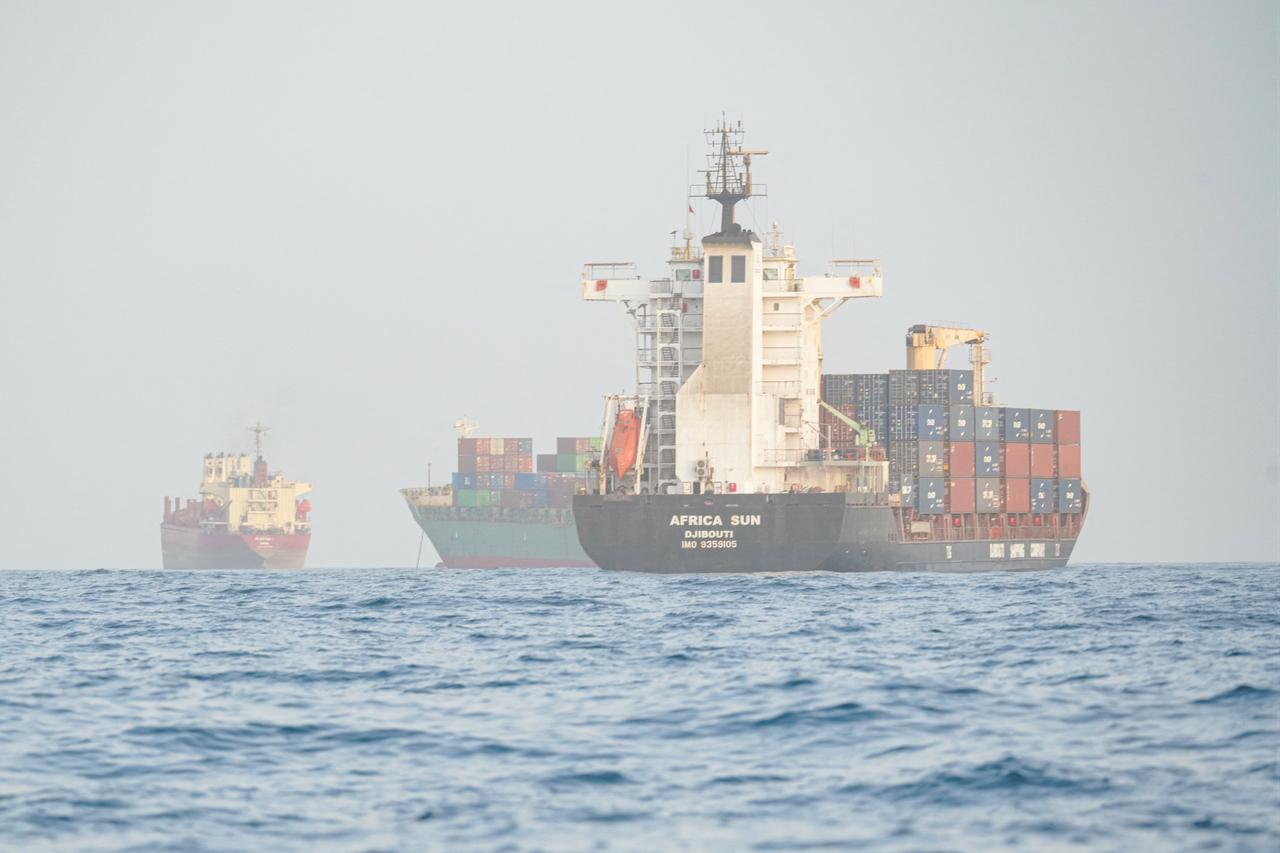
Major shipping lines, including Maersk and CMA CGM, have brought services back to the Suez Canal. Container shipping through the Red Sea has now reached almost 30 percent of pre-2023 levels by capacity, according to maritime analysis company Xeneta.
"There has been no attack on container ships for over a year, despite the ... increasing number of ships transiting through Bab al-Mandeb. So I think the absence of intent is verified in the data," said Vincent Clerc, Maersk's chief executive.
Clerc said decisions on sending vessels through the strait are made daily using information from U.S., British and NATO sources.
Tanker traffic tells a different story. Fewer tankers have picked up cargoes from Saudi Arabia's Yanbu port over the past month, the FT reported. Tankers typically transit the Bab al-Mandeb with GPS signals on before switching them off near Saudi ports to disguise the origin of their cargoes, according to marine data company Windward.
The Houthis previously disrupted Red Sea traffic for almost two years after Oct. 7, 2023.
EU foreign ministers discussed the Gulf and Houthi aggression on the sidelines of the U.N. General Assembly in New York this week.
EU foreign policy chief Kaja Kallas said the ministers had "raised the worsening situation in the Red Sea, which is already affecting European interests," adding, "Houthi attacks also sabotage the global economy."
The EU is in talks with Saudi Arabia about combining maritime task forces to protect regional shipping, diplomats said. Riyadh announced in July it was forming a naval coalition with a dozen regional states, while the EU has run a naval mission in the Red Sea and Gulf of Aden for more than two years.
The U.S. has so far rejected Riyadh's appeals to support its campaign against the Houthis, but it and other nations are providing defensive support.
French President Emmanuel Macron said Thursday that France would send troops and defense systems to Saudi Arabia's Yanbu port.
"We are going to send military resources, that is to say, soldiers, radar systems and defence systems, to protect this site," but "not to get us involved in any conflicts," Macron told French media.
UK Prime Minister Andy Burnham said this week that Britain would deploy a Royal Air Force (RAF) Voyager refueling aircraft to Saudi Arabia for "defensive air-to-air refuelling."


 Set as preferred source
 Set as preferred source



 3 min read