Newsletters


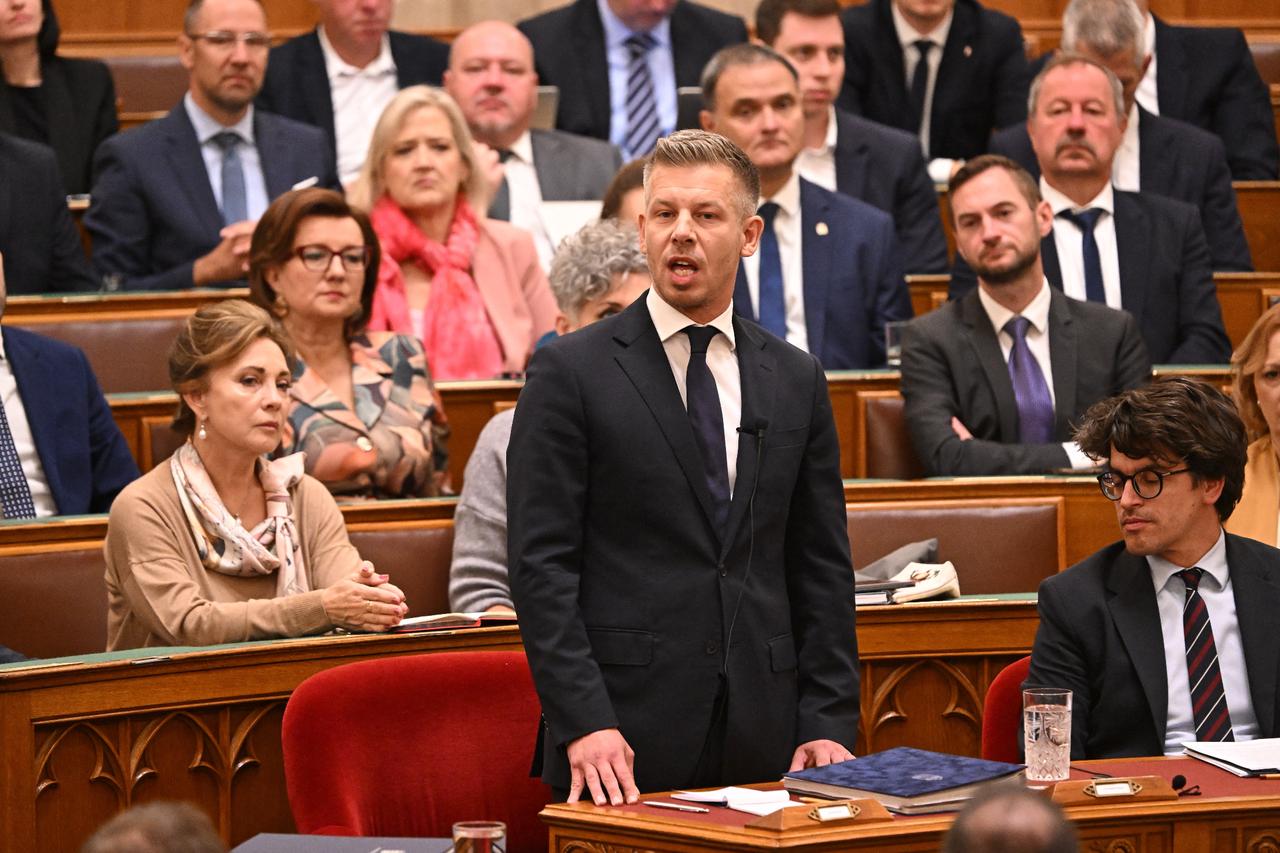


Hungary’s parliament on Monday lifted the immunity of Prime Minister Peter Magyar and two former ministers who served under nationalist ex-leader Viktor Orban, allowing prosecutors to investigate them in separate criminal cases.
The probes against the two Orban-era ministers, who are suspected of corruption involving millions of euros, are the first graft investigations targeting senior government figures from Orban’s 16 years in power.
Magyar, who is being investigated separately for alleged theft, had asked for his immunity to be lifted, saying he wanted to clear himself of what he called “character assassination.”
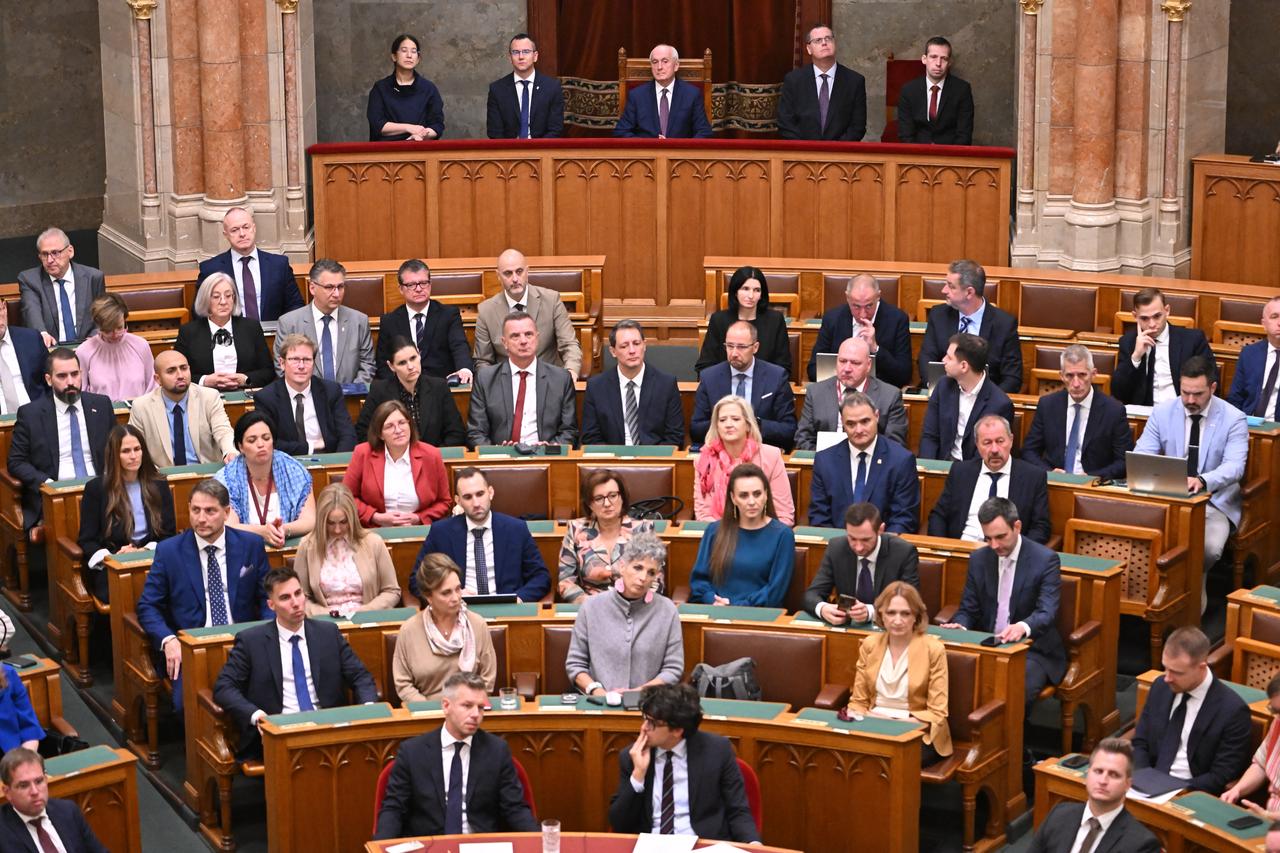
Magyar’s immunity was suspended by a unanimous vote during an extraordinary session of parliament, despite the Immunity Committee opposing the move. Magyar himself called for his immunity to be lifted during the session.
Parliament also voted to suspend the immunity of two other lawmakers, Balazs Hanko and Miklos Sesztak.
Magyar faces a suspected theft case over a 2024 incident in which prosecutors allege he took a man’s phone and threw it into the Danube River.
Sesztak is under investigation on suspicion of bribery and other offenses in the Volanbusz case, while Hanko is being investigated over suspected mismanagement in the National Cultural Fund case, according to the prosecution service.
Orban’s Fidesz party and its ally KDNP boycotted the session.
The vote came in response to a request from prosecutors last week seeking to investigate the three lawmakers.

In Magyar’s case, prosecutors allege the conservative pro-EU prime minister snatched a phone from a man filming him in a nightclub in 2024 and threw it into the Danube.
Magyar has called the case a “sham” and last week accused prosecutors of trying “to conflate” the cases against the former ministers with what he described as an attempt at political character assassination.
Hanko, a lawmaker from Orban’s Fidesz party and a former culture minister, is accused of embezzling more than €40 million, or $46 million, in public funds.
Prosecutors allege the money was used to help finance the 2026 parliamentary election campaign and for the personal benefit of others.
In July, authorities seized Fidesz servers in connection with the case, prompting Orban to accuse them of conducting a sham investigation aimed at making the party “legally unviable.”
In a separate case, Sesztak, a lawmaker from Fidesz ally KDNP and a former development minister, is under investigation over allegations that he accepted bribes worth millions of dollars while serving as national development minister from 2014 to 2018.
The case concerns the purchase of second-hand buses at inflated prices.
Both former Orban-era ministers deny wrongdoing.
Magyar, whose Tisza party came to power in April after promising to investigate alleged corruption and abuse of office during Orban’s 16-year rule, has said he wants to abolish parliamentary immunity altogether for publicly prosecuted criminal offenses.
Besides lifting the immunities, lawmakers on Monday also voted overwhelmingly to reject President Andras Baka’s nomination for the next chief prosecutor.
Baka had proposed cybercrime prosecutor Zoltan Szathmary for the position, but Magyar questioned Szathmary’s ability to restore public confidence in the prosecution service and guarantee its independence.
Baka told parliament after the vote that he would nominate a new candidate to carry out the “necessary renewal” of the prosecution service.
He stressed that the prosecutor general’s independence “cannot be a question of political sides.”


 Set as preferred source
 Set as preferred source


 1 min read
 1 min read