Newsletters


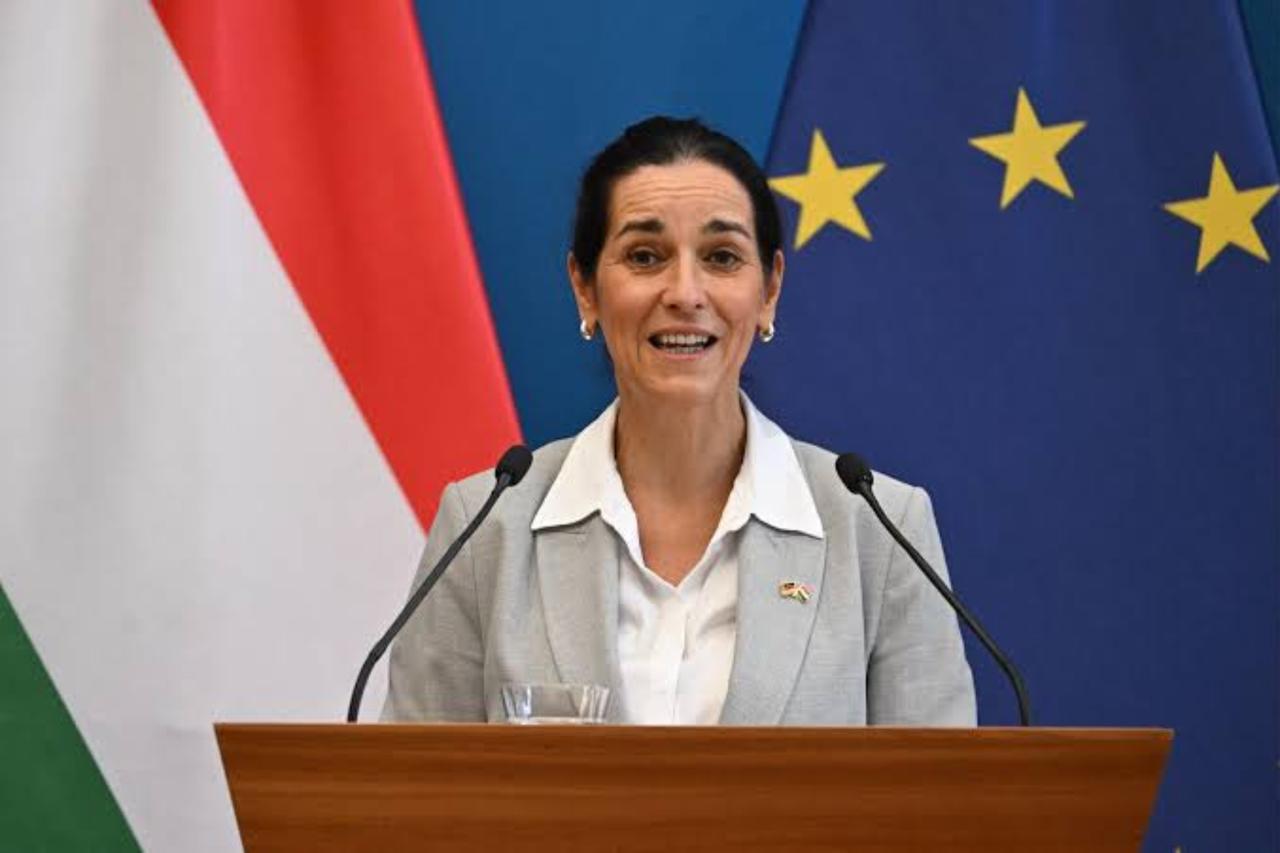


Hungary's new government is reversing major parts of former Prime Minister Viktor Orban's political legacy while seeking to preserve close relations with U.S. President Donald Trump, Foreign Minister Anita Orban said.
Speaking to Newsweek on the sidelines of the U.N. General Assembly in New York, Orban said Prime Minister Peter Magyar's government wants an "intensive, solid partnership" with Washington while rebuilding Hungary's ties with the European Union and NATO.
"The relationship between the two countries is solid," she said. "The main alliance, which provides the framework, is, of course, NATO."
Magyar defeated Viktor Orban in an April election after 16 years of his leadership. The new government has since focused on tackling corruption, liberalizing state institutions and rebuilding relations with European allies.
Orban said the government also inherited several agreements, proposals and memorandums negotiated between the previous administration and the Trump administration and intends to move forward with them.
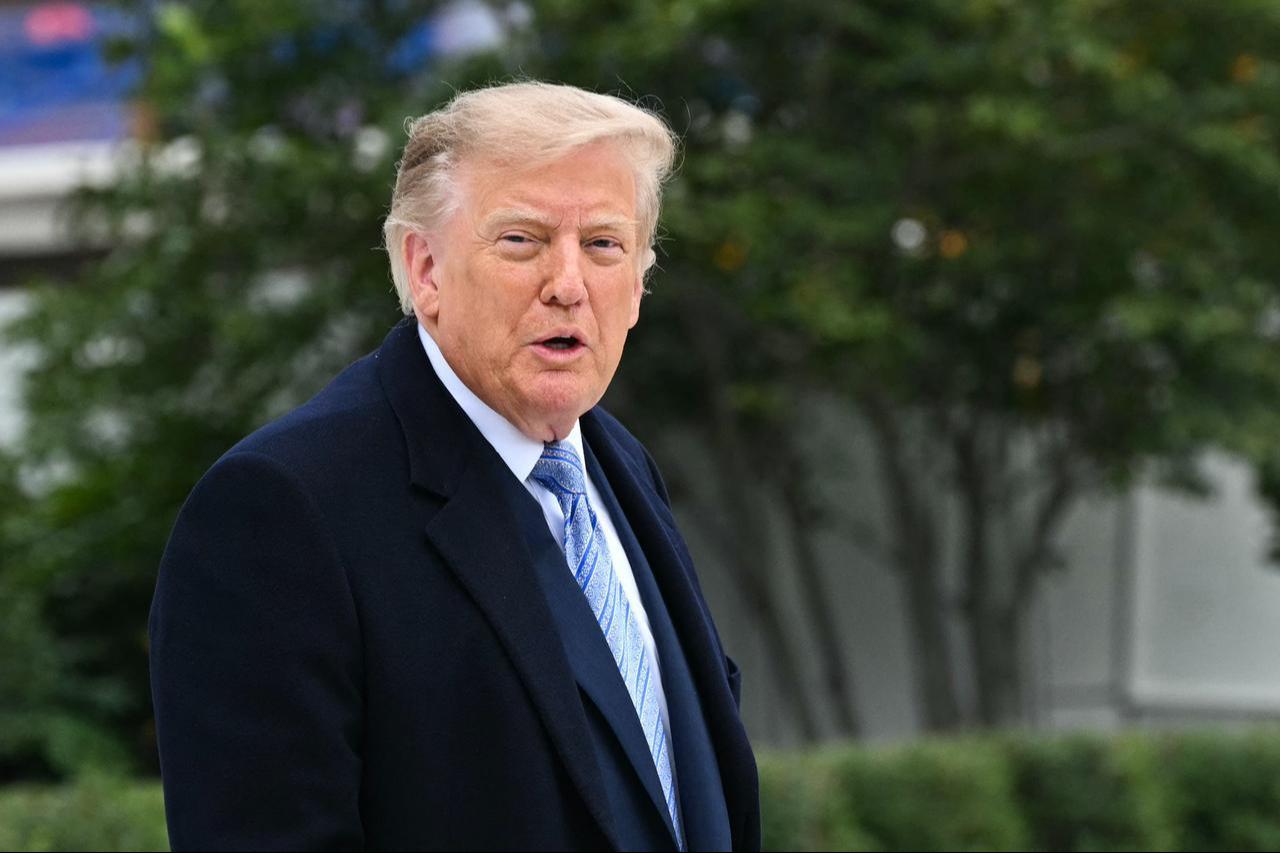

Orban said the Magyar government shares several values with the Trump administration despite breaking with the previous Hungarian government on other issues.
"In terms of values, we are aligned in quite many things," she said. "We are a conservative government, very much pro-faith. We are very strong on protecting children and families."
She also pointed to migration policy as an area of continuity, saying Hungary would continue to defend its borders and fences.
"We need to be very clear where the mandate is continuity and where the mandate is change, even 180 degrees," she said.
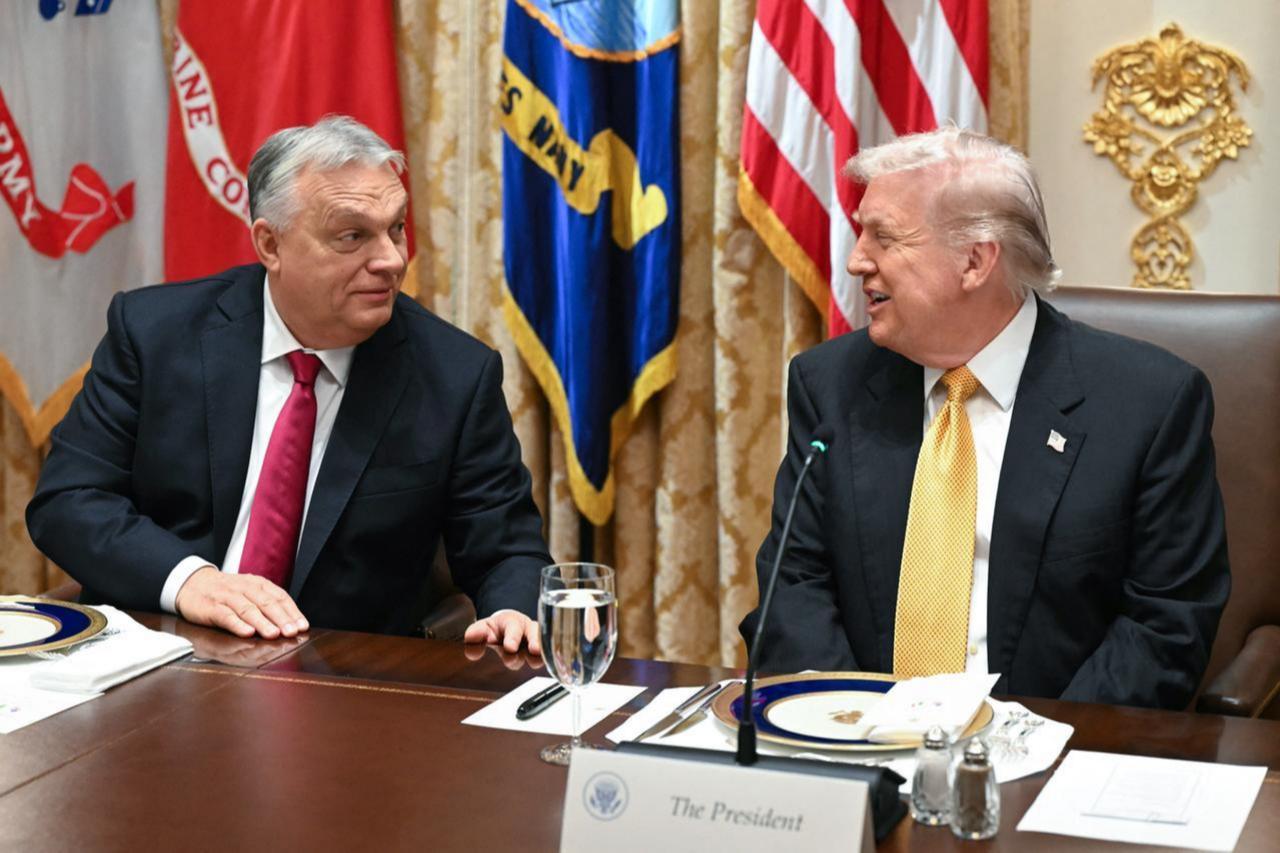
The Trump administration had openly supported Viktor Orban's re-election campaign. Vice President JD Vance traveled to Budapest days before the vote, while Trump later described both Viktor Orban and Magyar as "good" men.
Orban said Budapest now wants to maintain the same institutional relationship with Washington while rebuilding Hungary's standing within its traditional alliances.
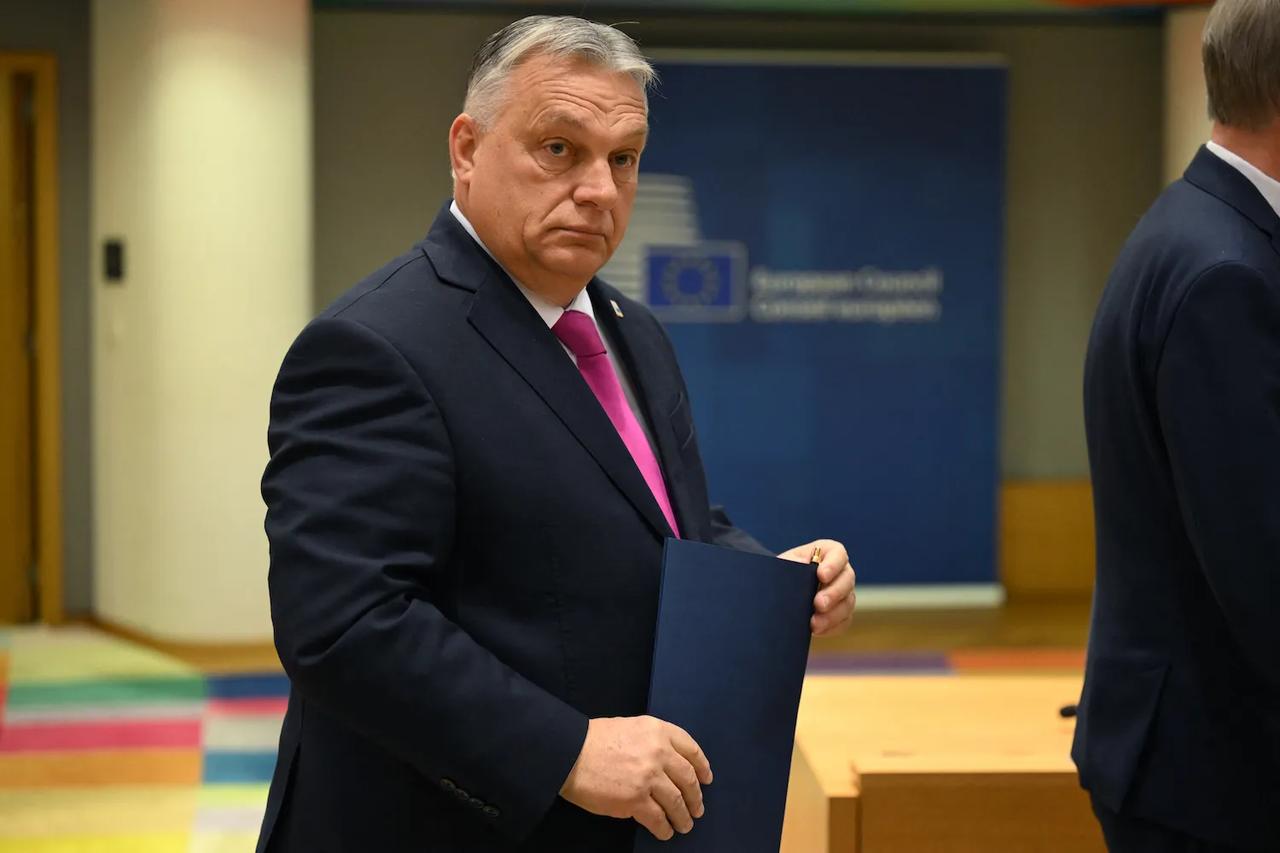
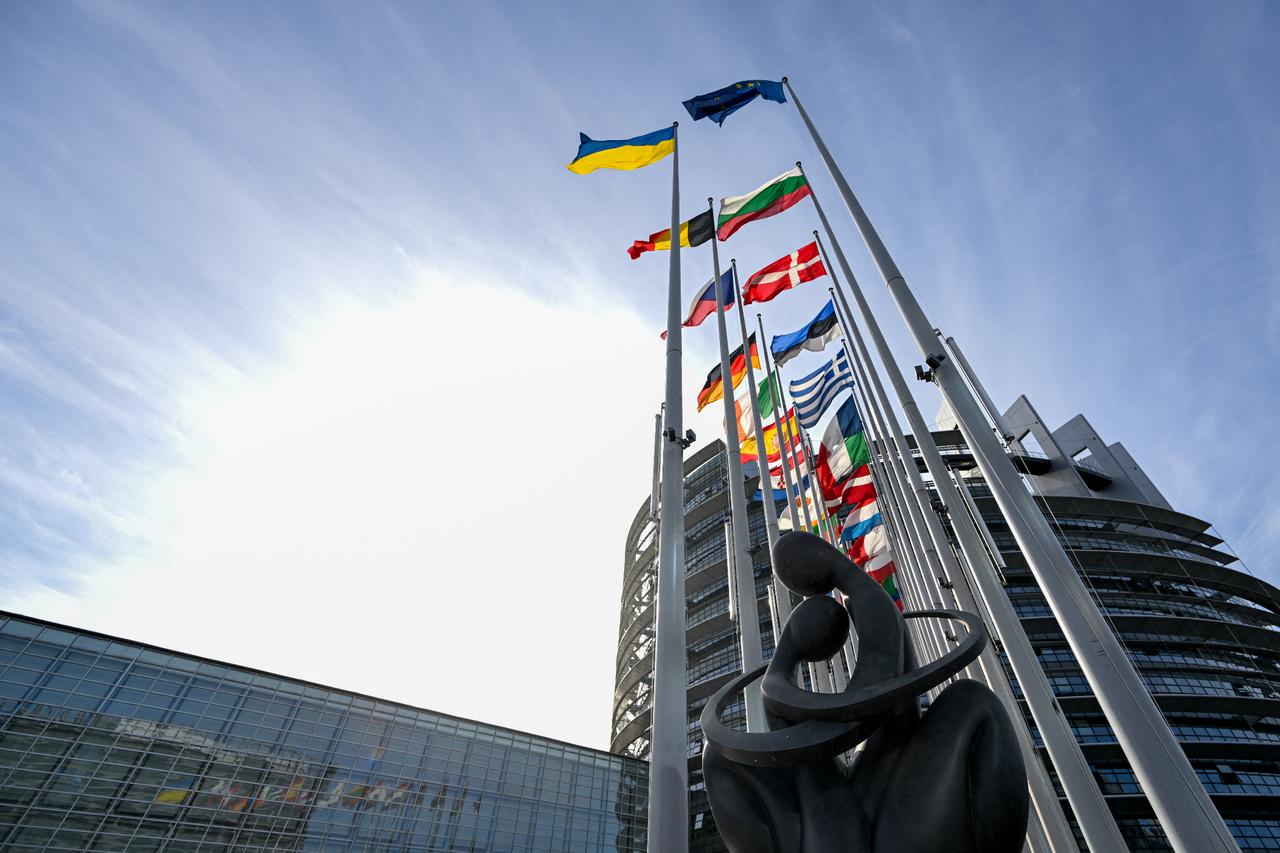
Orban said Hungary would defend its national interests while returning to the EU and NATO as what she described as a trusted and constructive partner.
"The previous Hungarian administration was pulling out from the natural alliances Hungary belongs to, and that's EU and NATO," she said.
She argued that the previous government had misrepresented the concept of sovereignty and used it to justify relationships with foreign actors that did not serve Hungarian interests.
The new government instead intends to focus on economic recovery, education, healthcare and other domestic priorities.
Orban said Magyar's election success reflected frustration with years of what she described as "illiberal democracy" that produced rhetoric without sufficient results.
"We had quite many years of experience with illiberal democracy and the experience of the Hungarian electorate was that there were words, words, and there was no delivery," she said.
She said Magyar succeeded by focusing on grassroots concerns, speaking directly to voters and avoiding constant political messaging centered on an "external enemy."
Orban said Hungary fully supports Ukraine's sovereignty and territorial integrity within its internationally recognized borders and views Russian activity toward Europe as alarming.
"We do find the Russian activities alarming toward Europe," she said.
She also pointed to hybrid warfare and disinformation, saying Hungary had gained "a lot of experience" during what Magyar's camp described as interference campaigns supporting Viktor Orban.
Hungary expelled 10 Russian diplomats earlier this month.
Orban nevertheless said diplomatic channels with Moscow must remain open.
"Russia remains a supplier of energy to Hungary and remains an important regional player," she said. "So, of course, diplomatic channels have to be open."
She also said Hungary was not concerned that Trump could withdraw the U.S. from NATO, interpreting his pressure on European allies as a push for them to assume more responsibility for their own defense.
European countries need to "take a bigger stake in defending their own territory," she said, noting that Hungary already spends more than NATO's 2% defense baseline.
"It's not a concern at all that U.S. could withdraw," Orban said.
The foreign minister said Hungary would continue protecting its borders, countering disinformation and strengthening its own security while maintaining diplomatic engagement with Russia.


 Set as preferred source
 Set as preferred source


 1 min read
 1 min read