Newsletters





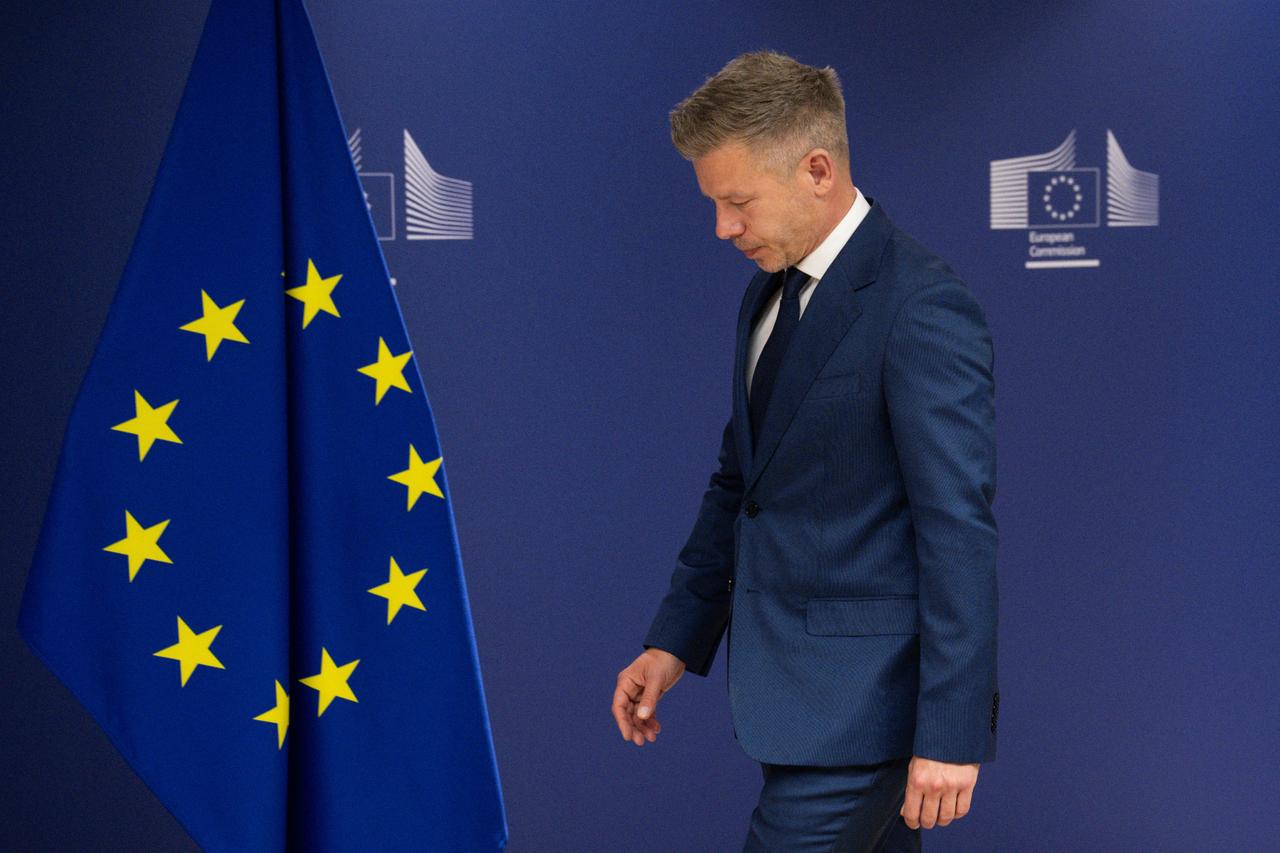
Hungary is reversing its plan to leave the International Criminal Court (ICC) and bringing back a ban on Ukrainian agricultural imports, Prime Minister Peter Magyar announced Friday, signaling a sharp shift from the previous government’s approach toward Israel and international institutions.
"The government is withdrawing Hungary’s intention to leave the International Criminal Court and is banning the import of agricultural products from Ukraine," Magyar wrote on X.
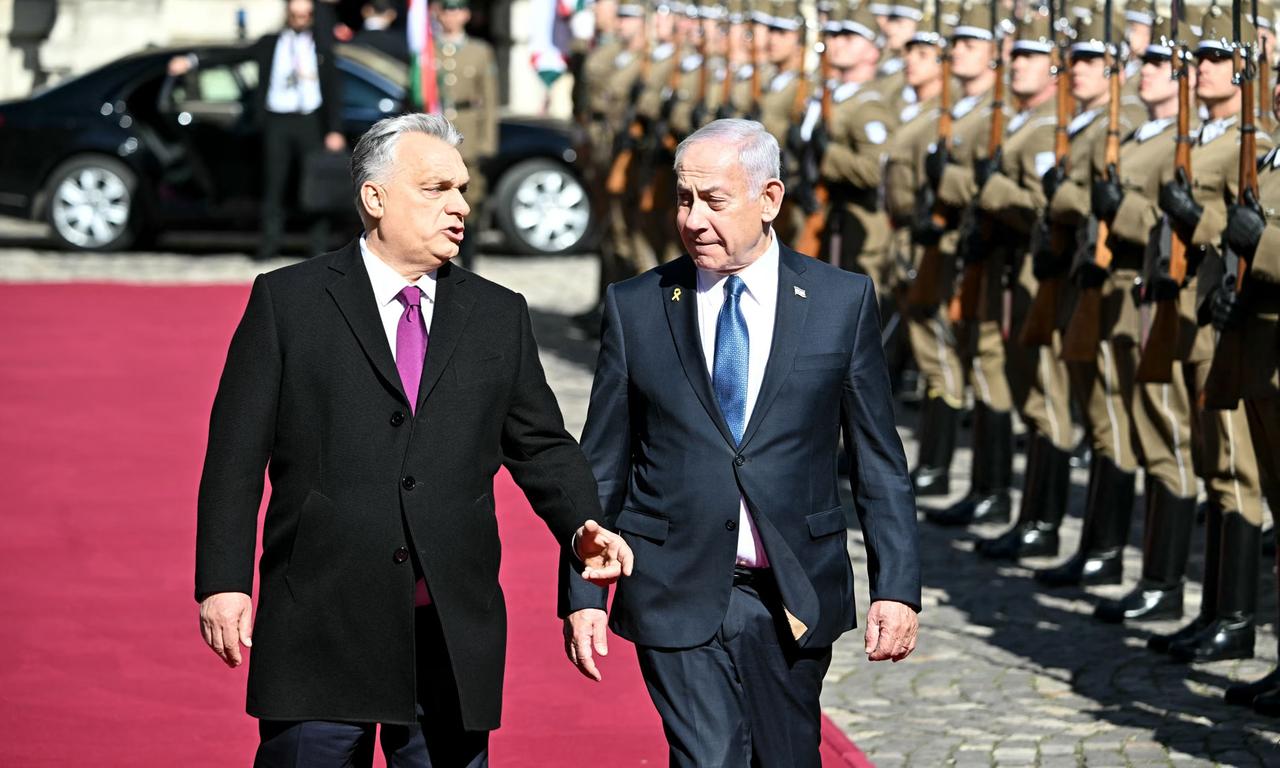
The decision overturns a course set in 2025, when Hungary’s parliament backed an initiative to quit the ICC following a visit by Israeli Prime Minister Benjamin Netanyahu to Budapest.
The court had earlier issued an arrest warrant for Netanyahu, while Hungary’s withdrawal process was expected to be finalized on June 2, 2026.
Since winning the election, Magyar has repeatedly signaled that Hungary would remain a member of the ICC, stressing the need to comply with international obligations and enforce court rulings involving individuals wanted by the tribunal.
The reversal stands out as one of the clearest foreign policy breaks from the previous administration, particularly regarding ties with Israel and cooperation with international legal bodies.

At the same time, Budapest is bringing back restrictions on Ukrainian agricultural imports after the measures were temporarily suspended because of a technical issue in the regulatory framework.
The restrictions cover a broad range of products, including grains, meat, eggs, vegetables, oilseeds and wine products. Previous Hungarian measures targeting Ukrainian imports also included wheat, corn, sunflower seeds, flour and several processed food items.
Hungary has long argued that large volumes of low-cost Ukrainian goods are putting pressure on domestic farmers and disrupting local markets, particularly in countries bordering Ukraine.
The dispute traces back to 2023, when Hungary, Poland and Slovakia imposed unilateral import bans after the EU eased trade restrictions to support Ukraine’s wartime economy.
Although Brussels later allowed some emergency safeguards to expire, Hungary continued to defend national restrictions, insisting they were necessary to shield its agricultural sector.


 Set as preferred source
 Set as preferred source


 1 min read
 1 min read