Newsletters


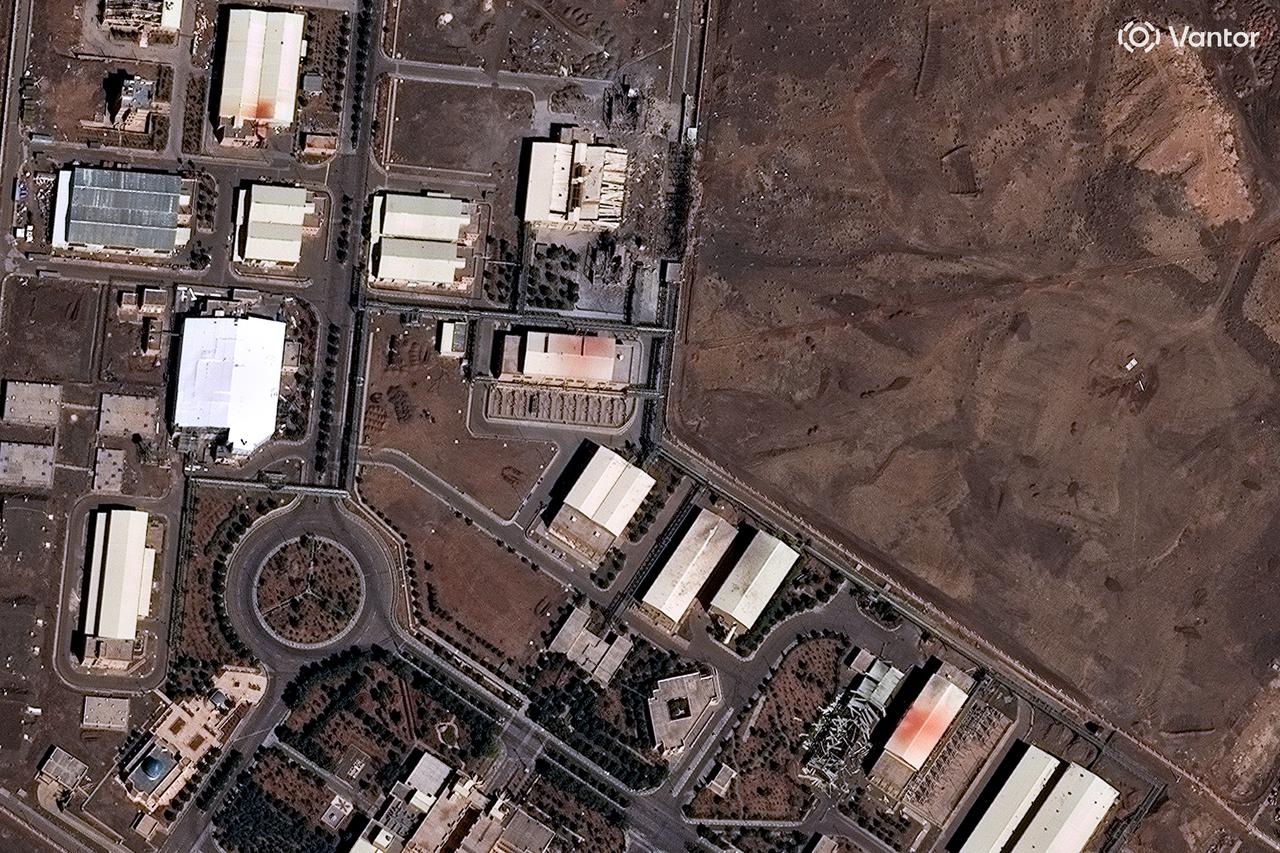


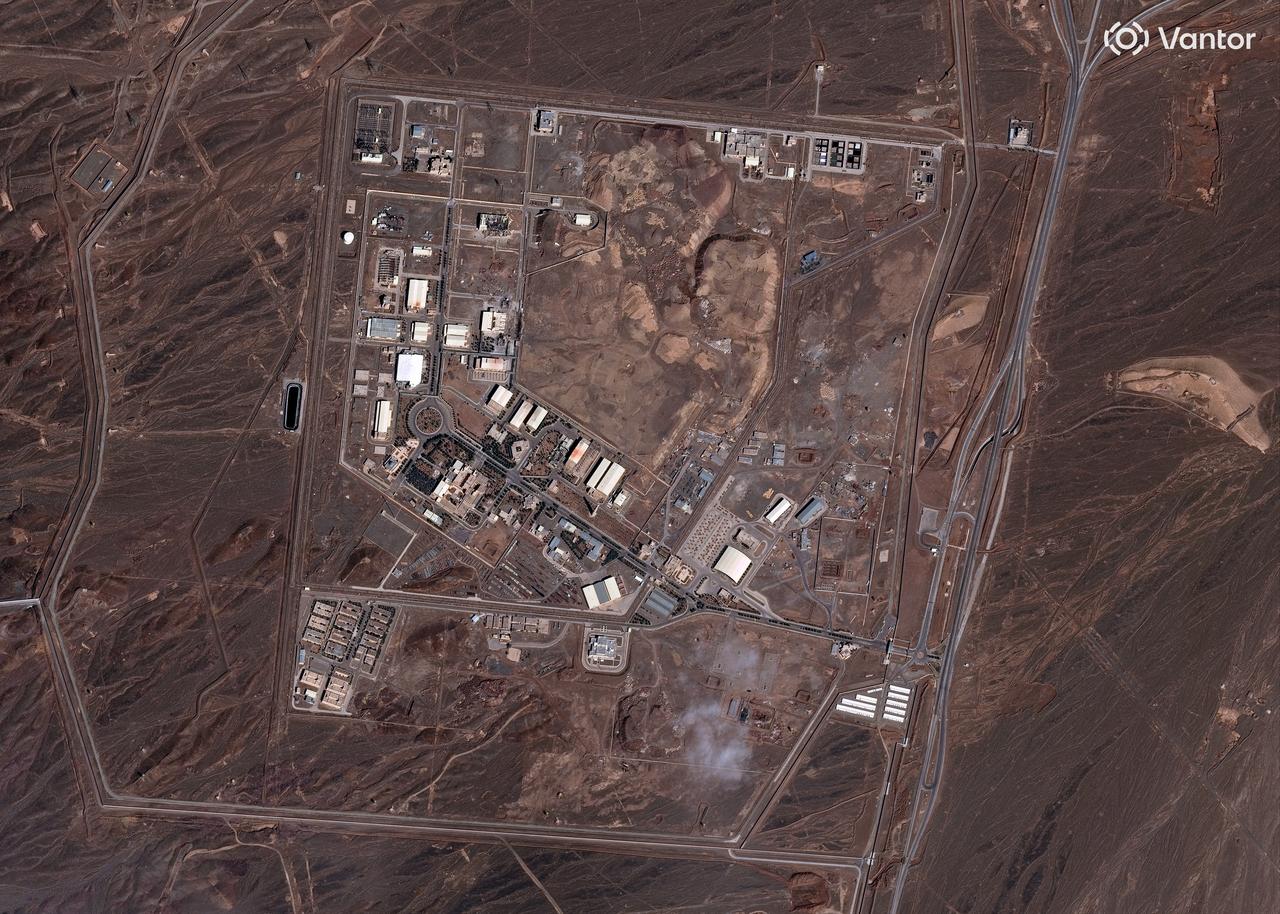
The International Atomic Energy Agency (IAEA) confirmed on Tuesday that Iran's underground Natanz Fuel Enrichment Plant sustained damage from recent strikes.
Recently, Iran's nuclear chief revealed the facility was attacked twice on Sunday and demanded the U.N. watchdog condemn the assault.
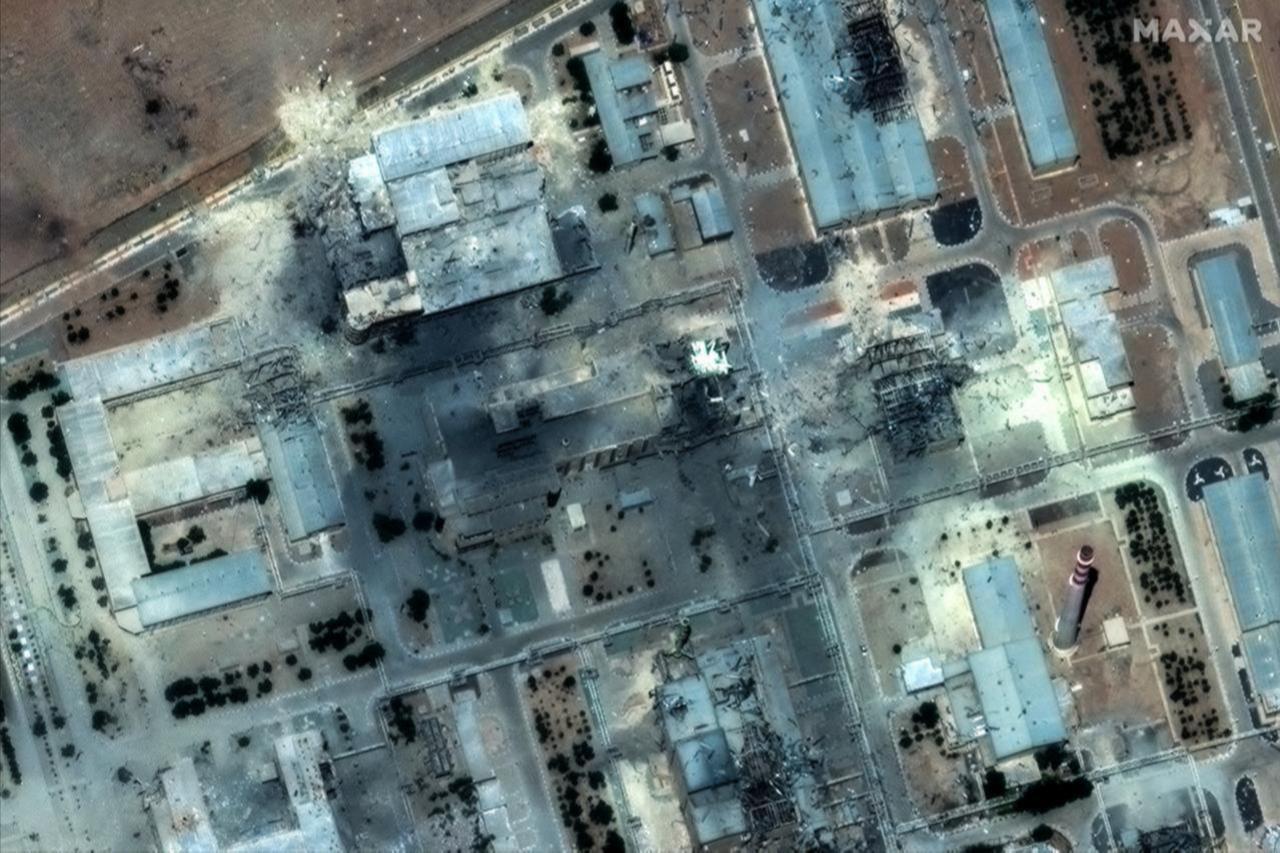
"Based on the latest available satellite imagery, the IAEA can now confirm some recent damage to the entrance buildings of Iran's underground Natanz Fuel Enrichment Plant (FEP)," the agency said in a statement.
The IAEA added that "no radiological consequence expected and no additional impact detected at FEP itself, which was severely damaged in the June conflict."
 1 min read
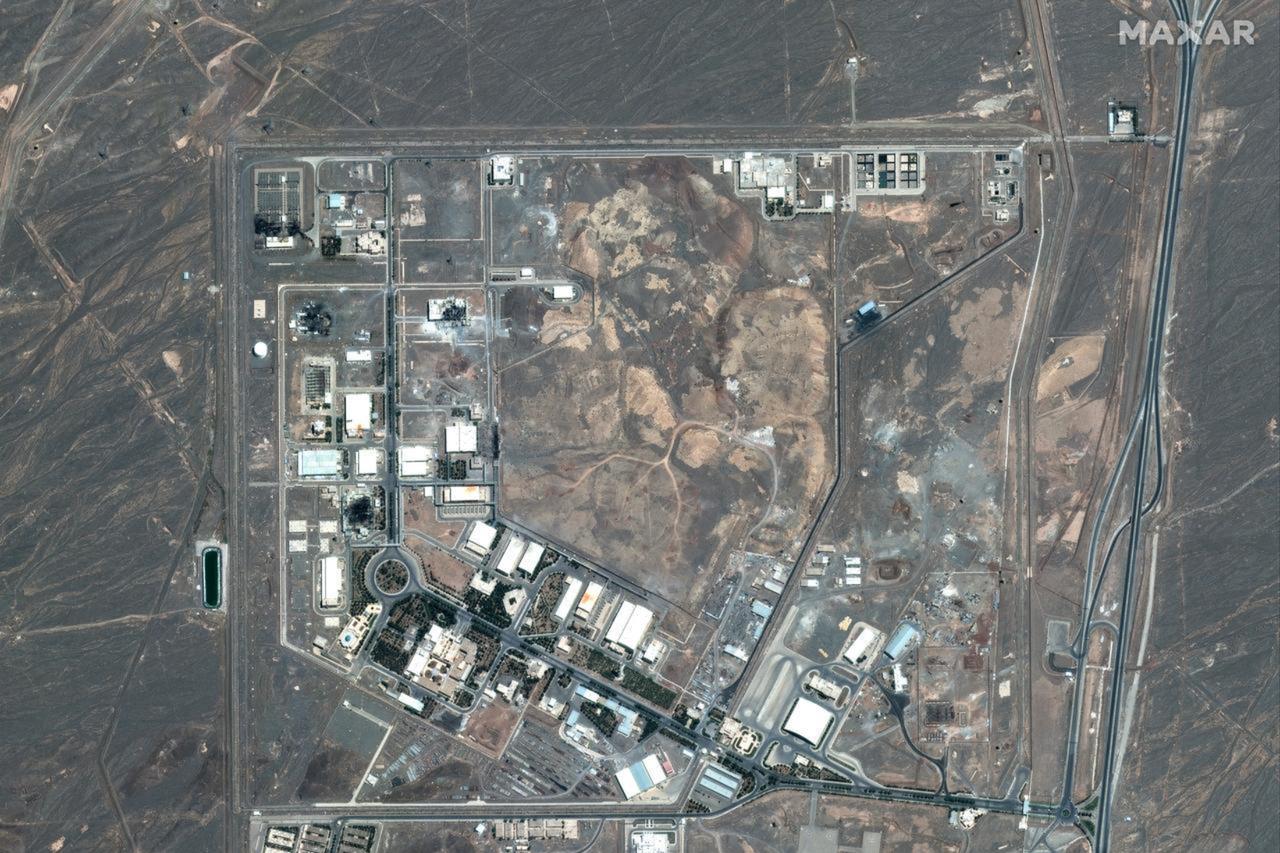
Commercial satellite imagery had earlier captured what appeared to be the first known strikes on an Iranian nuclear site since the start of the U.S.-Israeli air operation.
The confirmation came after IAEA chief Rafael Grossi told the agency's board of governors on Monday that there had been "no indication" of damage to nuclear installations, saying at that time the agency had been unable to reach Iranian nuclear regulatory authorities.
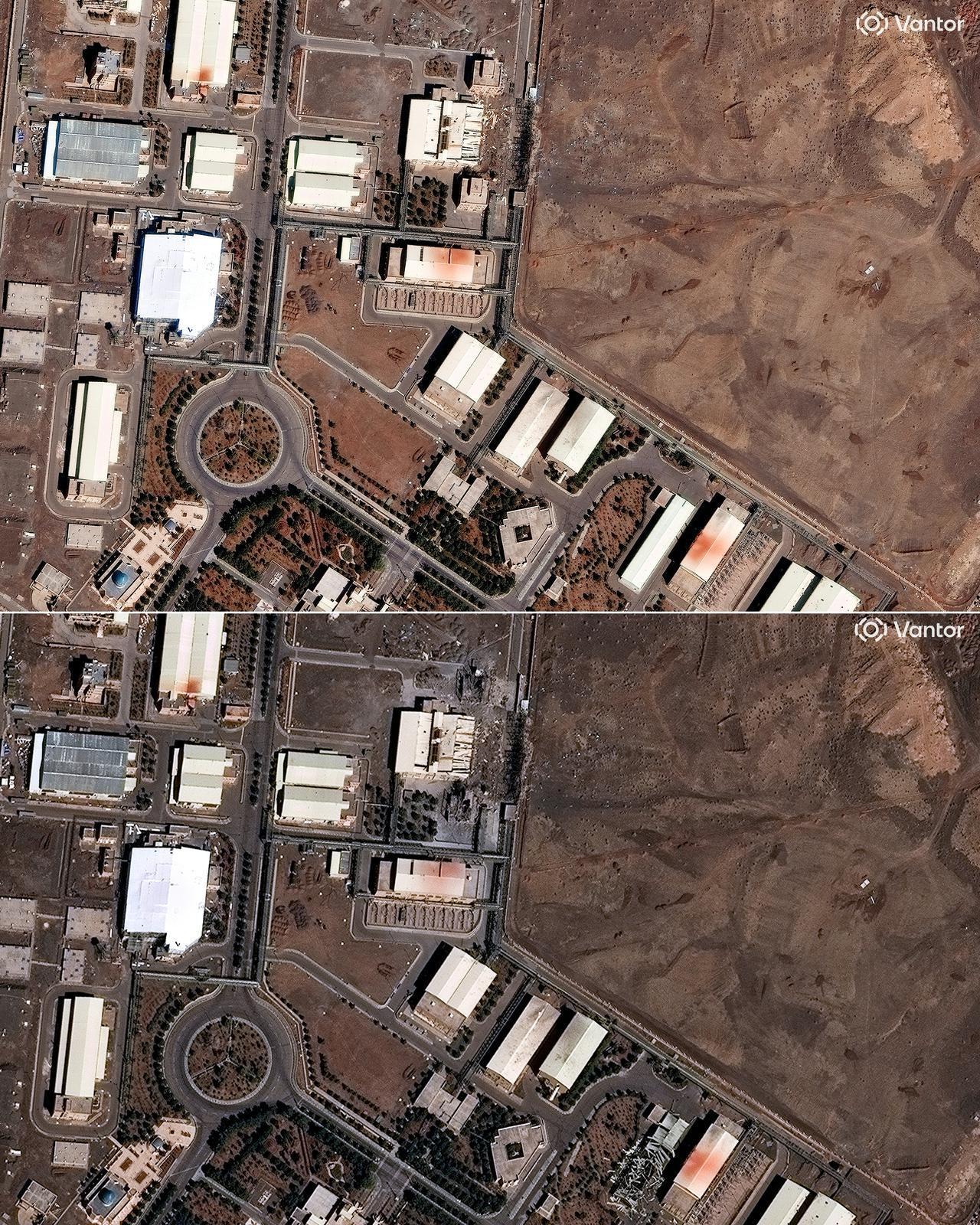

Iran's nuclear agency chief Mohammad Eslami disclosed in a letter to Grossi that the facility was struck twice on Sunday, according to Iran's semiofficial ISNA news agency.
"The criminal regimes of the United States and Israel, pursuing their aggression, again targeted the Natanz nuclear site on Sunday afternoon in two brutal attacks," Eslami wrote.
He urged the IAEA to end its inaction in the face of attacks on nuclear facilities as soon as possible, saying the agency "must condemn these actions."
Iran's ambassador to the IAEA, Reza Najafi, had told reporters on Monday that Natanz had been struck, the first official Iranian confirmation that nuclear sites were hit.
Russian Foreign Minister Sergey Lavrov stated on Tuesday that Moscow had still not seen any evidence that Iran was developing nuclear weapons.
U.S. President Donald Trump has said the war was needed to prevent Iran from developing a nuclear weapon and to thwart its long-range ballistic missile program. Iran has denied it is seeking nuclear weapons and said the U.S. and Israeli assault was unprovoked, occurring as Tehran and Washington were in negotiations on a nuclear accord.
Trump withdrew from a prior international agreement curbing Iran's nuclear program during his first term in 2018, three years after it was signed.
The United States and Israel launched military strikes against Iran on Feb. 28, killing Supreme Leader Ali Khamenei and several top leaders.
Iran has retaliated with missile and drone attacks across the region, striking U.S. military assets and energy facilities in at least eight countries, including the United Arab Emirates, Kuwait and Qatar.


 Set as preferred source
 Set as preferred source


 1 min read