Newsletters


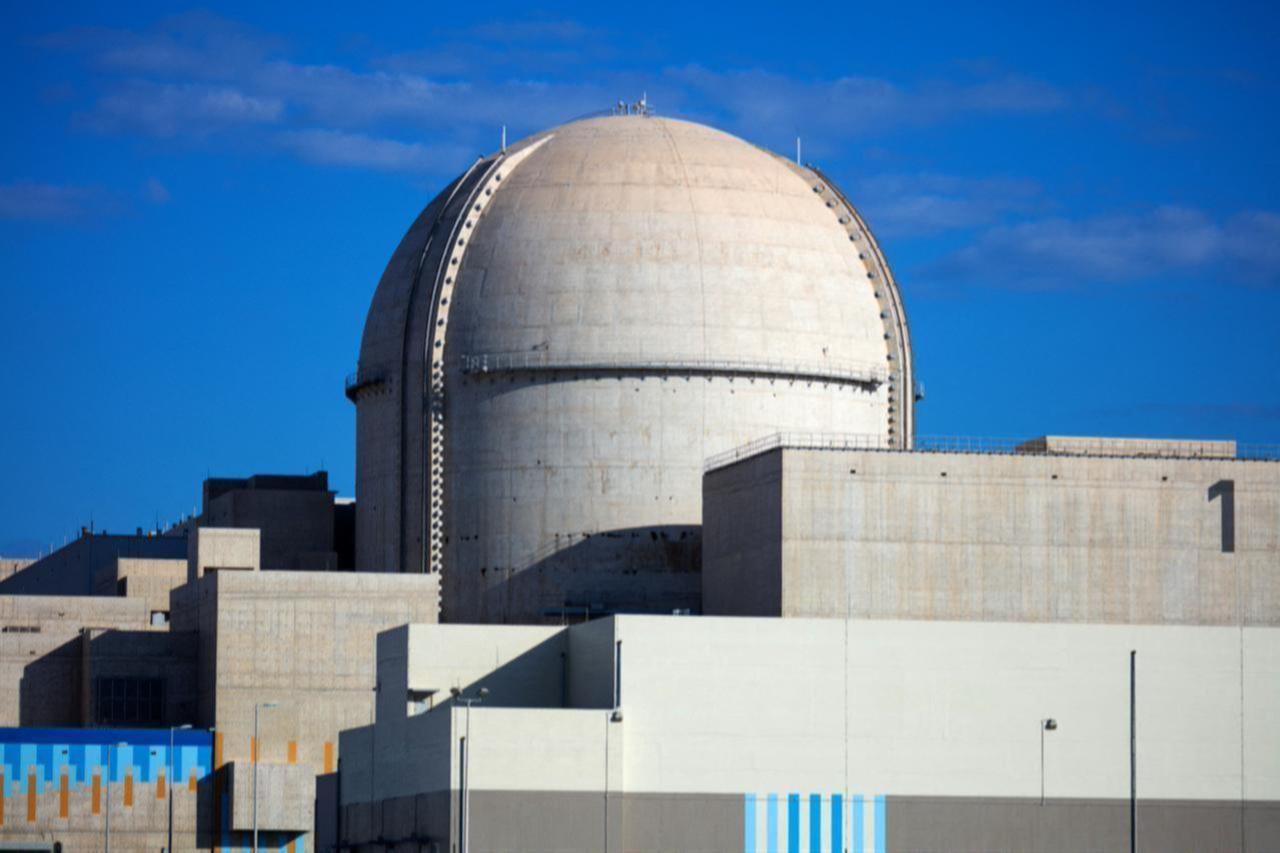


The head of the United Nations' nuclear watchdog said Tuesday that last month's drone strike on the United Arab Emirates' Barakah nuclear power plant was a precision attack designed to cause a major incident, warning the episode represents a threat of "extreme gravity."
Rafael Grossi, director general of the International Atomic Energy Agency, made the remarks in Abu Dhabi following a visit to Barakah, the Arab world's only operational nuclear facility, located on the Persian Gulf coast. A May 17 drone strike struck an electricity facility at the plant, raising the risk of a power loss that could have forced an emergency shutdown.
"From what we saw, this was a very carefully targeted operation," Grossi said. "This means that whoever was behind this knew exactly what they were doing."
The UAE has attributed the attack to militants based in Iraq. The strike occurred amid an extended period of Iranian drone and missile attacks across the region tied to the broader Middle East conflict.
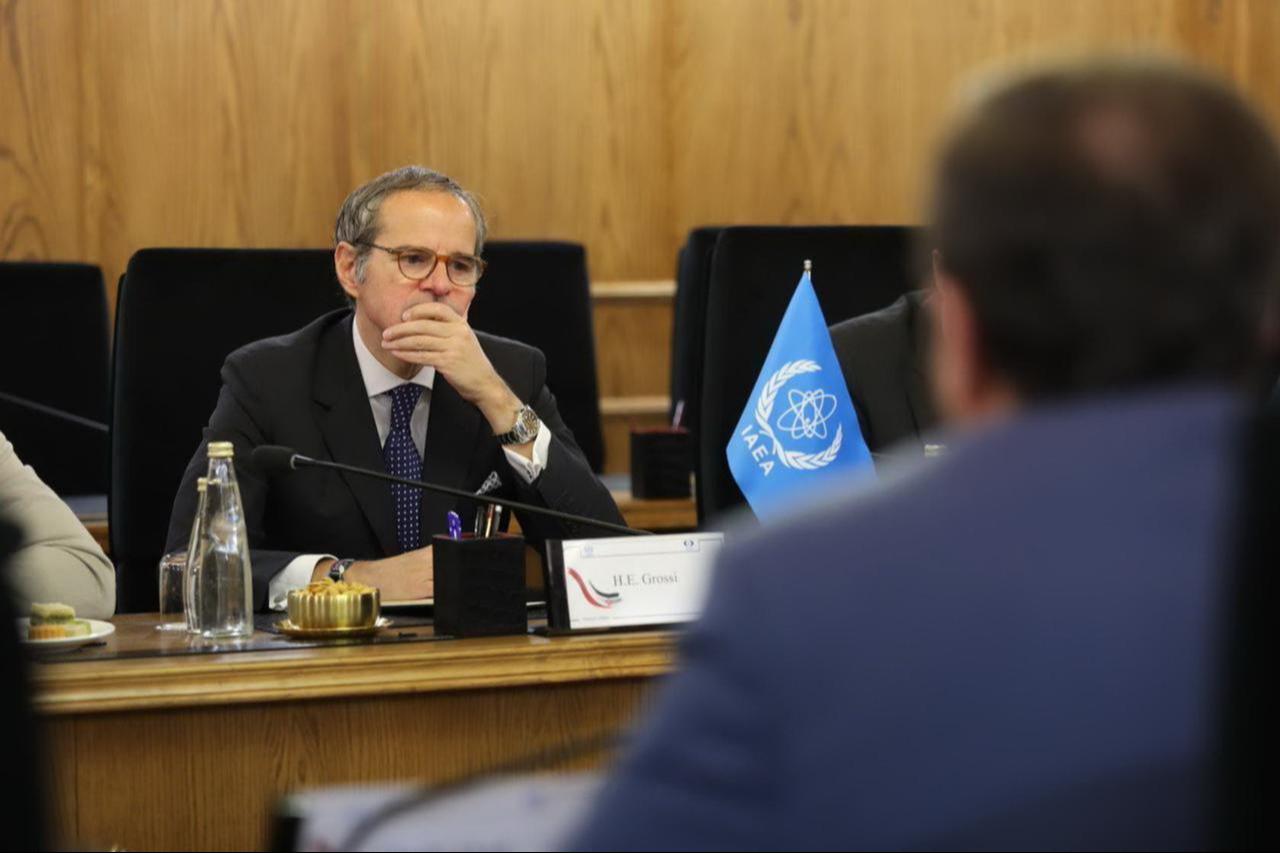

Grossi explained that the primary threat was not a direct hit on the reactor itself but the loss of external electricity supply. Nuclear plants require continuous power to run cooling and safety systems, and a sustained outage, if not addressed, can create conditions that lead to overheating.
"In spite of the fact that the Emirati professionals acted very quickly and could address the situation, it could have taken out the reactor because of the loss of external power," he said. Cutting external power, he added, forces a plant to rely on emergency generators to keep critical safety functions running.
Grossi was careful to distinguish the scenario from a catastrophic outcome, noting that a full meltdown would require a complete and prolonged loss of all power sources. "To get to a meltdown would take much, much more," he said. Still, he characterized the May 17 strike as "a serious situation indeed."
In response to the attack, Grossi said he is conducting a tour of Gulf states whose proximity to Barakah means they could be affected by any nuclear accident. He confirmed visits to Kuwait and Qatar before Abu Dhabi, with a planned stop in Riyadh.
"Several countries in the region have serious concerns," he told. The IAEA chief said he would convene a special session of the agency's board of governors and that the organization is providing technical assistance to UAE authorities. Iran's Bushehr nuclear plant, which has also been targeted during the ongoing conflict, was cited by Grossi as part of the same risk landscape. A direct strike on either facility, he said, represented the "worst-case scenario," with the potential for a release of radioactive material.
Emirati officials used Grossi's visit to reaffirm confidence in the facility. Hamad Al Kaabi, deputy chairman of the Federal Authority for Nuclear Regulation, said the IAEA director general's presence underscored that attacks on nuclear infrastructure are "not acceptable" to the international community.
Al Kaabi said Barakah, which reached full operational capacity in 2024, remains a "cornerstone" of the UAE's energy infrastructure. He pointed to the plant's performance under pressure as evidence of its resilience. "If anything, it's proved that these plants can be maintained safely and securely," he told AFP.
When asked about the possibility of expanding nuclear capacity, Al Kaabi said no decision had been made but suggested the plant had strengthened the case for atomic energy. "Barakah makes a compelling case," he said.


 Set as preferred source
 Set as preferred source


 1 min read
 1 min read