Newsletters


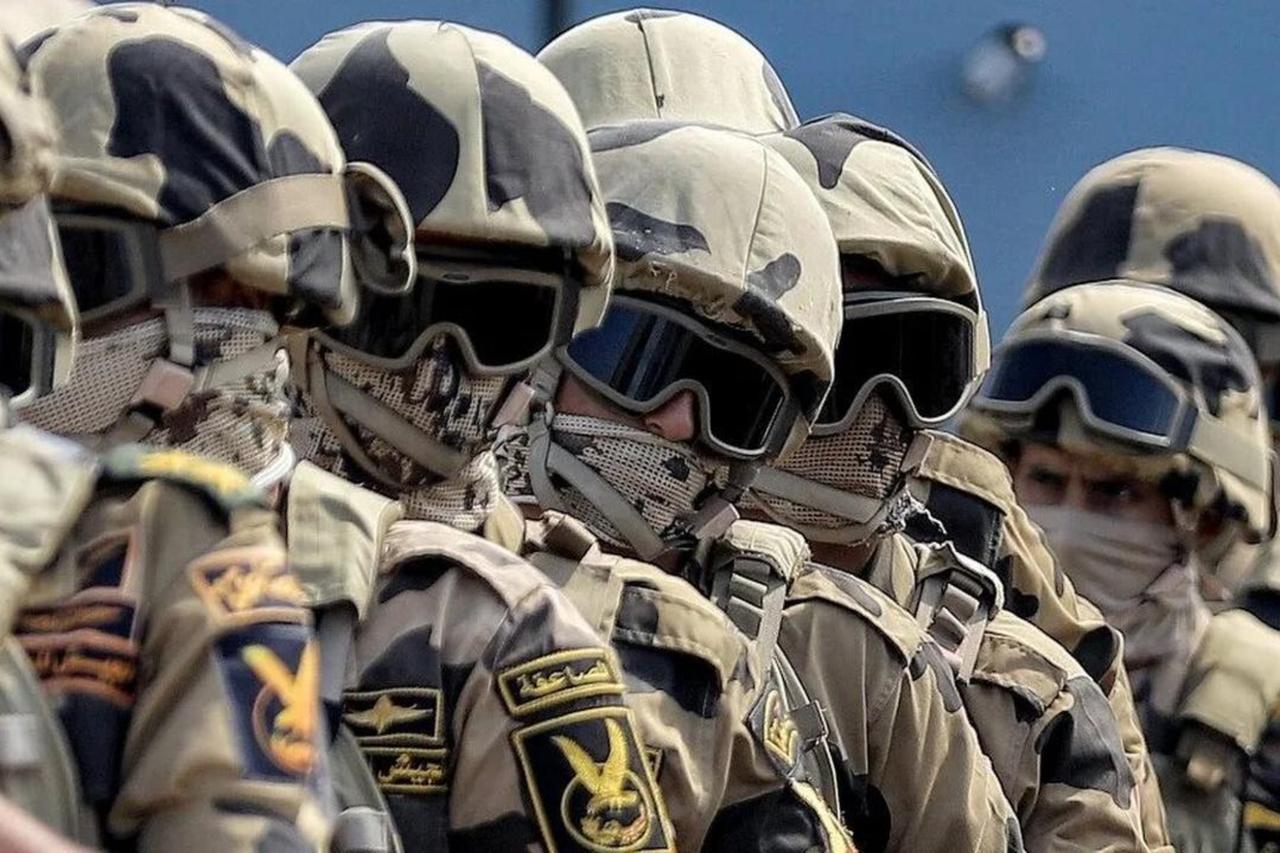


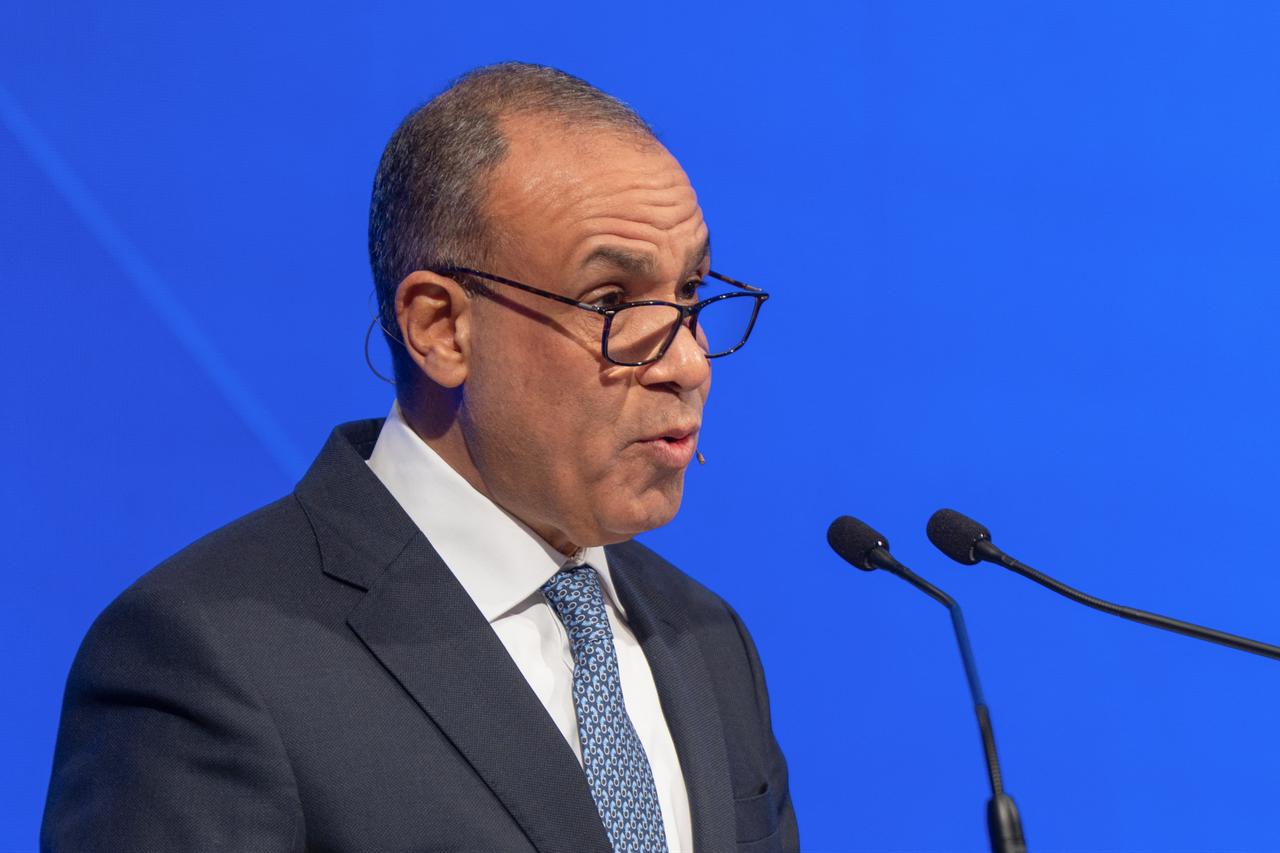
Egyptian soldiers have been stationed in Saudi Arabia for several months to protect key sites after attacks targeting the kingdom, Egyptian Foreign Minister Badr Abdelatty said, stressing that the deployment is defensive and that Egyptian forces will not move into Yemen.
Abdelatty made the remarks in an interview with France 24 in Paris, where he was attending a meeting of G7 foreign ministers. “We have had troops in Saudi Arabia for several months for defensive purposes,” he said.
Abdelatty said Egypt’s support for Saudi Arabia is meant to bolster the kingdom’s defensive capacity and has no offensive aim. He said Egyptian President Abdulfettah es-Sisi has been authorized only to take the measures needed to support that capacity. “Saudi Arabia’s security is Egypt’s security,” he said.
Egypt’s parliament granted Sisi that authority on Oct. 26.
Asked about the Houthis’ description of the military support as an Egyptian “declaration of war,” Abdel Fattah el-Sisi rejected the claim. He said Cairo favors de-escalation and does not back military escalation.
The Houthis are an Iran-aligned group that controls much of northern Yemen and has been fighting a Saudi-led coalition in the country’s long civil conflict.
Abdelatty said Egypt remains in contact with Saudi Arabia. He said Cairo hopes the attacks will stop and that the parties will return to negotiations under a roadmap they previously agreed on.
The minister said the crisis in Yemen calls for a political rather than a military solution, and that finding political outcomes to other regional crises is also among Egypt’s priorities.
He said one priority at the G7 meeting is to refocus attention on the Palestinian issue, which he described as central to the region’s conflicts. Neither Israel nor the wider region can achieve security and stability without resolving it, he said.
On Iran, Abdelatty said the parties must return to negotiations and that participants would consider what can be done to bring them back to the table. He said there is some agreement on the core elements of a deal, though the parties may differ over how to prioritize them, a gap he said negotiations can close.
He named the security of waterways and freedom of navigation as another priority, with a focus on shipping through the Strait of Hormuz, the Bab el-Mandeb Strait, the Gulf of Aden and the Red Sea. These routes are among the world’s most important maritime chokepoints for energy and trade.
Abdelatty said Egypt is coordinating with the parties involved, particularly Iran and the United States. He said its main goal is to prevent a new escalation that could have serious consequences for the region and the world.


 Set as preferred source
 Set as preferred source


 1 min read
 1 min read