Newsletters





Iran plans to sign an agreement with Oman in the coming days establishing a new corridor over the entry and exit points of the Strait of Hormuz that would remain under Iranian control, a senior security official said.
Mohsen Rezaei, secretary of Iran's Supreme National Security Council, made the announcement during a television appearance, saying Tehran would soon declare a restricted zone around the strait. Any vessel entering the zone "without permission" would be blacklisted by Iran, he warned.
According to Rezaei, the zone would extend from the area where the United States has imposed a naval blockade and would cover both the Strait of Hormuz and the Persian Gulf. He said Iran intends to tighten the measures it enforces in the strait, one of the world's most strategically significant waterways, through which a substantial share of global seaborne oil shipments pass.
Rezaei argued that the tightened restrictions would carry more weight than missile strikes, saying, "We will commit to keeping the Strait of Hormuz open only if the Americans refrain from attacks and sabotage."
Addressing recent Iranian action against American naval vessels, Rezaei said, "Forty-eight hours ago, we tested our anti-ship missile on a US warship for the first time."
He also said that countries acting as mediators between Iran and the United States had proven ineffective in ensuring implementation of a memorandum of understanding signed between the two nations, though he did not elaborate on the agreement's contents or the mediators involved.
Rezaei said Iran is currently selling oil and that payments for those sales are being collected, without providing further detail on volumes, buyers or pricing.
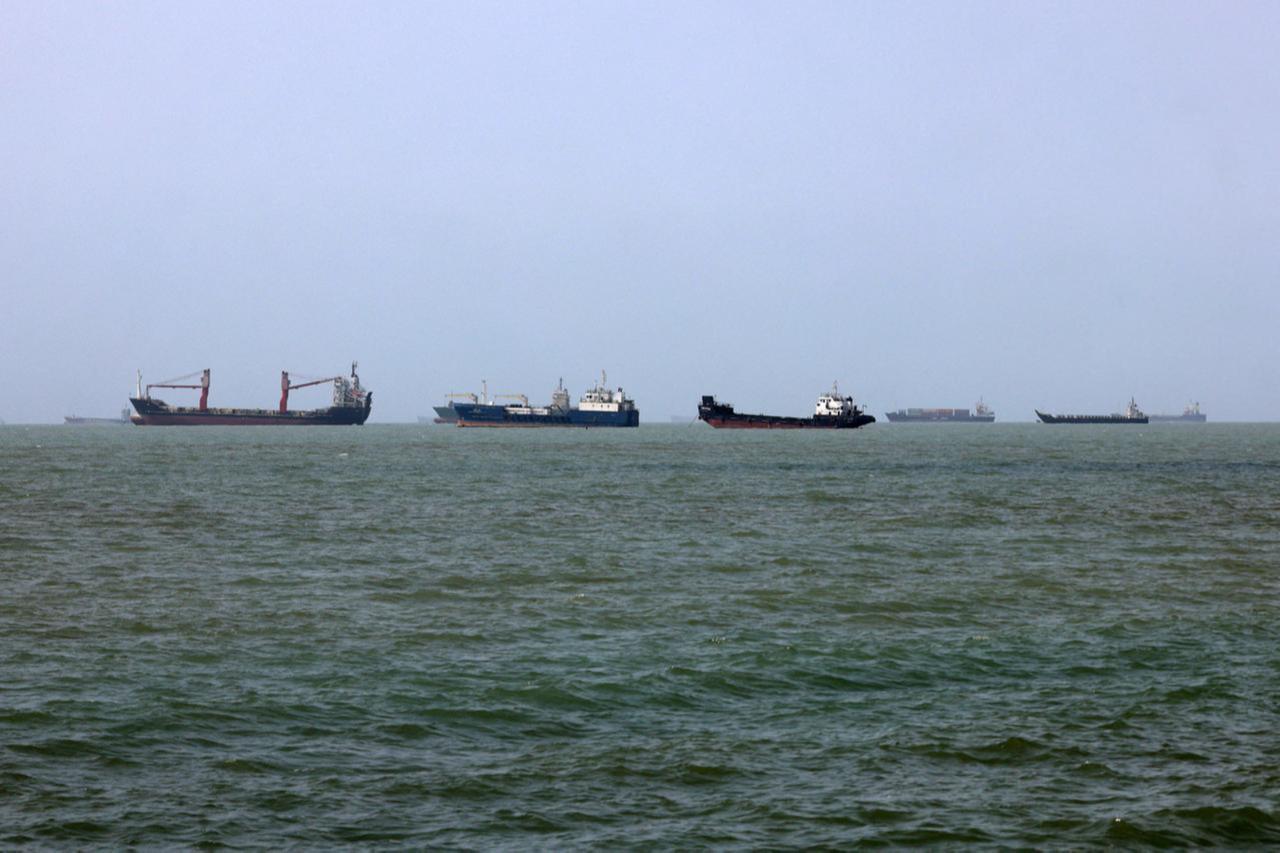
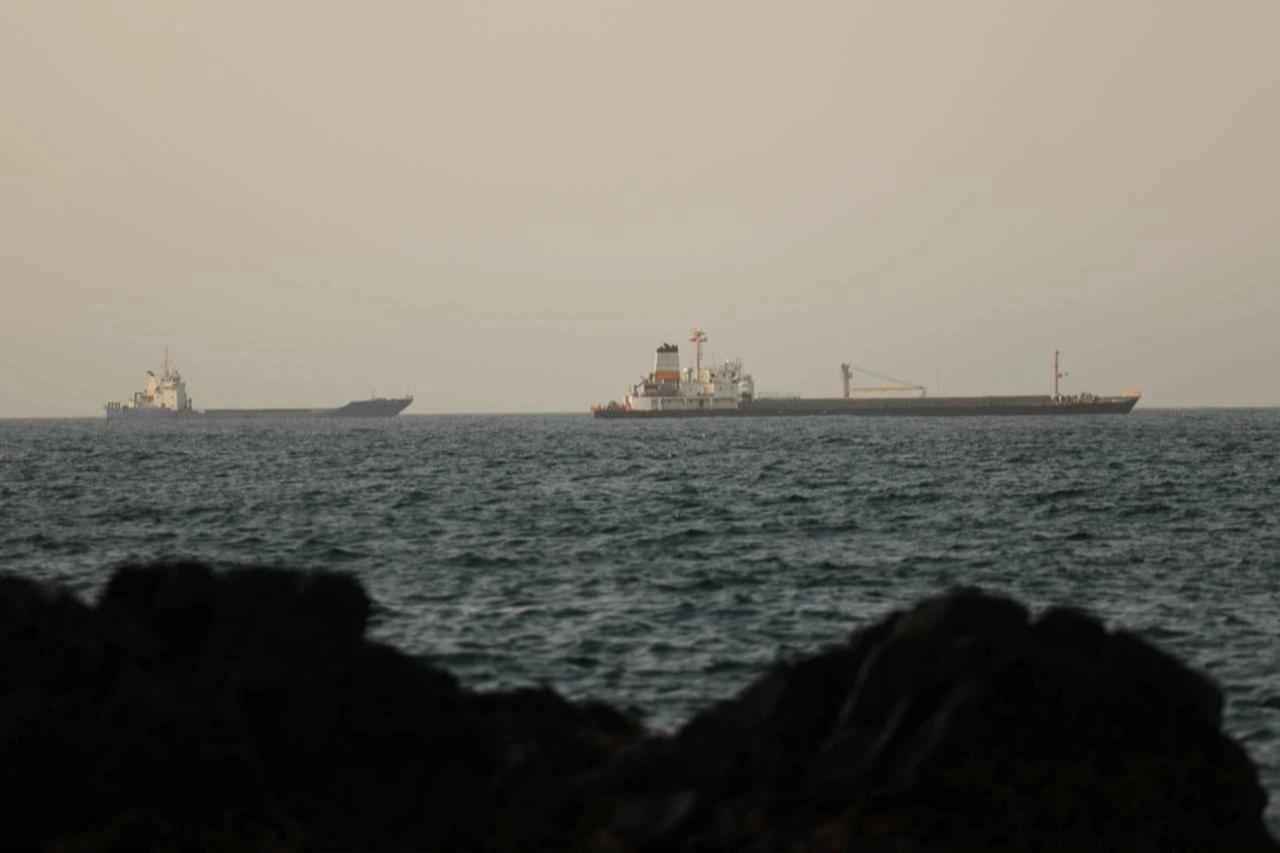
The Strait of Hormuz, situated between Iran and Oman, connects the Persian Gulf to the Gulf of Oman and the Arabian Sea and has long been a flashpoint in tensions between Iran and Western powers due to its role as a critical corridor for global energy shipments.


 Set as preferred source
 Set as preferred source


 2 min read

 1 min read