

 Newsletters


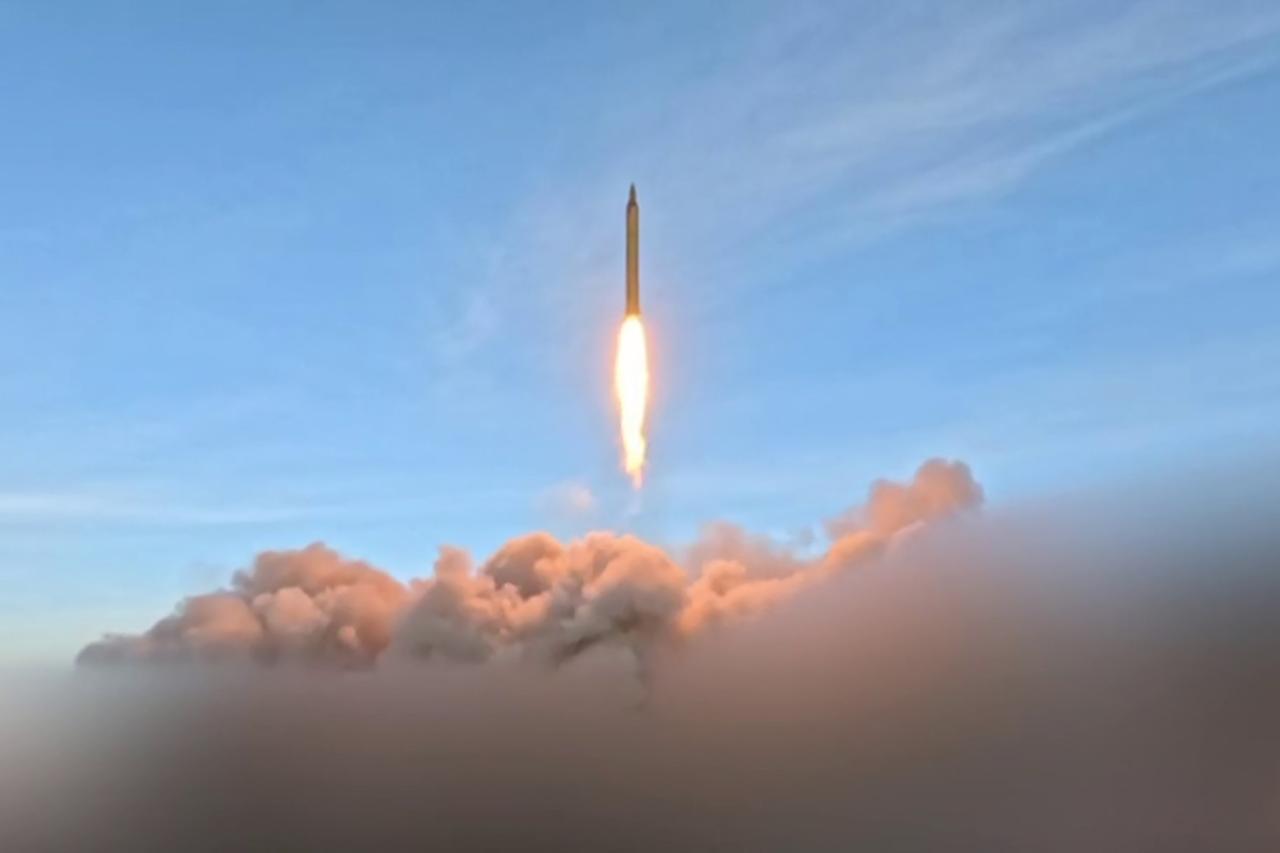


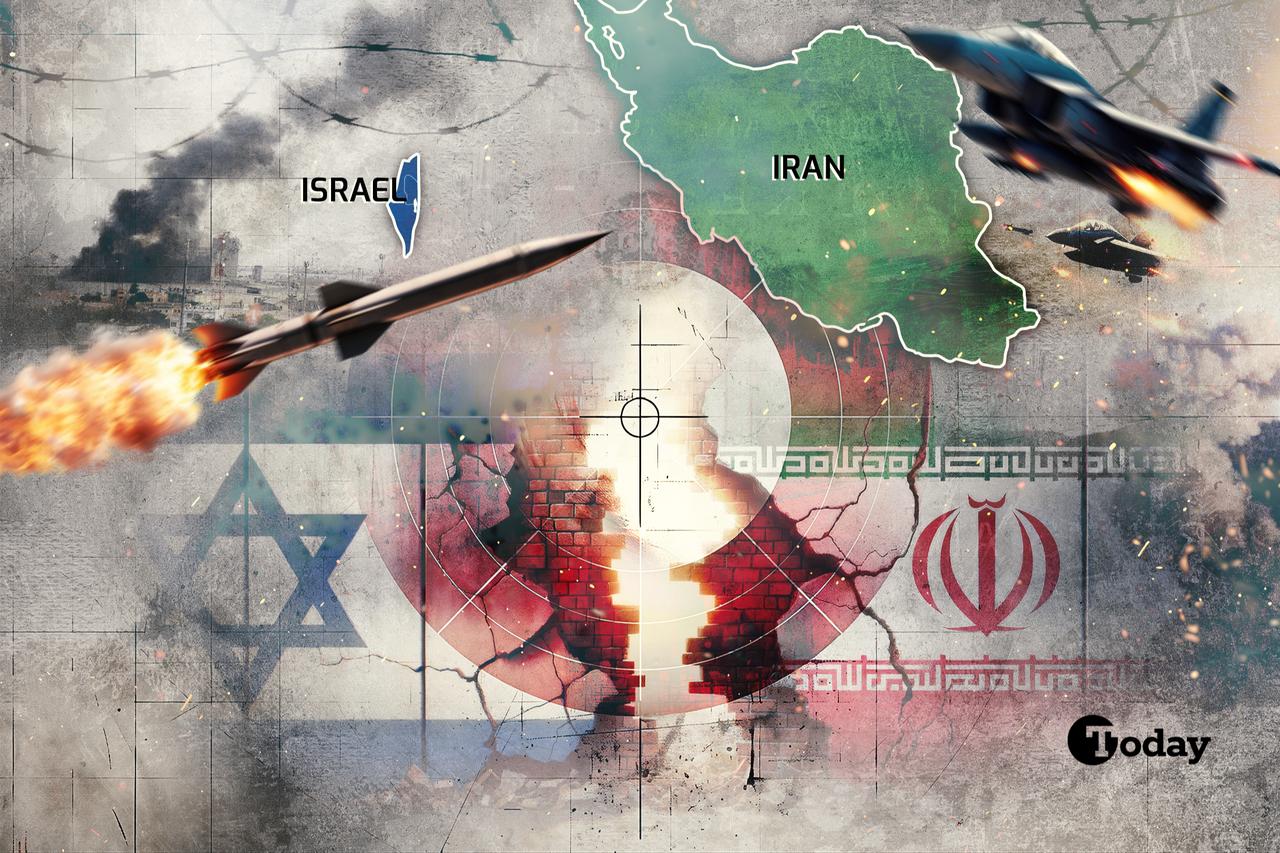
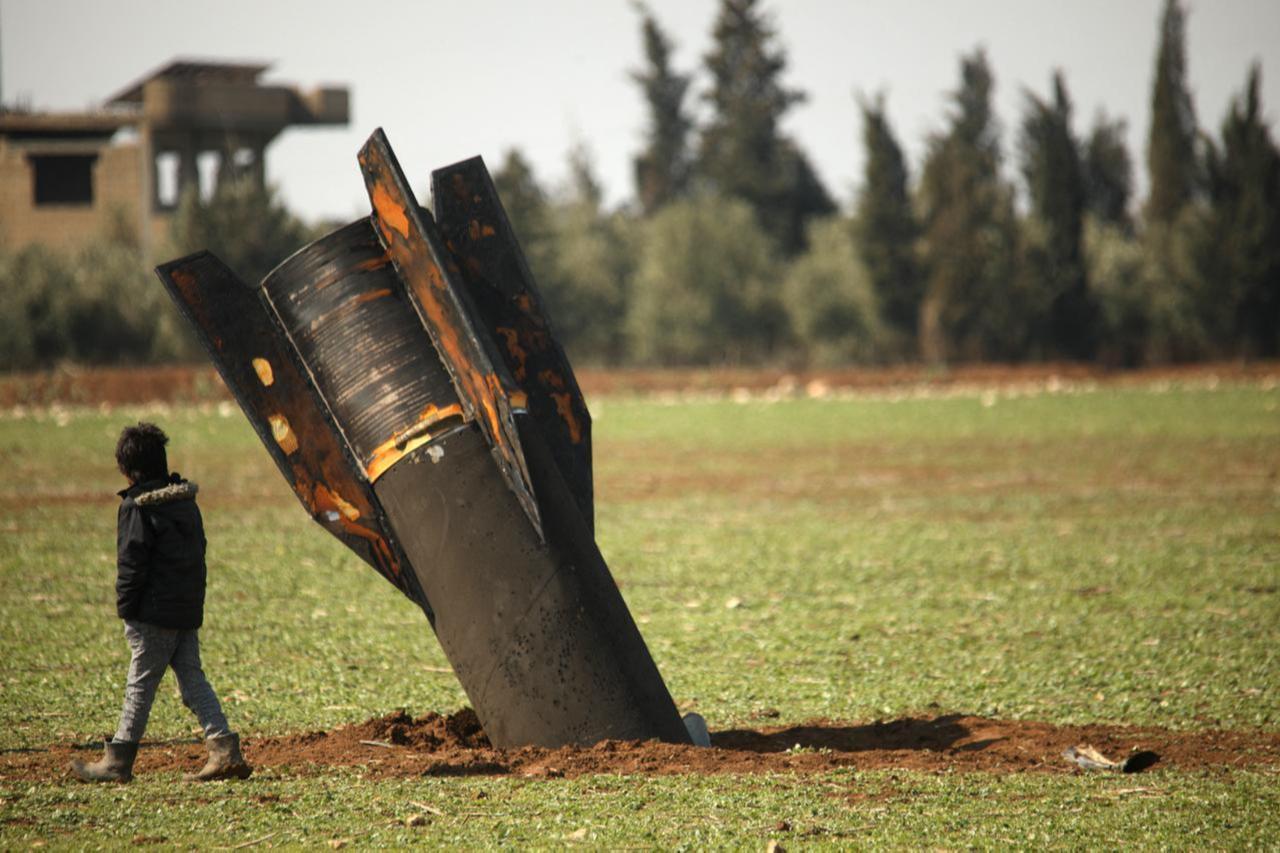
Iran's Foreign Ministry spokesman Esmaeil Baqaei stated on Sunday in an interview with Turkish broadcaster NTV that missiles fired toward Türkiye were not launched by Iran, and proposed a joint Iranian-Turkish investigation committee to determine the origin of such attacks.
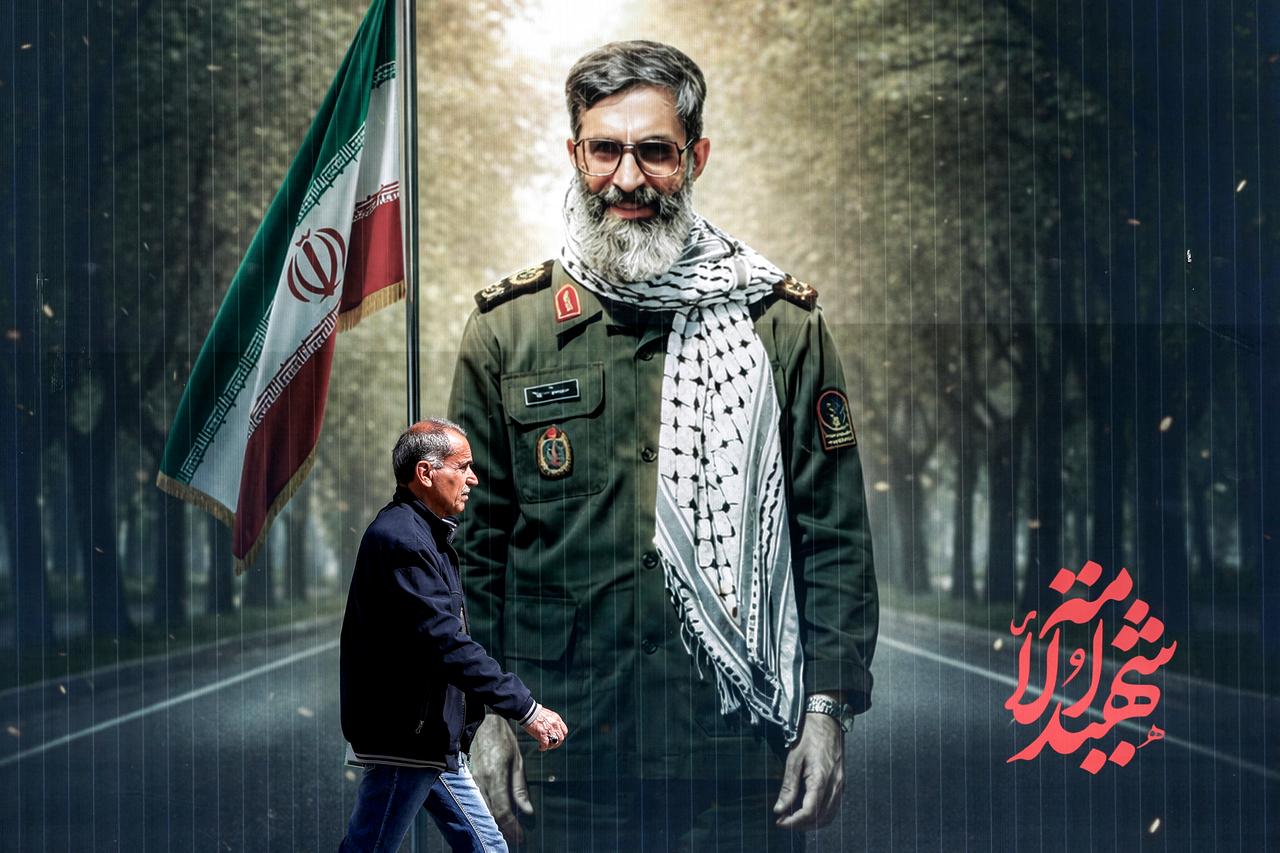
He also warned that Israeli officials have named Türkiye as a "next target," and confirmed that new Supreme Leader Mojtaba Khamenei is "alive and in complete health."


Baqaei stated that Iran's armed forces have officially denied firing any missile or drone toward Türkiye, and said Tehran had communicated this directly to Ankara.
"Our armed forces officially denied the reports that missiles or drones were fired toward Türkiye. We also told our Turkish friends that the recent attacks were not carried out by Iran," he noted.
Baqaei described the Türkiye-Iran border as "the safest of all our borders" and emphasized the depth of bilateral ties.
"Türkiye is a strong and solid Islamic country. We always want Türkiye to remain strong, solid and independent. There have always been very friendly relations between Iran and Türkiye, and we have always been pleased with this. There are cultural, historical, religious, and emotional partnerships between Türkiye and Iran. We share common feelings with the Turkish people, and this is very important," he said.
He raised the possibility that a third party, specifically Israel, was staging the attacks to drive a wedge between Iran and its neighbors, citing the 1954 Lavon Affair, also known as Operation Susannah, as a historical precedent.
"Think of a classic false flag operation. In 1954, the Israeli regime carried out sabotage operations targeting the relationship between Egypt and Britain and other countries. This is a very clear example," Baqaei said.
"We know our region is currently in a very murky and uncertain situation. In such an environment, the possibility of malicious parties taking advantage is very high," he added.
To prevent potential sabotage, Baqaei proposed closer institutional communication between Turkish and Iranian authorities and suggested establishing a joint committee.
"It was proposed that a joint committee be established that can quickly examine any incident and determine whether these missiles or attack vehicles really came from Iran or from somewhere else," he said.
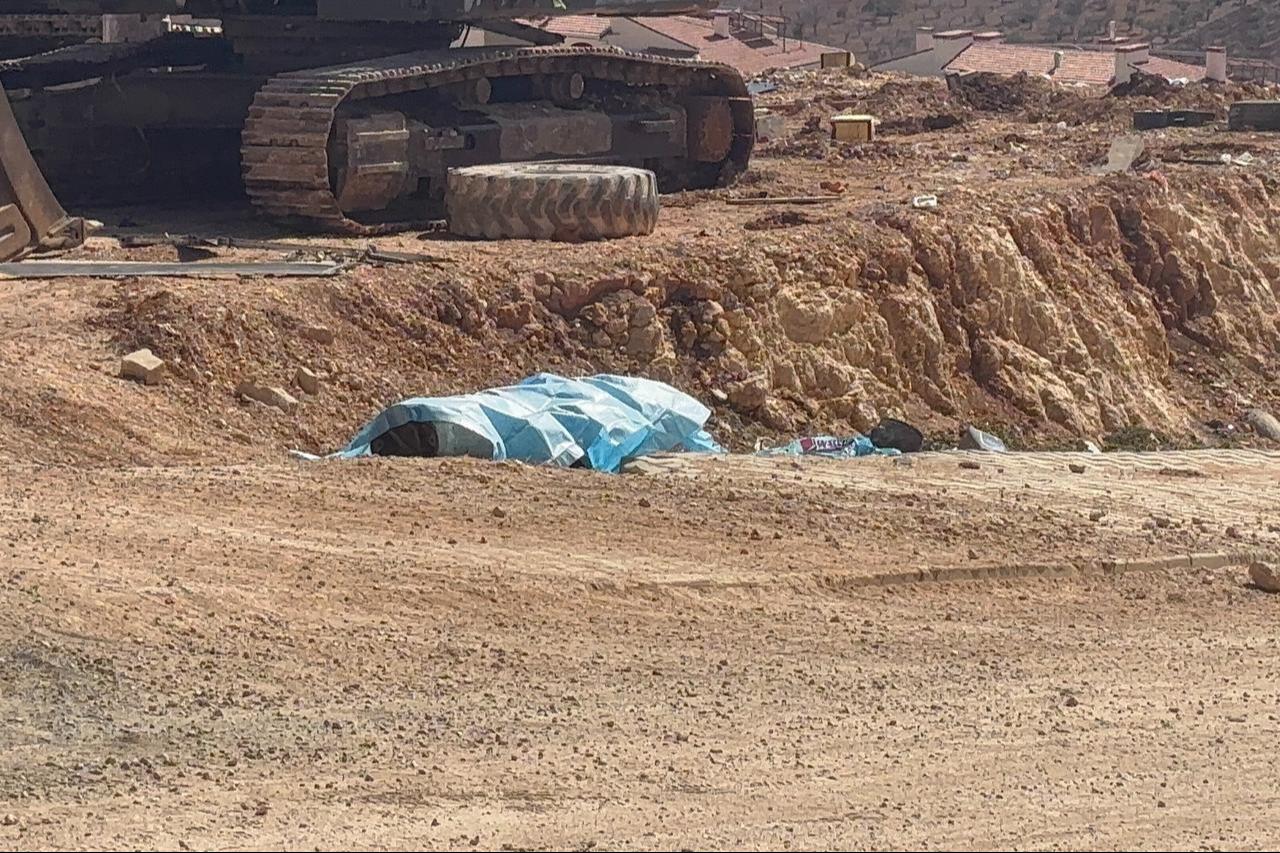
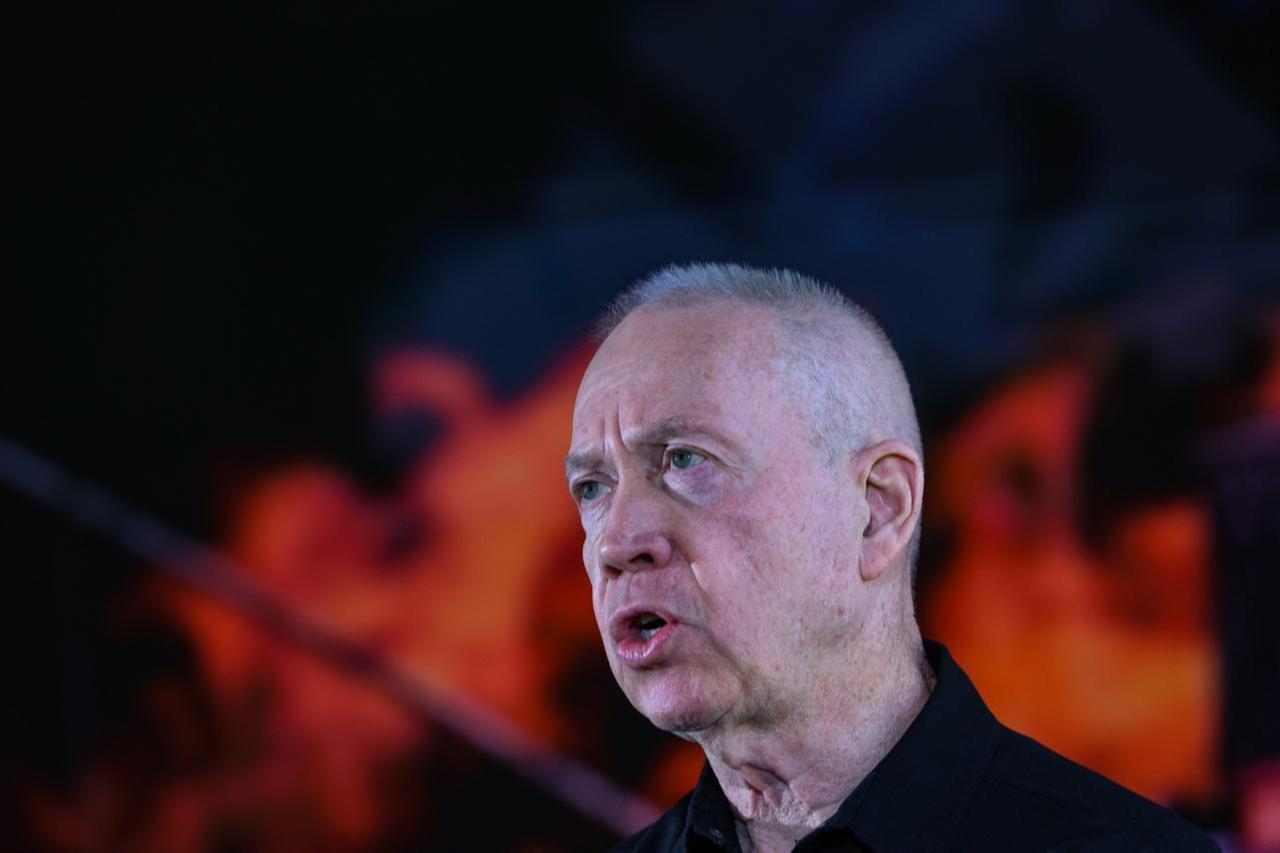
Baqaei warned that Israeli officials, including former Prime Minister Naftali Bennett, have publicly named Türkiye as a "next target."
"In a very short time, Israeli officials, including Naftali Bennett, emphasized that the next target is Türkiye. The reason is clear. Their goal is to fragment Islamic countries, to shrink and weaken them, and ultimately to enable the Israeli regime to establish dominance over the entire region," he said.
Asked about reports and statements regarding Iran's new Supreme Leader, Mojtaba Khamenei, having been wounded, Baqaei dismissed them as part of a psychological warfare and disinformation campaign.
"These are all parts of psychological warfare and a media campaign based on the production of misinformation. Producing lies about Iran on various topics is not new. I can say with certainty: Mojtaba Khamenei is alive and in complete health," he said.
Baqaei said the U.S. and Israel follow a fixed pattern to justify attacks.
"First, they demonize countries, using labels like terrorist and human rights violations. Then they dehumanize an entire people to facilitate and legitimize attacking them. Think of what Trump has said about Iran. A while ago, they were saying they wanted to help Iranians. Now they say Iranians are bad and hated people," he said.
"The goal is to legitimize their actions against Iran, to legitimize attacks on our civilians, to legitimize the attack on a school in Minab where 175 young students were martyred," Baqaei noted.
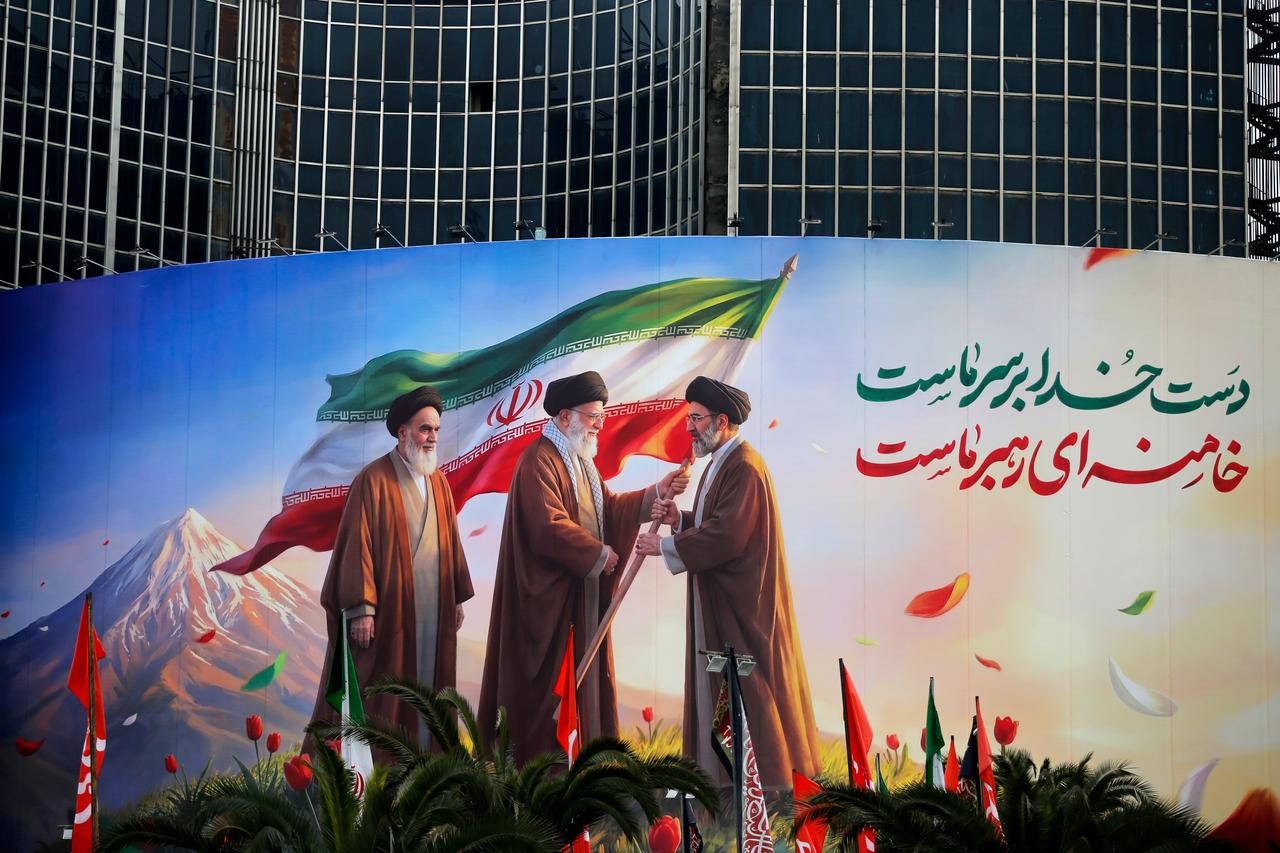
On the war's expansion and attacks on energy infrastructure, Baqaei said Iran has the longest coastline along the Strait of Hormuz and the Persian Gulf and has historically seen itself as a guarantor of Gulf maritime security.
"In recent decades, Iran has seen itself as the protector of maritime security in the Gulf. We have paid a great price and had many martyrs to ensure security in the Strait of Hormuz," he stated.
He noted that the expansion of the war is not in Iran's interest and that Iran's current actions are defensive responses to U.S. and Israeli military attacks.
"We did not start this war. Anyone who asks Iran to show restraint must be honest. When a country is attacked with missiles and bombs, when its people are targeted and its infrastructure is struck, you cannot expect that country to give no response. Defending the homeland, honor and dignity is a natural right," Baqaei added.
On strikes against U.S. bases in Gulf countries, Baqaei said Iran had repeatedly asked those countries not to allow their territory to be used to attack Iran and that they had given assurances they would not.
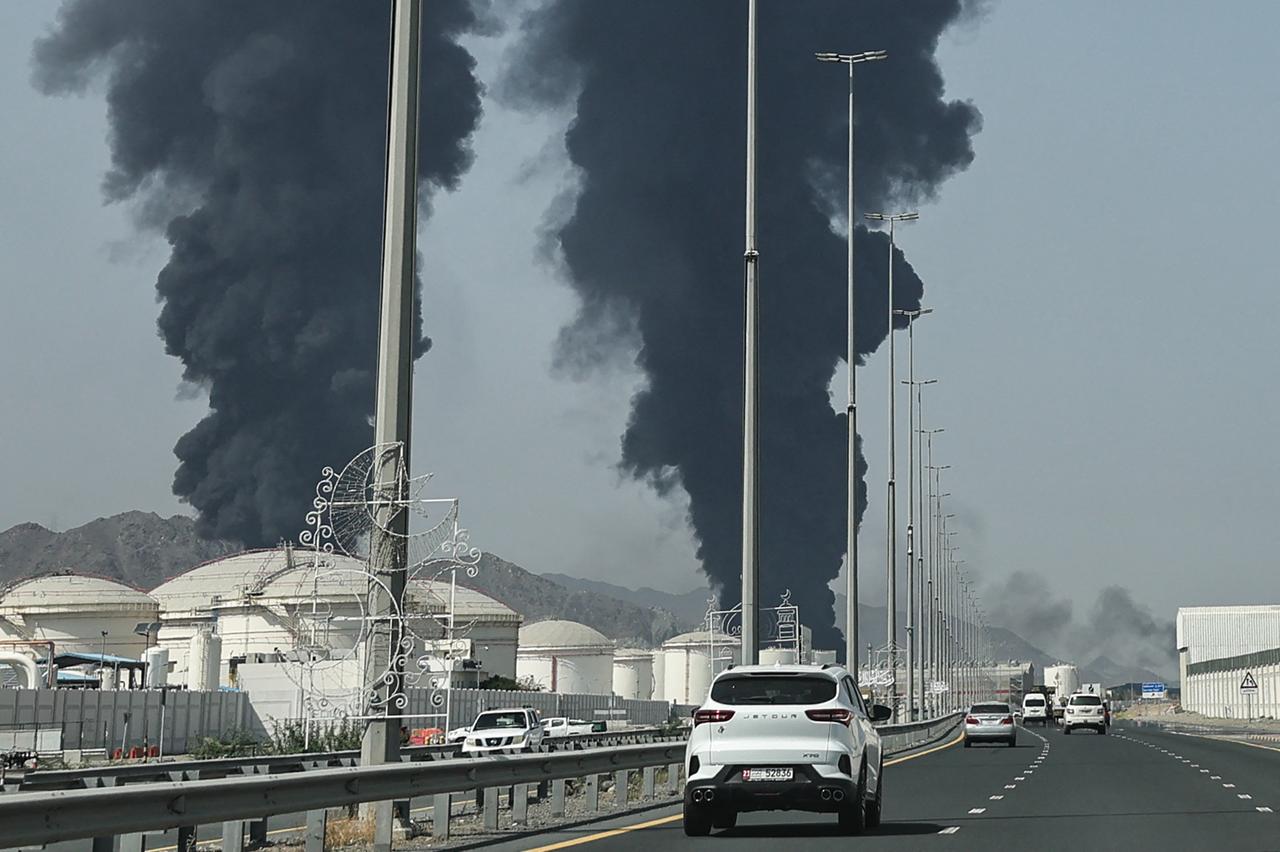
"Unfortunately, the U.S. is abusing this situation. There are even images showing missiles being fired from desert areas in the Gulf toward Iran. We do not doubt that the U.S. is using various military facilities in the region to attack Iran," he said.
He said Iran's president has expressed sadness over the possibility that regional peoples could be harmed.
"It was also said: if the misuse of these bases stops, Iran will have no reason to continue these actions. But unfortunately, in recent days we have seen an increase in the use of U.S. bases for attacks on Iran," Baqaei said.


 Set as preferred source
 Set as preferred source


 1 min read
 1 min read


