Newsletters




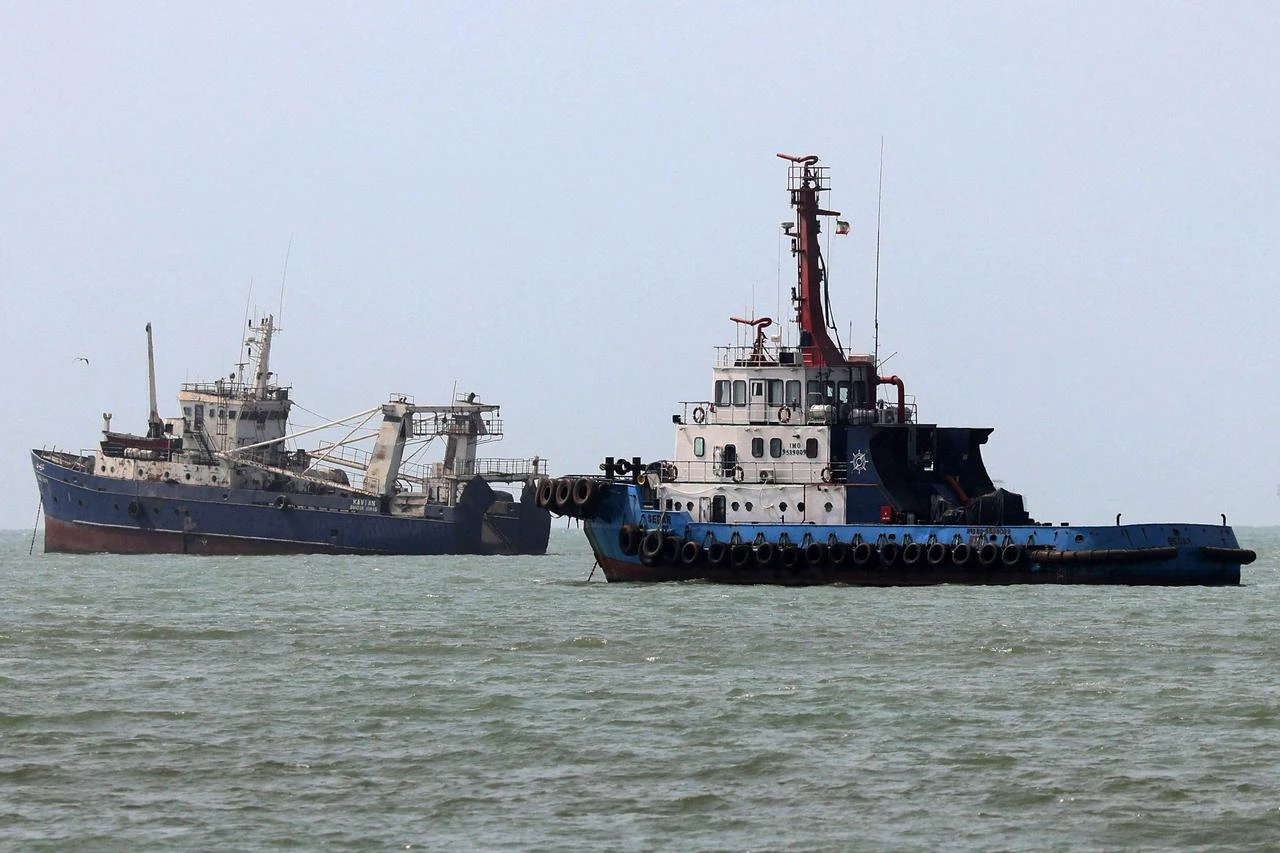
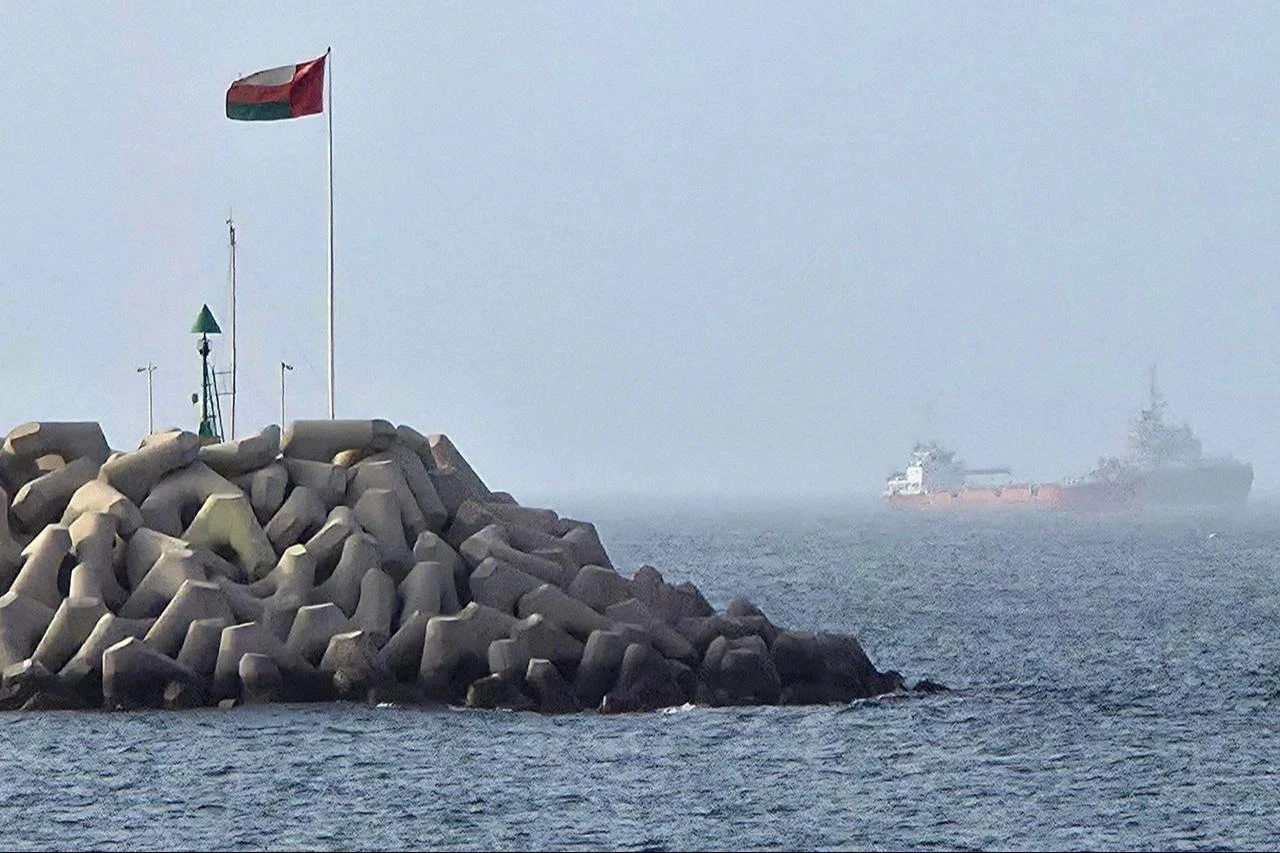
Iran's Islamic Revolutionary Guard Corps (IRGC) intercepted three oil tankers in the Strait of Hormuz early Wednesday after accusing the vessels of ignoring its warnings, as Tehran remains at odds with Oman over its latest proposal to manage the strategic waterway jointly.
The IRGC announced that its navy had "targeted and stopped" the tankers a few hours earlier but did not identify the vessels, disclose their ownership or location, or explain the nature of the alleged violations.
"The IRGC Navy once again warns that the illegal interventions and orders of the U.S., a child-killing army, will not go unanswered by vessels in the region," the force said in a statement.
The interception comes as Iran and Oman remain deadlocked over the future administration of the Strait of Hormuz, after a U.S.-Iran memorandum signed in June briefly restored commercial shipping and paused hostilities, only for disputes over control of the strategic waterway to reignite tensions.
Since then, Iran has pushed for greater authority over shipping routes, rejecting the long-standing Traffic Separation Scheme that runs mostly through Omani waters.
Oman has proposed retaining the existing navigation system under joint regional management, including an equal division of temporary transit routes between the two countries.
Tehran has instead demanded that one shipping lane pass entirely through Iranian waters and part of the second route also remain under Iranian control, while opposing any foreign naval or mine-clearing operations without its approval.
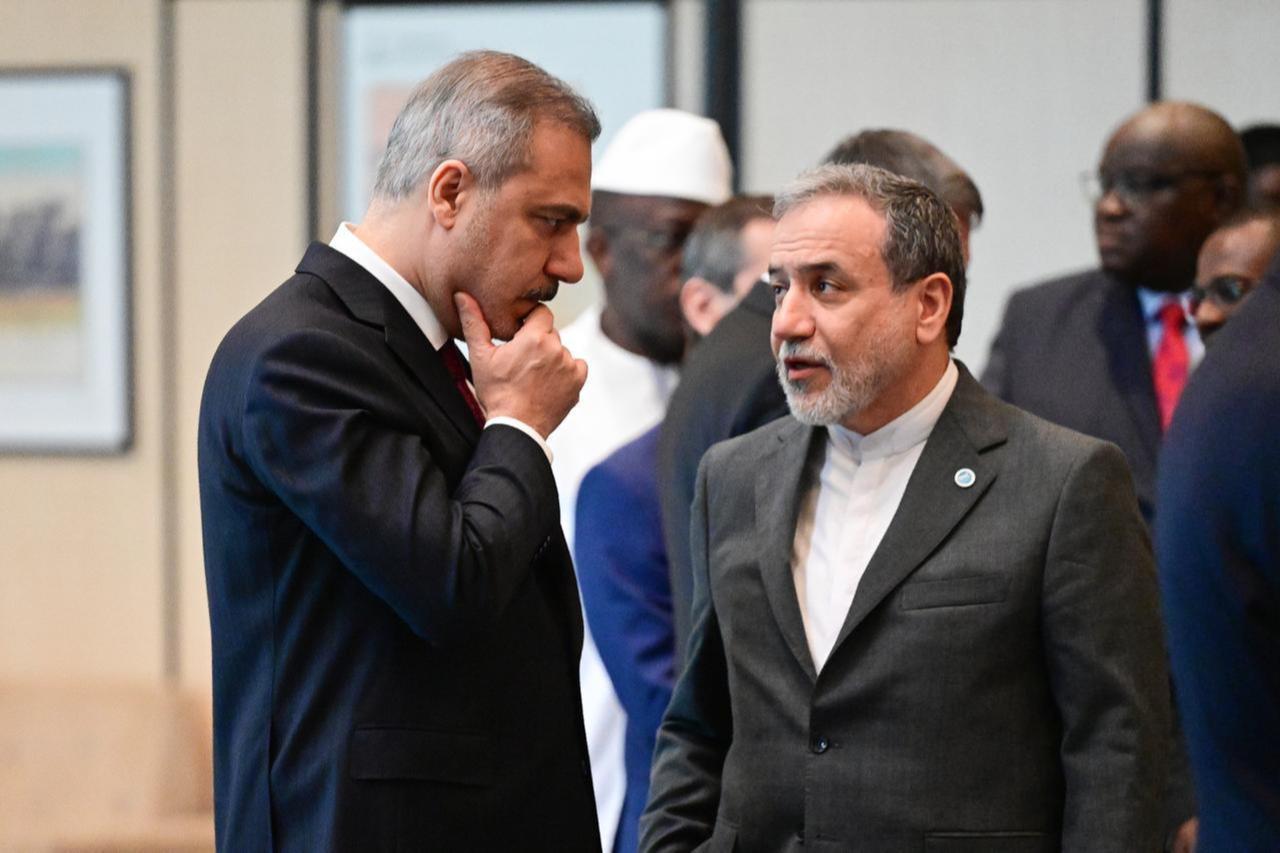
Iranian Deputy Foreign Minister Kazem Gharibabadi said Tuesday that Oman's latest proposal would divide a temporary shipping route equally between the two countries, with 50% under Iranian control and 50% under Omani control.
"Our proposal is that one shipping lane through the strait must be entirely under Iran's control, with part of the other lane also under Iranian control. This is our definitive position, and Iran will accept no other formula," Gharibabadi said.
He added that Tehran rejected Oman's 50-50 proposal and warned that if Muscat does not accept Iran's counteroffer, the Strait of Hormuz will remain closed. He also said Iran is prepared for the possibility of renewed conflict.

Gharibabadi argued that Article 5 of last month's memorandum with the U.S. grants Iran sole authority to determine navigation arrangements, mine-clearing operations and security measures in the strait during the implementation period.
He accused Washington of breaching the agreement by working with Oman to direct commercial shipping through an alternative southern route instead of the northern passage favored by Tehran.
"If we had remained silent in the face of bypassing the northern route, Iran's effective sovereignty over the Strait of Hormuz would have become an illusion," he said.
He added that Iran "will not recognize the southern route even for one hour," arguing that continued use of that passage triggered the latest round of hostilities.
Gharibabadi said the Strait of Hormuz "will never return to its pre-war arrangements," calling that a definitive state policy.
Negotiations with Oman are continuing while the Strait of Hormuz remains closed, he added, and reopening will only take place once the two sides reach an agreement.
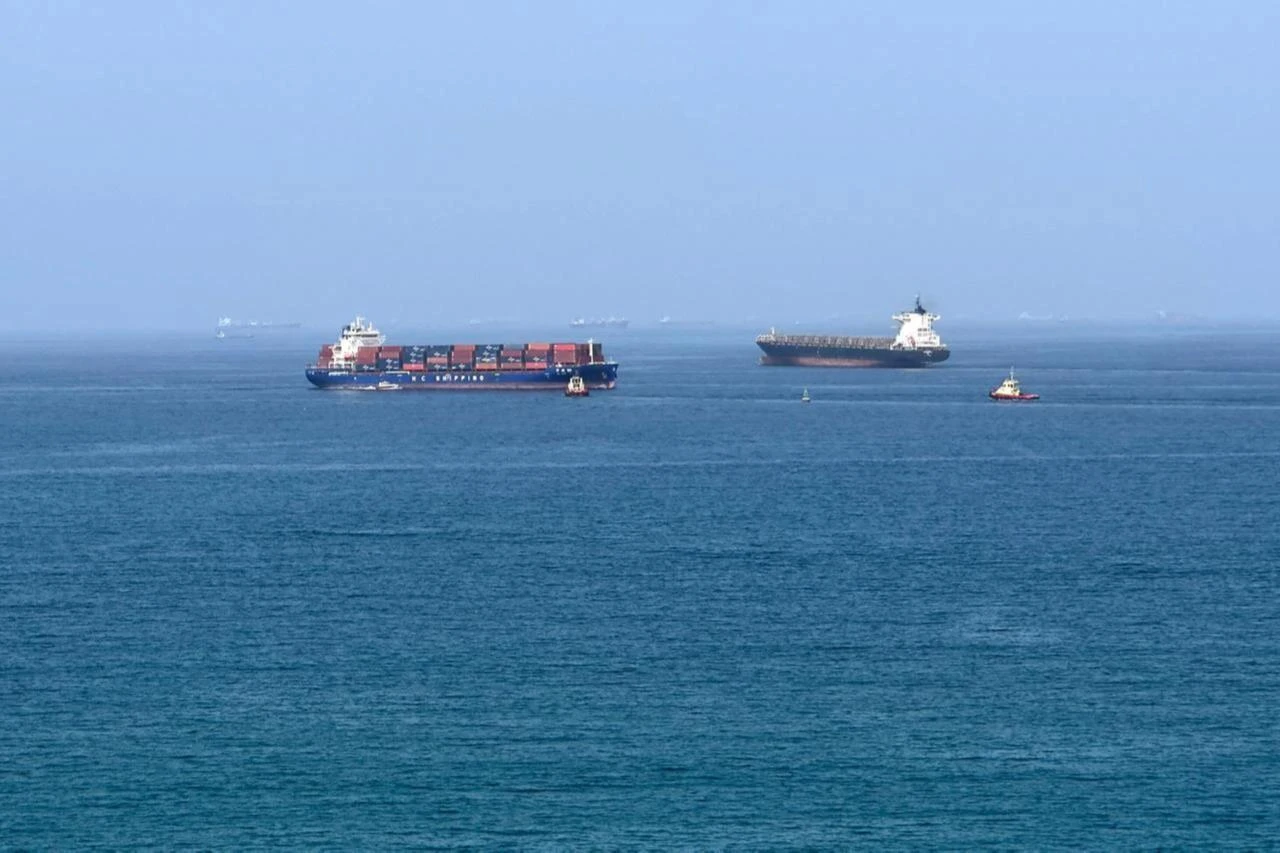
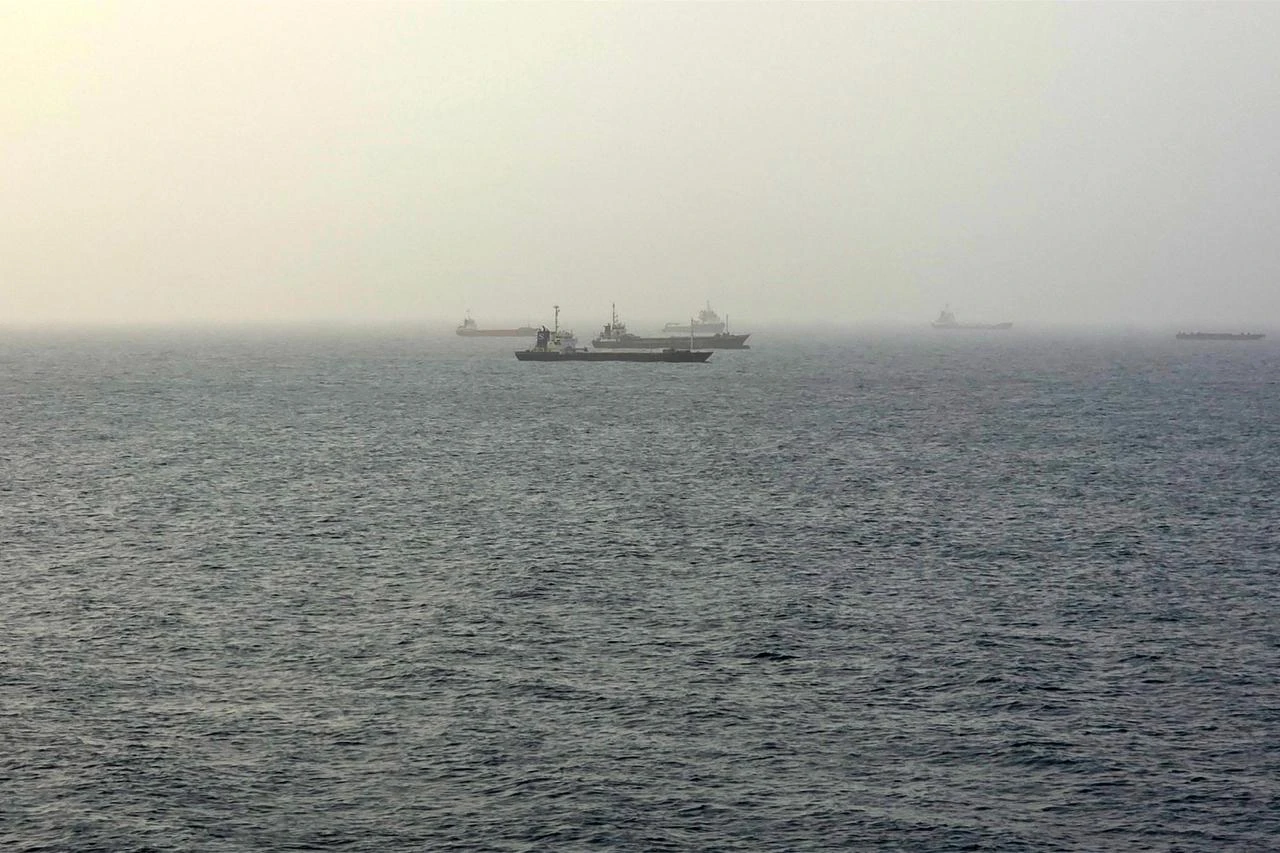
Amid the dispute and renewed tensions with the U.S, shipping traffic through the Strait of Hormuz remains well below its pre-war daily average of around 100 vessels. Only 11 ships transited the strait on July 26, bringing total crossings between July 24 and July 26 to 29, according to MarineTraffic.


 Set as preferred source
 Set as preferred source


 1 min read
 1 min read