Newsletters


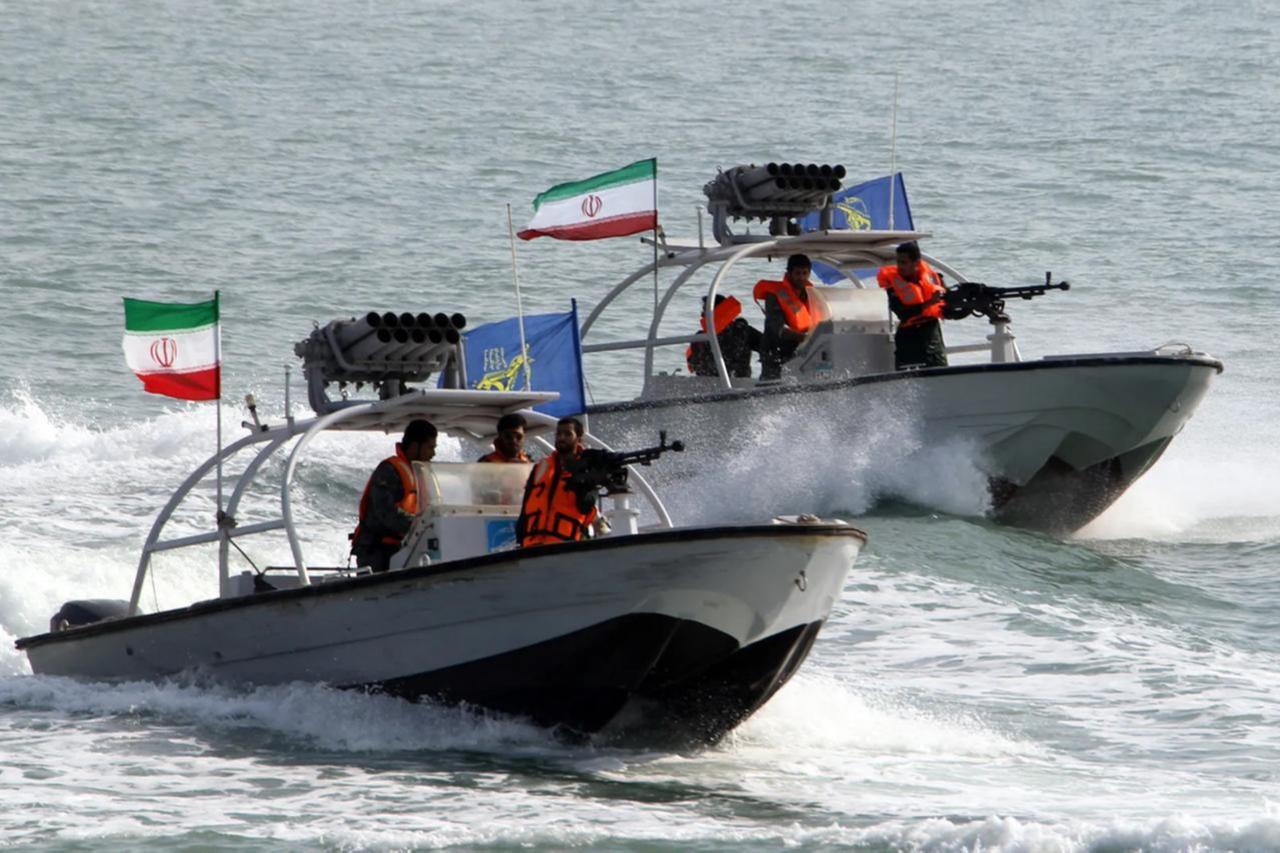


Iran’s Khatam al-Anbiya Central Headquarters claimed Thursday that it had laid additional naval mines in the Strait of Hormuz, while the Persian Gulf Strait Administration (PGSA) announced that it had blacklisted 11 more ships for violating its rules.
Ebrahim Zolfaghari, spokesperson for Khatam al-Anbiya, wrote on X that an overnight operation was conducted to lay the mines along "illicit routes" south of the Strait of Hormuz.
Iran has designated the southern route through the Strait of Hormuz, which runs along Oman’s coast, as an unauthorized route and has objected to vessels using it.
The corridor was established by Oman and the International Maritime Organization (IMO) after the June 17 memorandum of understanding between Iran and the U.S., with Washington backing the route as an alternative passage for commercial shipping.
U.S. CENTCOM had previously declared that all sea mines had been cleared from transit routes and rejected reports of tankers hitting mines as disinformation. Trump had also said that all mines had been removed from the strait and warned of a "zero tolerance policy" on new mine placement.
Zolfaghari also mocked U.S. President Donald Trump’s suggestion to rename the waterway the "Trump Strait," claiming that the U.S. could only "rename the Strait using Photoshop."
He added that Washington could "use Photoshop to get the oil tankers through" the passage.
U.S. Energy Secretary Chris Wright and Treasury Secretary Scott Bessent claimed Monday that more than 17 million barrels of oil moved through the waterway.
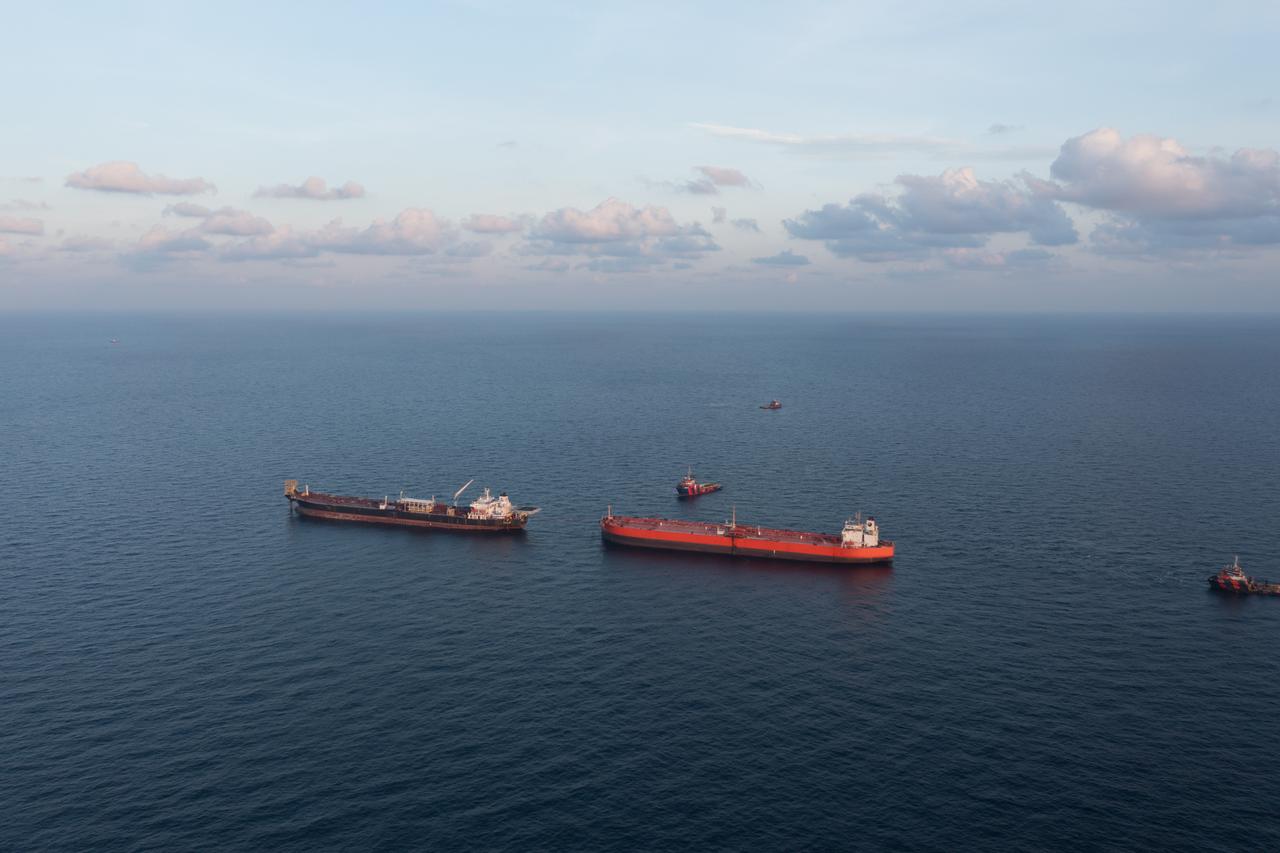
A CNN report on Wednesday said U.S. forces escorted 40 commercial vessels carrying 18 million barrels of oil through the Strait of Hormuz on Tuesday, marking a wartime high.
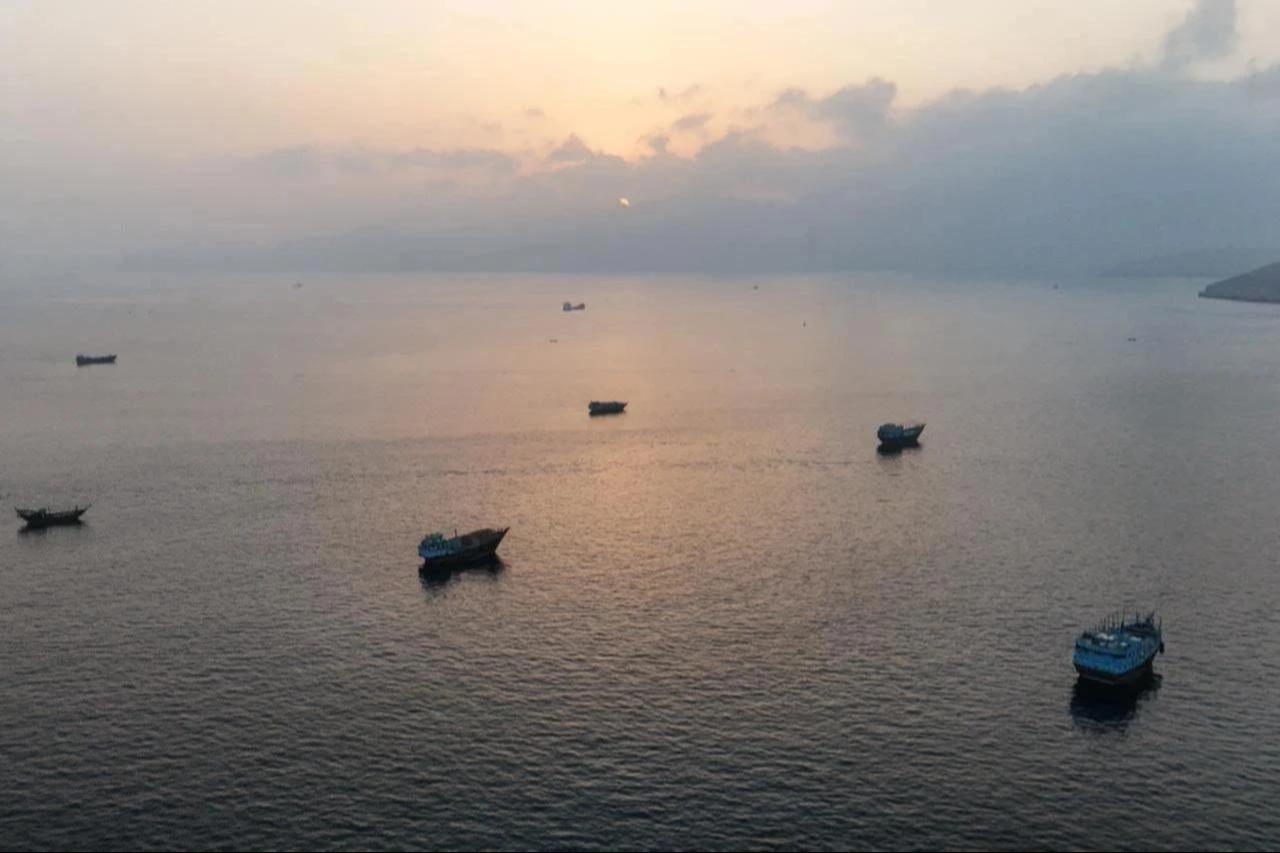

Meanwhile, PGSA’s latest additions brought the total number of blacklisted vessels to 56, including LNG, LPG, and crude oil tankers linked to UAE-based ADNOC Logistics, its subsidiary Navig8, and Saudi Arabia’s Bahri. Two ships linked to China were also on the list.
The authority warned that ships violating Iranian protocols could face fines, detention, or seizure during future passages, while vessels cooperating with ships already on the blacklist could themselves be added to the list.
Iran had previously blacklisted 45 tankers on Aug. 24 for violating navigation rules in the Strait of Hormuz.
The Persian Gulf Strait Authority (PGSA), an Iranian government body established to regulate maritime traffic through the Strait of Hormuz, has been used by Tehran to set transit rules that are not internationally recognized.


 Set as preferred source
 Set as preferred source


 1 min read
 1 min read