Newsletters


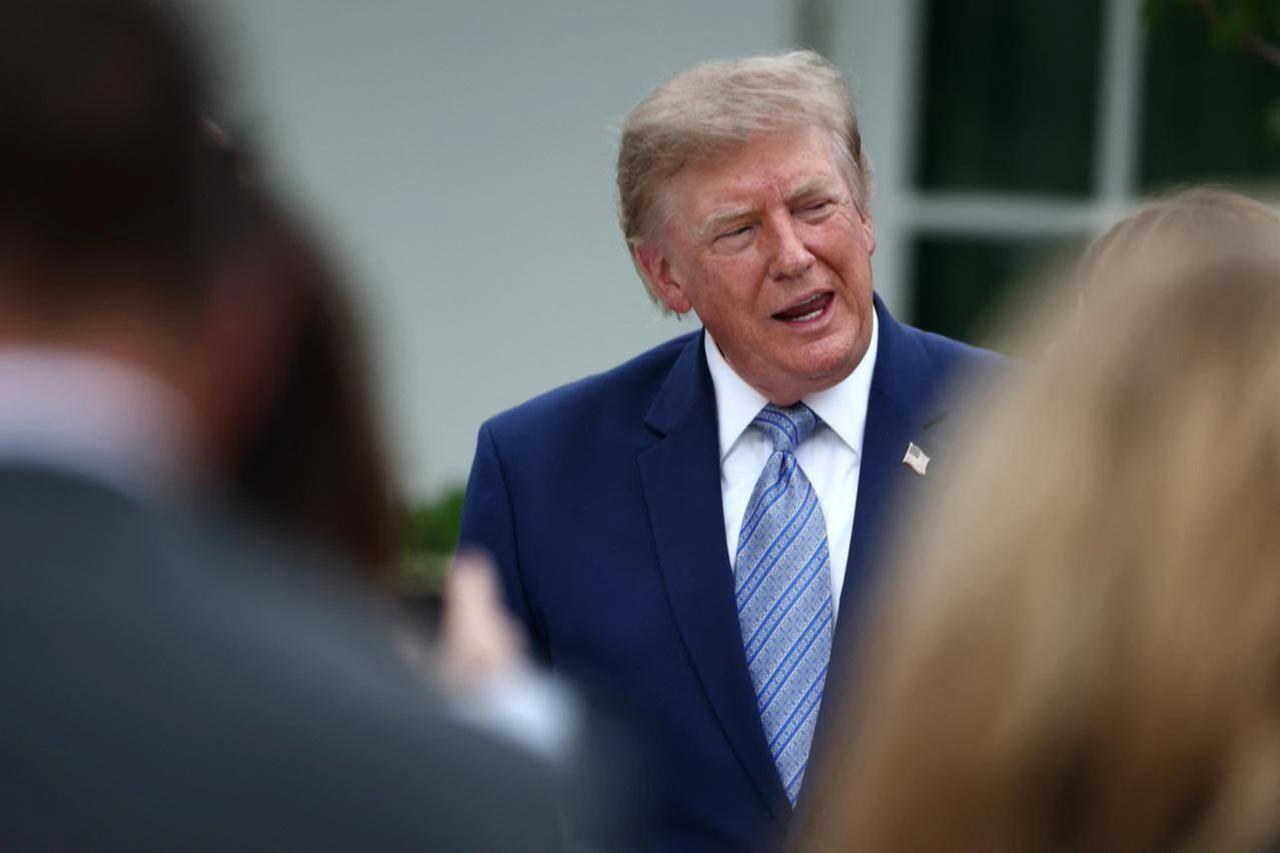


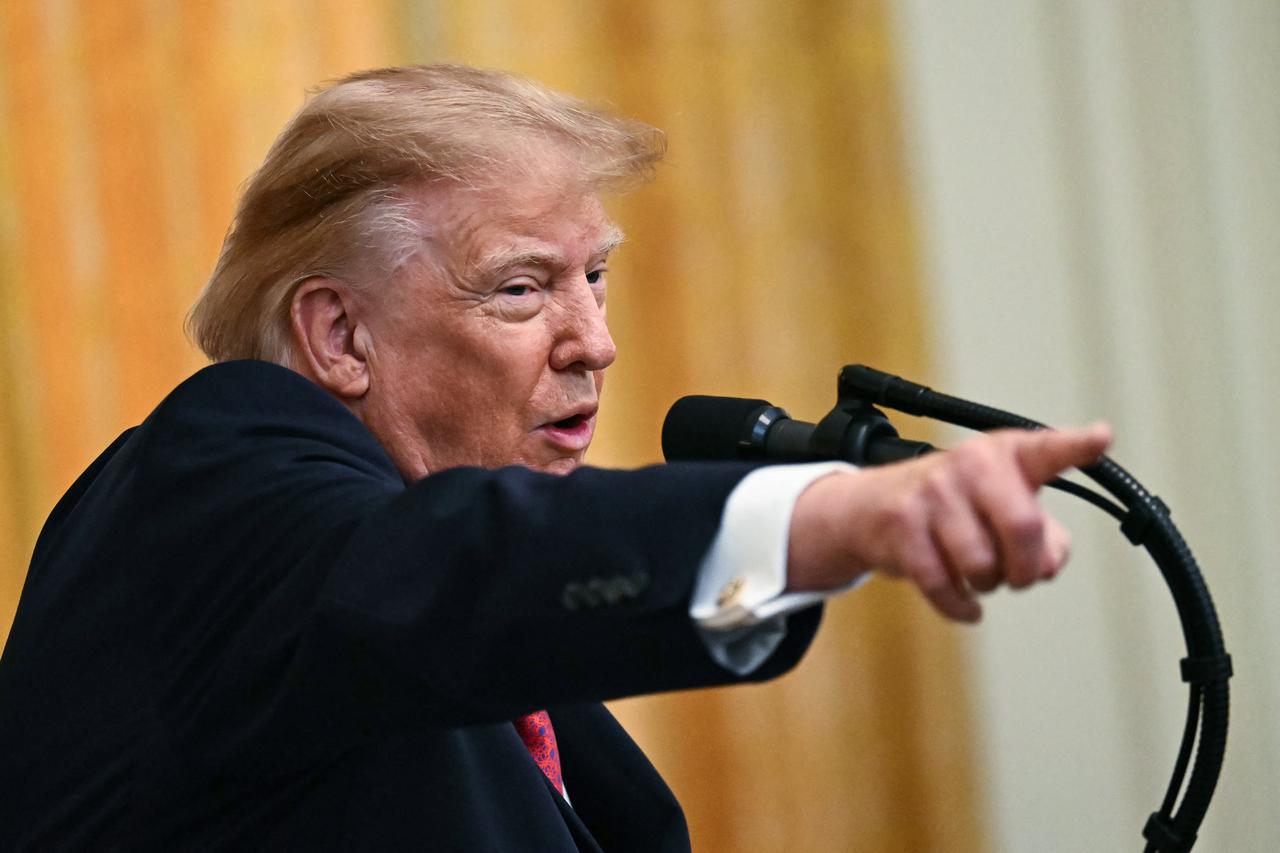
U.S. President Donald Trump said Wednesday that Iran must never be permitted to acquire a nuclear weapon, crediting American airstrikes carried out a year ago with halting Tehran's atomic program shortly before completion, and asserting that US forces now control the Strait of Hormuz.
Speaking in a phone interview published Wednesday, Trump said that without last year's military action, Iran would already possess a nuclear weapon. "If we didn't send in the B-2 bombers a year ago to blow up their nuclear capacity, you know ... they were two weeks away from having a nuclear weapon," he said.
The president argued that an Iranian nuclear weapon would have produced catastrophic consequences for the region and beyond, saying it would have led to the destruction of Israel and the wider Middle East, and warning that Iran would strike US cities because "they're crazy."
Trump also addressed the current state of strikes against Iran, saying US and allied forces are "just annihilating them," while reiterating what he described as a non-negotiable position. "Iran cannot have a nuclear weapon," he said.
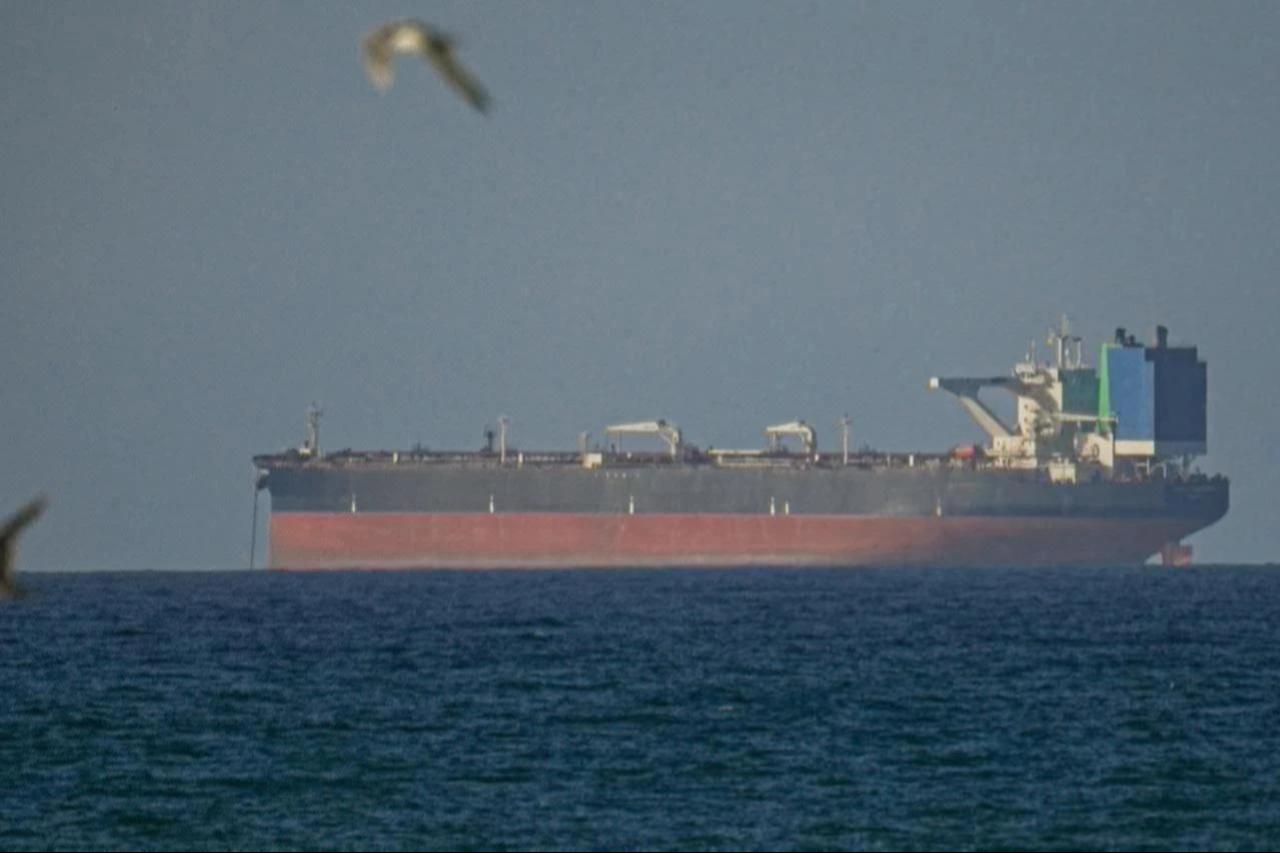

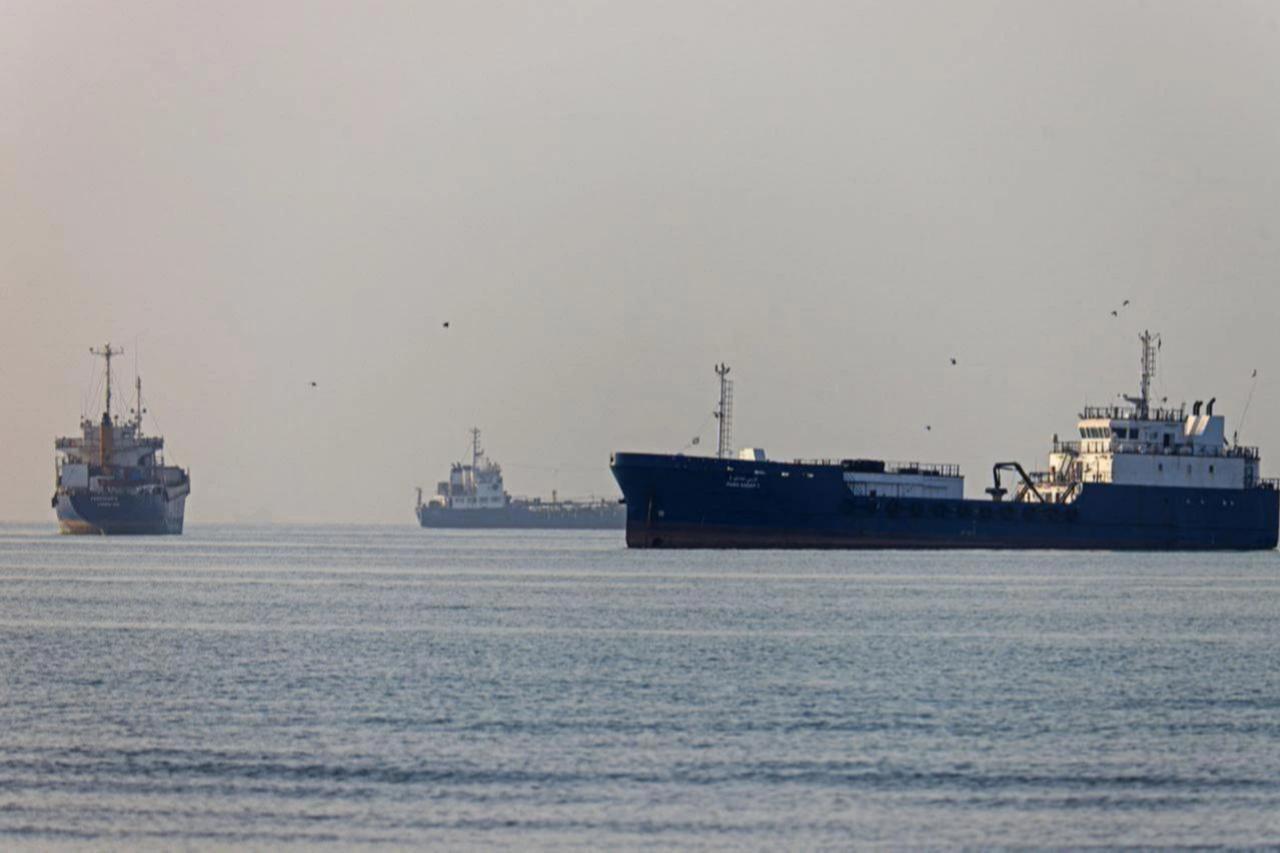
Trump said US forces have taken control of the Strait of Hormuz, a narrow passage between Iran and the Arabian Peninsula that has historically served as one of the world's most important oil transit routes. "We now control the Strait of Hormuz. We control it. Last night, we took out 28 boats, 28 ships. We control it. They get nothing, and we took out ships," he said.
The claim came against a backdrop of escalating regional conflict. US and Israeli forces began attacks on Iran on Feb. 28, and Tehran has responded with missile and drone strikes against Israel and American interests across the region.
Washington and Tehran signed a memorandum of understanding on June 18 addressing freedom of navigation through the strait, though implementation has stalled amid disagreements over security arrangements there.
In a separate post on Truth Social Wednesday, Trump proposed renaming the Strait of Hormuz "Trump Strait." "Now that we have it under U.S.A. control, should we change the name Hormuz Strait to TRUMP STRAIT???" he wrote, adding that the name, "like America itself, it would be 'hotter' than ever before."
It was not immediately clear how such a change might be implemented for a waterway located far from US territory. The proposal followed a similar move less than a week earlier, when Trump signed an executive order renaming Lake Ontario "Lake America," directing the Interior Department to update federal geographic naming records.
Canada rejected that change, though Google and Apple subsequently updated their mapping platforms to reflect it. Earlier in his second term, Trump had also declared the Gulf of Mexico renamed the Gulf of America, a change rejected by Mexico and other governments.
Before the war began in late February, the Strait of Hormuz carried roughly one-fifth of global oil trade, moving about 20 million barrels of crude and refined products per day. Transits through the strait remain well below that prewar level, and ship-tracking data indicates volumes have fallen further in recent days as military strikes resumed following a weekslong pause.
The Trump administration maintains that total oil exports from the broader region now exceed prewar levels when pipeline exports from Saudi Arabia and the United Arab Emirates, which bypass the strait entirely, are included in the total. US Energy Secretary Chris Wright told CNBC on Wednesday that more than 17 million barrels of oil moved through the strait on Monday, which he described as a new wartime record.


 Set as preferred source
 Set as preferred source


 1 min read
 1 min read