Newsletters




Iranian officials signaled Tuesday that Tehran will not return to negotiations with the U.S. unless a set of conditions is met, while lawmakers also reaffirmed support for the country’s uranium enrichment program.
The conditions reportedly include ending the conflict across all fronts, particularly in Lebanon, lifting sanctions on Iran, releasing frozen Iranian assets, compensating Tehran for war-related damage and recognizing Iran’s sovereignty rights over the Strait of Hormuz.
Tehran set these terms as trust-building conditions before entering a second round of talks with Washington, an Iranian official told Fars News Agency.
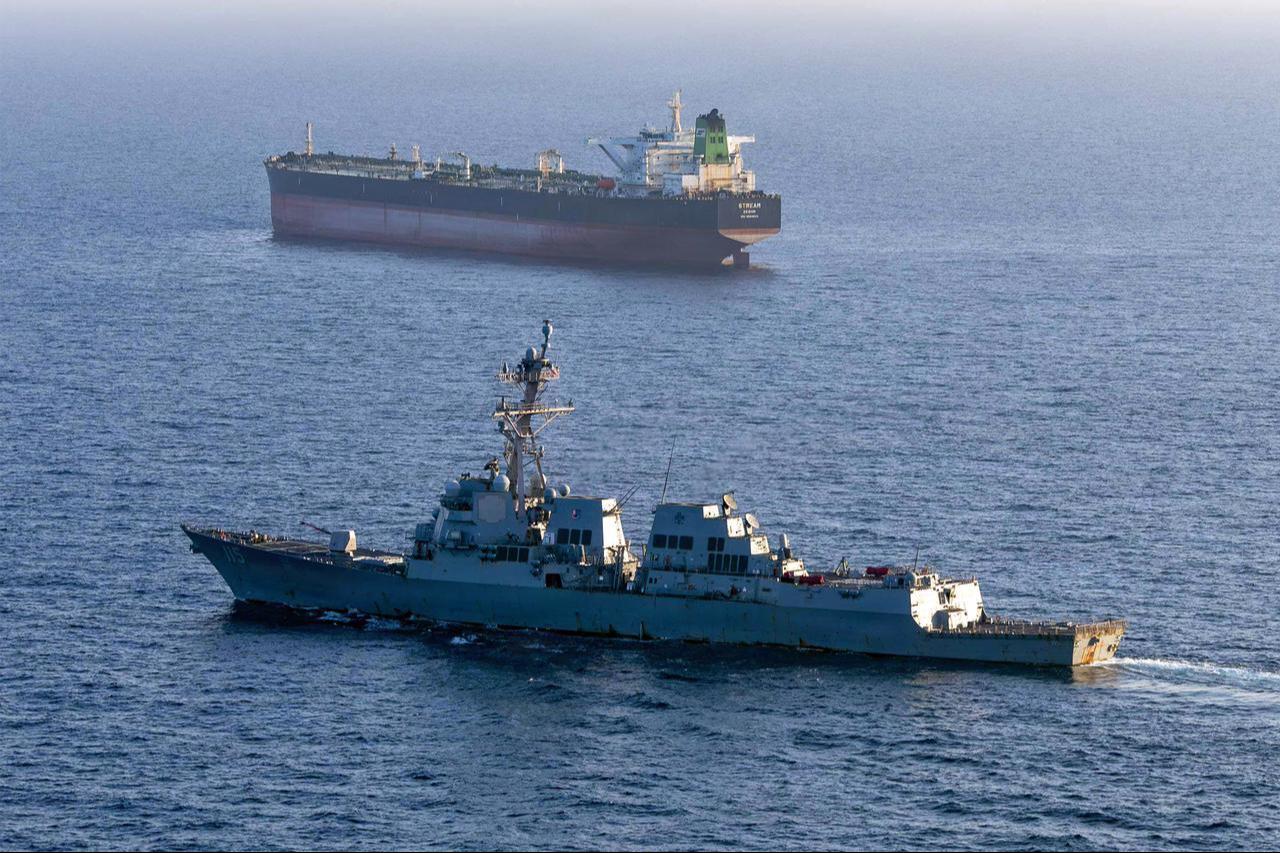
The report also claimed Iranian officials informed Pakistani mediators that the continued U.S. naval blockade in the Arabian Sea and Gulf of Oman after the ceasefire further deepened Tehran’s distrust toward future negotiations.
It also described the conditions as minimum guarantees required to restart diplomacy and argued that Washington’s 14-point proposal was "completely one-sided."

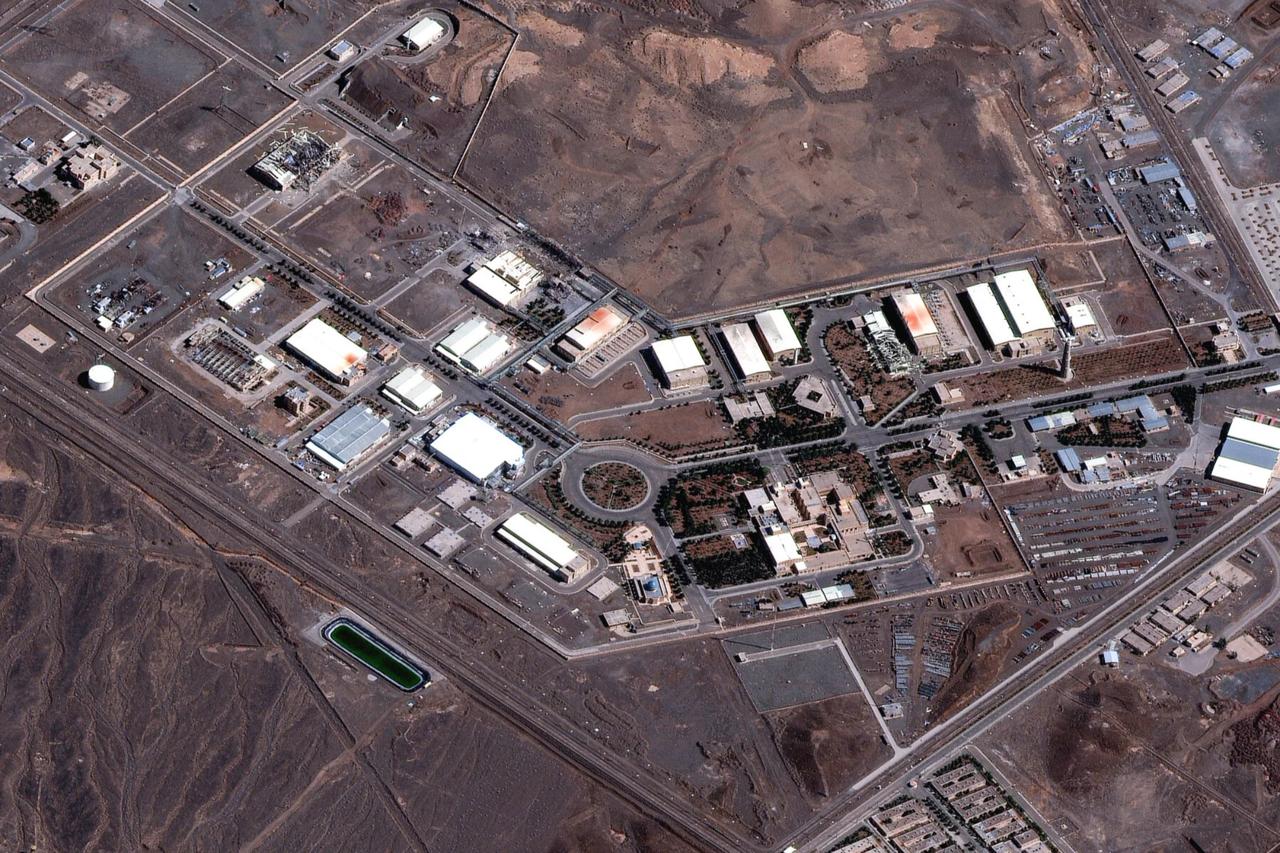
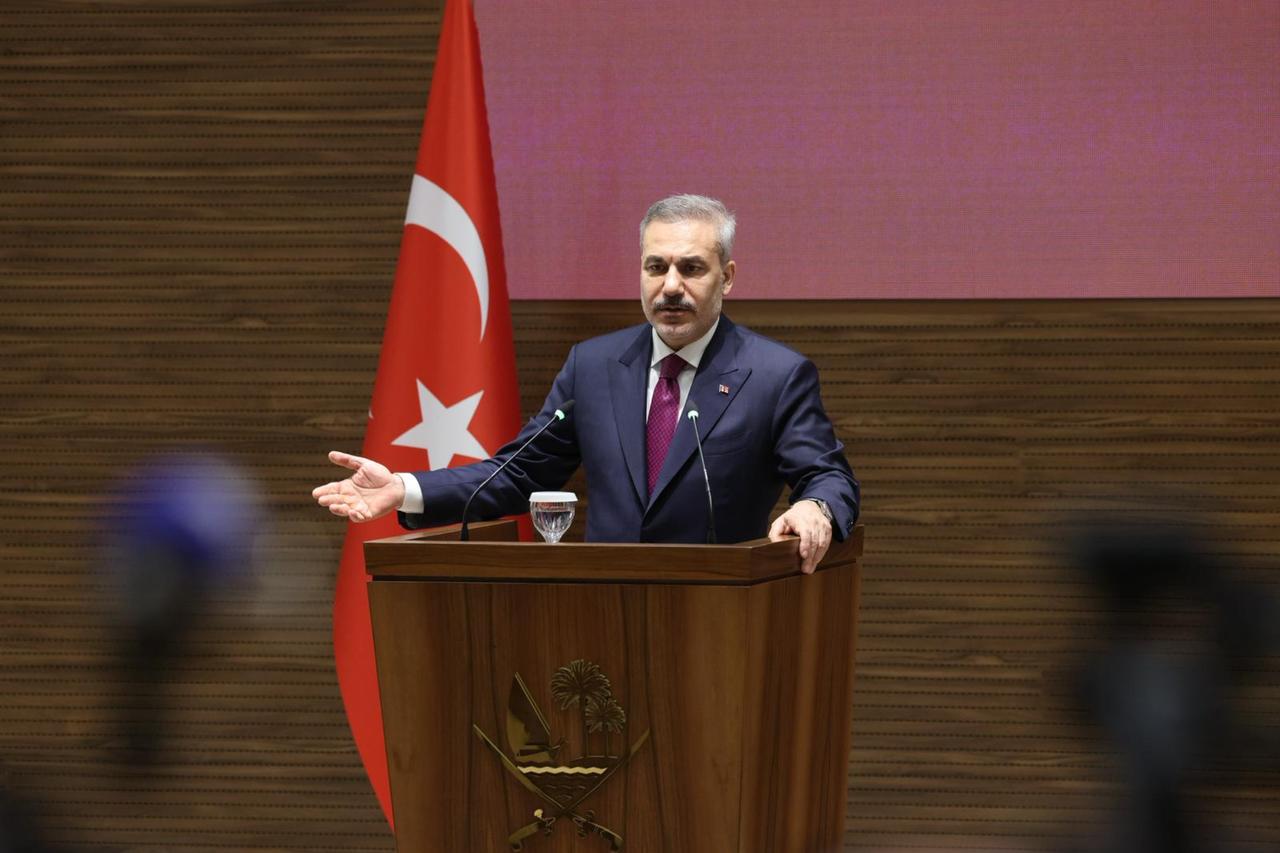
Meanwhile, Ebrahim Azizi, head of the Iranian Parliament’s National Security and Foreign Policy Commission, said there was broad agreement inside the country on preserving Iran’s right to enrich uranium.
In a post on X, Azizi said Mohammad Eslami, head of the Atomic Energy Organization of Iran, attended a parliamentary commission session and presented a report on the country’s nuclear activities.
"The report presented by the head of the Atomic Energy Organization showed that our beloved Iran stands strong and powerful," Azizi wrote, adding that officials agreed Iran’s uranium enrichment rights "must be preserved."
The statement came after Azizi earlier said the same day that Iran could enrich uranium to 90% purity, the level needed for nuclear weapons, if U.S. and Israeli attacks resume.
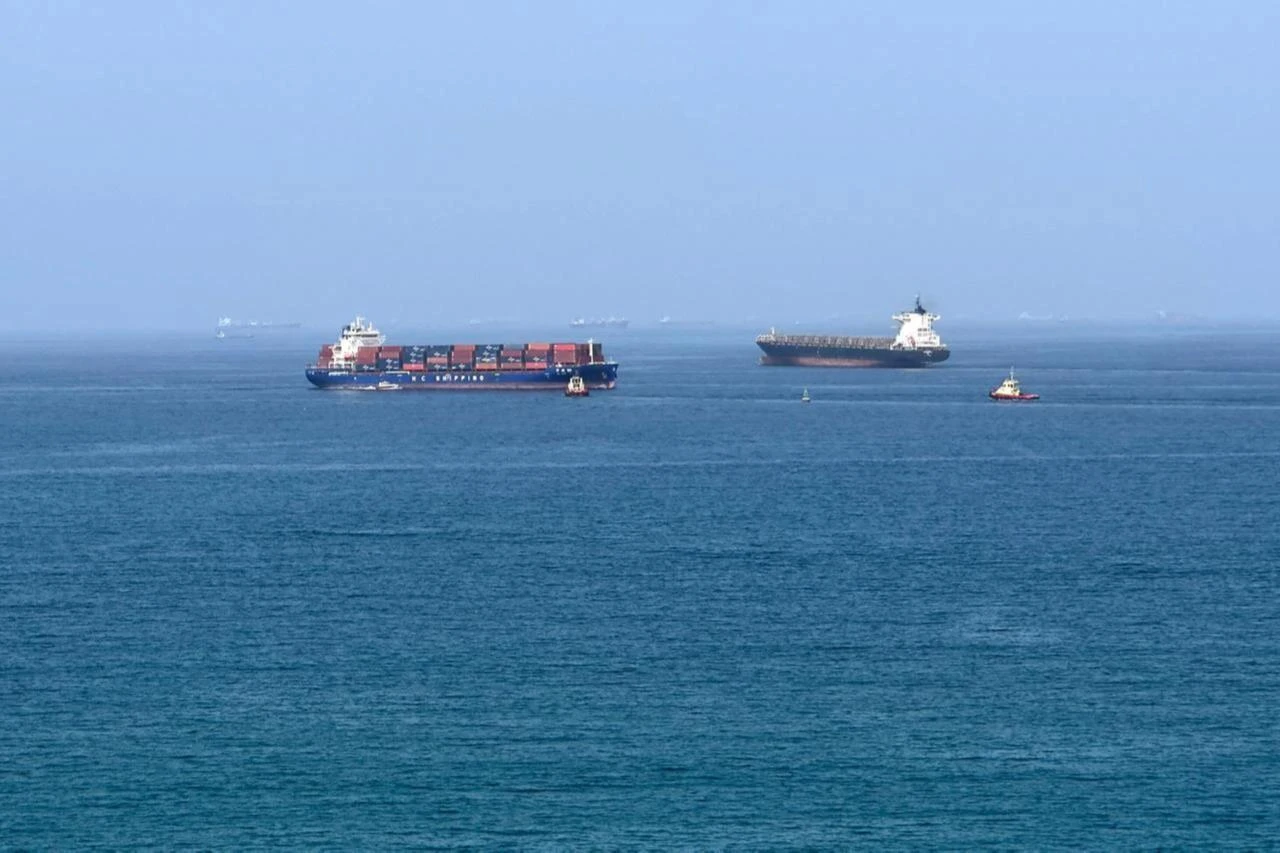
The United States and Israel launched strikes against Iran on Feb. 28, prompting retaliatory attacks by Tehran against Israel and U.S. allies in the Gulf region, alongside the closure of the Strait of Hormuz.
A ceasefire brokered through Pakistani mediation took effect on April 8, though talks in Islamabad failed to produce a permanent agreement, prompting U.S. President Donald Trump to extend the truce indefinitely to leave the door open for further negotiations.
Iran later submitted its response on Sunday to a U.S. proposal aimed at restarting talks to end the conflict, but Trump dismissed Tehran’s reply as "totally unacceptable."
Trump also said Tuesday he plans to discuss Iran extensively with Chinese President Xi Jinping during their upcoming two-day summit.
"I don't think we need any help with Iran. We'll win it one way or the other. We'll win it peacefully or otherwise," Trump told reporters.


 Set as preferred source
 Set as preferred source


 1 min read
 1 min read