Newsletters


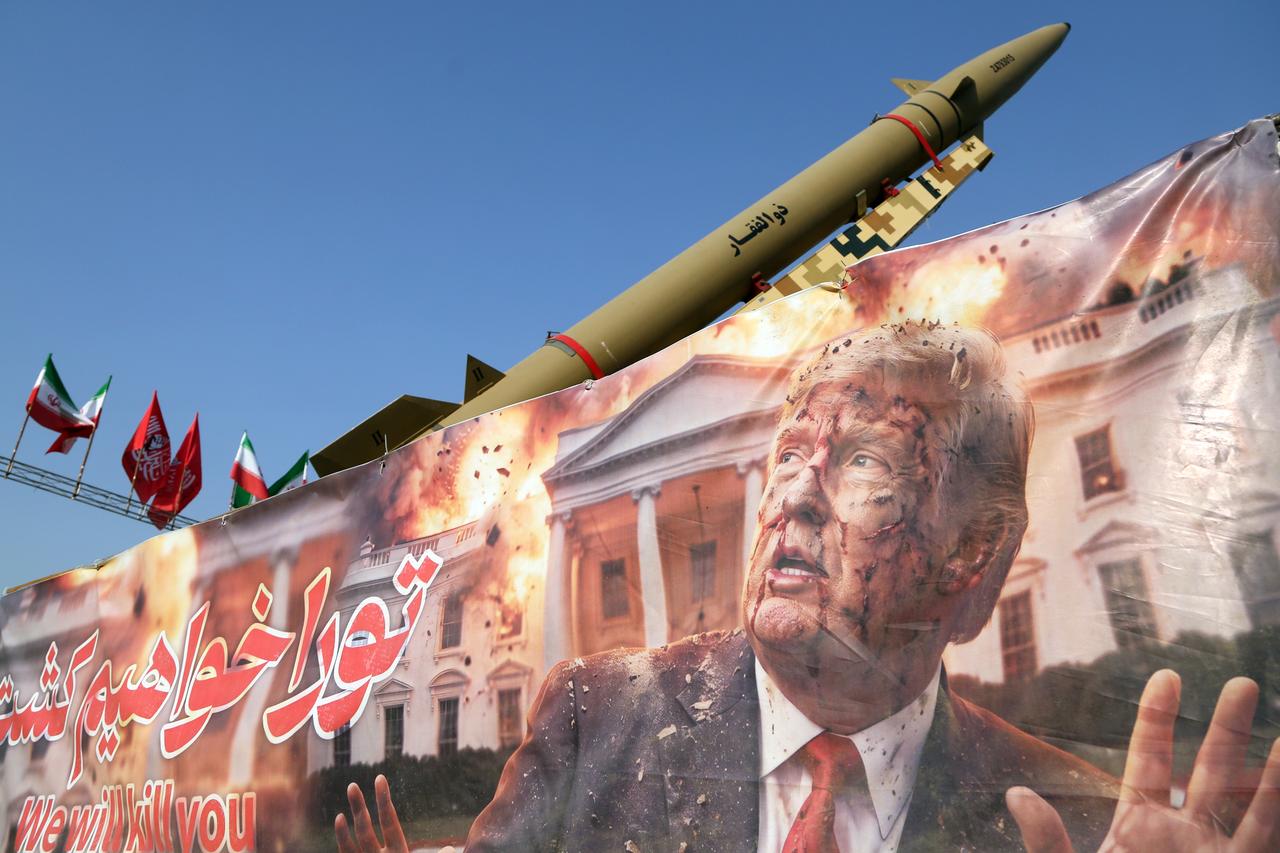


Iran has been gradually shifting its military doctrine toward preemptive attacks since the June 2025 war, an army spokesman said Friday.
“When we face an American threat, we defend ourselves, and international law allows us to defend ourselves preemptively,” Mohammad Akraminia said during a program broadcast by Iran’s state television.
Akraminia said Iranian forces targeted U.S. bases stretching from Jordan to the United Arab Emirates in response to American attacks.
He also claimed Iran had destroyed air defense systems at U.S. bases across the region and warned that Tehran would respond “faster and more forcefully” if it faced another Israeli attack.
“Some of these bases housed radar facilities and air defense systems, which were destroyed,” he said.
“With the destruction of these systems, targeting the occupied territories and the Zionist regime’s bases in the region has become much easier than in the past,” he added.
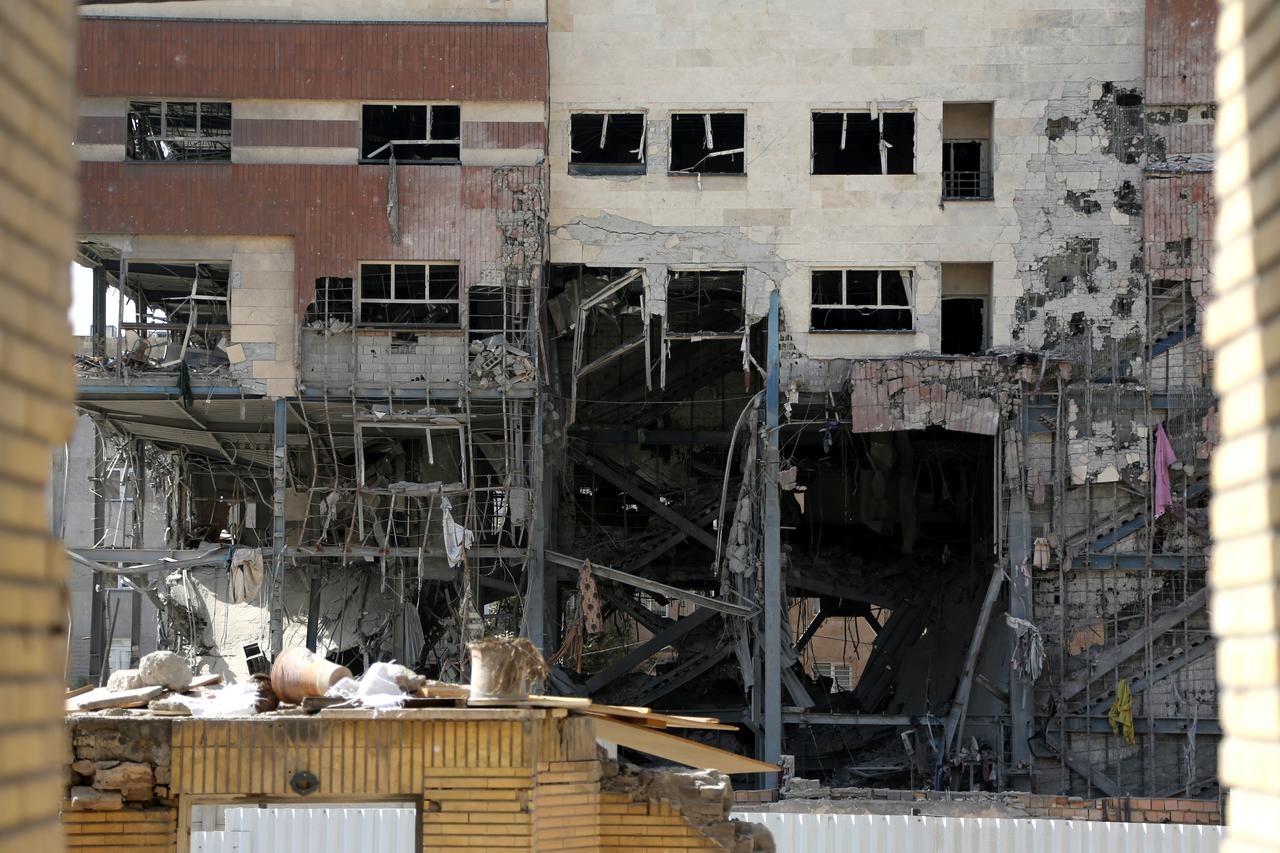

Commenting on Israeli threats against Iran, Akraminia said Israel was currently preoccupied with elections and that Prime Minister Benjamin Netanyahu was making domestically focused statements for electoral purposes.
He said any Israeli attack would be met with strikes carried out “more easily, more quickly and more forcefully.”
On June 13-24, 2025, Israel, with U.S. backing, carried out a military campaign against Iran targeting military infrastructure, missile launch sites and nuclear facilities, while also assassinating senior military commanders and nuclear scientists.
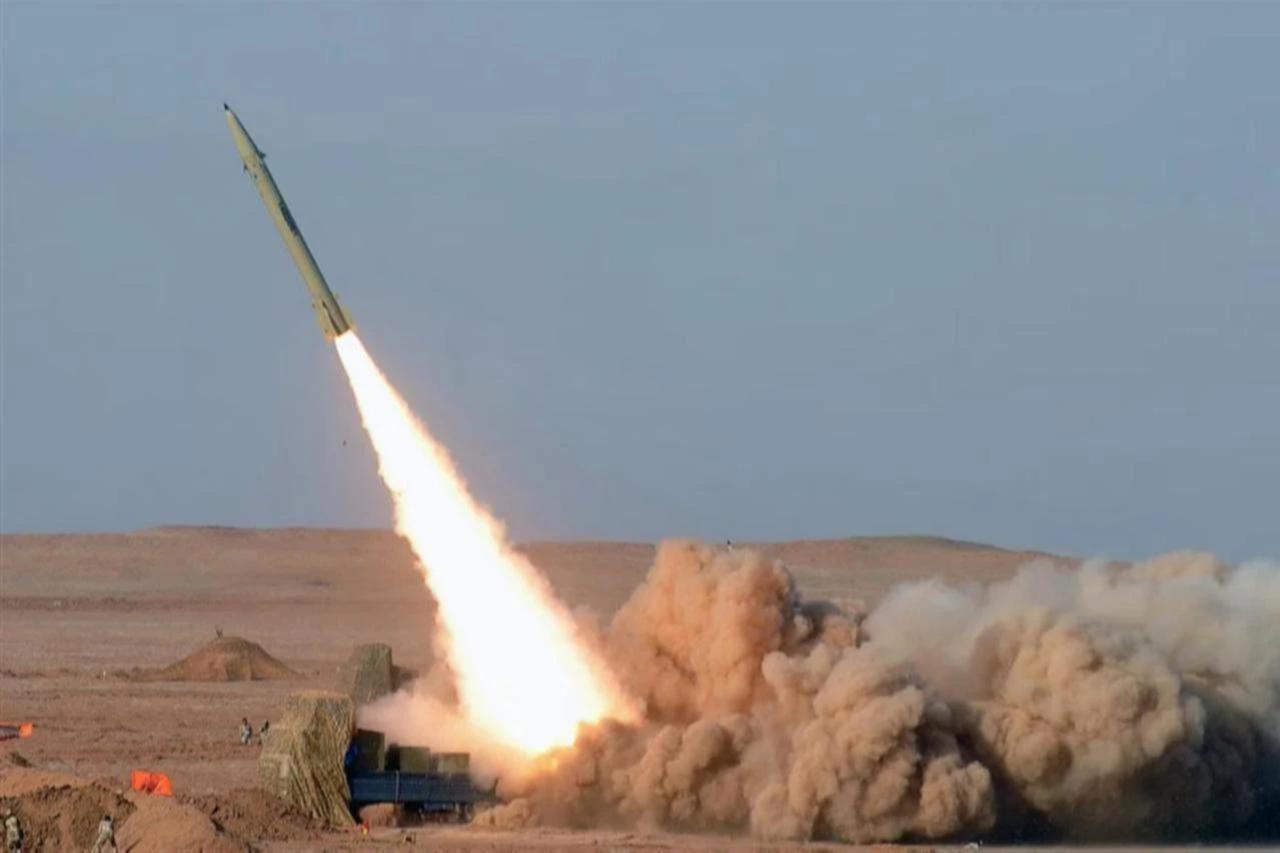
Iran responded by launching more than 550 ballistic missiles and hundreds of drones at Israeli military and intelligence sites.
The 12-day war ended with a cease-fire on June 24.
Regional tensions have escalated since U.S.-Israeli attacks on Iran began on Feb. 28 this year, triggering Tehran’s retaliatory missile and drone attacks against Israel and U.S. interests in countries across the region.
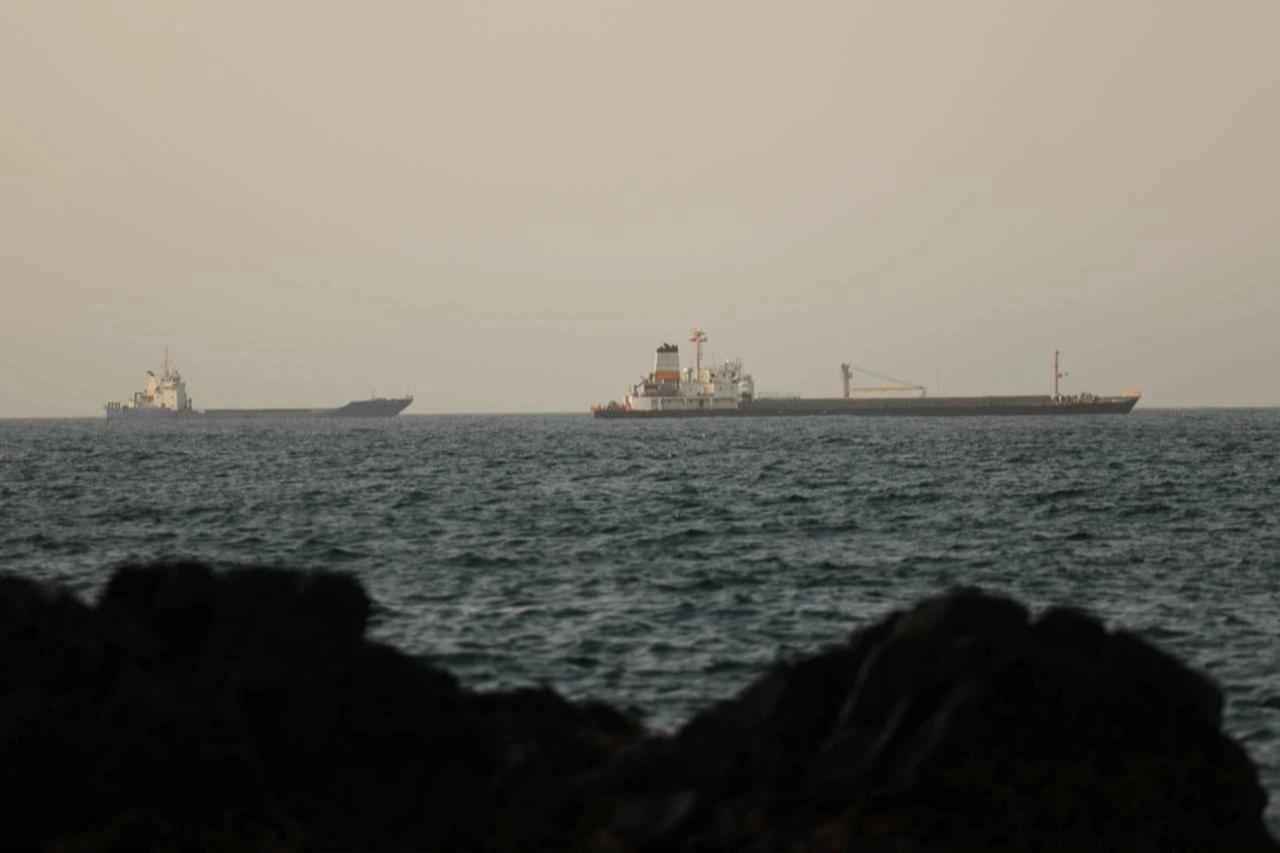
Washington and Tehran signed a memorandum of understanding on June 18 concerning freedom of navigation through the Strait of Hormuz.
Its implementation has stalled amid disagreements over security arrangements in the strait.


 Set as preferred source
 Set as preferred source


 1 min read

 1 min read