

 Newsletters


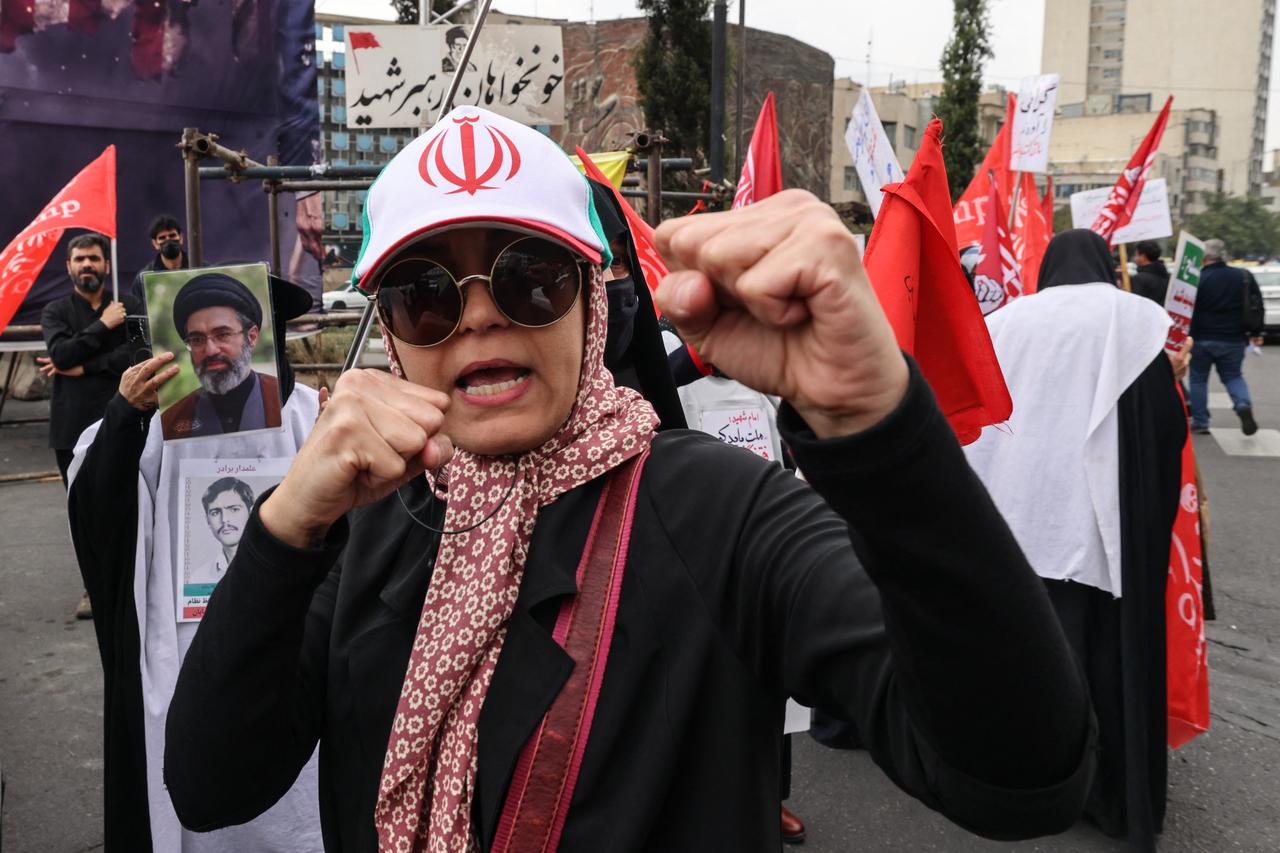


Iran said Saturday that its armed forces were stronger and more prepared than at the beginning of the war with the United States, rejecting President Donald Trump's claims of American control over the Strait of Hormuz as tensions persisted over the strategic waterway.
Iranian army spokesperson Mohammad Akraminia said Tehran retained control of the strait, through which about one-fifth of global oil consumption normally passes, and would not reopen it until Washington met its demands.
"Today, the Islamic Republic's armed forces... having gained experience from direct confrontation with the United States and the Israeli regime, are on higher alert and are stronger than they were at the beginning of the war," Akraminia said, according to state news agency IRNA.
"They now possess greater motivation, commitment, and self-confidence."
The spokesperson also warned that Iran's military would respond to further attacks without geographical restrictions.
"Under the order of the Supreme Leader, the response of the armed forces will be immediate, effective, and without geographical limitations," he added.
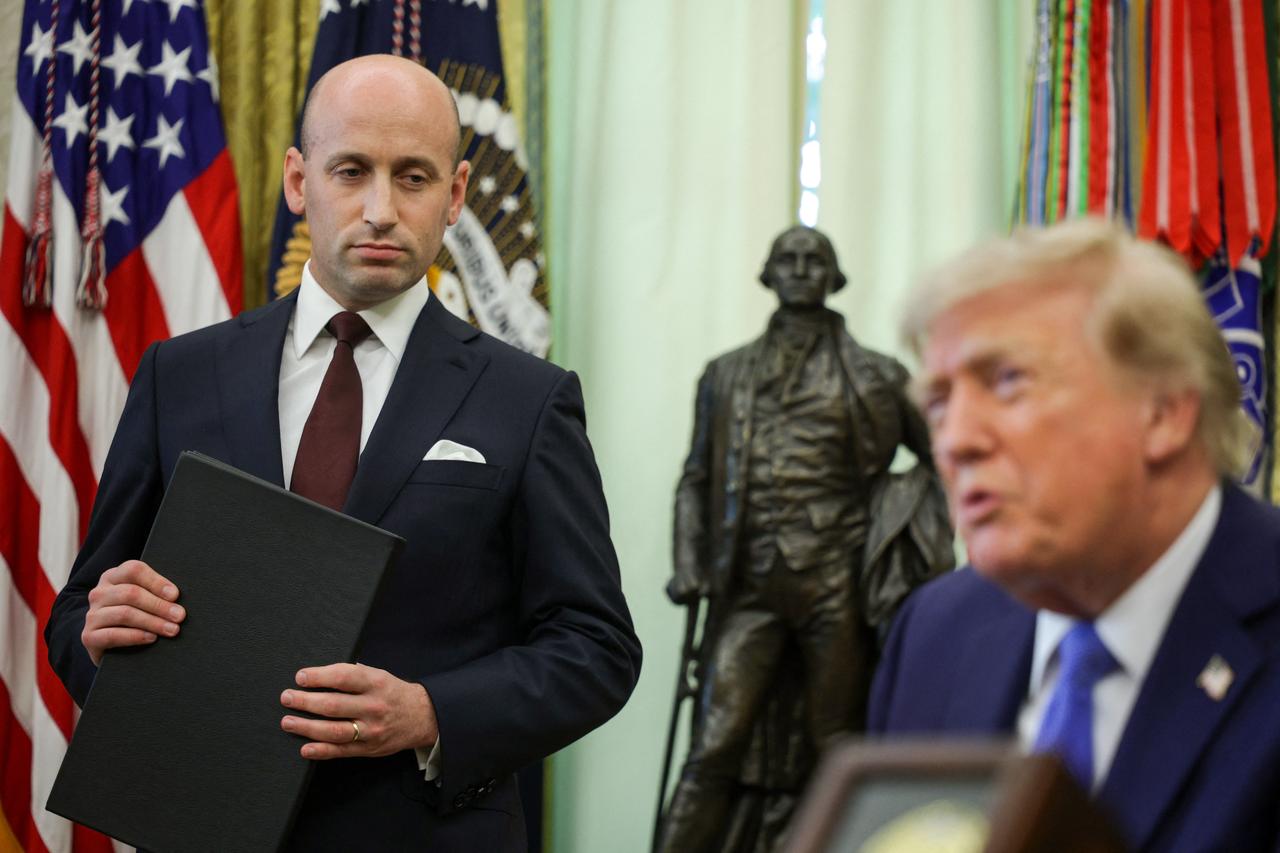
His remarks came a day after Trump suggested that the United States "could be an occupier" in Iran and reiterated his claim that American forces controlled the Strait of Hormuz.
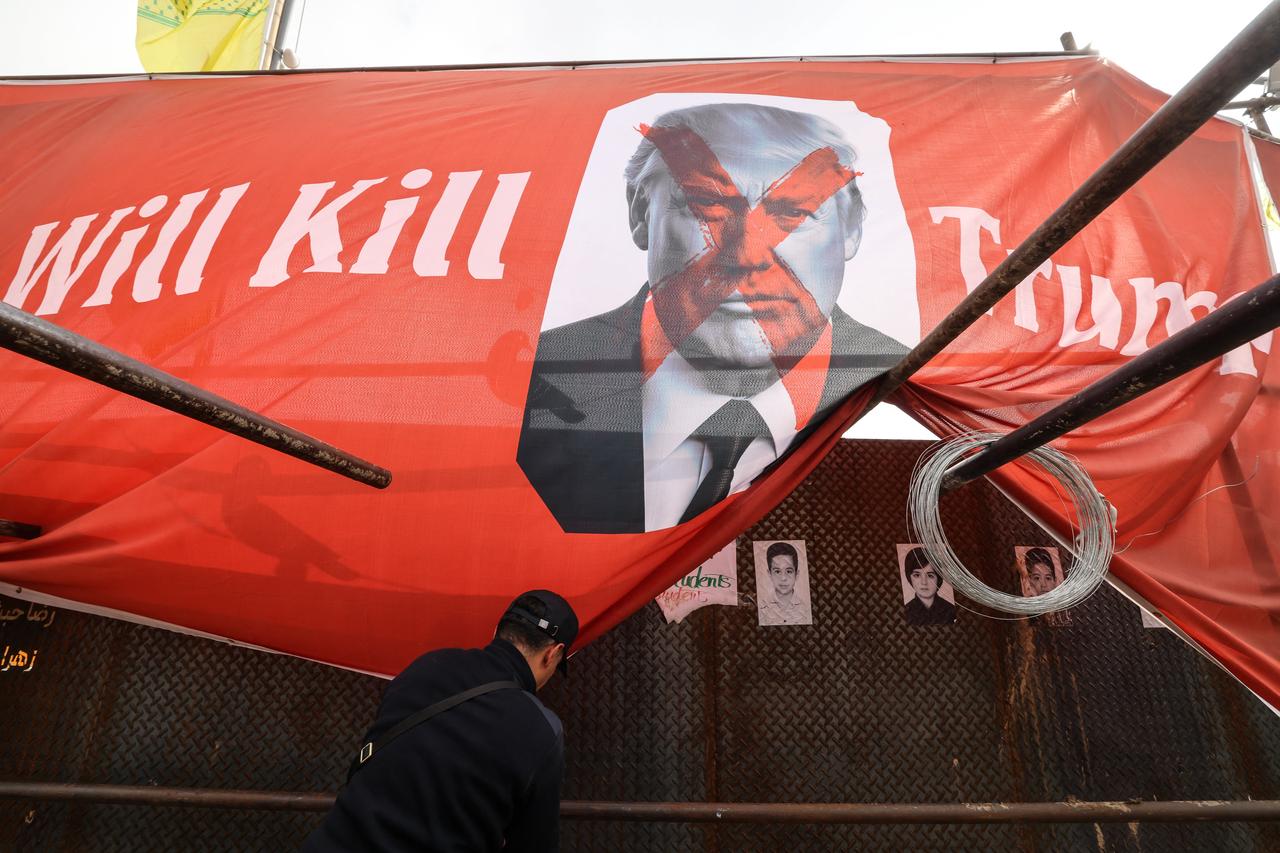

Speaking to reporters after an event at a NASA facility in Florida on Friday, Trump described the American military presence in the region while contrasting the conflict with Iran with Russia's war against Ukraine.
"All we are is maybe an occupier. (We) could be an occupier," Trump said.
"We control the Hormuz Strait," he added. "We’re taking out more oil now than we have at any time in the history of the Hormuz Strait."
Trump also argued that the U.S.-Iran conflict, now in its ninth month, could no longer be described as a war because "nobody's even wounded" in several months.
He contrasted the situation with the fighting between Russia and Ukraine, which he claimed had killed 25,000 people in October.
"That’s called a war," Trump said.
Iran has repeatedly rejected Washington's claims of controlling the Strait of Hormuz, maintaining that Tehran retains authority over the waterway and will keep restrictions in place until its conditions are met.
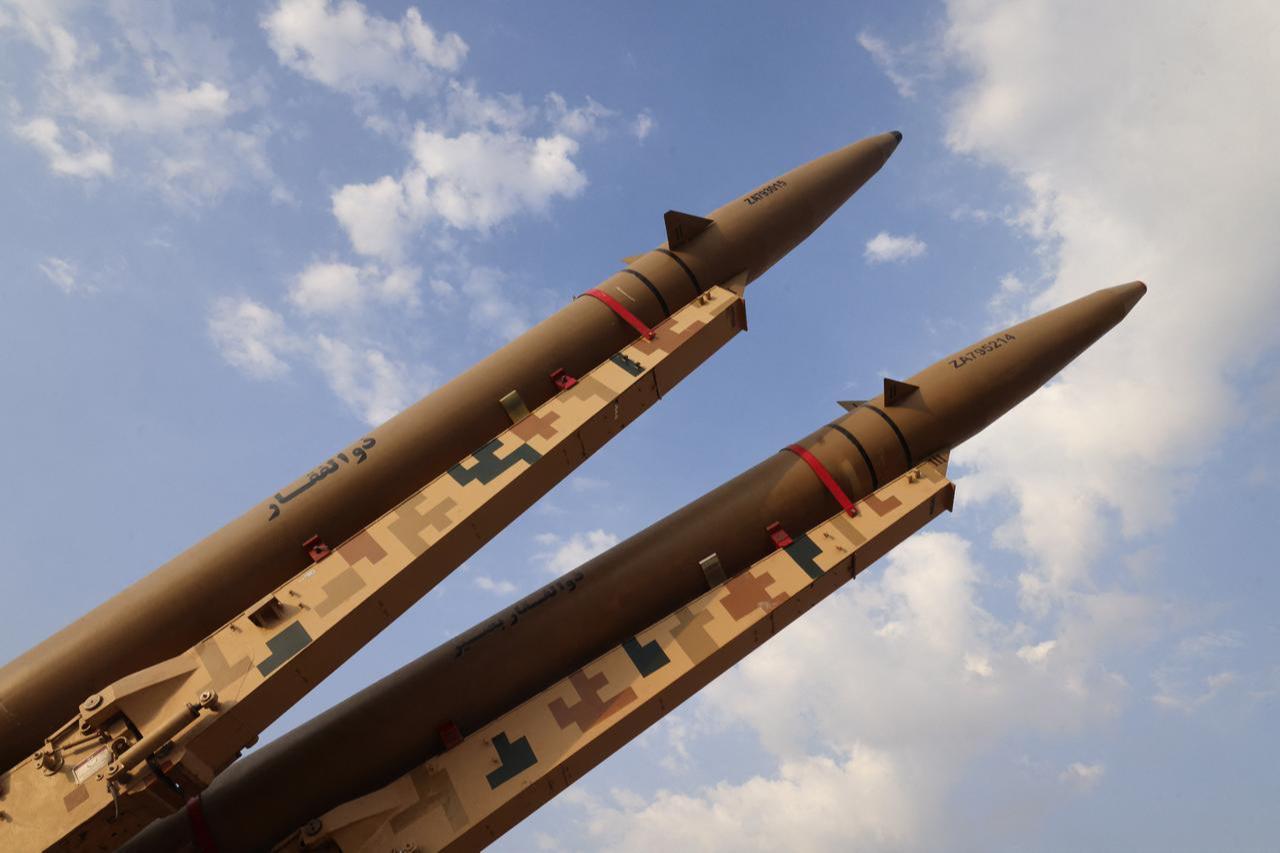
The competing claims came amid reports of renewed military activity around Iran's Qeshm Island in the Strait of Hormuz.
Early Saturday, Iran's Tasnim news agency reported that two missiles had struck the island, although it said no official information was available about possible damage.
Iranian state television separately reported two explosions on Qeshm.
The Iranian army also claimed that its air defenses had "struck and destroyed" a U.S. drone flying over the island, according to state media.
The military did not say whether the island itself had come under attack.
On Friday, Trump acknowledged that U.S. forces had conducted limited strikes when asked about reported military operations near Qeshm.
"I don't want to talk about. We do minor strikes," he said.
Trump claimed that Iranian forces had built an anti-aircraft installation that American forces destroyed within minutes.
The president had earlier confirmed U.S. strikes against an Iranian air defense facility on Qeshm, describing the operation as limited rather than a resumption of full-scale warfare.
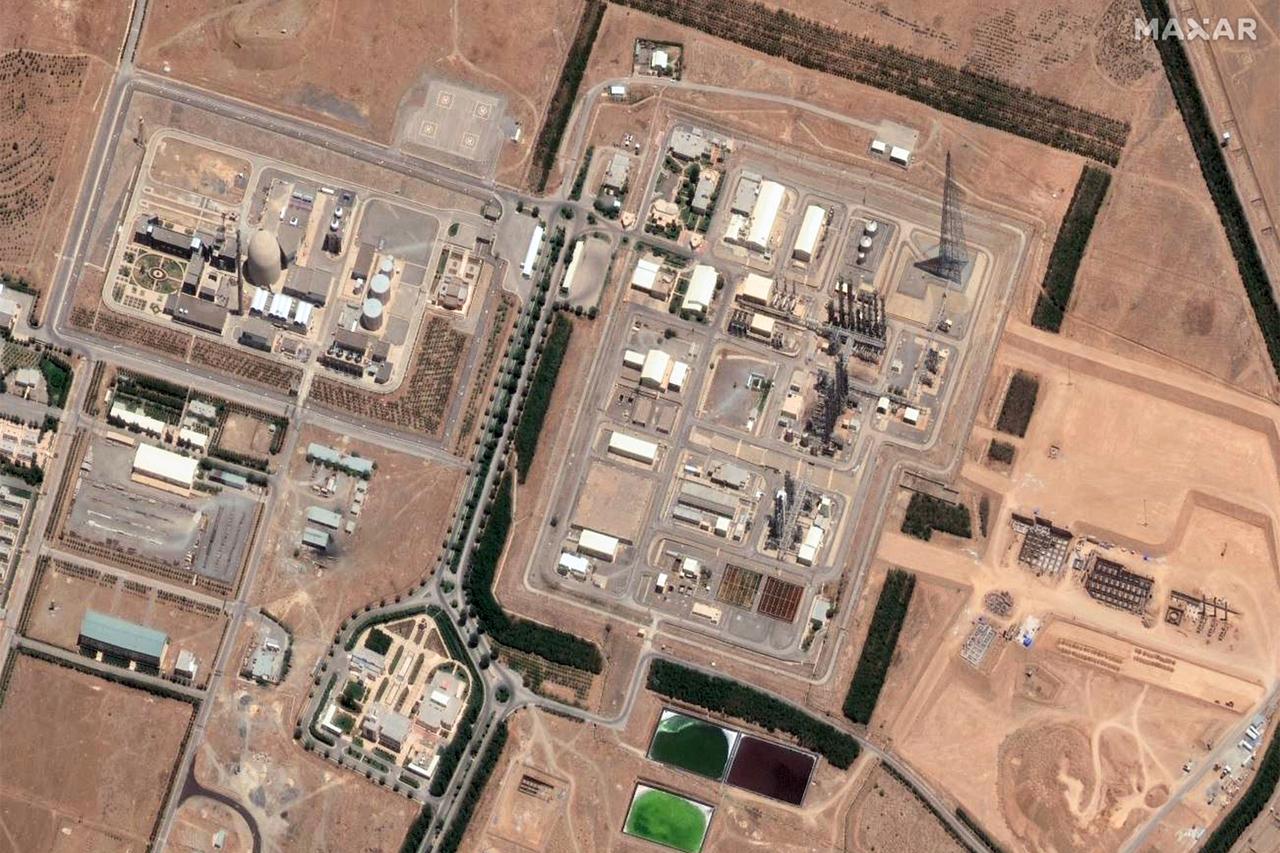
Meanwhile, U.S. Central Command announced Friday that Washington was offering a reward of up to $20 million "and possible relocation" for information concerning Iran's nuclear program.
The offer was made through Rewards for Justice, a U.S. State Department program established in 1984 to obtain information related to national security threats.
According to the announcement, Washington is seeking details about Iran's nuclear facilities, equipment and personnel, including individuals involved in scientific activities.
In a statement explaining the reward, the State Department said Iran's "lack of compliance with the (International Atomic Energy Agency) on safeguards obligations has led to the agency's loss of 'continuity of knowledge' regarding Iran's production and inventory of key components like centrifuges."
The statement did not specify which information would qualify for the full $20 million reward.
Trump has repeatedly maintained that American military operations severely damaged Iran's nuclear program.
"If we didn't hit Iran, you wouldn't have Israel today," Trump said Friday night in West Palm Beach, Florida.
"If they had nuclear, they would have used nuclear. They would have obliterated the Middle East."
The latest developments come as regional mediators continue efforts to prevent another major escalation in the conflict, which began with U.S. and Israeli attacks on Iran on Feb. 28.
An April ceasefire and a subsequent memorandum in June established a framework for negotiations, but the parties have not reached a final agreement.
Trump said Friday that Tehran was seeking an agreement with Washington after months of military and economic pressure.
"We're dealing with them now. They want to make a deal very badly," he said.
The U.S. president also spoke by telephone with Qatari Emir Sheikh Tamim bin Hamad Al Thani on Friday about efforts to end the conflict.
Iranian President Masoud Pezeshkian said earlier this week that his government was continuing to seek a diplomatic resolution through dialogue.
Despite those efforts, the opposing claims over control of the Strait of Hormuz and the latest military activity near Qeshm Island underscore the continuing tensions between Washington and Tehran.


 Set as preferred source
 Set as preferred source


 1 min read
 1 min read


