Newsletters




Iranian Parliament Speaker Mohammad Bagher Qalibaf said Monday that negotiations with the United States are intended to end the conflict and establish lasting security, rather than normalize relations between the two countries.
In an audio message published on his social media accounts, Qalibaf said recent tensions in the region were linked to ceasefire violations and what he described as a maritime blockade.
"The military field, diplomacy, public participation and service to the people are all parts of a single integrated framework," Qalibaf said.
He argued that diplomacy and military operations should not be viewed as mutually exclusive tools.
"Diplomacy does not prevent military operations and military operations do not prevent diplomacy," he said.
"The goal of negotiations is ending the war and creating lasting security, not normalizing relations with the United States."

Qalibaf said diplomacy should not be reduced to closed-door meetings and symbolic gestures, calling instead for what he described as a strategy based on both strength and rational decision-making.
According to him, developments in Lebanon have shown that diplomatic and military efforts can complement each other, with some threats prevented through diplomatic pressure and others through military action.
Qalibaf also criticized recent remarks by US President Donald Trump regarding a proposed memorandum of understanding, saying they contradicted previously agreed provisions.
He argued that the comments demonstrated Washington was "neither seeking a ceasefire nor dialogue."
The parliament speaker said Iran's armed forces had maintained freedom of action throughout the crisis and called for national unity, resilience and public trust.
He also urged vigilance against narratives that he said align with the country's adversaries.
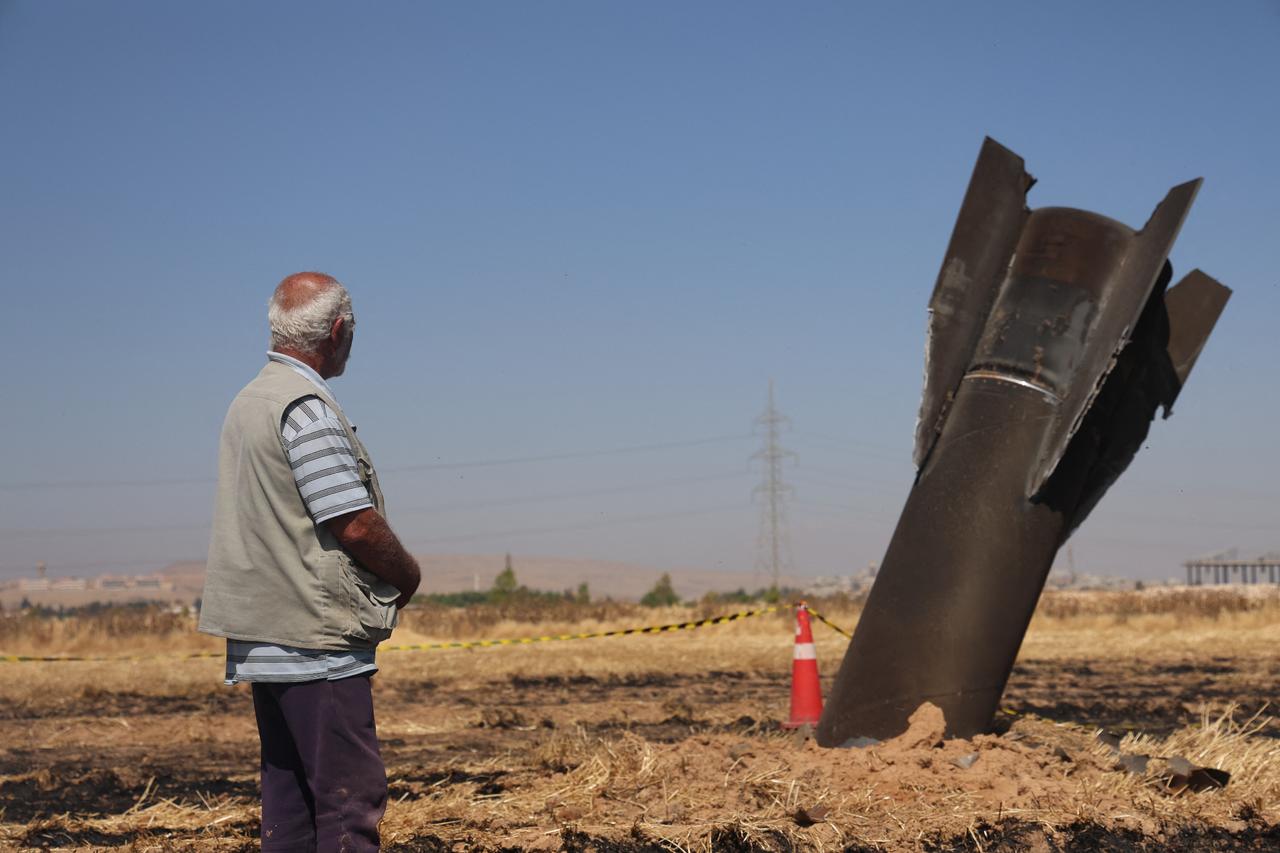
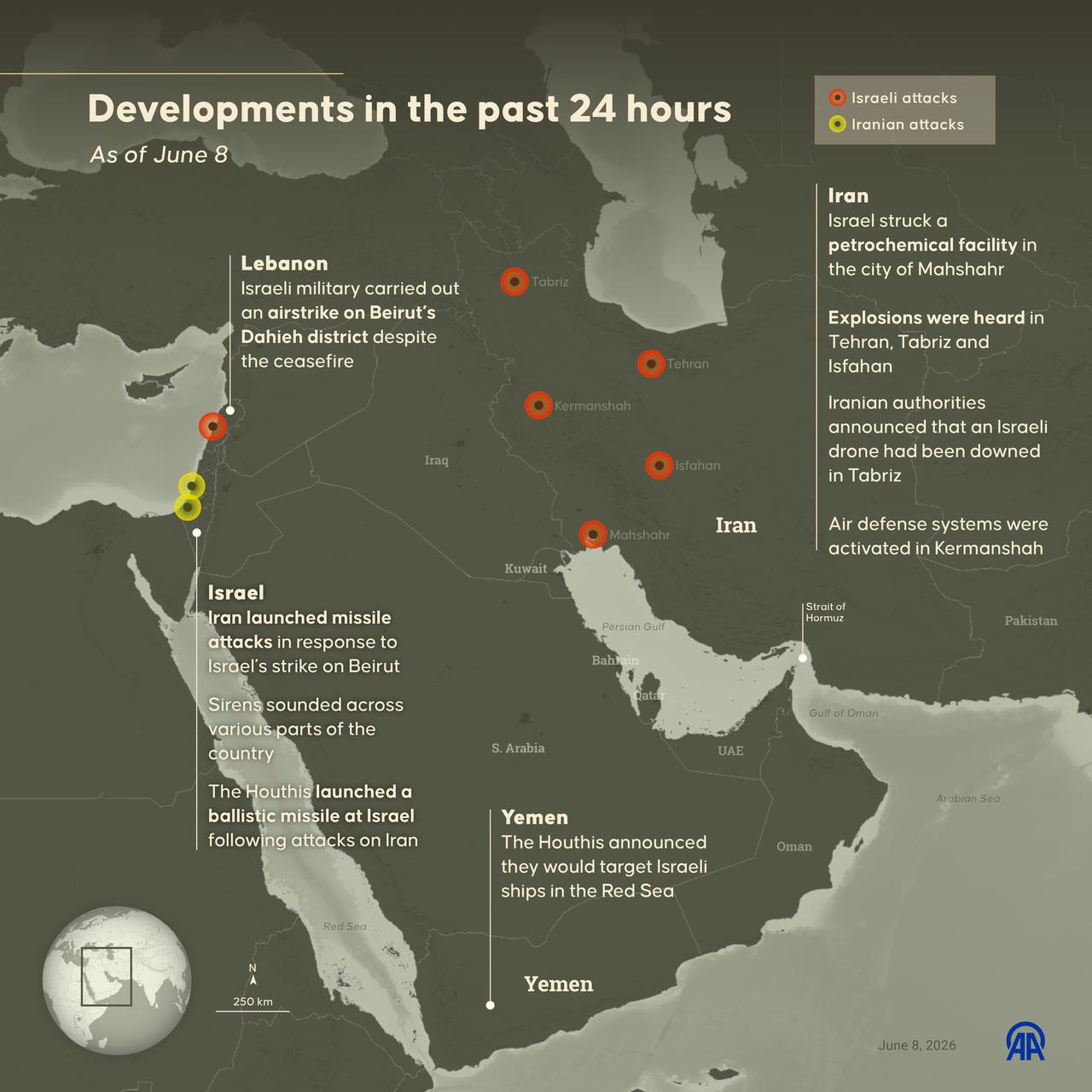
Qalibaf's remarks came amid renewed regional tensions following Israeli strikes on Beirut on Sunday despite an existing ceasefire arrangement.
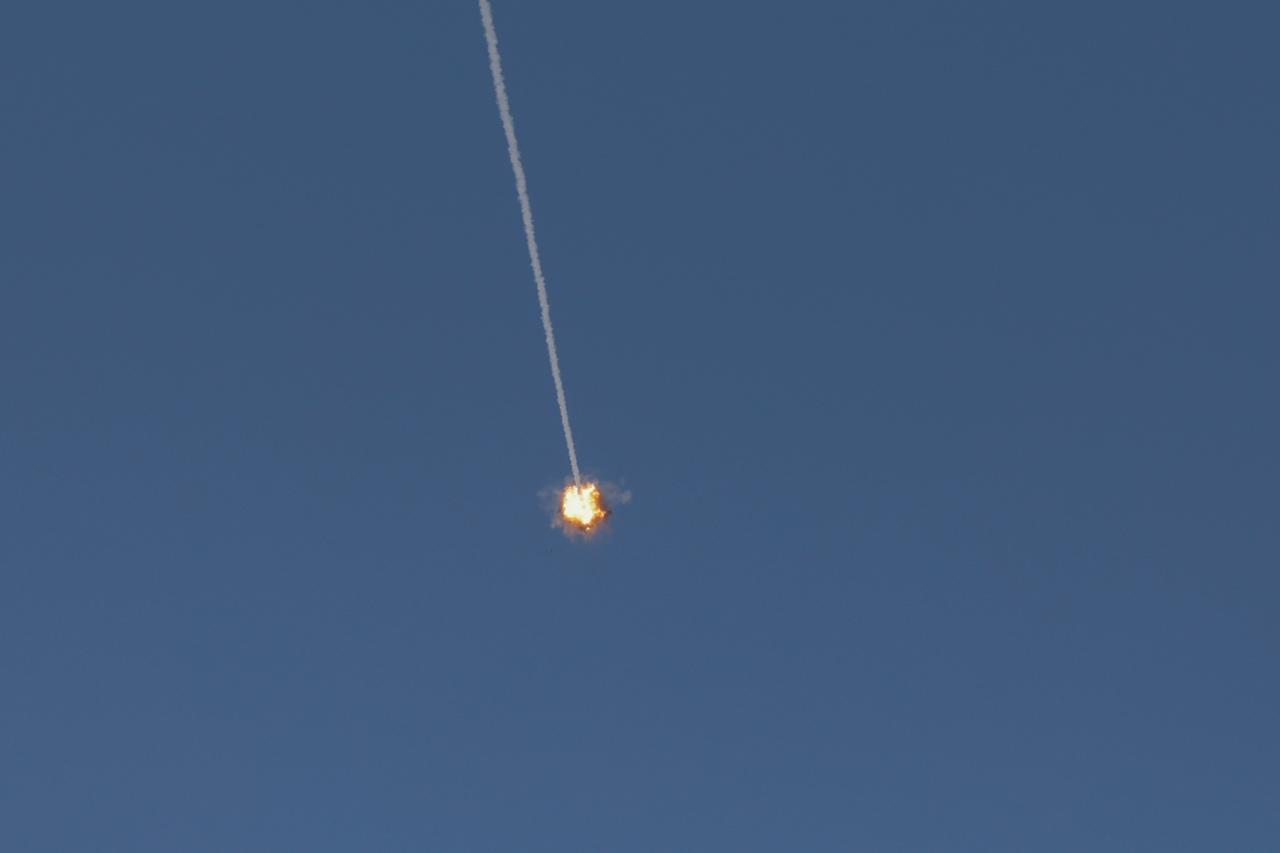
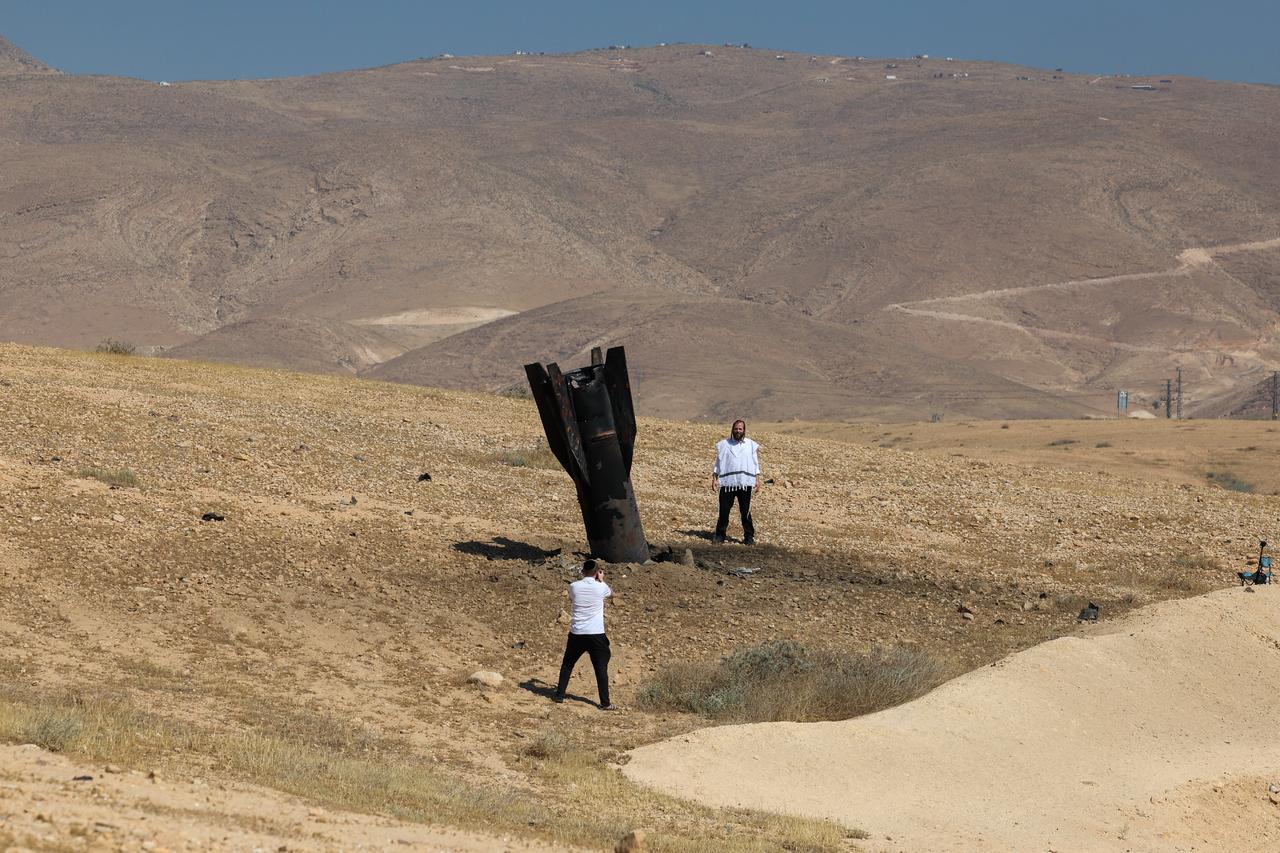
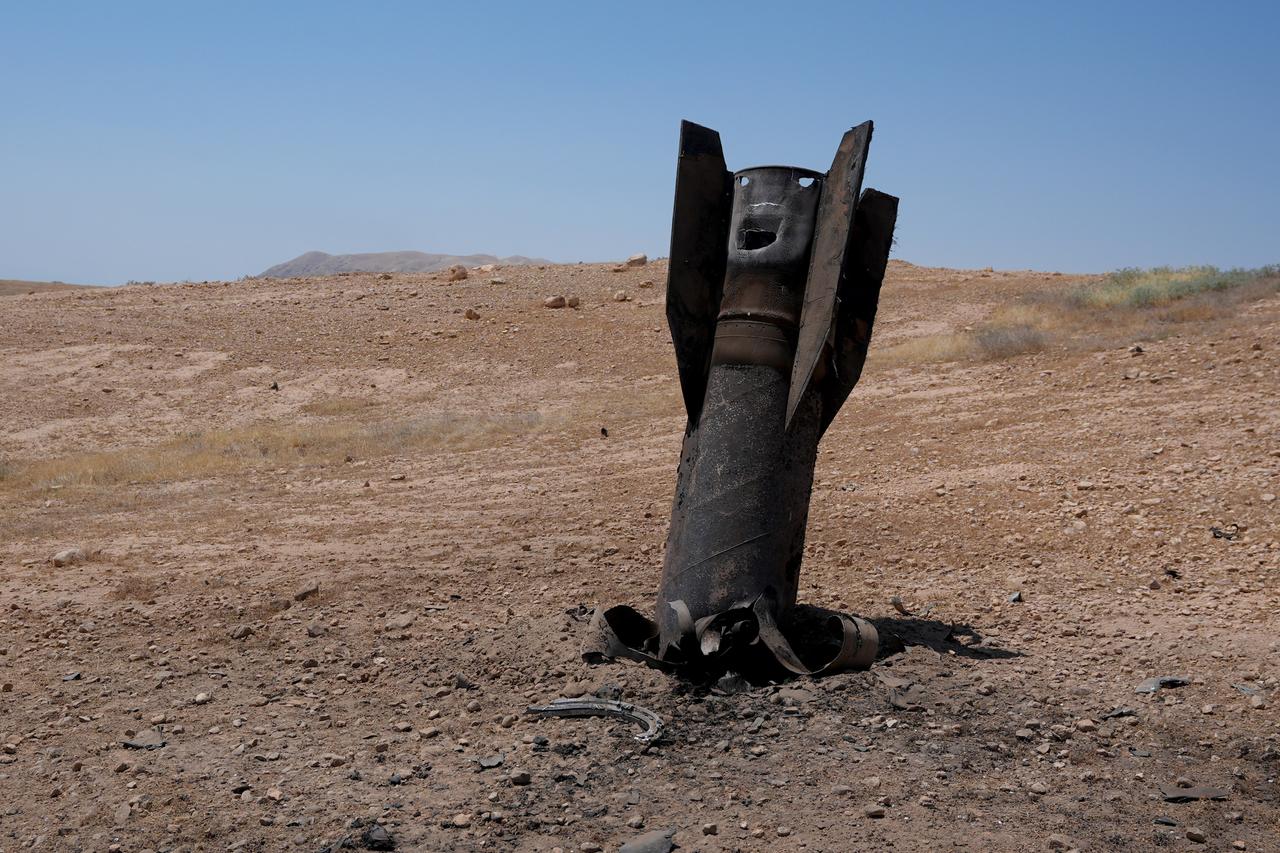
Iran responded by launching missiles toward northern Israel, while Israel later carried out several rounds of airstrikes against targets in Iran. Tehran subsequently launched additional missile attacks.
Iran's military said early Monday it was suspending attacks on Israel but warned it would deliver a "crushing" response if Israeli operations in Lebanon continued.
Israeli media, citing unnamed officials, reported that Israel had agreed to halt strikes on Iran while continuing military operations in southern Lebanon.
The region has remained tense since the United States and Israel launched airstrikes on Iran in late February, prompting Iranian retaliation against Israel and countries hosting US military assets.
A temporary ceasefire took effect on April 8, but negotiations later stalled amid disagreements over implementation and subsequent developments across the region.


 Set as preferred source
 Set as preferred source


 1 min read
 1 min read