Newsletters


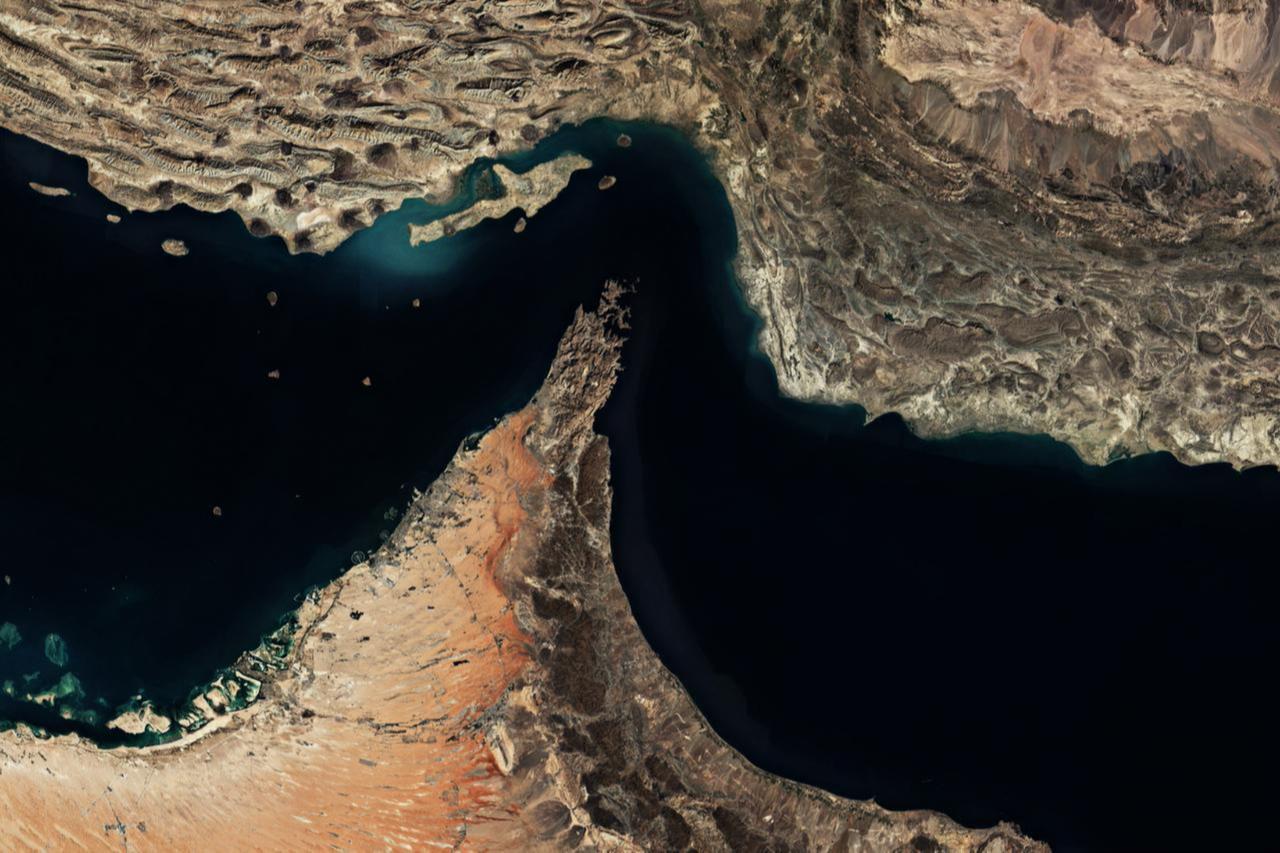


Iran's Revolutionary Guard Corps Navy has seized two commercial cargo vessels in the Strait of Hormuz, accusing them of unauthorized operations and alleged ties to Israel, as shipping traffic through the critical waterway drops to a fraction of pre-war levels amid an uneasy ceasefire between Washington and Tehran.
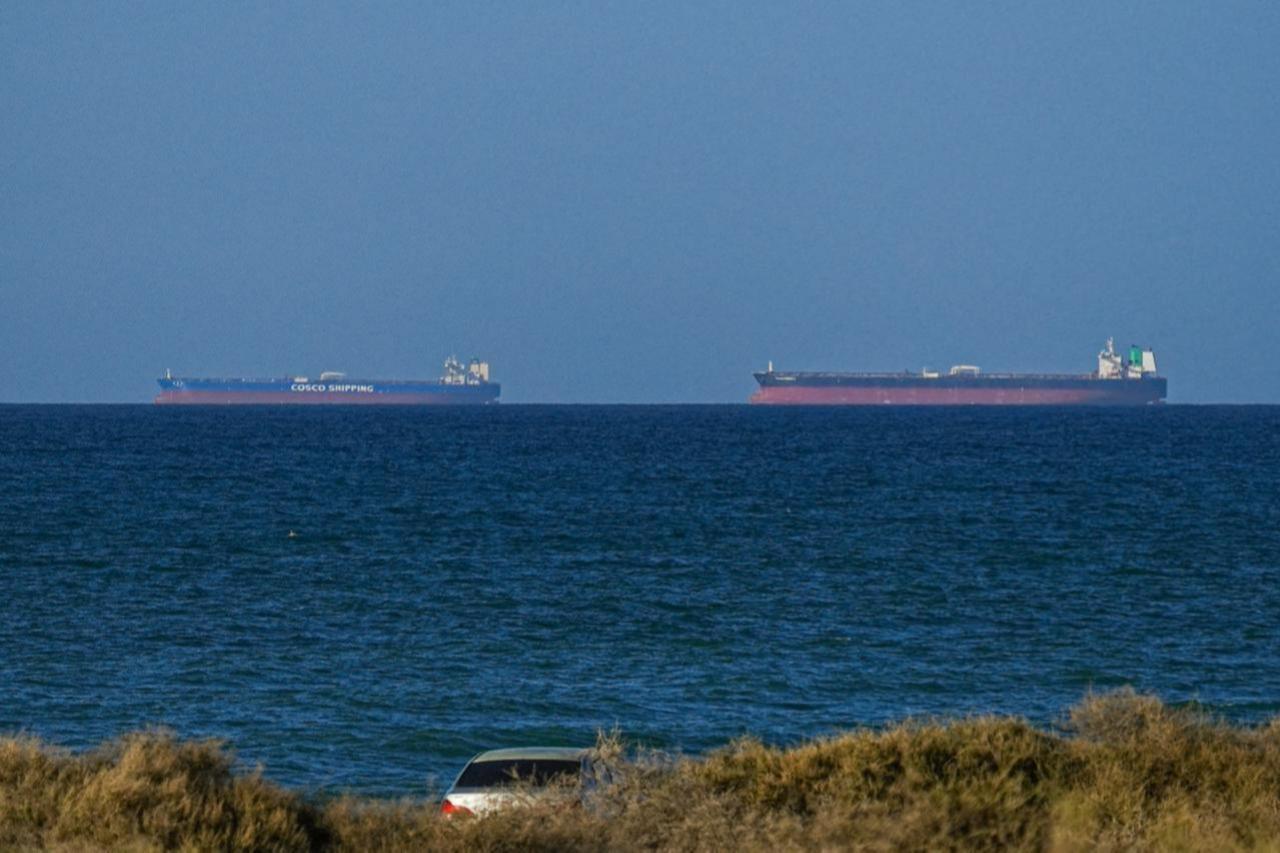
The IRGC identified the detained vessels as the MSC-Francesca and the Epaminondas, both operating under the MSC shipping line, according to Iran's semi-official Mehr news agency. Tehran accused the ships of breaching maritime regulations, interfering with navigation systems, and endangering other vessels in the waterway. Iranian authorities said the ships were allegedly attempting to pass through the strait undetected before being intercepted and escorted into Iranian territorial waters.
Only five ships transited the Strait of Hormuz in the 24 hours preceding Friday, shipping data showed, down from an average of 140 daily passages before the Iran war began on Feb. 28. Among the few vessels to pass through was the Iranian-flagged oil products tanker Niki, which is subject to U.S. sanctions, according to Kpler analysis and MarineTraffic tracking data. Container shipping group Hapag-Lloyd confirmed one of its ships had crossed the strait but provided no details on the timing or circumstances.

The seizures came during what analysts describe as an uneasy ceasefire between Washington and Tehran, with little sign of peace talks resuming nearly two months after the U.S. and Israel launched strikes on Iran. The Strait of Hormuz, a narrow passage between the Arabian Peninsula and Iran, is the world's most critical oil chokepoint, through which roughly a fifth of global oil and liquefied natural gas supplies normally flow. Its effective closure has triggered a global energy crisis.
Jakob Larsen, chief safety and security officer at shipping association BIMCO, said companies will require firm guarantees before returning to normal operations. "For most shipping companies, they will need a stable ceasefire and assurances from both sides of the conflict that the Strait of Hormuz is safe to transit," he said, adding that current alternative routes near Iran and Oman are too confined to handle normal shipping volumes.
Iran's use of a swarm of small, fast boats to seize the two container ships has sharpened concerns among shipping and oil companies. Peter Sand, chief analyst at ocean and air freight intelligence platform Xeneta, warned that the seizures exposed the limits of even a nominally open strait. "The latest seizures make clear, even an 'open' Strait of Hormuz is not a safe Strait of Hormuz for seafarers, ships and cargo," he said.
Between April 22 and early April 23, seven vessels transited the strait, six of which were involved in Iran-related trade, according to Lloyd's List Intelligence.
The broader human and logistical toll of the strait's closure continues to mount. Hundreds of ships and approximately 20,000 seafarers remain stranded inside the Gulf, with war risk insurers and oil companies monitoring conditions for any sign that risks may have eased sufficiently to permit transit.
The Comoros-flagged supertanker Helga arrived at an offshore oil loading terminal near Iraq's southern Basra port on Friday, becoming only the second vessel to reach Iraq since the strait's closure, underscoring how severely regional supply chains have been disrupted. Since Iran established control of the strait following the outbreak of hostilities, and a subsequent U.S. naval blockade imposed on April 13, global energy supplies, particularly across Asia, have been significantly affected.


 Set as preferred source
 Set as preferred source


 2 min read
 1 min read