Newsletters


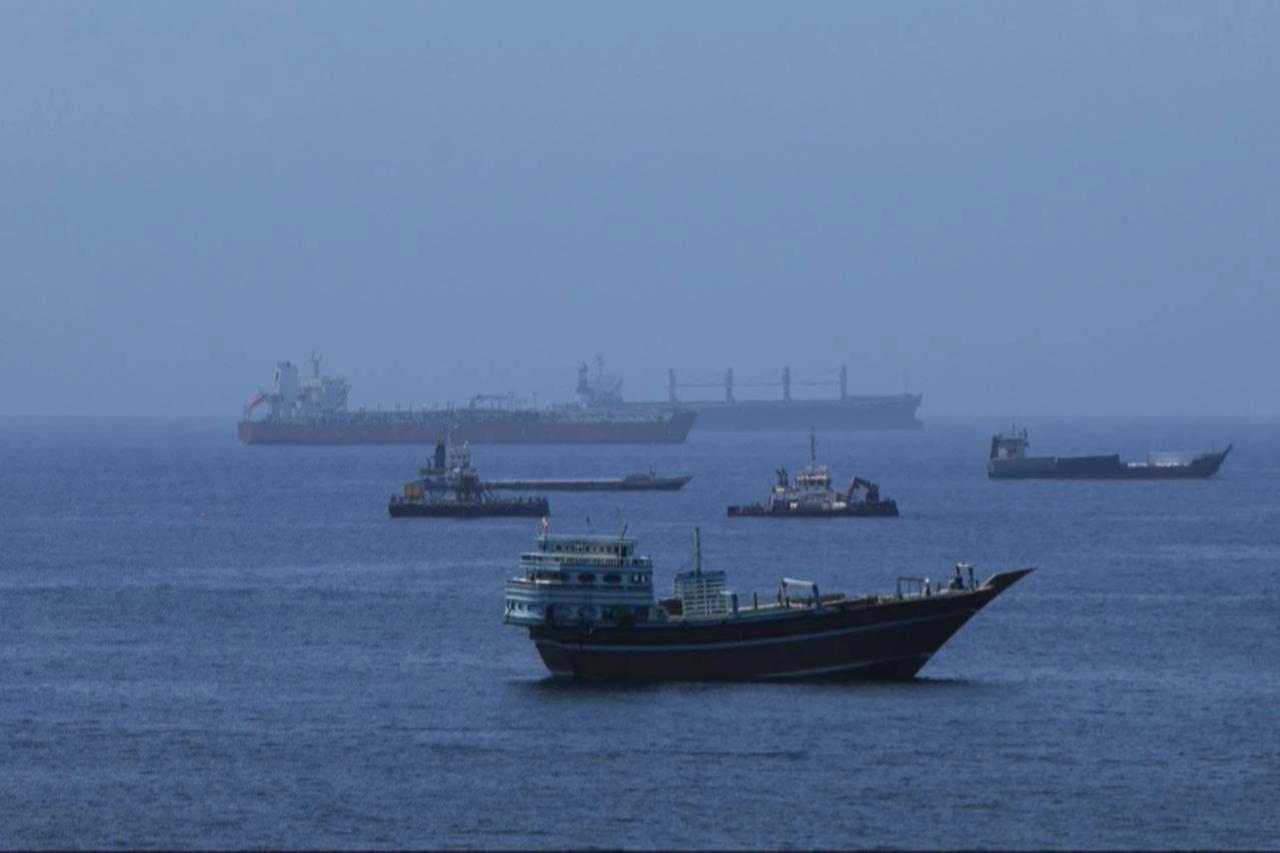
U.S. military officials are developing new strike plans to target Iran's capabilities in and around the Strait of Hormuz in the event the ceasefire collapses.
The plans list "dynamic targeting" of fast attack boats, minelaying vessels, and asymmetric assets, with potential strikes on energy infrastructure, as some of the proposed measures.
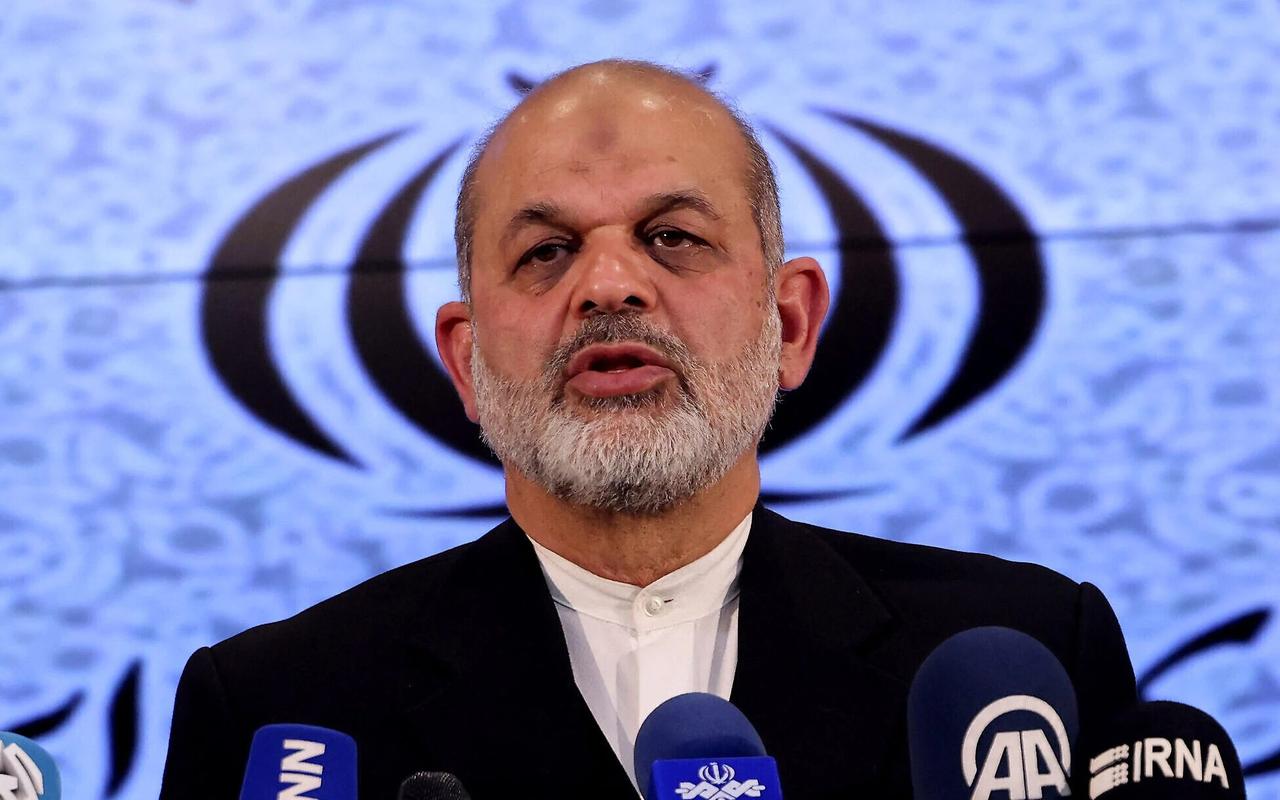
The plans also include targeting of Iran's Islamic Revolutionary Guard Corps (IRGC) Commander Ahmad Vahidi and other officials accused of "obstructing" negotiations, multiple sources told CNN on Friday.
Axios reported that Iran had laid fresh mines in the strait this week, while the USS George H.W. Bush arrived as the third U.S. aircraft carrier in the region.
CNN's sources described a new strike concept focused specifically on the Strait of Hormuz, the southern Arabian Gulf, and the Gulf of Oman, a departure from the first month of bombing, which focused on inland targets to enable deeper strikes into Iran.
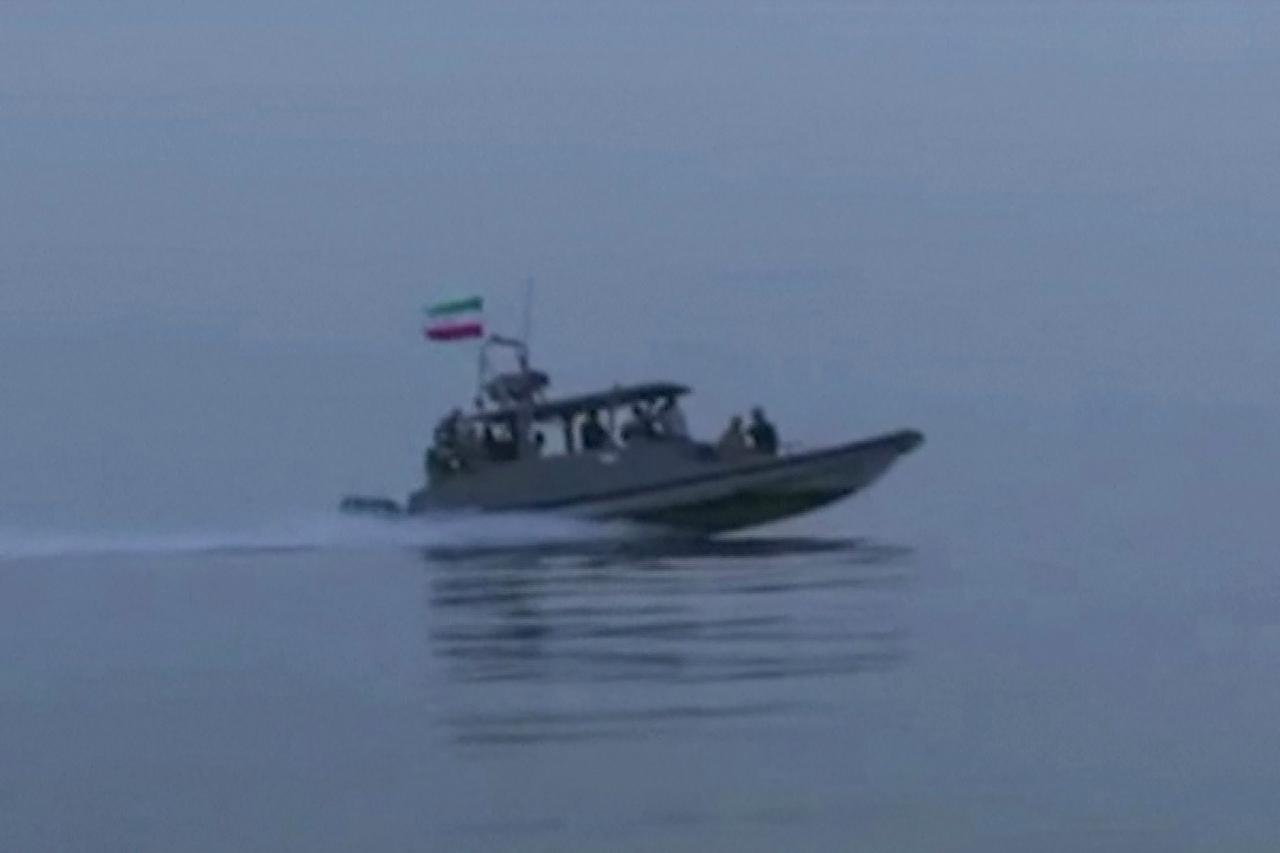
The new U.S. plans envision attacks against Iran's small fast attack boats, minelaying vessels and other asymmetric assets that have allowed Tehran to effectively close the waterway.
One source familiar with the planning said opening the strait through strikes alone would be uncertain, "Unless you can unequivocally prove that 100% of Iran's military capability is destroyed or near certainty that the U.S. can mitigate the risk with our capability, it will come down to how badly Trump is willing to accept the risk and start pushing ships through the strait."

Military planners have developed an option to target individual Iranian military leaders and "obstructionists" actively undermining negotiations, a source told CNN, naming Vahidi specifically.
The IRGC commander was also identified in an Axios report earlier this week as the key figure who had rejected what Iran's own civilian negotiators had agreed to at the first round of talks in Islamabad, driving the fracture between the IRGC and the civilian leadership that prevented the second round from taking place.
The U.S. military could also strike dual-use and energy infrastructure targets to compel Iran back to the negotiating table, an option Trump has repeatedly threatened publicly. Such strikes would represent "a controversial escalation," some current and former officials told CNN.
The Defense Department declined to confirm specifics.
"Due to operational security, we do not discuss future or hypothetical movements. The U.S. military continues to provide the President options, and all options remain on the table," a Pentagon official said.
Axios reported that Iran's navy had placed fresh mines in the Strait of Hormuz this week, with American forces detecting the operation and tracking the exact number deployed, though officials declined to reveal it.
Trump responded with his Truth Social shoot-to-kill order against minelaying boats.
 1 min read

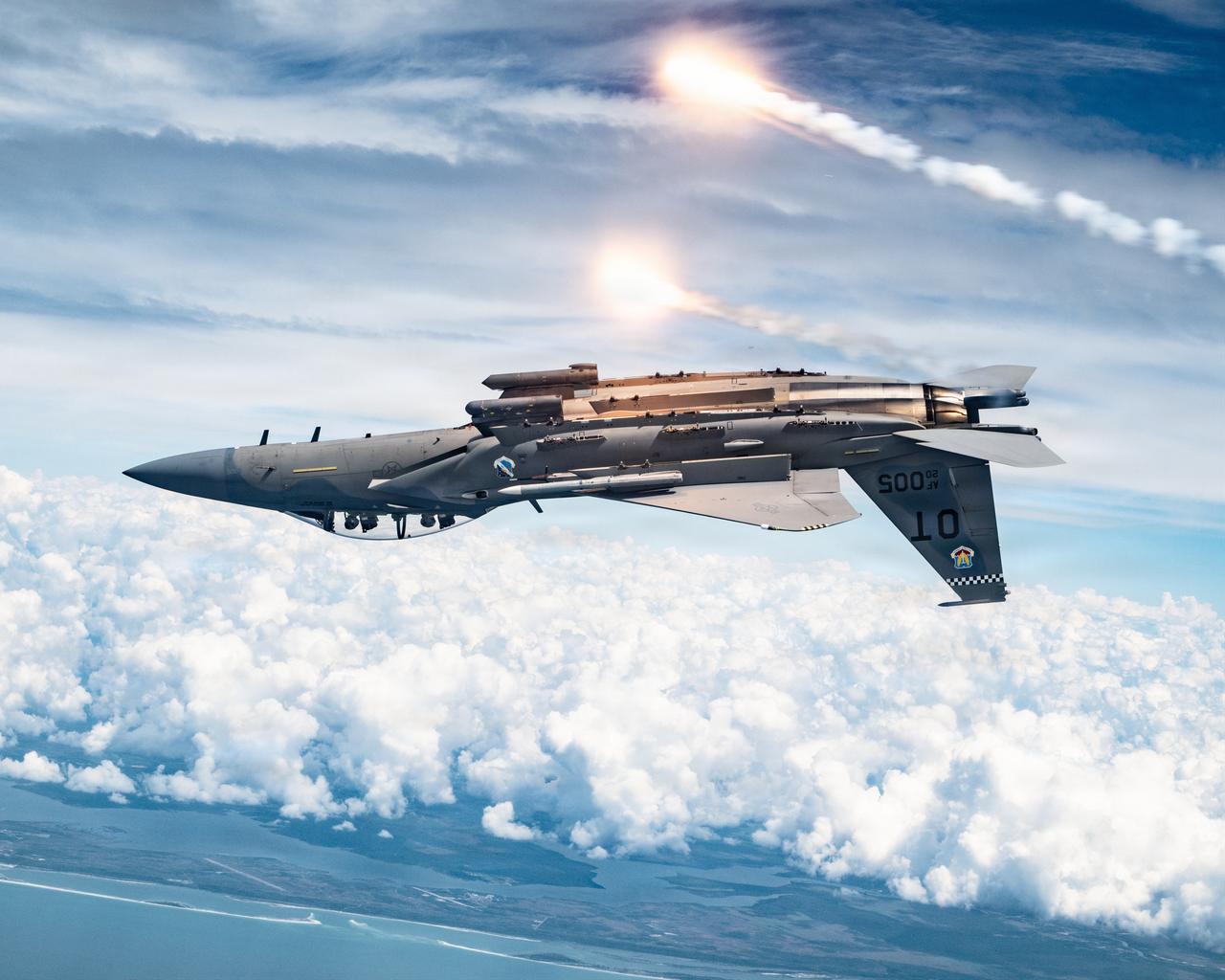
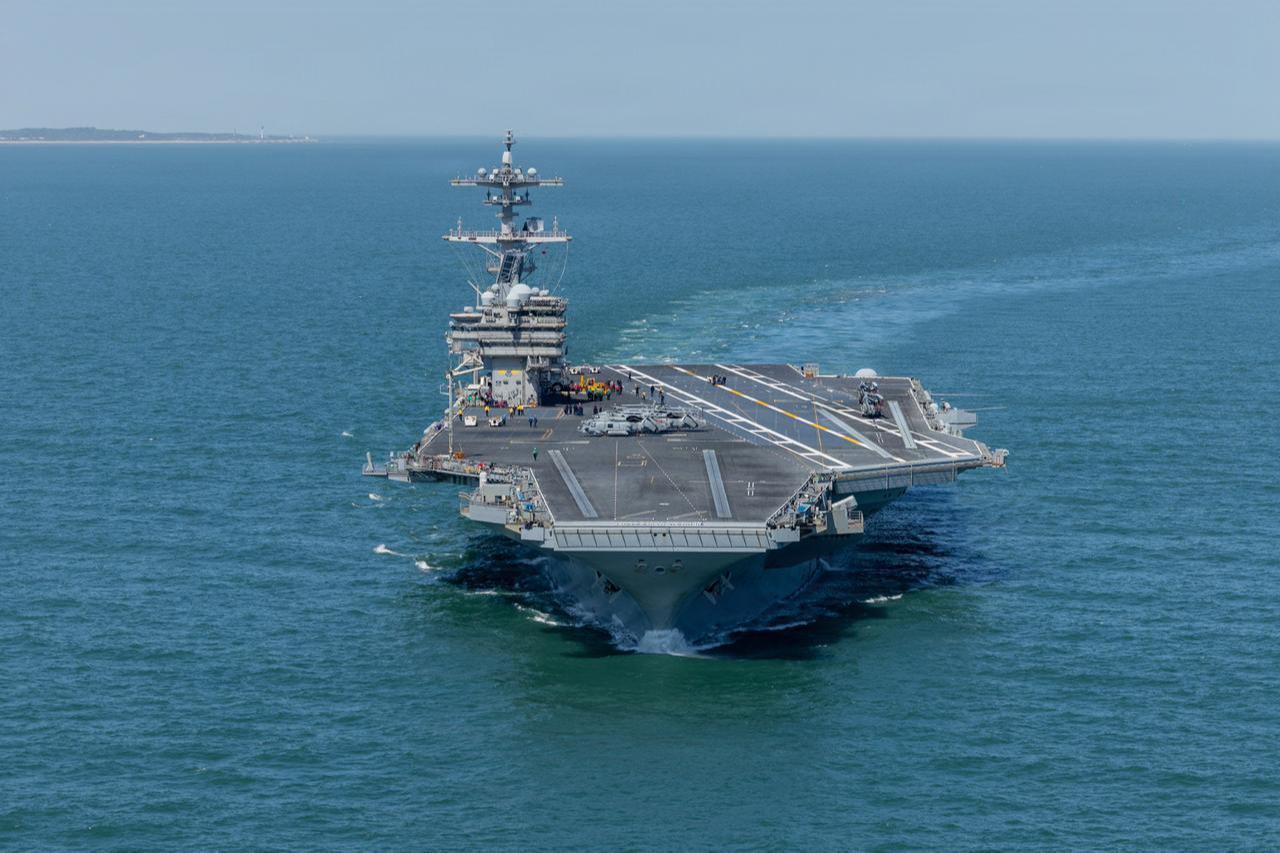
The USS George H.W. Bush arrived in the Middle East on Thursday as the third U.S. aircraft carrier in the region, joining two carriers already operating there.
The U.S. Navy is operating underwater drones in the strait to locate and clear mines, an effort Trump said he had ordered to be tripled.
Two sources told CNN that the Trump administration had underestimated Iran's willingness to shut down the strait before launching the war, a closure that "could have likely been prevented" if U.S. military assets had been pre-positioned nearby to deter Tehran.
That failure to deter the Strait's closure in the opening days of the war has driven the current economic standoff.
CENTCOM confirmed Thursday that U.S. forces had directed 33 vessels to turn back since the blockade began on Apr. 13.
Shipping through the Strait of Hormuz has been severely disrupted since the U.S.-Israel war on Iran began on Feb. 28, rattling global energy markets and raising fears of prolonged economic damage.
On Tuesday, Trump extended a ceasefire with Iran following a request from Pakistan, saying it would remain in place until Tehran presents what he described as a "unified proposal."


 Set as preferred source
 Set as preferred source




 1 min read