Newsletters


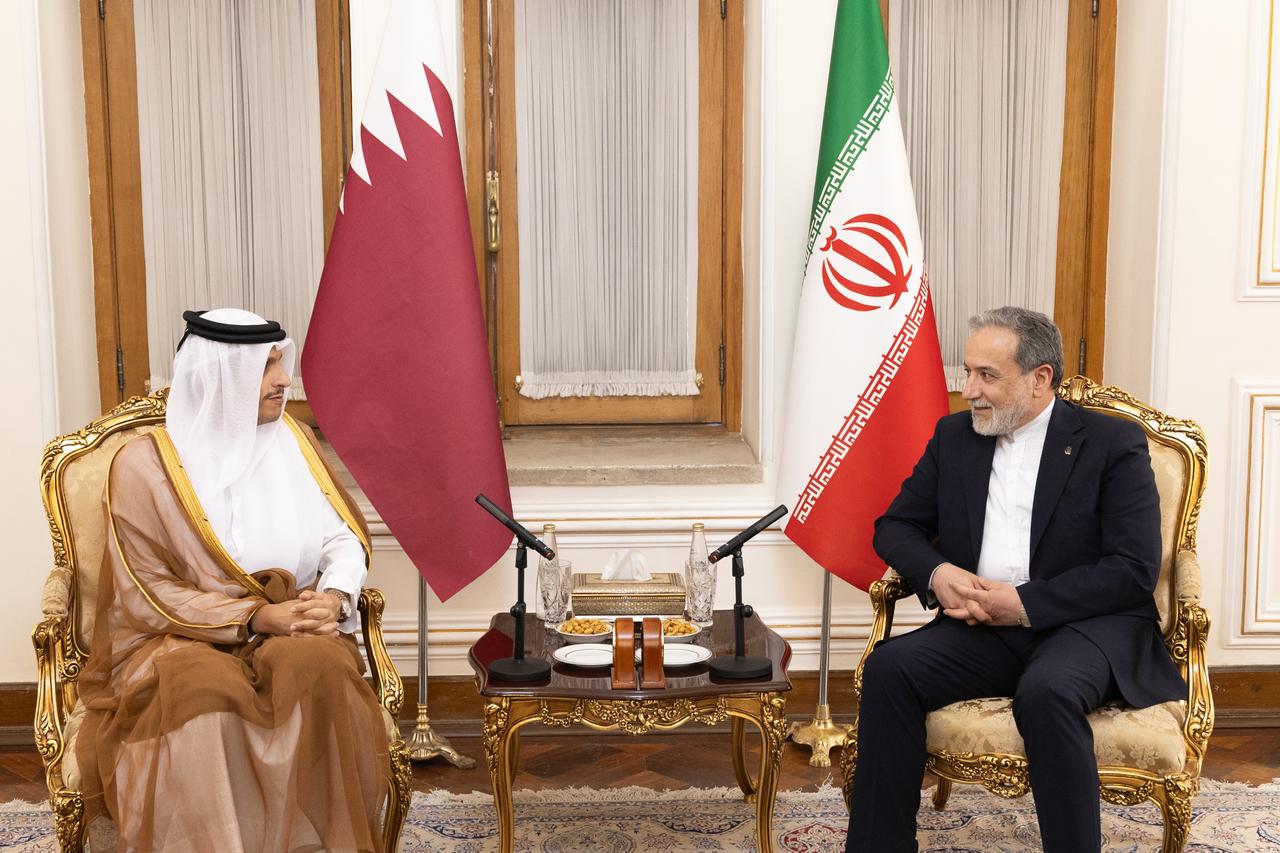


Iran warned that continued U.S. economic pressure could lead Tehran to impose a maritime exclusion zone across the Persian Gulf, as Qatar’s Foreign Ministry urged Gulf states to become less dependent on Washington for security.
Mohsen Rezaei, secretary of Iran’s Supreme National Security Council, warned early Tuesday that U.S. "economic warfare" could trigger the move, saying Tehran had already changed how it approaches U.S. warships and military bases.
"Economic warfare will be met by a maritime exclusion zone across the Persian Gulf to the blockade perimeter," Rezaei wrote in a post on X. He added that Iran had "fundamentally recalibrated" its operational posture toward U.S. warships and bases.
The warning came as the U.S. declared an economic campaign targeting Iran’s international financial ties, aiming to isolate Tehran, weaken its economy and degrade its military capabilities while reducing spending.
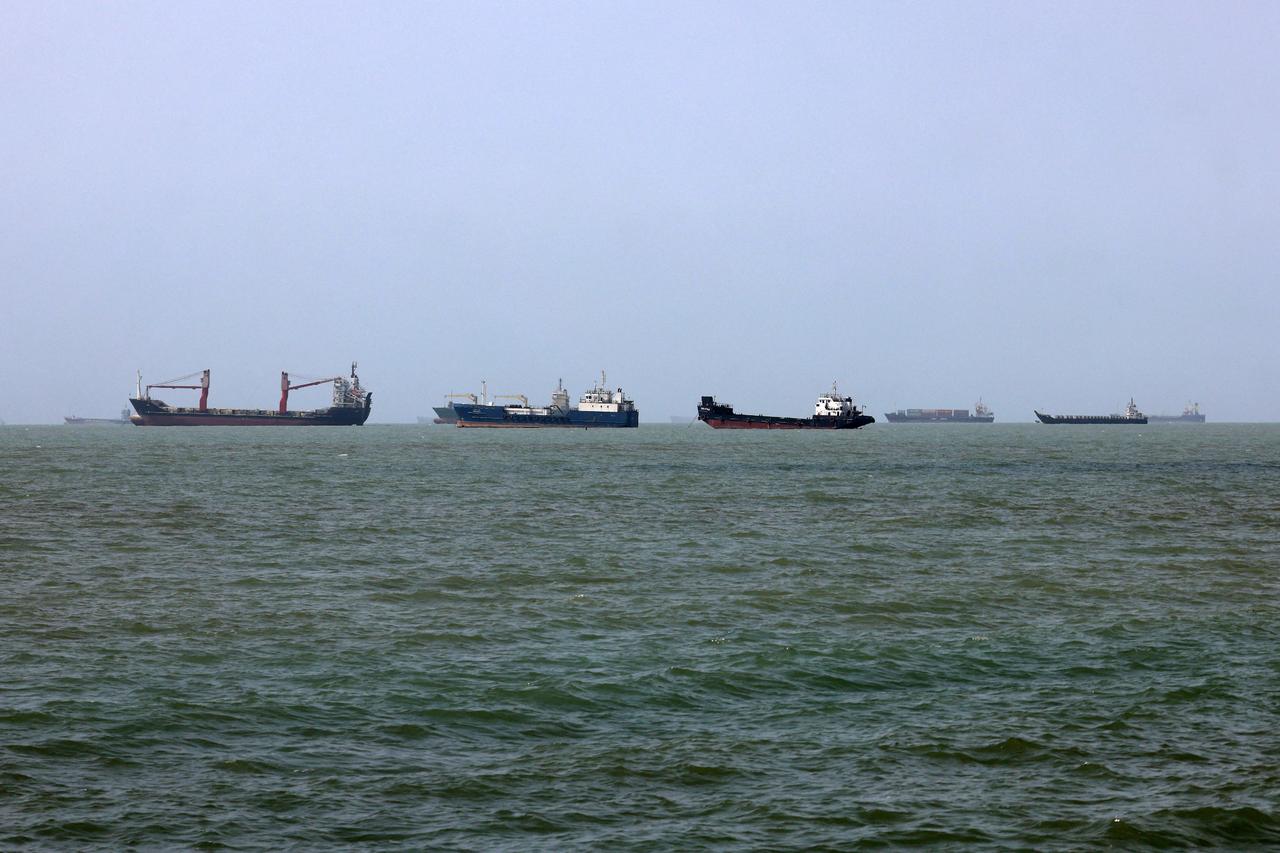
The move, which the U.S. Treasury secretary called "Operation Economic Outcast," has added to Washington’s ongoing blockade around the Strait of Hormuz, targeting Iranian ports and vessels in response to Tehran’s attempts to control navigation through the waterway.
Amid these tensions, disruptions to shipping through the Strait of Hormuz and mutual U.S.-Iran strikes have also strained Gulf countries, which have come under continuous Iranian attacks targeting American bases during the conflict, while their major source of revenue from energy exports remains constrained.
One of these countries, Qatar, which has emerged as a key mediator between the two sides, called on Monday for Gulf countries to build greater self-sufficiency rather than depend solely on the United States and other international alliances.
"We need to realize in the Gulf that having international forces in the region, having a strategic alliance with the United States, is very important, but is not enough," Qatar’s Foreign Ministry spokesperson Majed al-Ansari told the Hili Forum in Abu Dhabi.
"Self-sufficiency when it comes to security is the only way forward. Yes, we need our partners. Yes, we need our allies. But we cannot depend on them alone for our security," he added.
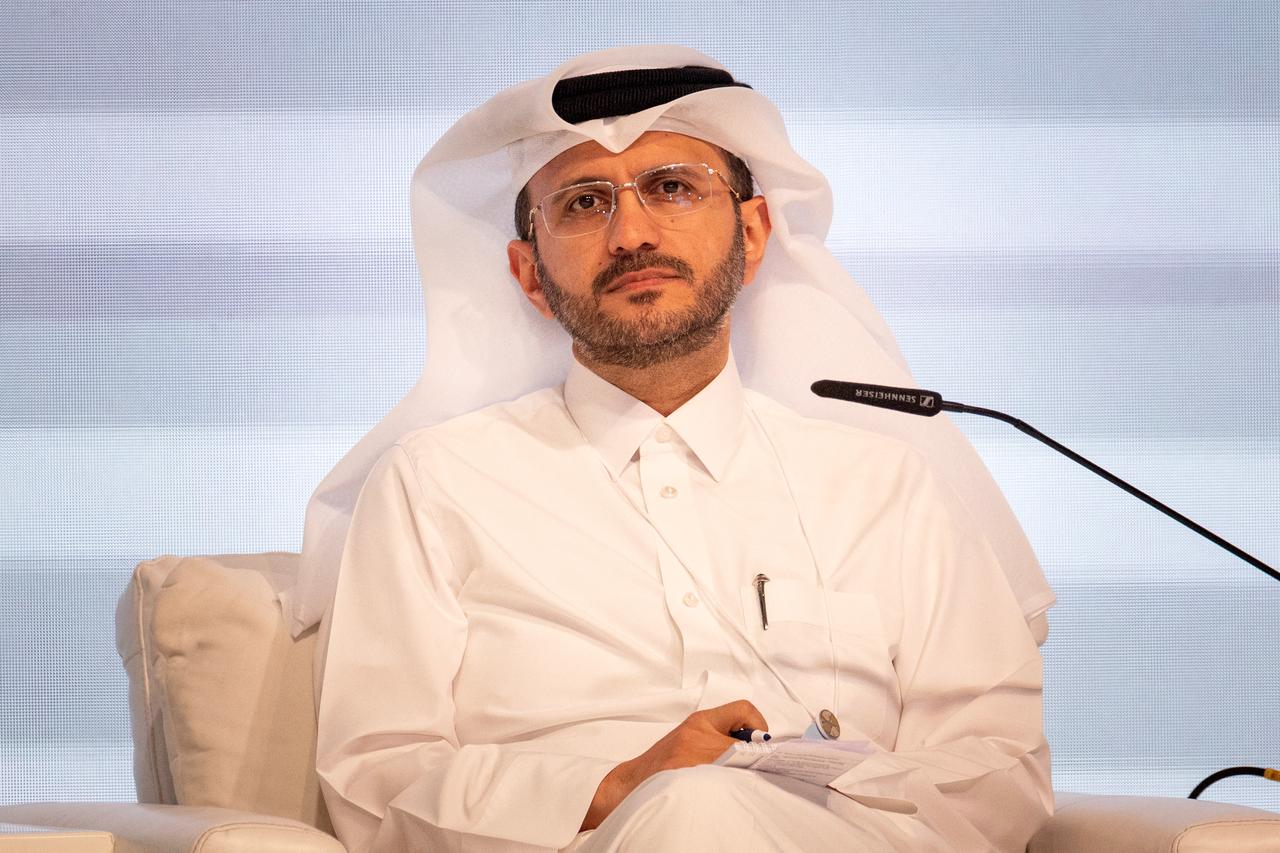

Al-Ansari said Qatar is seeking to gradually wind down the crisis rather than end the U.S.-Iran war immediately, with the goal of paving the way for broader regional talks and a lasting political settlement.
"We have to phase this crisis out rather than end it immediately," he told CNN. "What we need to do is make sure the playing field is in a place where we can have the right negotiations for a sustainable solution."
Qatar’s immediate priorities include keeping the Strait of Hormuz open, easing economic pressure and preventing further military escalation across the region.
"Right now, what we are doing, we have two main priorities. One is make sure that the Strait (of Hormuz) is open and that the economic pressure on all of us collectively and the peoples in the region, including the people of Iran, has left us," Ansari said.
The second priority is preventing further escalation so regional actors can push for inclusive dialogue. Political will and technical issues remain the main obstacles to a settlement, Ansari added, as Qatar develops proposals to address both.
"But at the end, this issue will only be resolved through a deal. It will only be resolved at the negotiation table," he stressed.
Ansari also cautioned against allowing disruption of the Strait of Hormuz to become normalized, warning that the consequences could spread through energy, food and economic shocks. "We need to kill this in its infancy. It cannot become the new normal in war for countries to basically just close waterways in this way," he warned.
Qatar’s Prime Minister Sheik Mohammed bin Abdulrahman Al Thani traveled to Tehran last month as part of mediation efforts. Iran and Oman have also said they were discussing a temporary shipping corridor and mine-clearing.


 Set as preferred source
 Set as preferred source


 2 min read
 1 min read