Newsletters


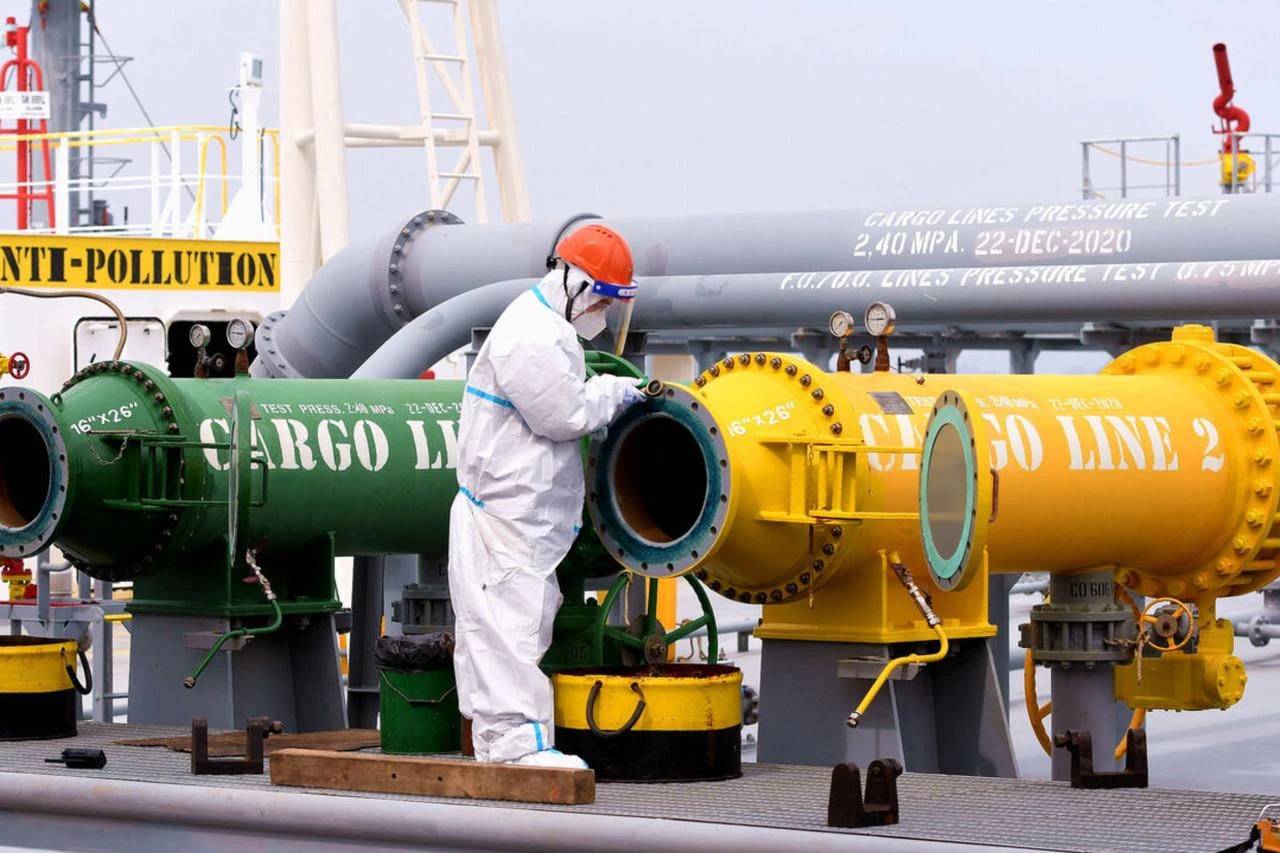


Offers of Iranian crude to Chinese buyers have declined while prices have risen as the U.S. blockade restricts Tehran’s oil shipments, Reuters reported Friday, citing trade sources.
The U.S. reimposed its blockade on Iranian shipping and ports on July 13 after a war-related agreement collapsed, targeting oil sales that remain a key source of foreign currency for Tehran.
Trade sources reportedly said offers for September and October delivery were lower than for July and August as crude already stored on ships was sold.
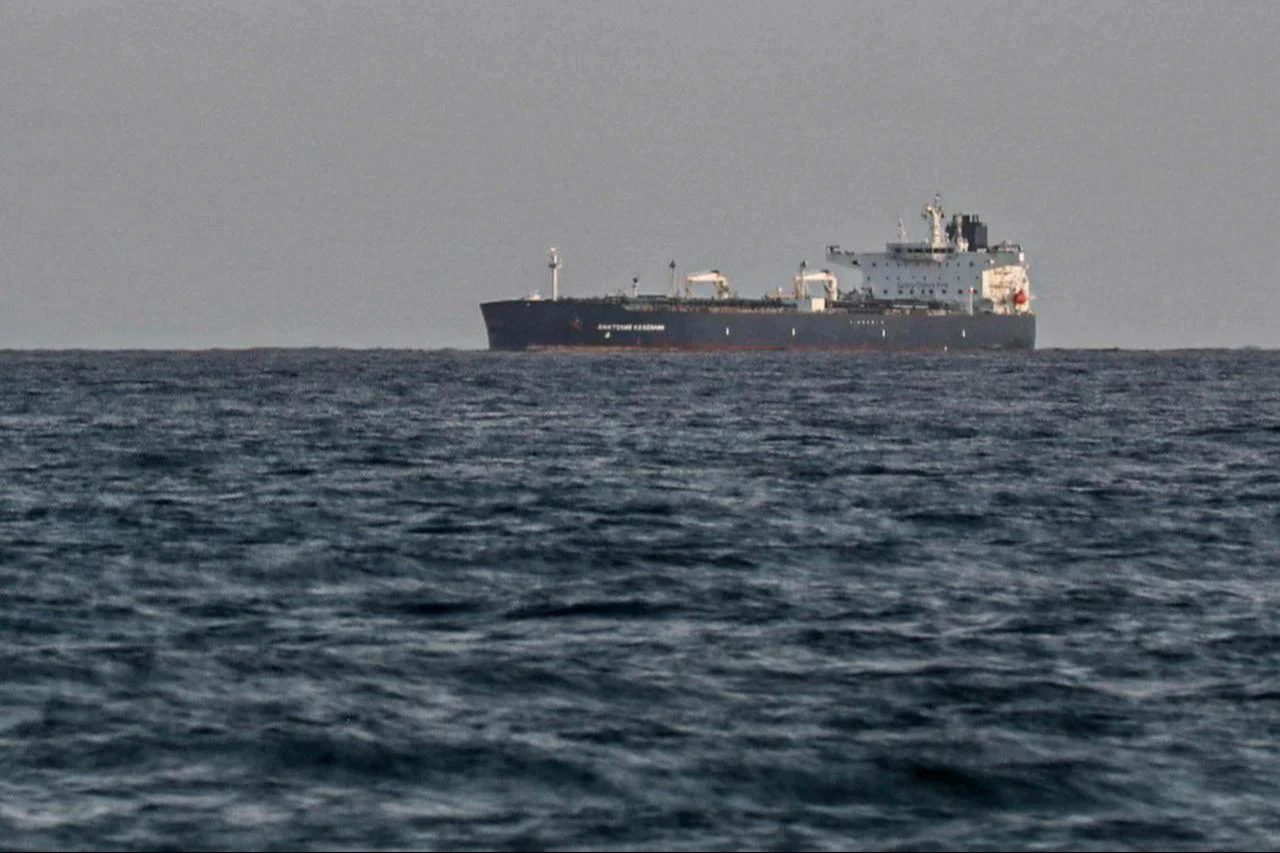
Iranian exports have fallen since mid-July, with no visible Strait of Hormuz crossings by supertankers carrying Iranian crude, according to ship-tracking firm Kpler. Many vessels, however, switch off their transponders.
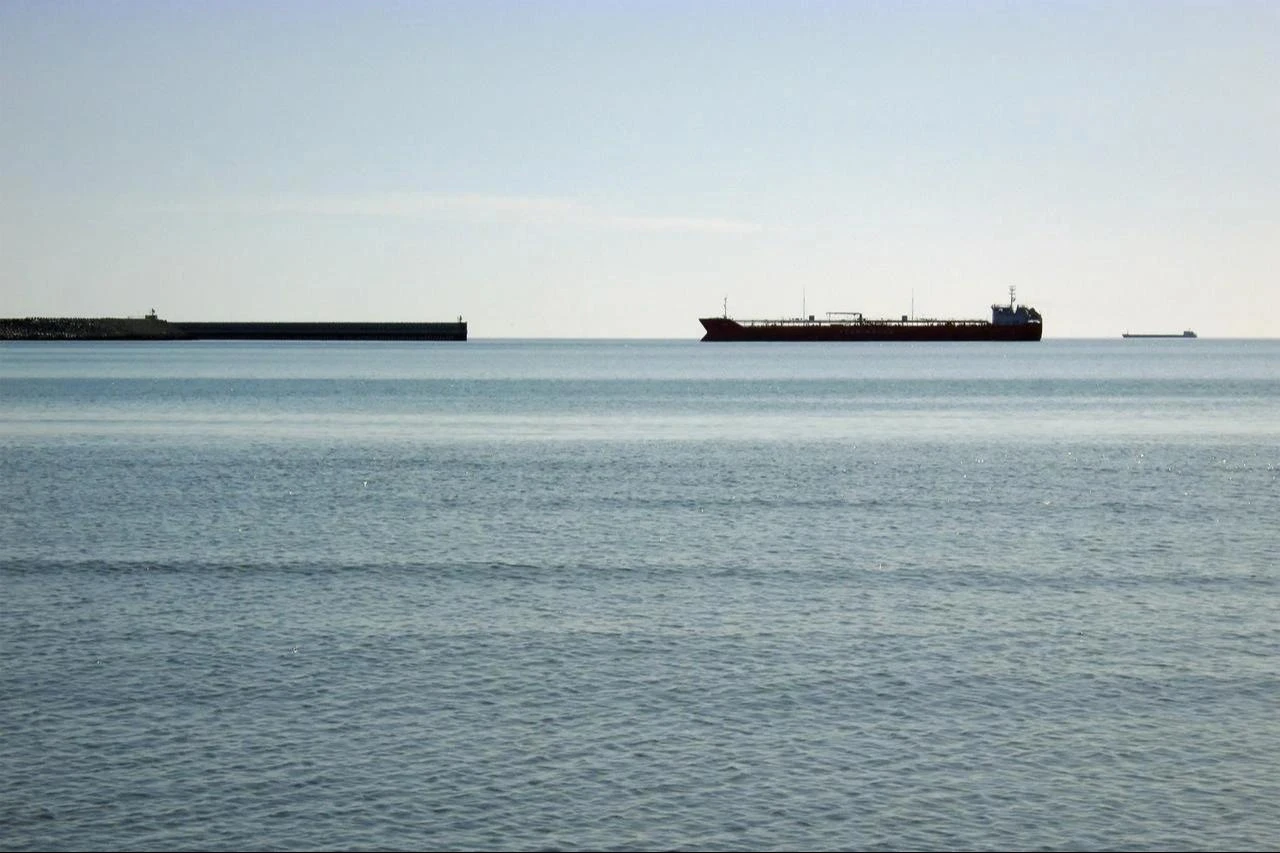

The tighter supply is affecting independent refiners in China’s Shandong province, known as teapots, which account for about one-fifth of the country’s refining capacity and are major buyers of sanctioned crude.
Three sources said some Iranian oil, normally sold at discounts, was being offered at premiums to ICE Brent futures, with one citing a premium of about $2 a barrel.
Earlier this week, Iranian Light crude had been offered at a discount of around $3 a barrel.
Kpler data showed Iranian crude in floating storage outside the U.S. blockade zone had fallen to about 80 million barrels from roughly 105 million before the blockade resumed.
Two sources estimated only about 30 million barrels remained in Asian waters, around half the normal levels.
Kpler analyst Muyu Xu estimated about 40 million barrels were held on ships in Malaysian waters east of Singapore, though most had already been committed to buyers.
She said buyers could face virtually no new Iranian supplies for late-September delivery onward because no laden Iranian tankers had visibly broken through the U.S. blockade.
With Iranian supply uncertain, one Chinese independent refiner bought Brazil’s Lapa crude this week, while others considered Iraq’s Basrah crude.
“Given the thin Iranian availability amid the U.S. blockade, Chinese teapots are now looking beyond Russia and Iran,” Energy Aspects analyst Sun Jianan said.
Kpler data showed China’s Iranian oil imports fell to 785,000 barrels per day in June, the lowest since February 2023, before rising to an estimated 823,000 bpd in July and dropping to 534,000 bpd so far in August.
China imported an average of 1.4 million bpd of Iranian crude last year.
U.S. Treasury Secretary Scott Bessent said Thursday that Washington would impose the “toughest sanctions in history” on Iran, with details expected Monday, as it seeks to pressure Tehran to reopen the Strait of Hormuz and end the war.
The warning has put Chinese refiners on alert for possible sanctions targeting individual buyers, although one source said new measures were unlikely to significantly curb purchases because some already-sanctioned refiners continue processing Iranian oil.
China buys more than 80% of Iran’s shipped crude, according to 2025 Kpler data.
Beijing has rejected unilateral sanctions, with a Chinese Foreign Ministry spokesperson saying Thursday that sanctions would not resolve the conflict.


 Set as preferred source
 Set as preferred source


 1 min read

 1 min read