

 Newsletters


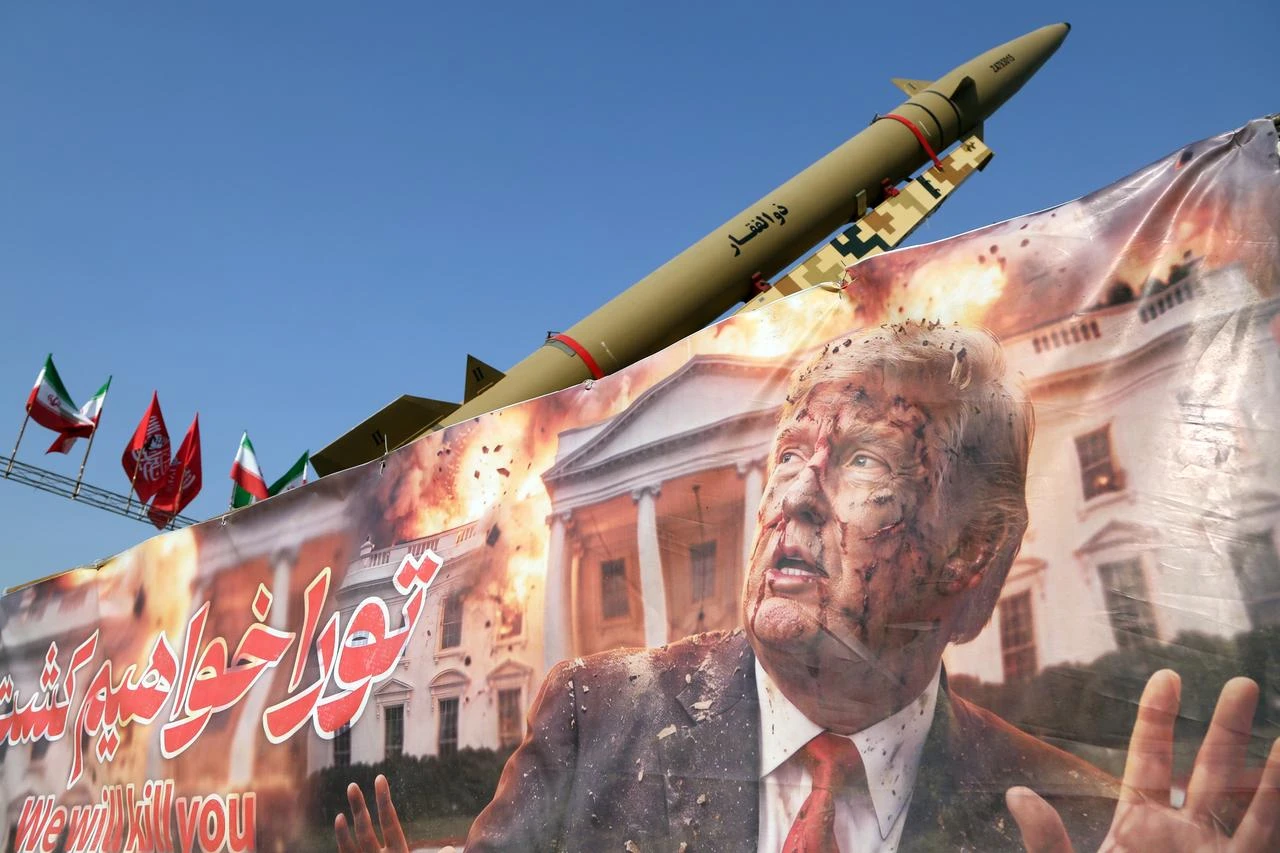


Iran’s chief of staff, Maj. Gen. Ali Abdollahi, warned Gulf states Wednesday against providing assistance to the U.S. military amid heightened regional tensions.
In a post on X, Abdollahi said countries on the southern shores of the Gulf that have publicly stated they would not allow Washington to use their territory against Iran “should know that nothing escapes our notice.”
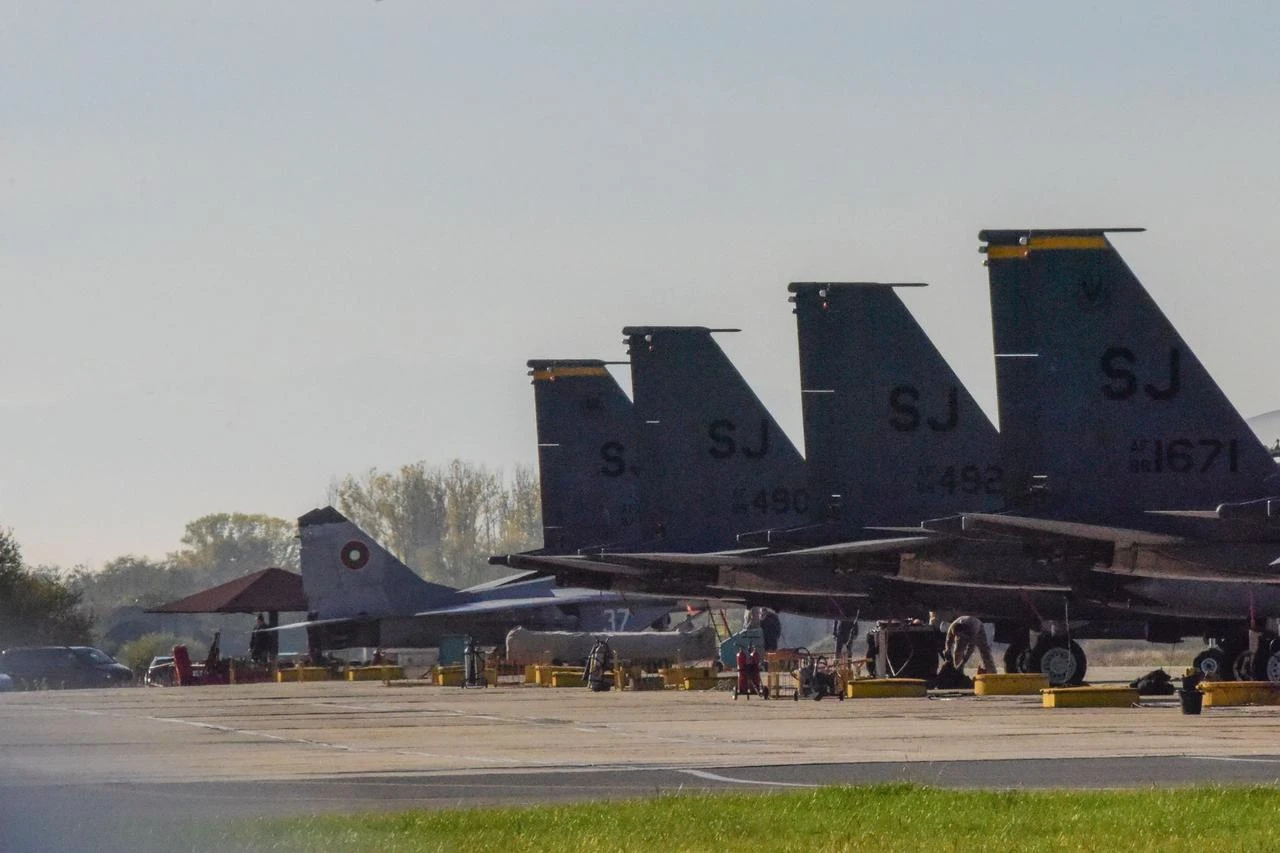
He said the presence of large numbers of U.S. military aircraft, particularly aerial refueling tankers, at bases across the region was unlikely without the knowledge of host countries.
“We warn that any assistance or facilitation provided to the aggressor U.S. military will be considered participation alongside U.S. forces,” Abdollahi said.
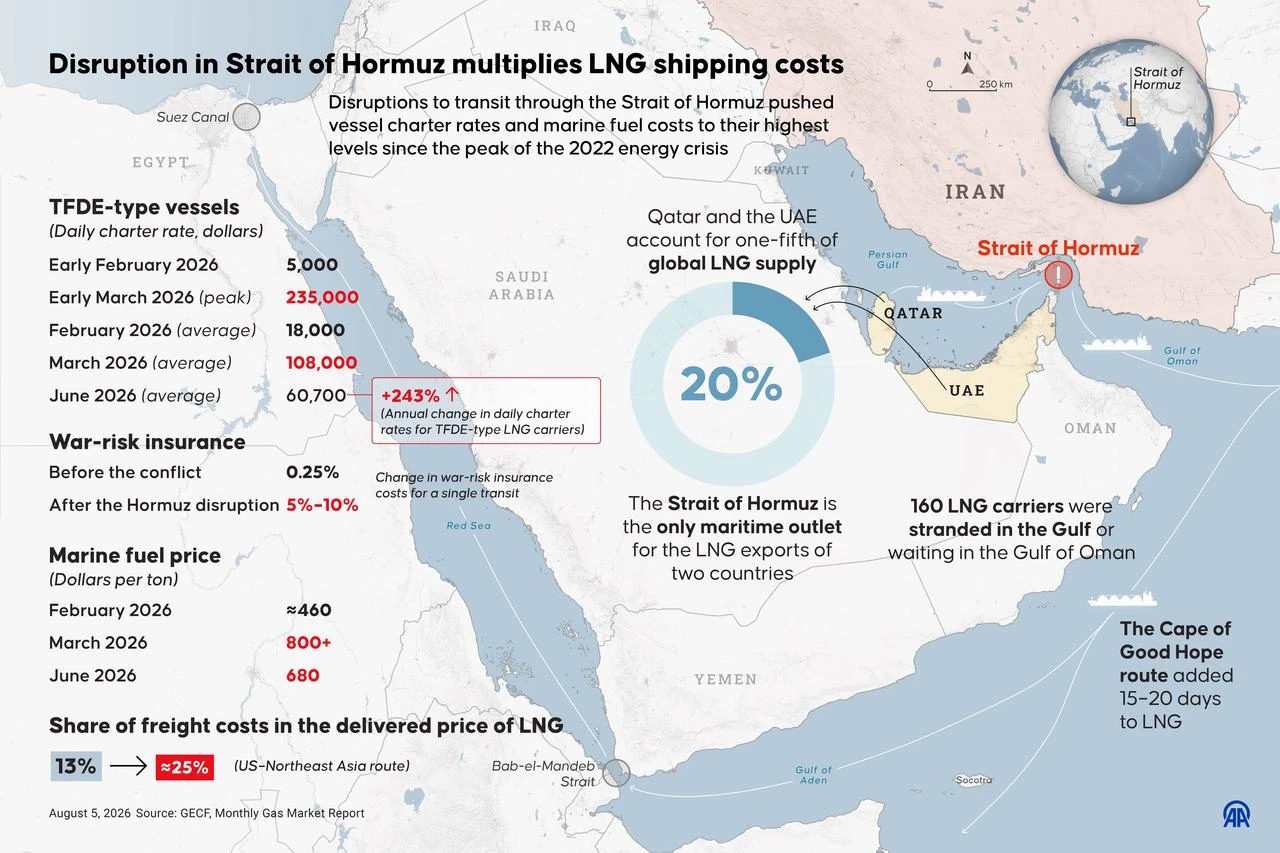
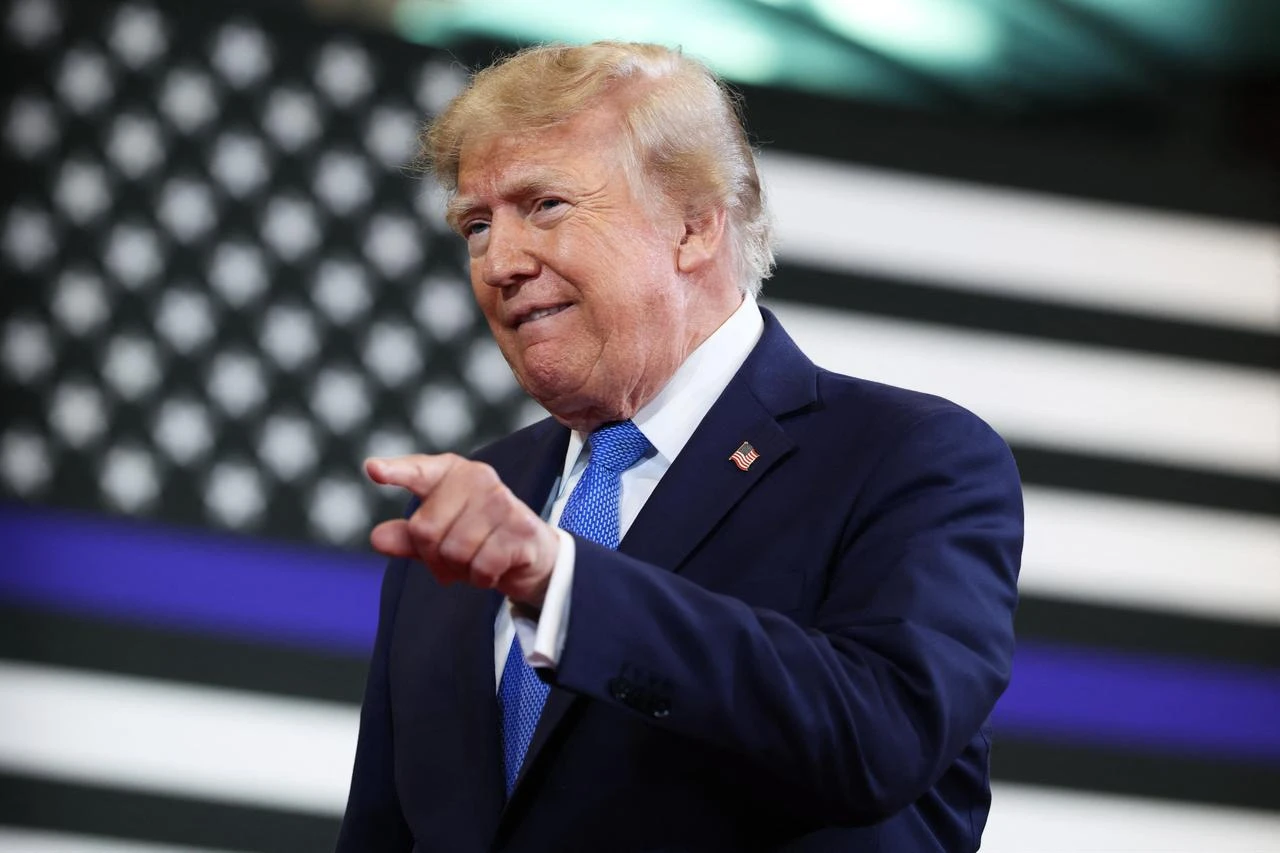
Meanwhile, U.S. President Donald Trump said Tuesday that no talks with Iran were underway or planned, adding that the Strait of Hormuz remained open under Washington’s naval blockade.
“There are no talks or conversations going on, or scheduled, with the Islamic Republic of Iran,” Trump wrote on Truth Social.
“The Naval Blockade remains in full force and effect. The Hormuz Strait is open and operating. All water mines have been removed or detonated,” he added.
Citing a U.S. official, CNN reported Tuesday that Trump told top administration envoys to halt their conversations with Iran.
White House officials have recently told political allies that they are shifting strategy from “hammer Iran ASAP” to “strangle them” over time, CNN reported, citing a source familiar with the matter.
According to the report, Trump’s instruction to his negotiating team, Vice President JD Vance and envoys Steve Witkoff and Jared Kushner, to stop engaging with Tehran came after some “positive discussions” with Iran.

Kushner was in Israel on Monday to meet Prime Minister Benjamin Netanyahu to discuss regional issues, including Gaza.
Following the meeting, Kushner told Fox News that communications between the United States and Iran were “more robust” than ever.
 1 min read
Tehran and Washington agreed to a cease-fire in April and later signed a memorandum of understanding in June aimed at ending their military conflict and reaching a lasting peace agreement.
The deal collapsed last month, however, with Iran and the United States exchanging attacks for nearly two weeks before Trump abruptly halted the bombardment amid efforts to revive the agreement.


 Set as preferred source
 Set as preferred source



 1 min read



