Newsletters


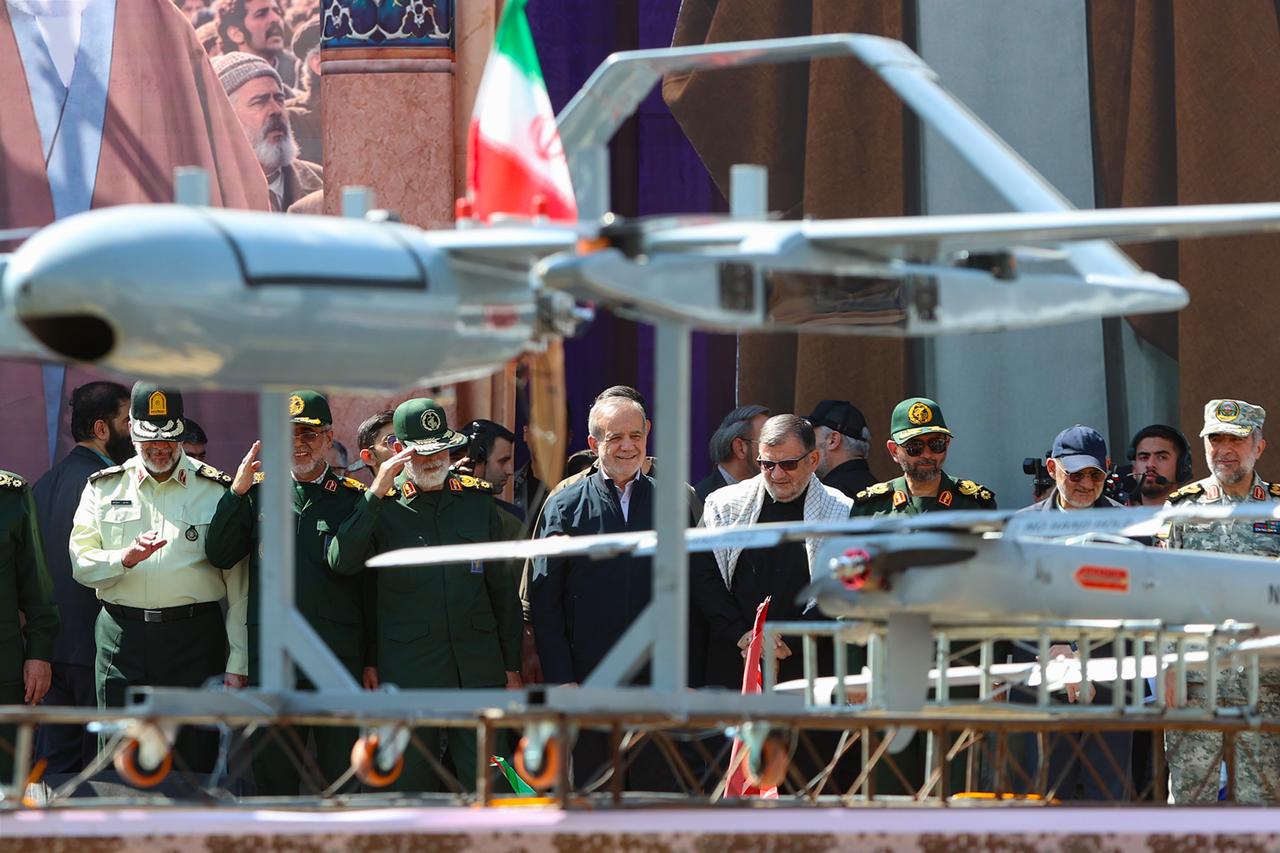


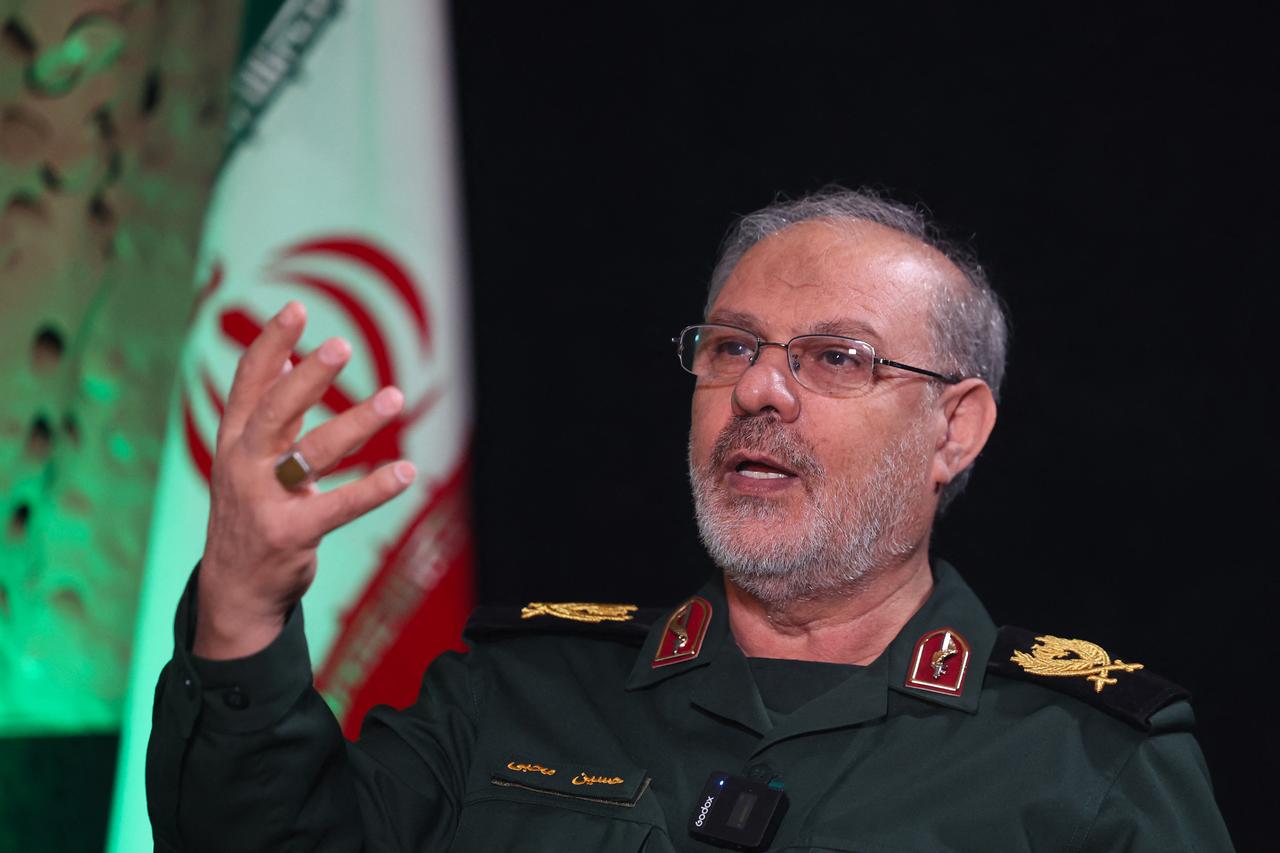
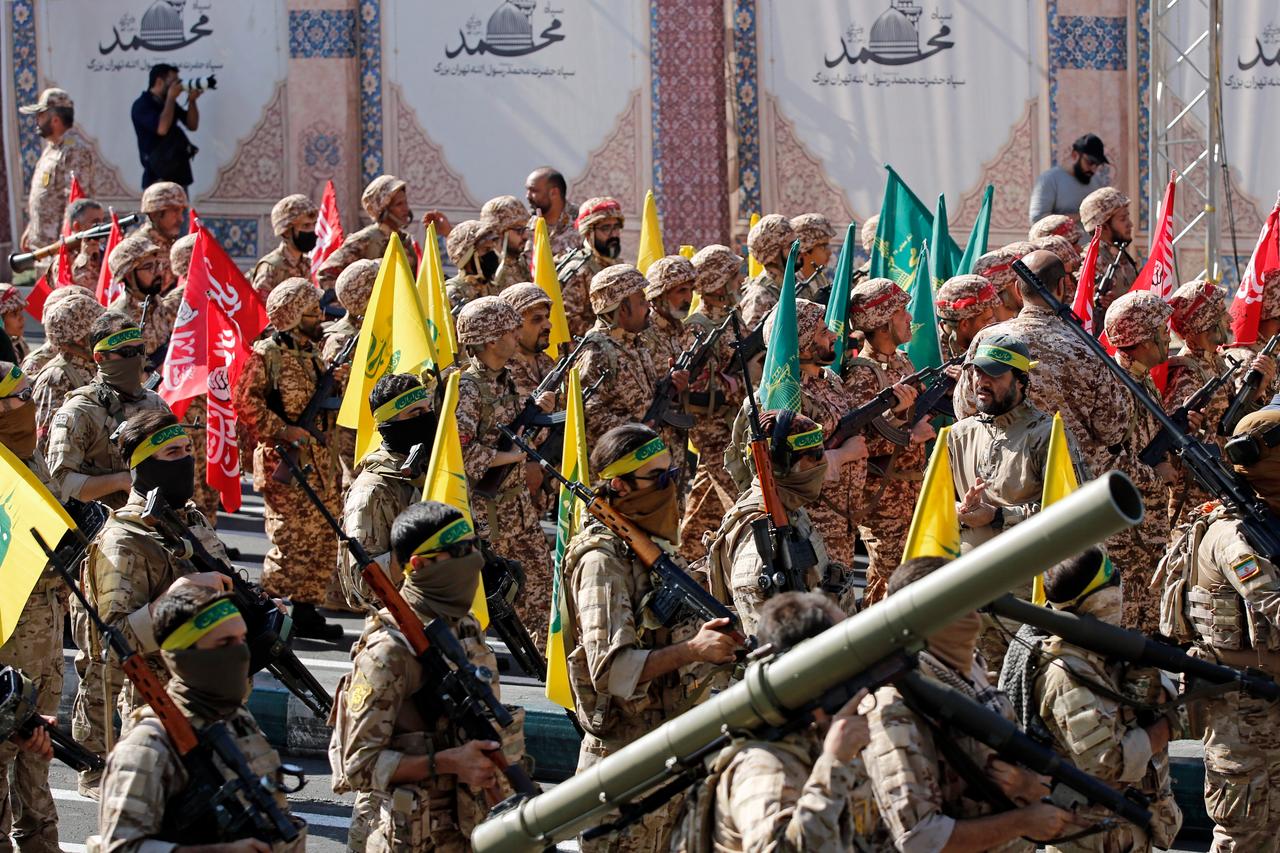
Iranian Revolutionary Guard Corps spokesperson Hossein Mohibi said the United States and Israel have misread Iran’s missile and drone capabilities, warning that Tehran would use different weapons in the event of another attack.
According to Iranian media reports, Mohibbi made the remarks while assessing Iran’s military capacity.
Mohibbi claimed that the range, destructiveness and precision of the weapons Iran used during the war had surprised the “enemy.”
He said the U.S. and Israel had incorrect assessments of Iran’s missile and unmanned aerial vehicle capacity.
“In the event of a possible attack, we will use different weapons,” Mohibbi said.
Mohibbi said the U.S. had been unable to open the Strait of Hormuz despite its advanced military power, adding that U.S. warships had withdrawn to a distance of 400 kilometers from the waterway and were stationed in Bahrain.
He described the movement of U.S. warships away from the Strait of Hormuz as a victory for Iran.
“Iran has some capabilities and strategic targets that it has not used so far,” Mohibbi said. “These capabilities will be used when necessary.”

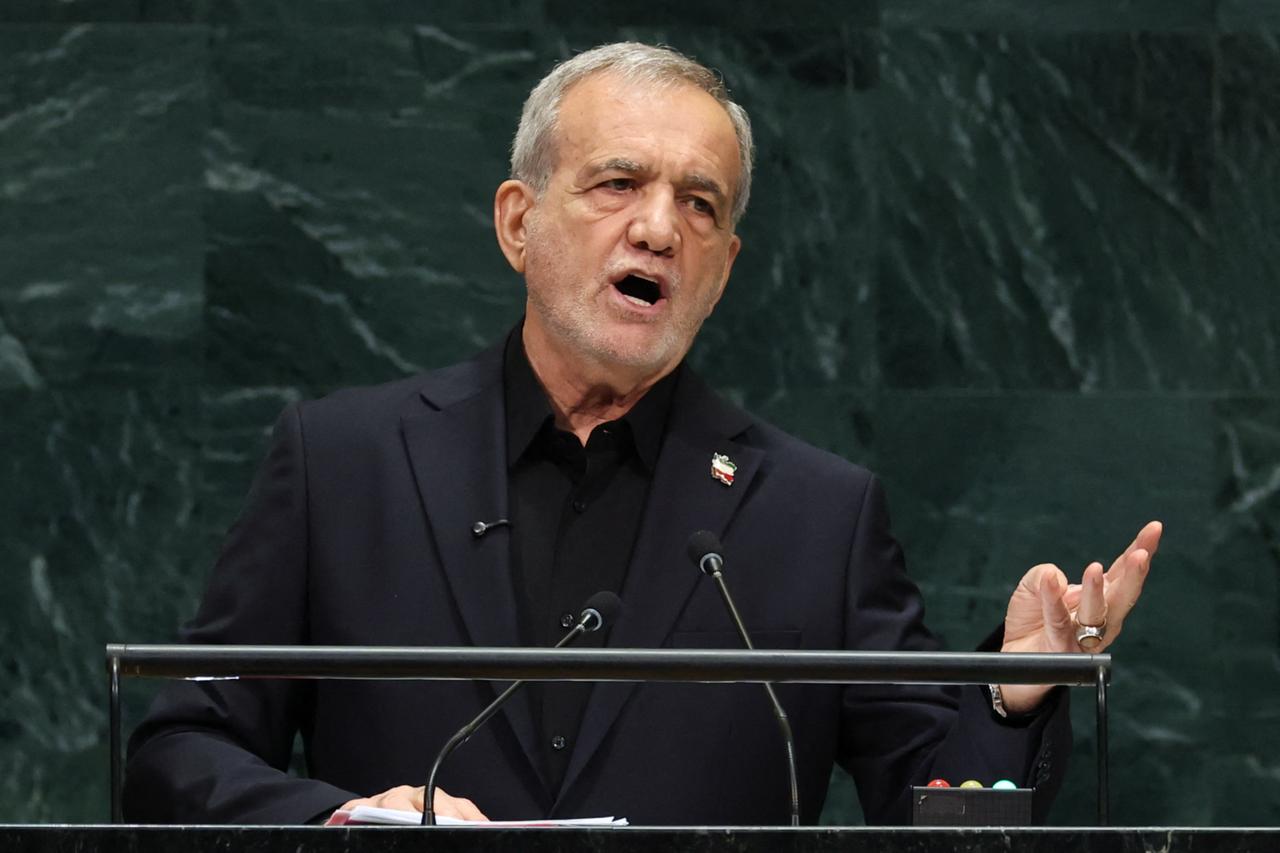
Meanwhile, Iranian President Masoud Pezeshkian said Thursday that Iran does not seek war with the U.S. and remains prepared to pursue a negotiated agreement.
In an exclusive interview with Fox News’ Bret Baier, Pezeshkian was asked whether Iran was choosing war or a deal.
“We do not choose war. The war was imposed on us. We do not seek war,” Pezeshkian said.
He said Iran remained willing to move forward with an agreement with Washington, referring to the June memorandum that called for a final peace deal within 60 days but collapsed because of differences over navigation in the Strait of Hormuz.
“We did reach an agreement with your president,” Pezeshkian said, referring to Donald Trump. “Based on that, we are willing and still wish to move forward.”
The Iranian president said it was up to the U.S. to decide whether it wanted to end the war.
Asked whether Iran would give up its 60% enriched uranium, Pezeshkian said the country would comply with its obligations under international law and the Nuclear Non-Proliferation Treaty.
“Yes,” he said. “Within the framework of international law, based on the Non-Proliferation Treaty, whatever we are supposed to adhere to, we will.”
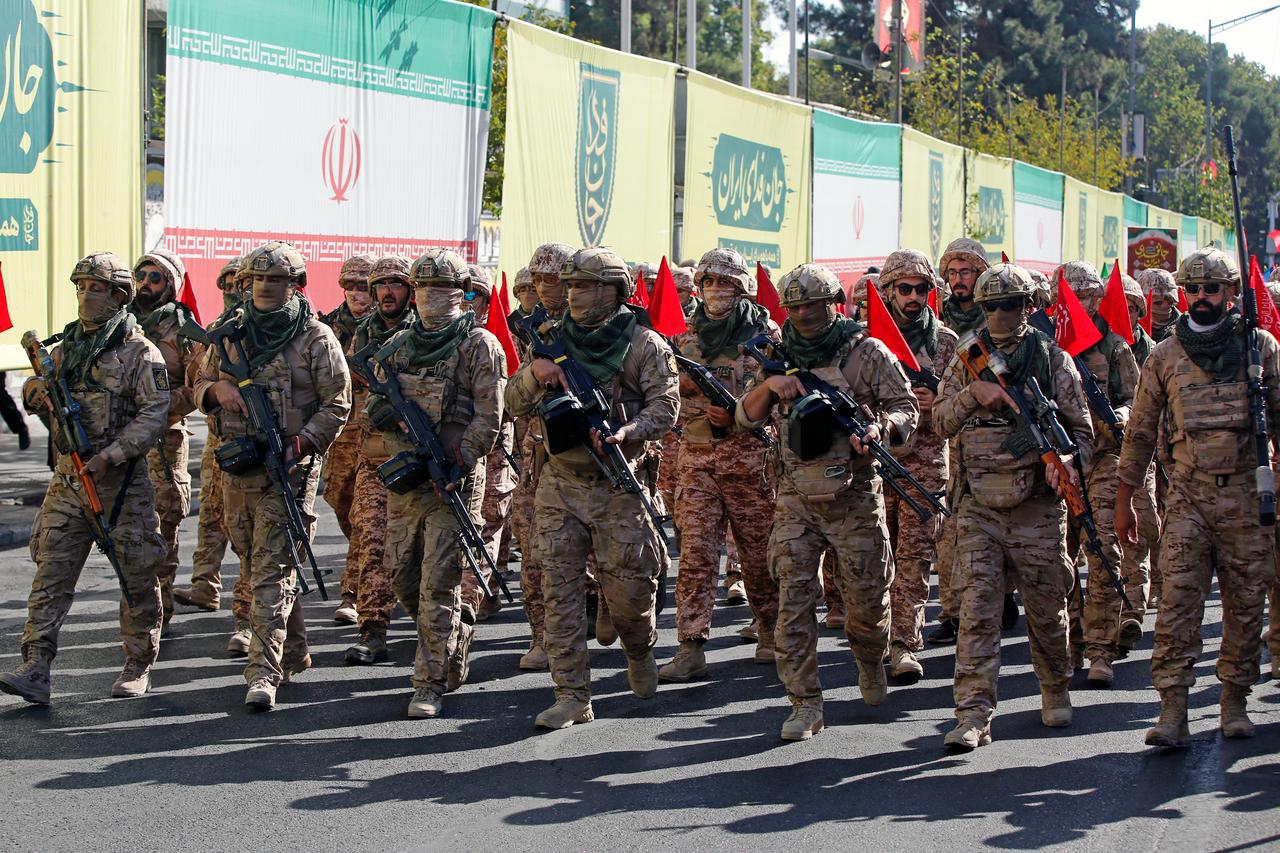
The interview also addressed Iran’s regional relationships, including its ties to Hezbollah and the Houthis.
When Baier asked whether Iran would stop arming Hezbollah and the Houthis as part of a deal, and whether it would tell the Yemeni group to stop attacking Saudi Arabia, Pezeshkian said the Houthis act independently.
“The Houthis are responsible for their own actions,” he said. “They don’t take directions from us.”
Pezeshkian also rejected the suggestion that Iran had closed the Strait of Hormuz, a strategic waterway through which one-fifth of the world’s oil passed before the war.
Baier also asked Pezeshkian about Supreme Leader Mojtaba Khamenei, who has not been seen publicly since replacing his father, Ali Khamenei, who was killed in U.S.-Israeli strikes in late February.
Pezeshkian said he had met Khamenei in person almost a month earlier and spent about seven hours with him.
Asked whether the supreme leader was healthy and able to govern, Pezeshkian replied: “Very much so, completely.”
After the U.S. and Israel launched the war against Iran on Feb. 28, Pakistan helped secure a cease-fire on April 8 and later hosted more than 20 hours of talks between American and Iranian officials in Islamabad.
Following weeks of mediation, Pakistan and Qatar helped secure the June 18 deal, which provided the two sides with a framework and 60 days to negotiate a longer-term agreement aimed at ending the war.
However, the two sides soon resumed retaliatory strikes, with tensions continuing.


 Set as preferred source
 Set as preferred source


 2 min read
 1 min read