Newsletters


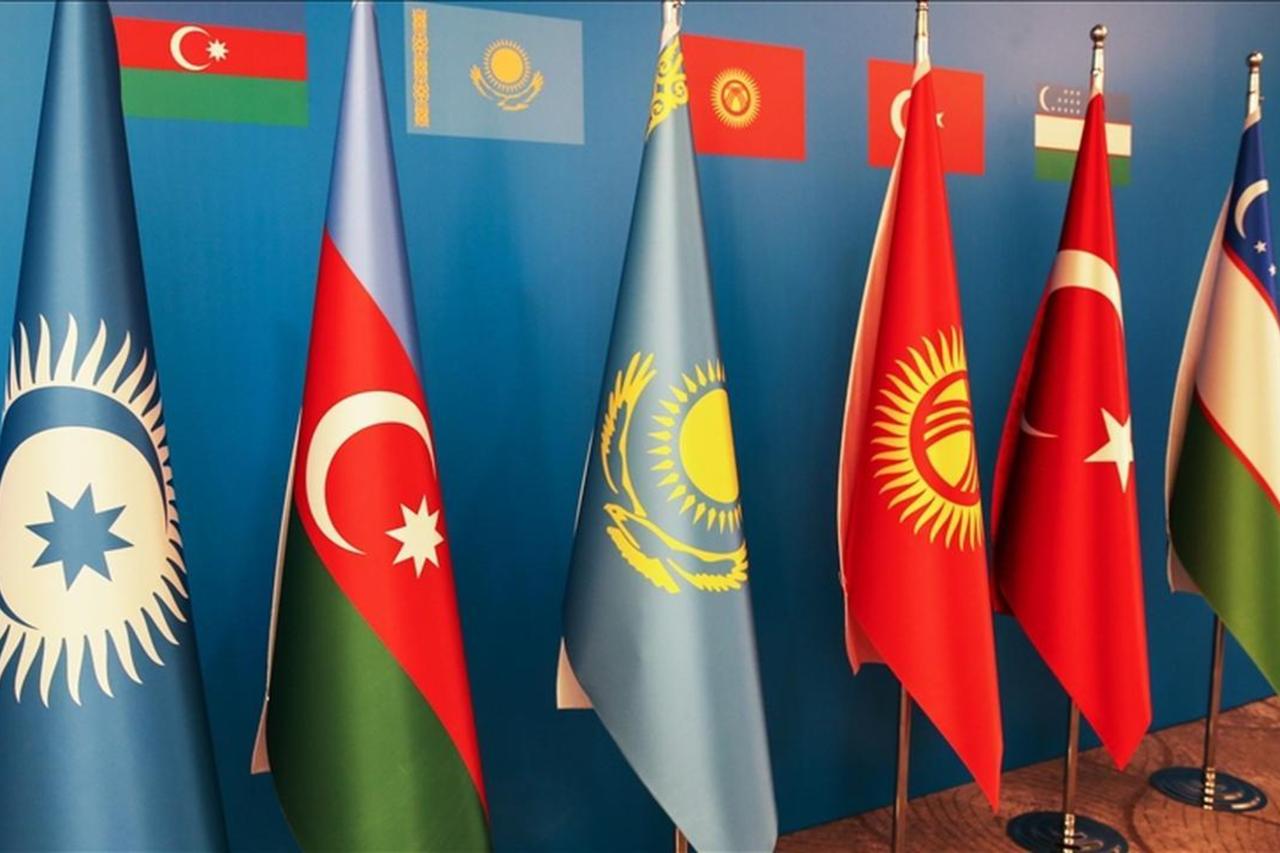


Türkiye is seeking to revive cultural cooperation with six Russian republics that has remained frozen since 2015, offering a potential new avenue for engagement with Moscow as Russia expresses interest in the Organization of Turkic States (OTS).
Kursad Zorlu, deputy chairman of Türkiye's ruling Justice and Development Party (AK Party) responsible for relations with Turkic states, called for restarting cooperation through the International Organization of Turkic Culture (TURKSOY), where the six Russian republics hold observer status.
The proposal comes as Kazakhstan's President Kassym-Jomart Tokayev raises the possibility of Russia joining the OTS as an observer member, receiving a positive response from Kremlin spokesperson Dmitry Peskov.
However, Zorlu stressed that Russia's observer membership bid faces an existing language requirement, while cultural cooperation with Russian regions could proceed through a separate framework.
Altai, Tuva, Chuvashia, Bashkortostan, Yakutia and Tatarstan hold observer status in TURKSOY, an international organization established in 1993 to promote cooperation in Turkic culture and the arts.
Their cooperation with the organization has effectively been suspended since 2015, when Russia decided to freeze the activities of the republics in TURKSOY, according to Zorlu. No mutual meetings or activities have taken place since then.
"Now I say: Let us reconsider this frozen situation within TURKSOY and bring cultural cooperation, one of the strongest partnerships between the two sides, back to life," Zorlu said.
He described Russia's cultural connections with the Turkic world as deep-rooted, pointing to the millions of people in Russia who share historical and ethnic ties with Turkic communities.
Tatarstan, Bashkortostan and Yakutia are among the regions with particularly strong cultural links, he added, arguing that dialogue with Russia in this field is natural.
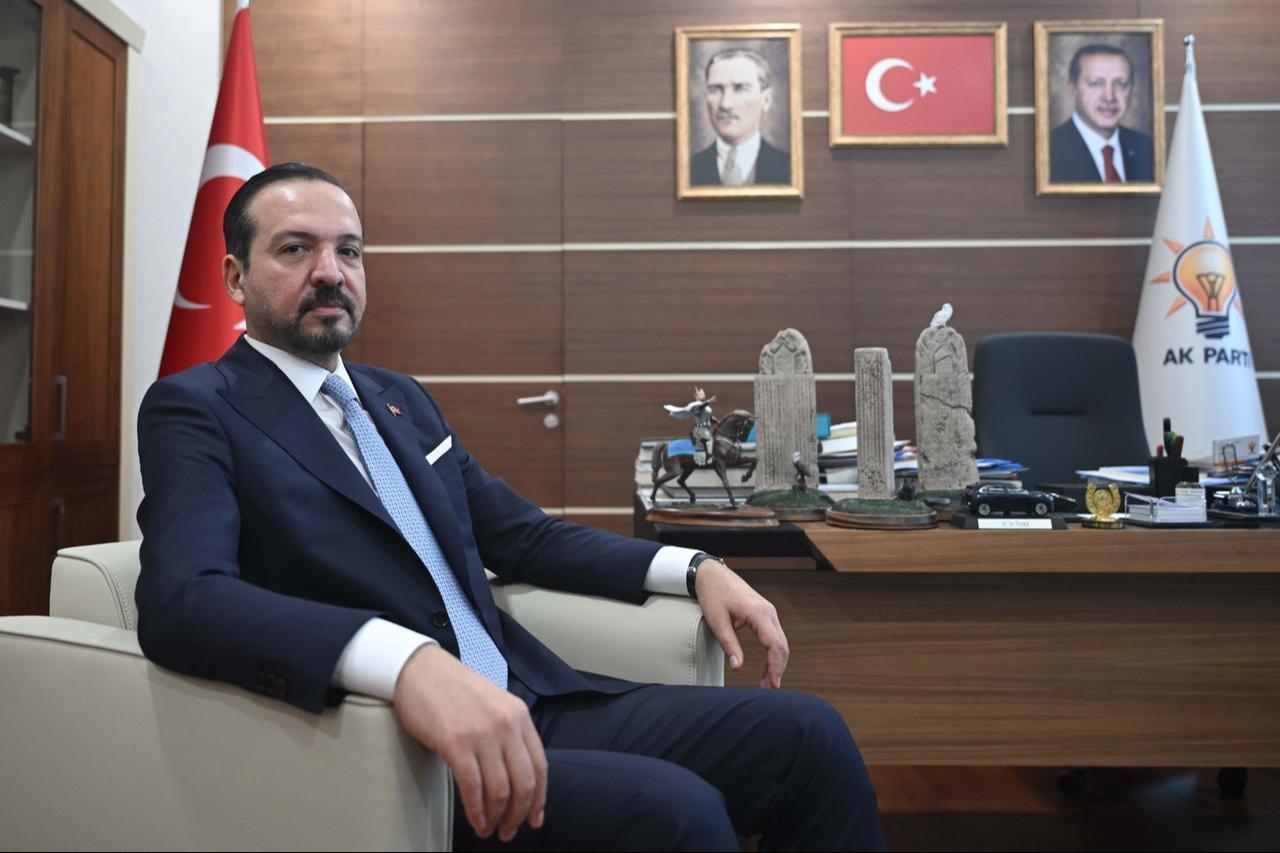

Zorlu's proposal comes amid growing discussion over Russia's potential role in the OTS, which brings together independent Turkic states around shared linguistic, historical and cultural ties.
Tokayev has proposed granting Russia observer status, while Peskov has responded positively to the idea. Zorlu, however, emphasized that the organization has established criteria governing who can apply.
Under rules adopted at the OTS' eighth summit in Istanbul in 2021, countries seeking observer status must recognize a Turkic or related language as an official language throughout their national territory.
"Only states that recognize one of the Turkic languages or related languages as a state or official language, meaning as a language of official correspondence throughout the entire country and not just in any particular region, can apply for observer status in the OTS," Zorlu explained.
The requirement sets a clear limit on eligibility under the current framework, while leaving room for other forms of cooperation with countries that do not qualify.
Zorlu pointed to the OTS Plus cooperation model, adopted last year, as a mechanism for building flexible partnerships with third countries based on mutual interests.
Under the model, high-level meetings involving member states and outside countries can take place at the foreign minister or head-of-state level, provided all OTS members approve.
Any such proposal would be assessed in light of the organization's strategic objectives and the shared interests of the Turkic world, he added.
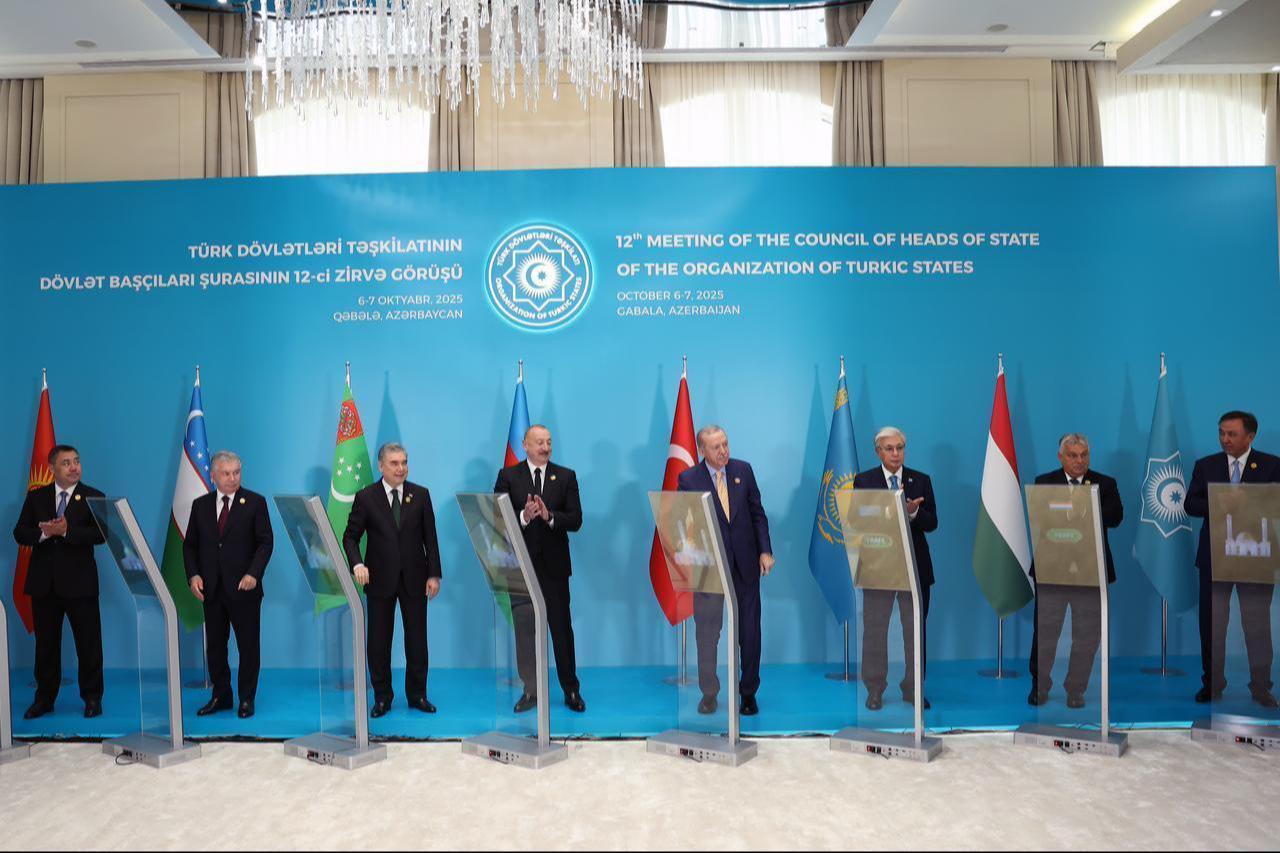
Zorlu also linked the debate over Russia's involvement to the OTS' growing strategic importance, particularly as the Middle Corridor strengthens connections between Asia and Europe.
The summit in Ankara, hosted by President Recep Tayyip Erdogan, produced a 163-article declaration covering economic relations, politics, foreign policy, culture and social cooperation.
Türkiye has assumed the organization's rotating presidency and plans to follow up on the decisions made at the summit, Zorlu said, adding that 2027 would bring greater attention to the Turkic world across government institutions.
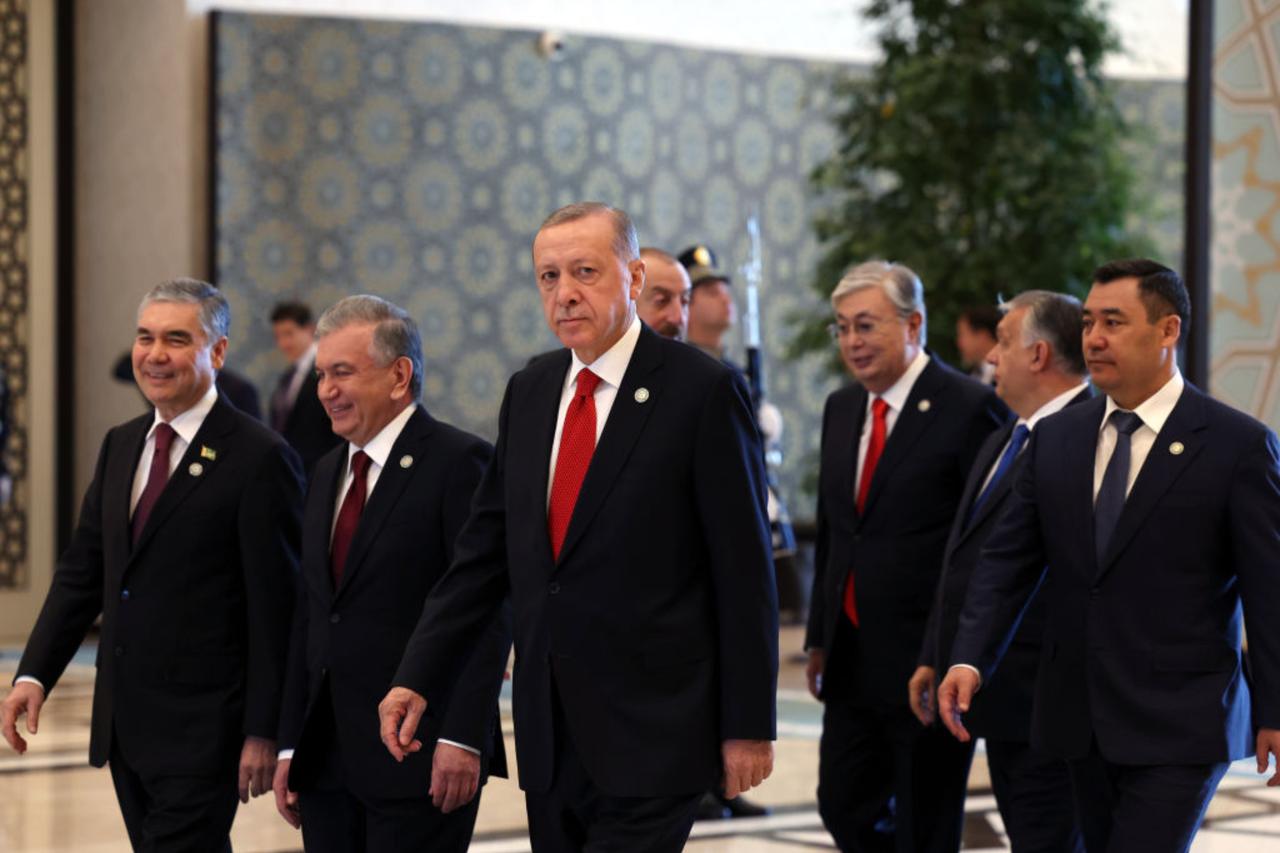
He cited a formal dinner attended by leaders of member states ahead of the summit, a congratulatory phone call from U.S. President Donald Trump and Russia's recent approach as signs of increasing international interest in the organization.
The gathering also featured the opening of the Civilization Park at Besteppe National Forest within the Presidential Complex in Ankara.
The site includes replicas of Ahlat tombstones and reproductions of inscriptions associated with Bilge Khagan, Tonyukuk and Kul Tigin, displayed beneath the flags of the 16 Turkic states.
Zorlu described the park as a message to future generations about the Turkic world's shared history and its ambitions for the future.


 Set as preferred source
 Set as preferred source


 1 min read
 1 min read