Newsletters


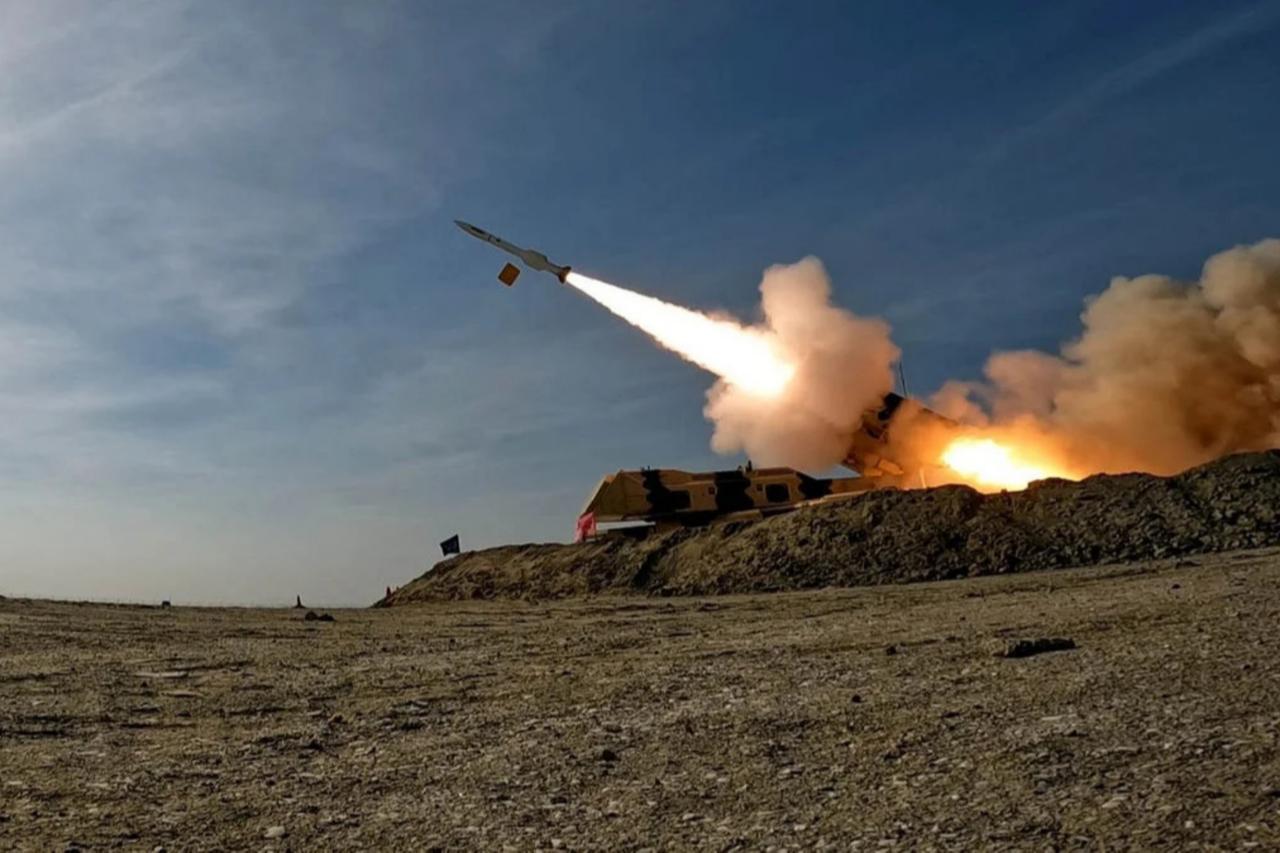


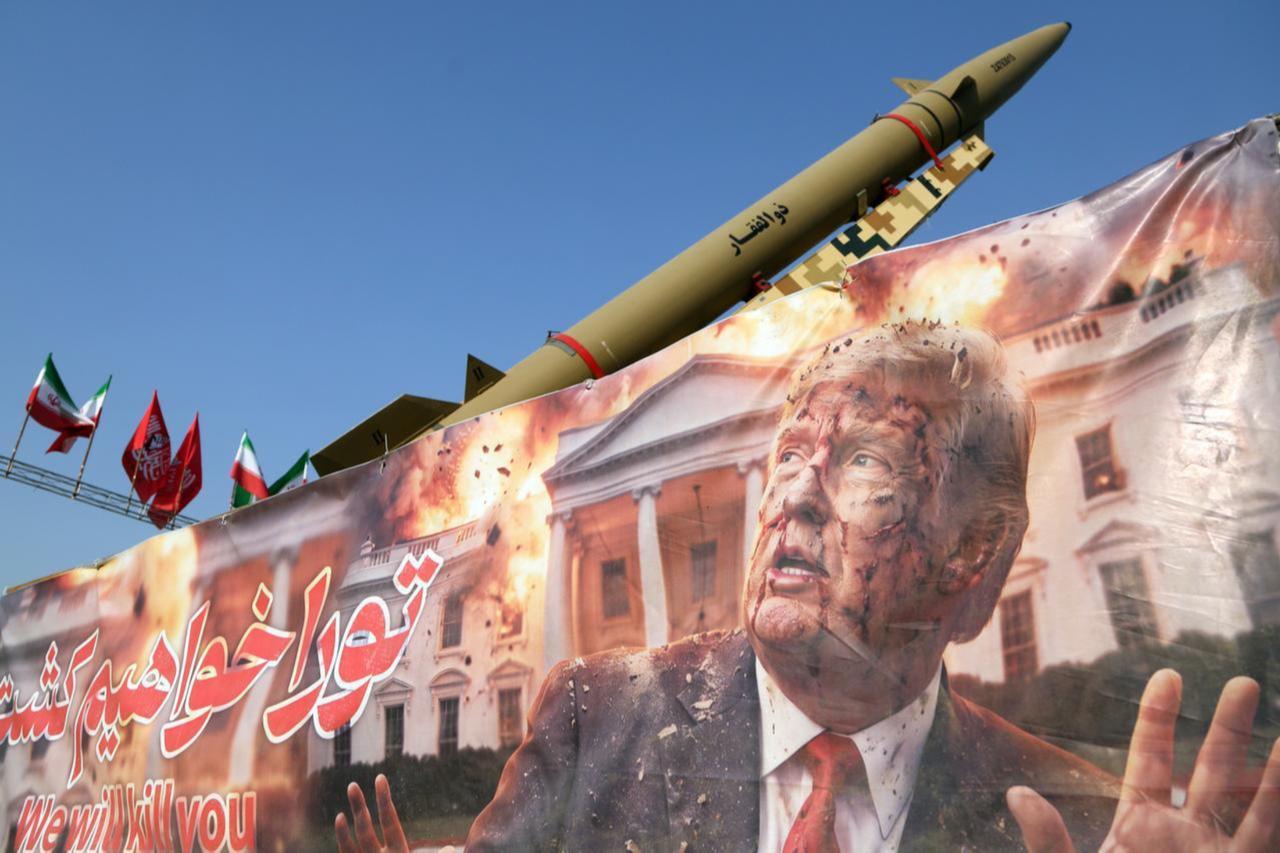
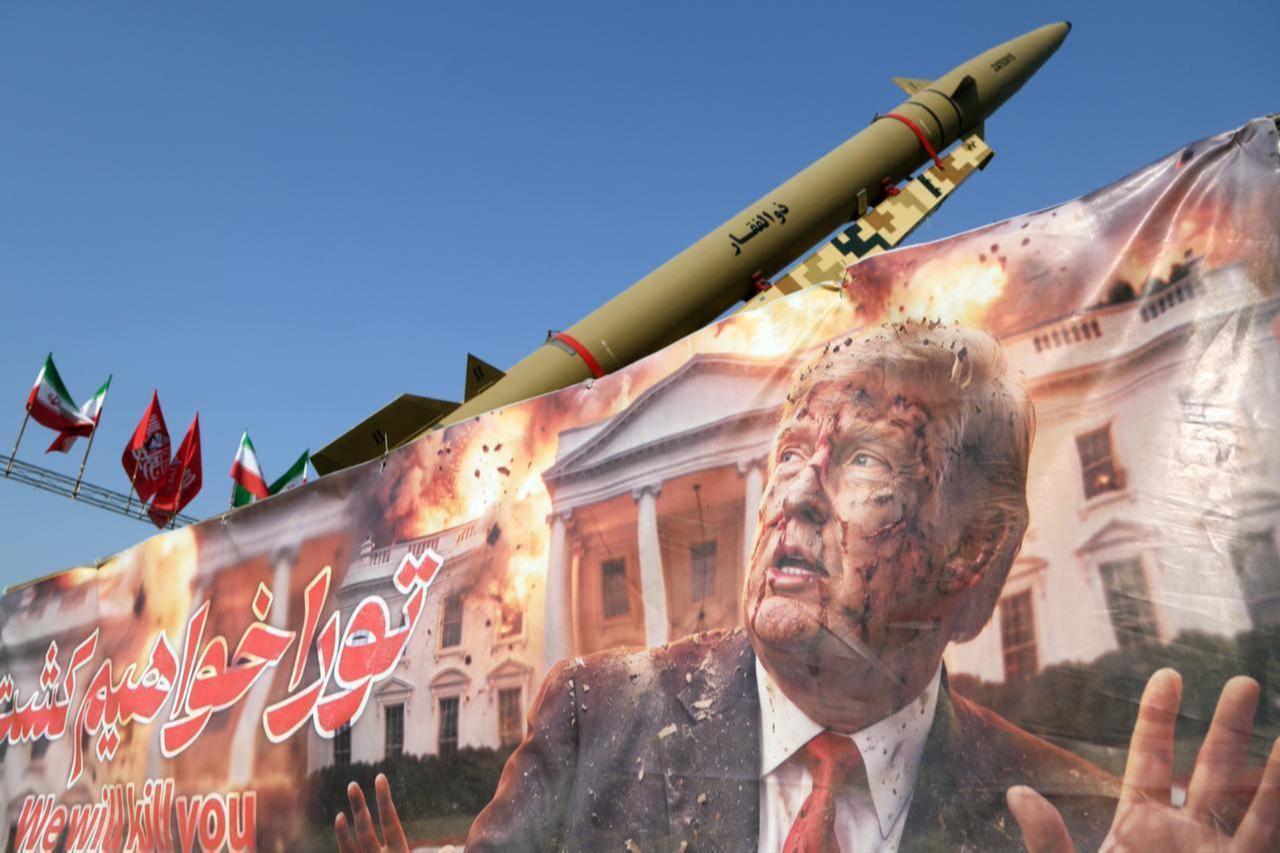
Iran’s Khatam al-Anbiya Central Headquarters said Sunday that it had received information that the U.S. had decided to resume actions against Iran, warning that any renewed attack would trigger retaliation against American forces and interests across the region.
The headquarters, the Iranian Armed Forces’ command responsible for conducting the war, claimed in a statement that the decision was taken with the backing of some regional countries during a meeting held in a European country.
"If the U.S. makes a mistake against the Islamic Republic of Iran, all of that country’s bases and interests in the region will be targeted by continuous, effective and painful attacks, without any limitations or considerations," the statement said.
The statement apparently referred to a reported secret meeting that senior U.S., Israeli and Arab military commanders held in Germany to discuss the conflict with Iran and broader regional tensions.
U.S. President Donald Trump separately said earlier this week that he was approaching a major decision on whether to resume large-scale military attacks on Iran.
The command also reiterated its warning to regional countries against aligning themselves with U.S. actions against Iran.
"We warn that if regional countries, while continuing their double-standard policy toward the Islamic Republic of Iran, align themselves with the aggression of the ‘Great Satan’ against powerful Islamic Iran, they will all be considered partners in this wrongdoing and will no longer be able to expect restraint or forbearance from Iran’s powerful armed forces," it added.

The conflict began with U.S. and Israeli strikes on Iran on Feb. 28 and has since alternated between periods of intense fighting and temporary lulls. A ceasefire and subsequent June agreement reduced the scale of hostilities, but the deal later broke down and fighting resumed.
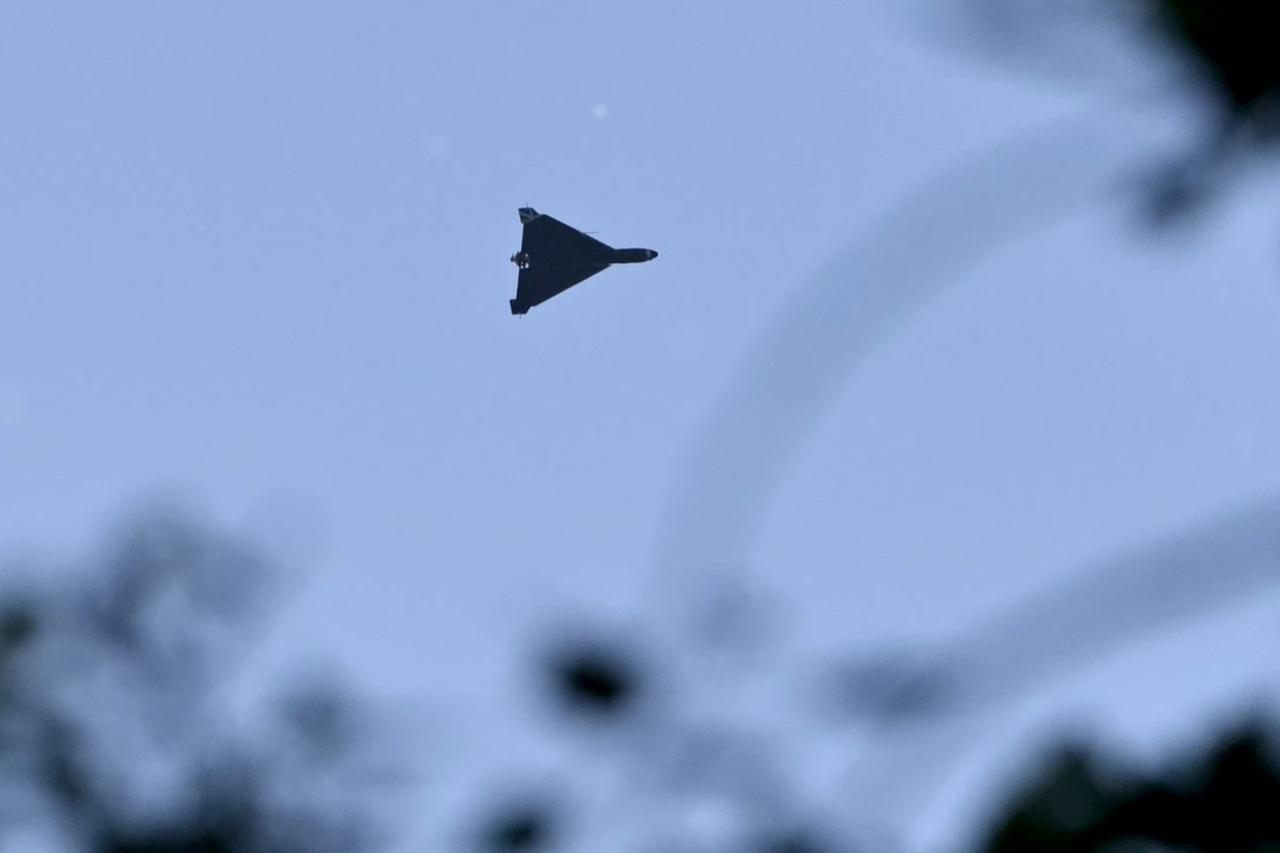
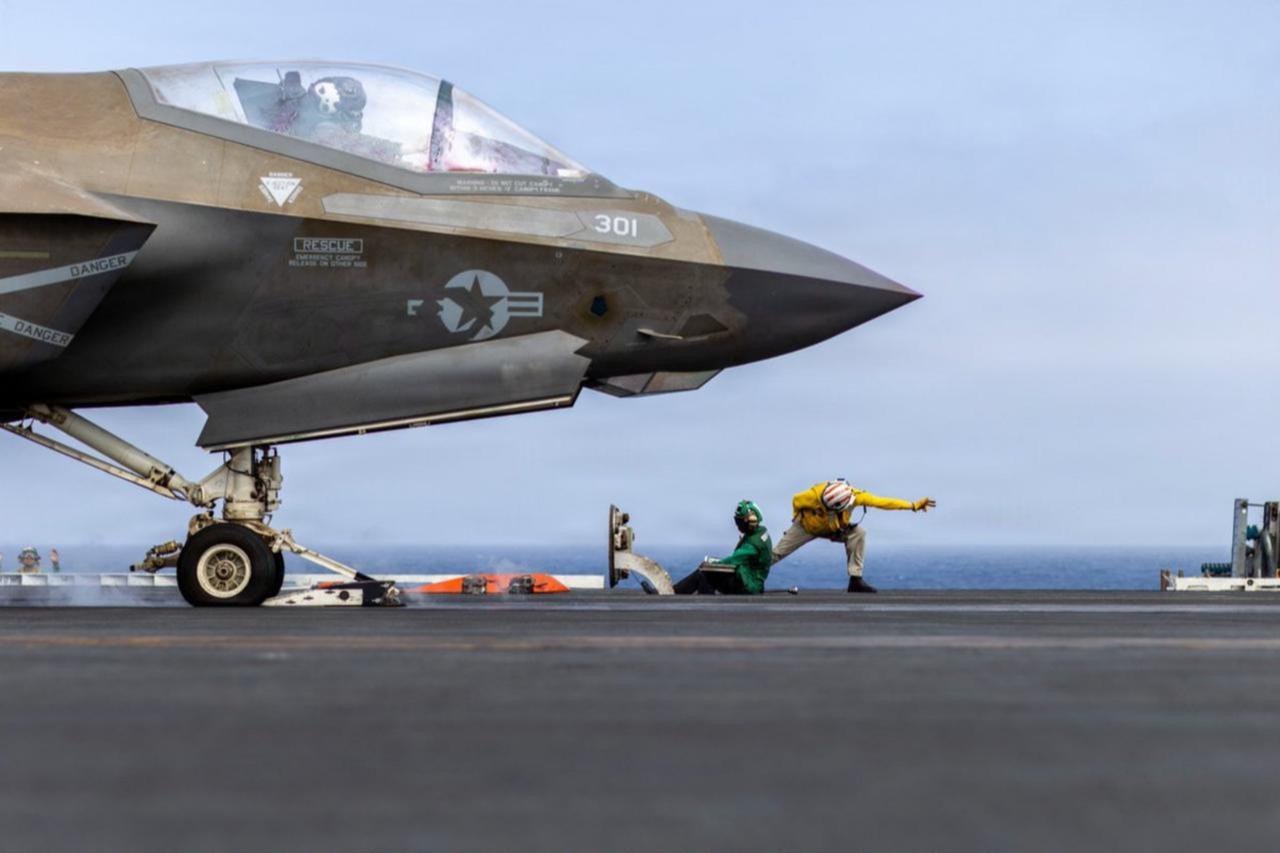
The U.S. carried out a new wave of strikes against Iran on Sept. 1 after more than a month without major military action, prompting Iranian retaliatory attacks against U.S. positions across the region.
Further exchanges followed in early September, including U.S. strikes on Iranian oil tankers and Iranian attacks on ships near the Strait of Hormuz.
Iran's top negotiator, Parliament Speaker Mohammad Bagher Ghalibaf, said Sunday that Iran must both fight and negotiate, while warning that the Strait of Hormuz, a vital energy corridor, would remain closed until Tehran's conditions are met.


 Set as preferred source
 Set as preferred source


 1 min read
 1 min read