Newsletters


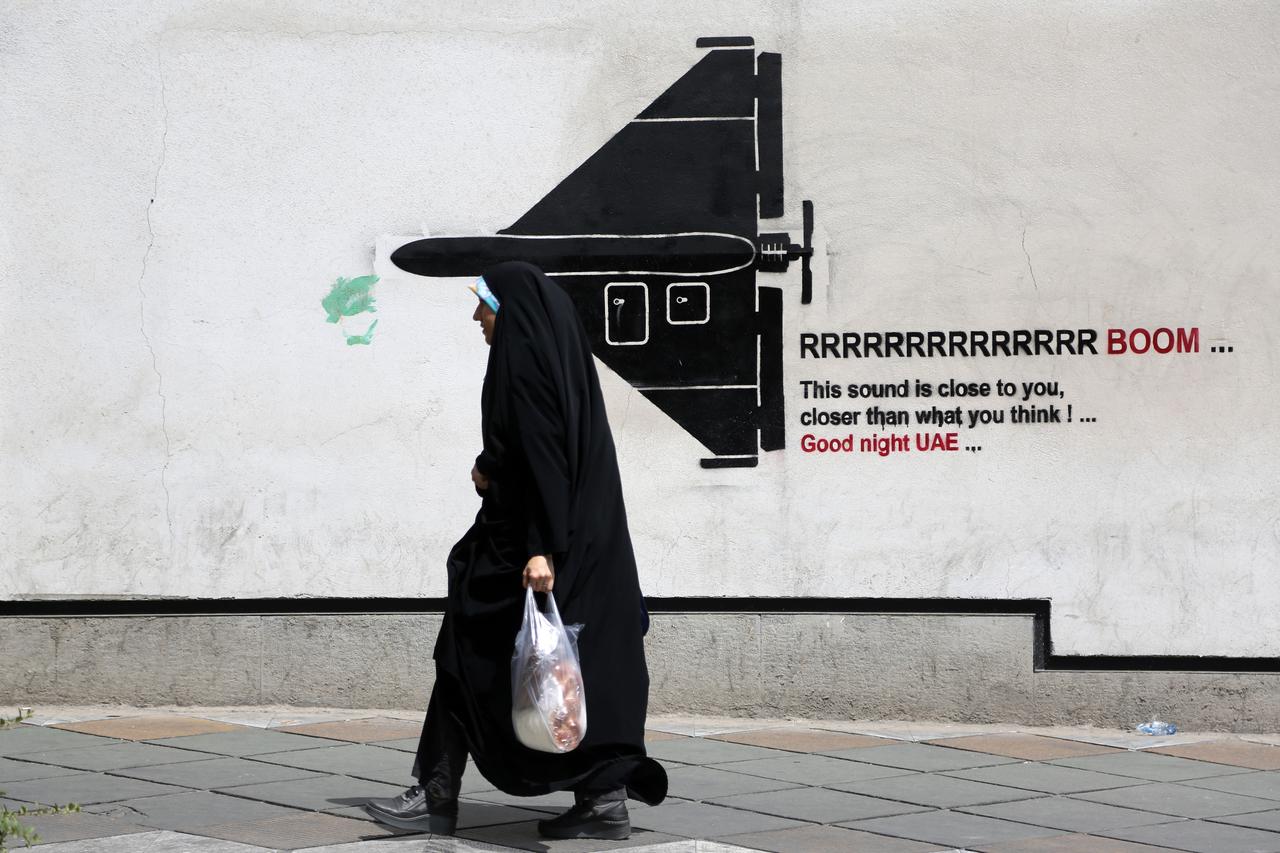


A possible future war with the United States could spread across the region and bring energy and communications infrastructure into the conflict, an Iranian army spokesman warned Wednesday.
Brig. Gen. Mohammad Akraminia told the semi-official Mehr News Agency that Iran had previously warned that any “miscalculation” by its adversaries would draw an immediate response and could expand the geographical scope of the conflict.
“A possible future war could encompass new arenas,” Akraminia said.
He pointed to the Bab al-Mandab Strait and a U.S. base in Syria, saying both had become part of the conflict despite previously being outside its geographical scope.
“Today, threats exist across the entire region, and we have the capabilities to confront and deal with them,” he said.
Akraminia said a possible future war could also involve new areas of confrontation, including energy and communications infrastructure across the region.
He specifically cited energy infrastructure and communications links that largely run along the seabed in waters off Iran and the Arabian Peninsula and through the Gulf of Oman.
“Wherever the enemy has interests, in the event of aggression, they could fall within the framework of legitimate targets of the armed forces of the Islamic Republic of Iran,” he said.
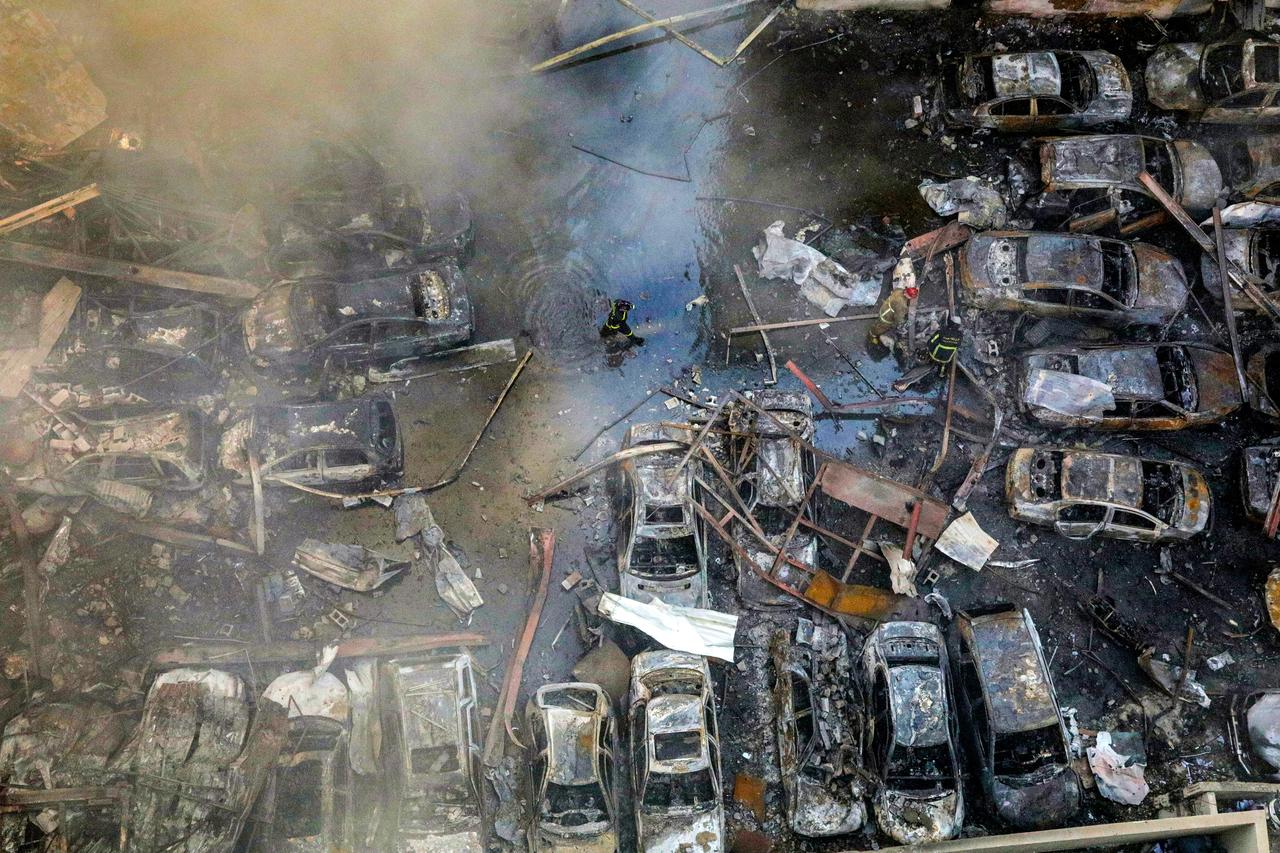

Akraminia also urged Qatar to step up efforts to determine the fate of three Iranian pilots missing since an Iranian air operation against a U.S. base in Qatar on March 2.
He said two Iranian Sukhoi aircraft struck the base before being shot down on their return flight.
The body of one of the four pilots, Majid Kazemi, was later recovered, while the other three remain missing.
Qatar has denied holding the three pilots, saying its search-and-rescue teams recovered the remains of one pilot but found no evidence that the others were captured.

Meanwhile, Iran and Oman are discussing a temporary transit corridor and mine-clearing for the Strait of Hormuz, but Tehran warned Wednesday that the vital waterway would not be reopened unless the United States ends the war.
Washington has announced fresh sanctions aimed at pressuring Iran, with Treasury Secretary Scott Bessent threatening the Islamic Republic with “economic asphyxiation.”
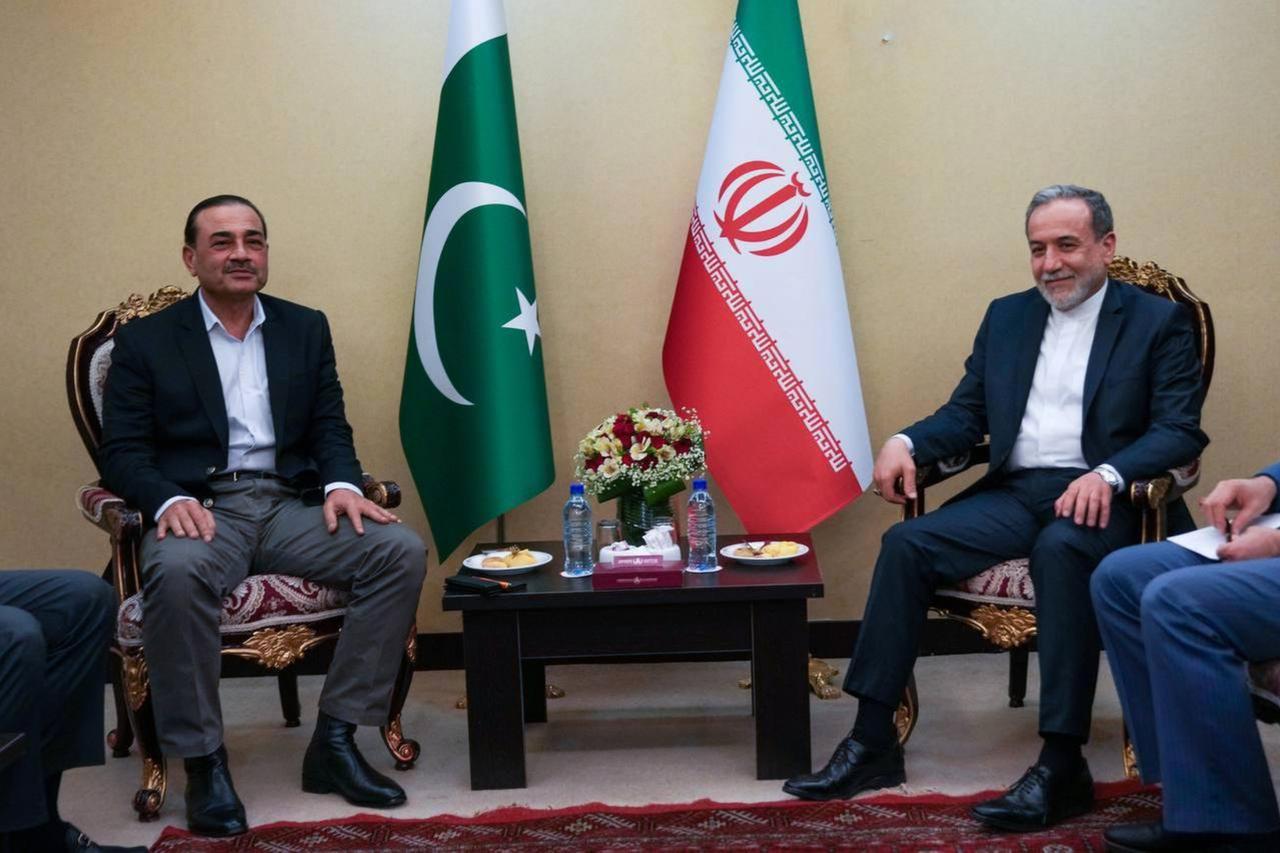
During talks in Tehran, the foreign ministers of Iran and Oman discussed a “phased framework” that included establishing a “joint temporary navigational corridor through the Strait of Hormuz” and an agreement to implement a joint project to clear the strait of mines, according to a statement.
The two countries, both coastal states bordering the strait, have sought to develop a plan to regulate transit through the waterway, as laid out in a June U.S.-Iran memorandum of understanding.
Iranian Foreign Minister Abbas Araghchi said Tuesday that the proposed framework was a “case in point” showing how Iran’s “commitment to peace and stability is matched by steadfast diplomacy with our neighbors.”
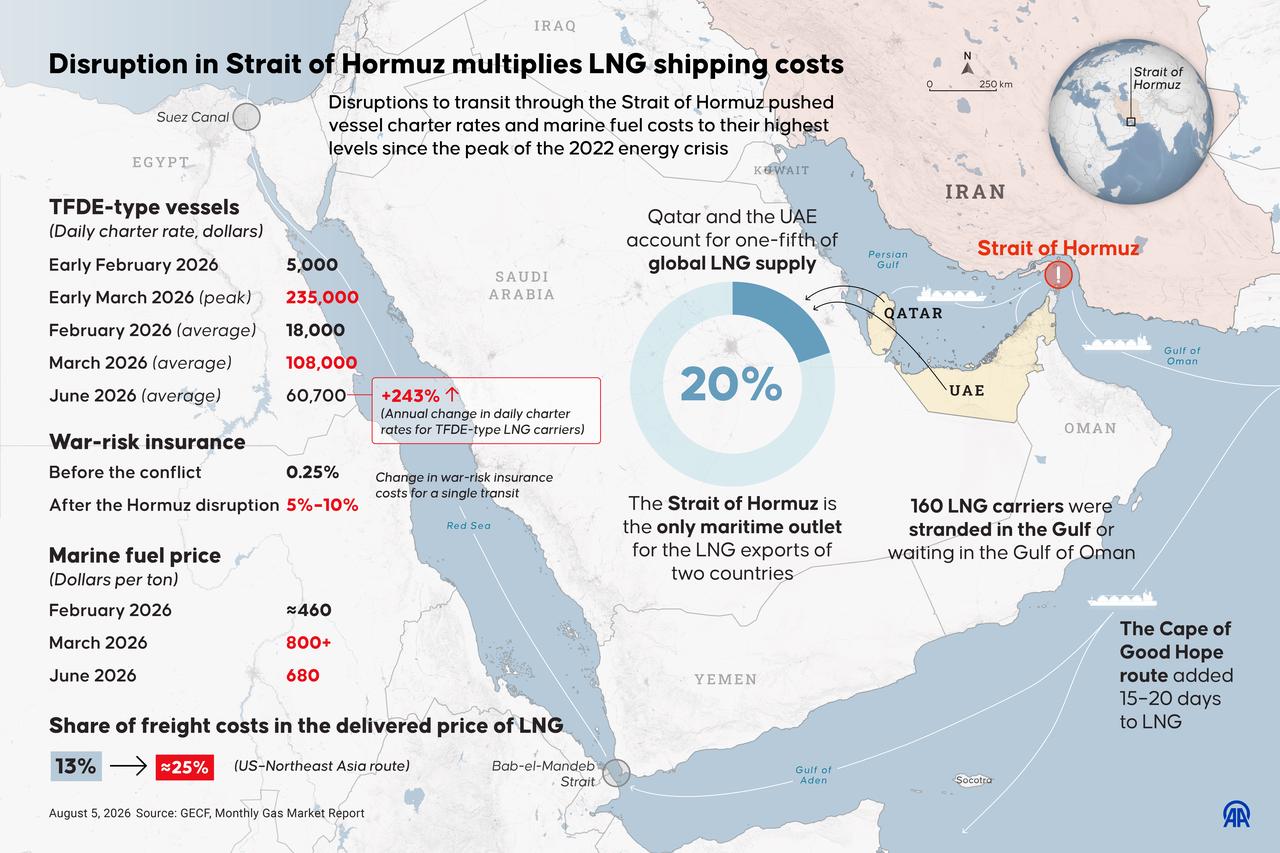
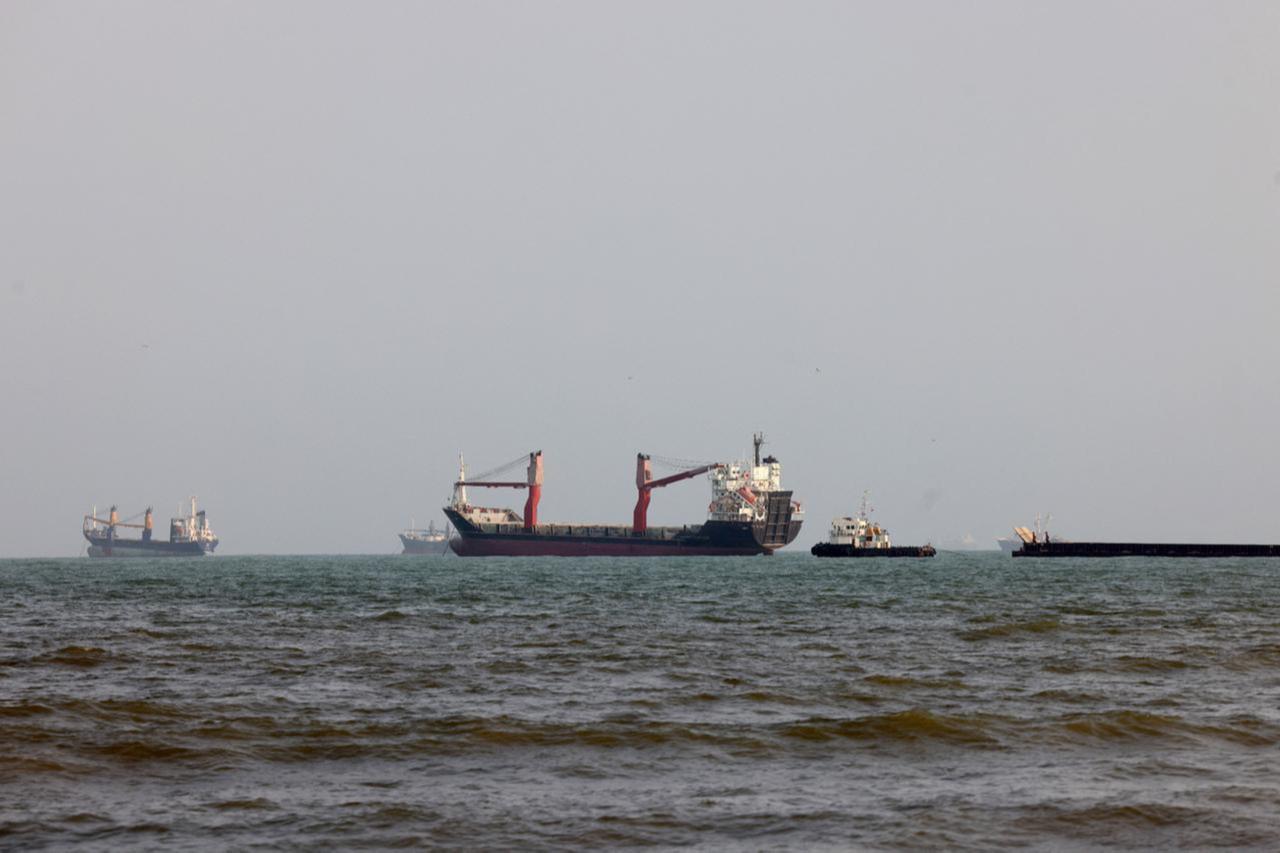
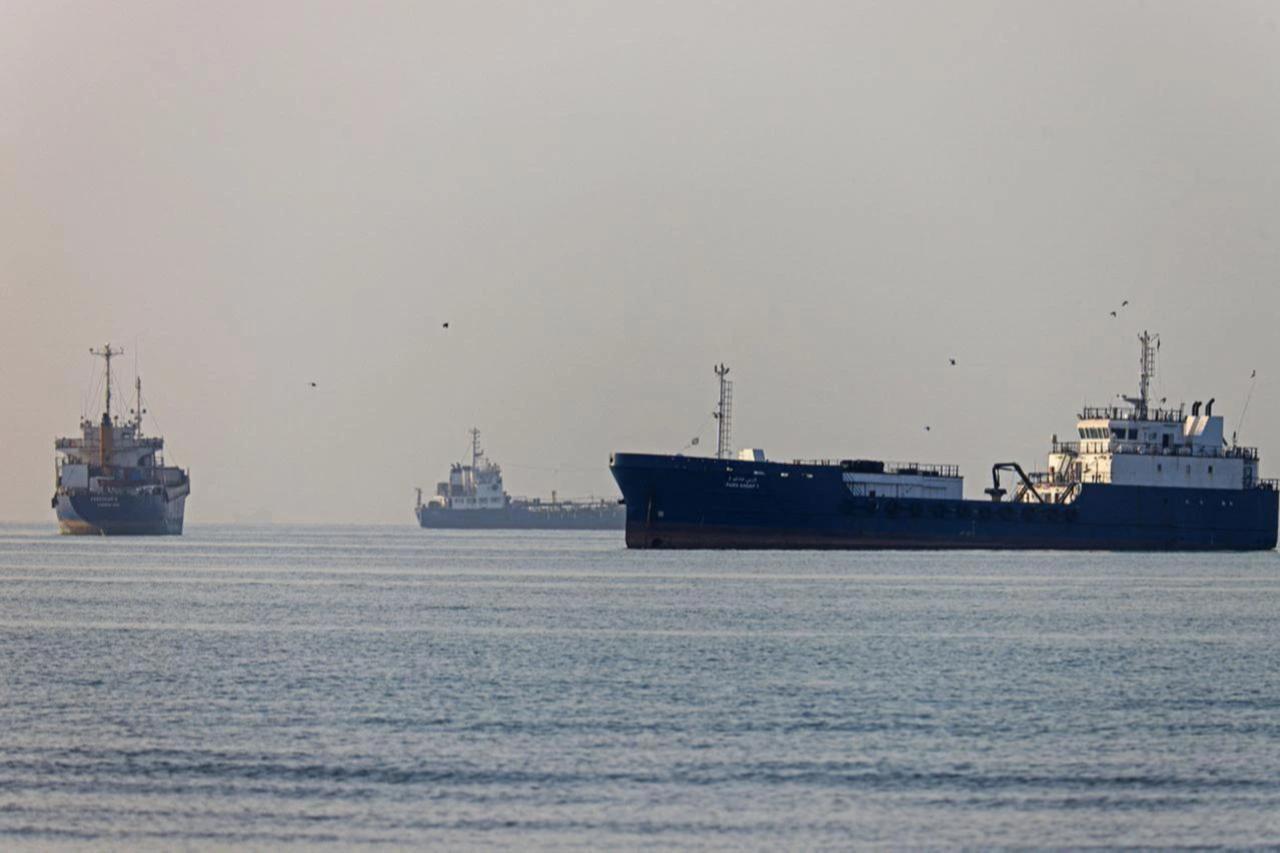
Nearly six months after the United States and Israel went to war against Iran, traffic through the Strait of Hormuz remains largely paralyzed, disrupting global oil markets.
Tehran has blockaded the crucial waterway, which normally carries around one-fifth of the world’s oil and liquefied natural gas exports, while Washington has imposed a naval counter-blockade on Iranian ports.
Iranian Deputy Foreign Minister Kazem Gharibabadi warned Wednesday that no military vessel would be allowed to pass through the Strait of Hormuz.
“We closed the Strait of Hormuz before the United States imposed an economic blockade because the United States failed to fulfill its commitments under the memorandum of understanding,” Gharibabadi said, according to state news agency IRNA.
Gharibabadi said no military vessels from any country would be allowed through the strait, while Iranian authorities would monitor commercial vessels seeking to cross it.
“Before any action is taken to reopen the Strait of Hormuz, the United States must fully implement all of the commitments it has violated,” he said.
He called on the United States to end the war, lift its blockade and resolve the situation in Yemen.
Yemen, embroiled in more than a decade of civil conflict, became the latest country to be drawn into the Middle East war in July after the Iran-backed Houthis upended a 2022 truce with the country’s Saudi-backed government.
The remarks came against the backdrop of the conflict between Iran and the United States, which began Feb. 28 with U.S. and Israeli military strikes on Iran.
The conflict later expanded across the region as Tehran retaliated against U.S. military positions.
The hostilities drew in several regional fronts and disrupted maritime traffic, while Iran and the United States eventually signed a memorandum of understanding on June 18 through Qatari and Pakistani mediation.
The memorandum was aimed at ending the fighting and setting the stage for negotiations.
Tehran has since accused Washington of failing to fully implement the memorandum, while Qatar and Pakistan have continued diplomatic efforts between the two sides.


 Set as preferred source
 Set as preferred source


 1 min read
 1 min read