Newsletters


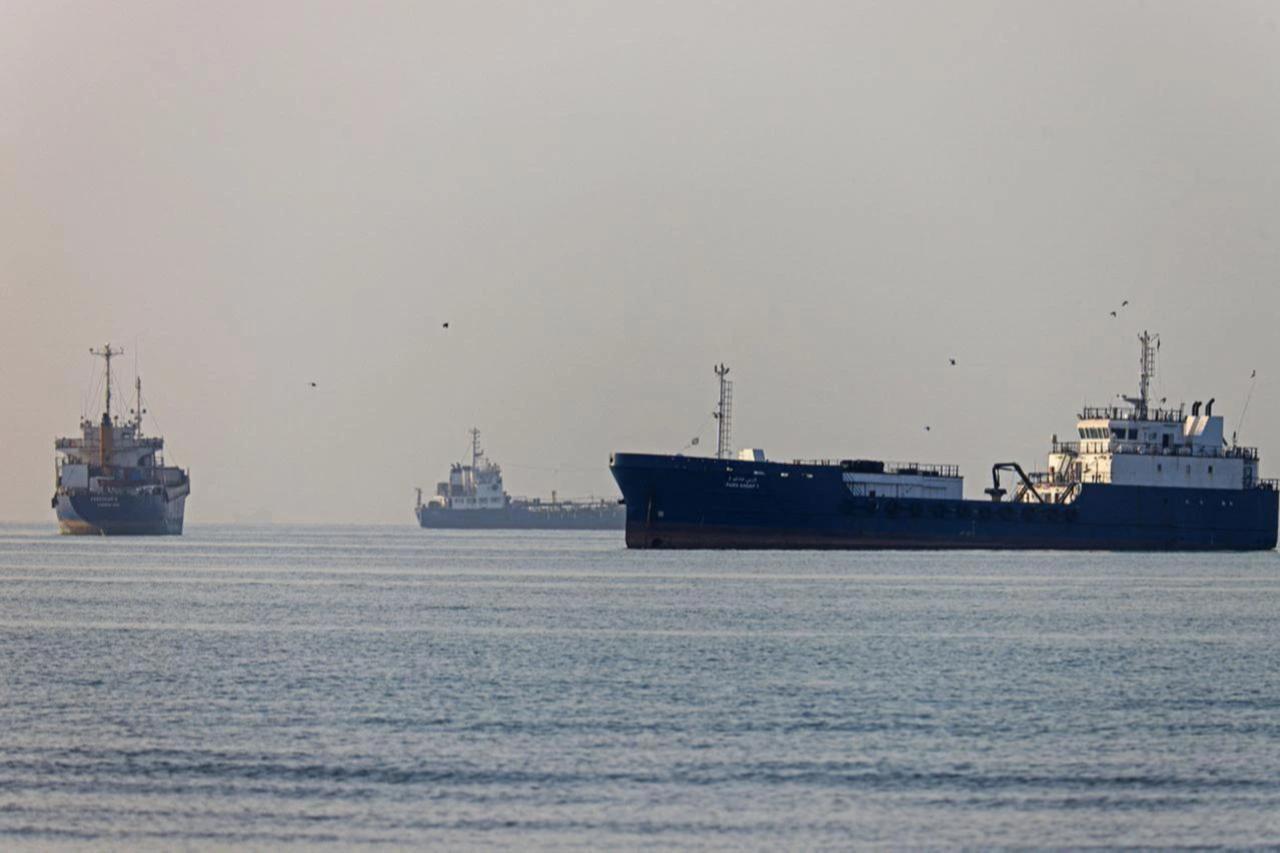


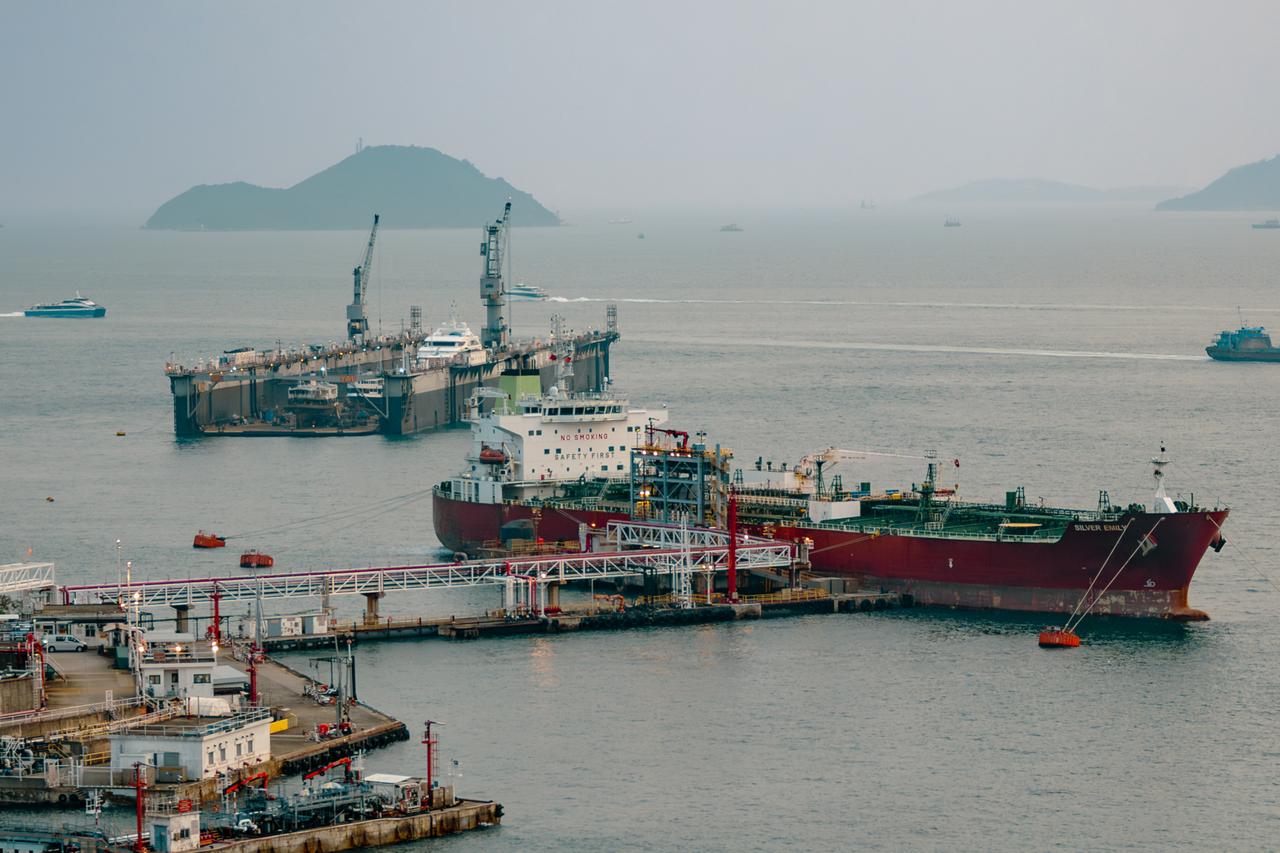
Iran and Oman have reached an agreement to open a temporary, 7 nautical mile wide shipping corridor through the Strait of Hormuz while closing a southern route through the waterway, according to Iranian Deputy Foreign Minister Kazem Gharibabadi.
The announcement came the same day Oman's Foreign Ministry confirmed consultations between the two countries on restoring safe navigation through the strait, even as US officials described a starkly different situation on the ground, saying American forces have cleared mines from the passage and that tanker traffic has resumed through its southern lane.
The overlapping and at times contradictory accounts underscore the uncertain status of the strait, a narrow waterway between Iran and Oman through which a significant share of the world's seaborne oil trade normally passes.
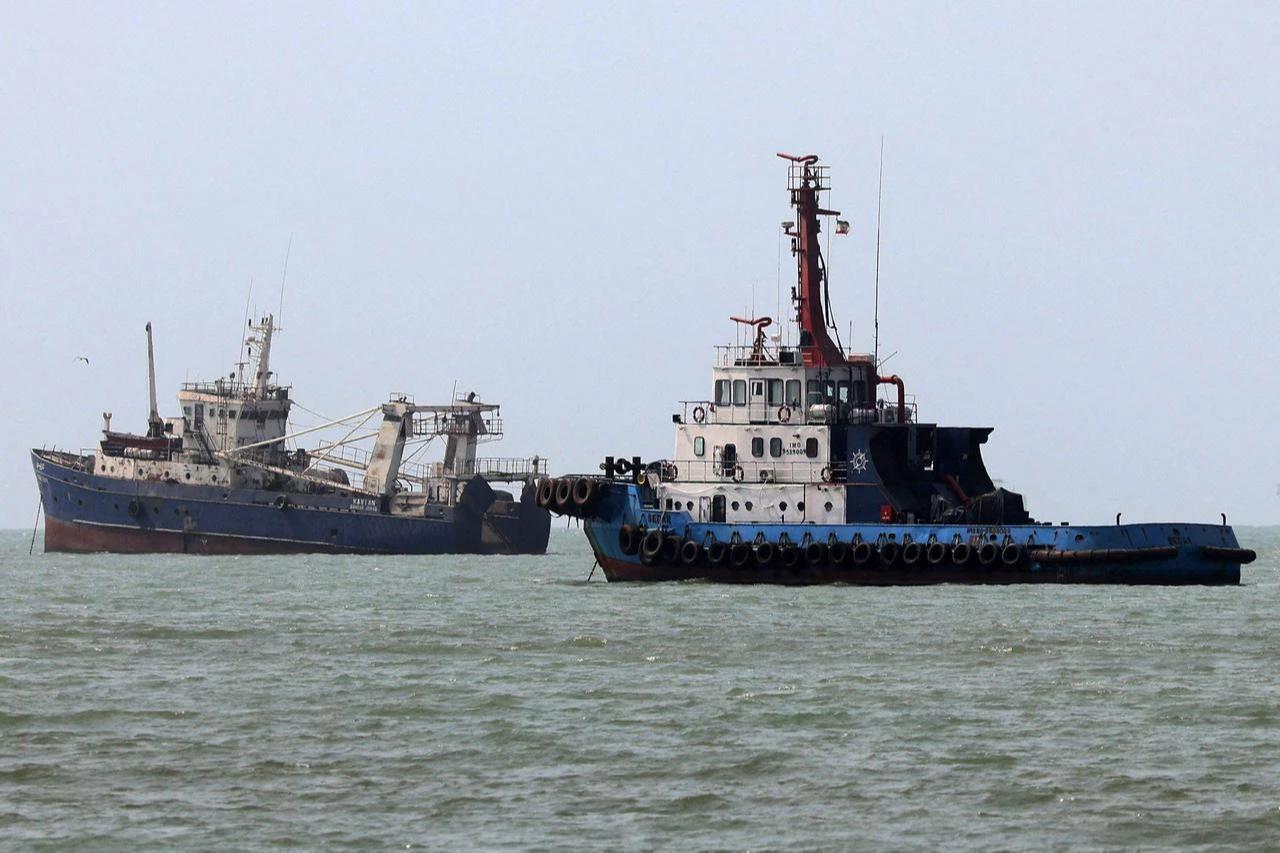

Speaking to Iranian state television, Gharibabadi said Tehran and Muscat had agreed to activate a joint corridor through the strait, which he said amounts to the closure of the southern route. He said the new passage would be 7 miles wide on a temporary basis, and that Oman had agreed to fully close the southern route, which he said Iranian armed forces are already blocking.
Gharibabadi described the arrangement as provisional, saying a permanent route would be negotiated separately with Oman.
He maintained that the strait remains closed and under full Iranian control, dismissing reports that ships have been passing through it as inaccurate. The US and other countries, he said, "should know that the Strait of Hormuz will only open according to arrangements determined by Iran."
He added that any move to reopen the strait would depend on Washington first meeting commitments he said it had violated.
"The reopening of the Strait of Hormuz will only happen in exchange for ending the war on all fronts, lifting the blockade and resolving the situation in Yemen," he said.
Gharibabadi said the reason the text of the agreement reached between Iran and Oman was not published, with only a press statement issued instead, was that Tehran had not yet made any binding commitments.
On the subject of mines in the strait, Gharibabadi questioned US claims that the waterway had been cleared.
"If the US claims the mines have been completely cleared, why isn't a US ship passing through? If they cleared them, why aren't they crossing? No one but Iran knows the location of these mines," he said. He also warned against American plans to send minesweeping vessels to the area, saying any such ships would become targets, and characterized statements by President Trump about mine clearance as intended only to calm markets.
Oman's Foreign Ministry, in a statement posted the same day, said Foreign Minister Sayyid Badr bin Hamad bin Hamood Albusaidi held what it called constructive consultations in Tehran with his Iranian counterpart, Abbas Araghchi.
The two sides, the statement said, focused on the resumption of safe navigation through the strait while preserving their sovereignty and sovereign rights, and discussed a phased framework intended to provide a practical basis for moving forward given the situation in the strait following the recent war.
According to the Omani statement, the proposed framework includes establishing a joint temporary navigational corridor and a joint project to clear mines from the strait, with technical negotiations to continue toward a permanent corridor and longer-term arrangements for administering the waterway, sharing information, managing traffic and providing navigational and security services.
Both sides also said they saw value in convening discussions with other states bordering the Gulf and stressed the need to uphold international law and respect the sovereign rights of coastal states.
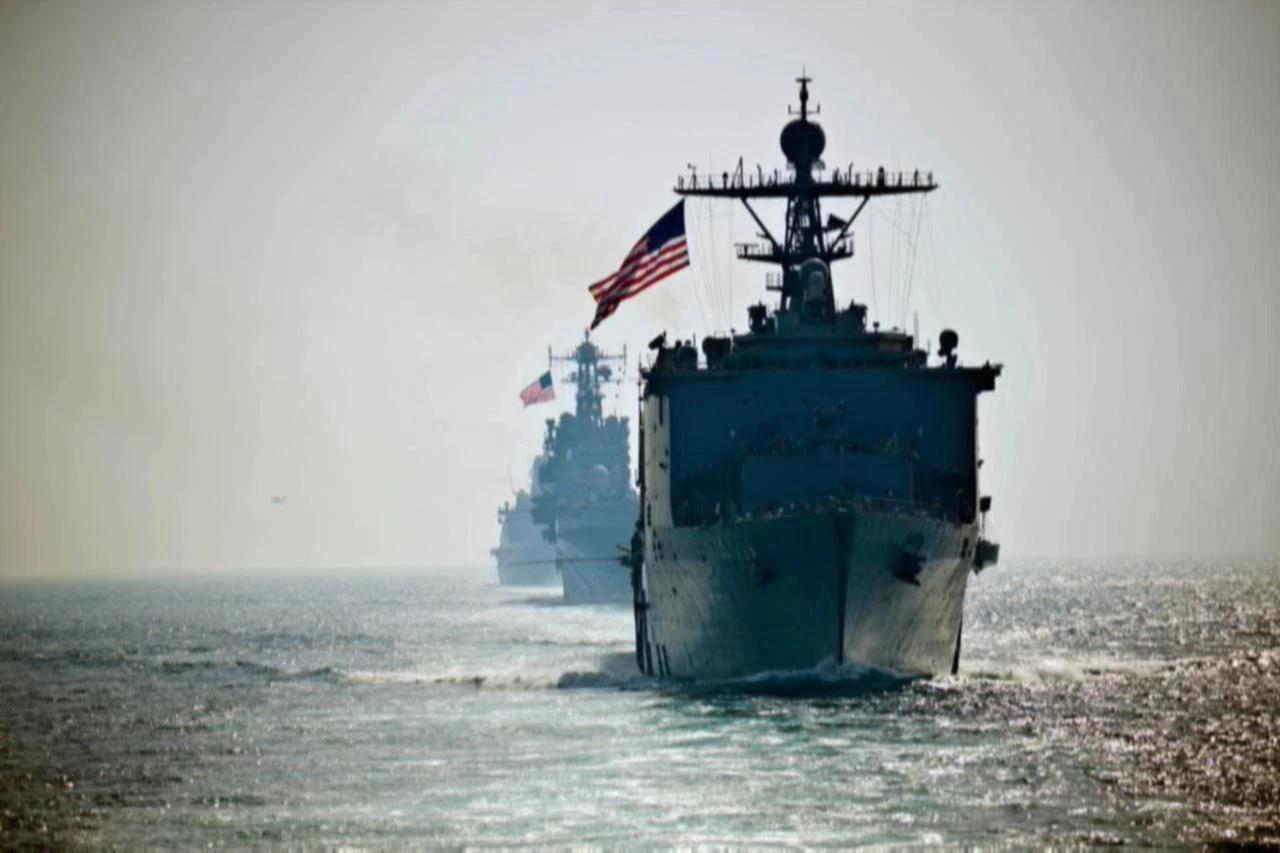
Axios reported that Secretary of State Marco Rubio has told several foreign counterparts in recent days that the United States does not expect to launch new strikes on Iran "for the time being," citing a US official and a second source familiar with the matter. Rubio instead pointed to other forms of pressure, including a sanctions initiative announced this week, the outlet reported.
According to Axios, US officials believe the naval blockade is suffocating Iran's economy while allowing growing volumes of oil to move out of the strait.
One official quoted by Axios described a reversal in control of the waterway: "The Iranians have lost control over the strait. Now the US controls it."
Another official told Axios that the clearing of mines from the strait by the US Navy marked a watershed moment in the conflict, saying it had largely neutralized one of Iran's main sources of leverage, and that tankers have increasingly been moving through the strait's southern lane in recent weeks.
Axios also reported that almost no tankers had been observed over the previous two weeks at Kharg Island, Iran's main oil export hub, according to US officials.
State Department spokesman Tommy Pigott told Axios that Iran's economy was "in free fall" and its military "decimated," and said the administration was "cutting off every financial lifeline the regime has remaining."
Pigott added that Trump had been clear Iran cannot be allowed to have a nuclear weapon and would use the tools necessary to ensure that.
A US official told Axios that the developments in the strait had undercut Iran's negotiating position and made any prospective Oman-Iran arrangement over the waterway largely irrelevant, saying: "Right now we are not negotiating with Iran.
We are squeezing them. The pressure could drive the Iranians back to the table."
Rubio, according to Axios, told counterparts the current US approach would likely hold at least until after the midterm elections, after which a new military campaign could again be considered.
 1 min read
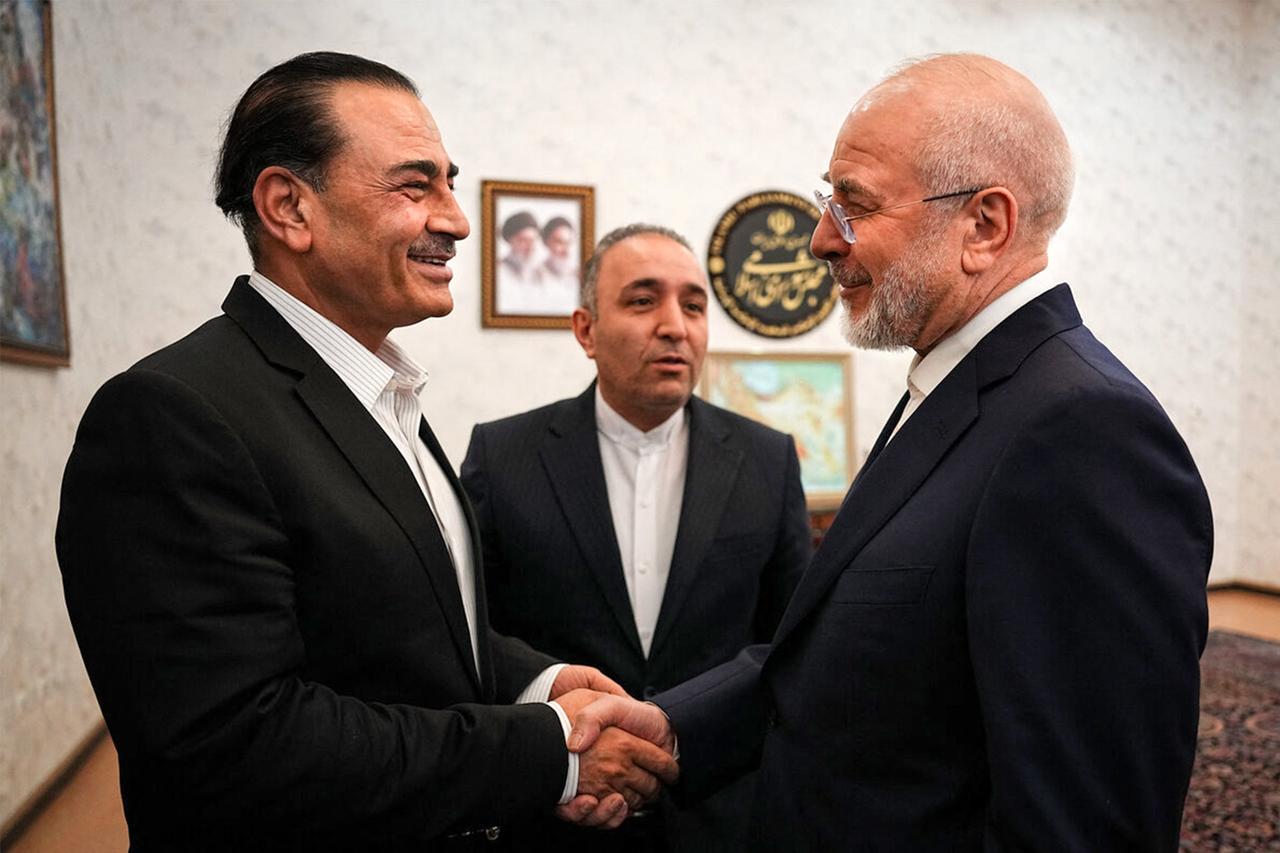
Gharibabadi said Pakistan's army chief, Field Marshal Asim Munir, delivered a message from Iran to the United States during a visit to Tehran, stating that no further negotiations were necessary and that Washington needed to comply with the Islamabad understanding and fulfill commitments in a memorandum related to reopening the Strait of Hormuz.
Axios reported that Munir was in Tehran for talks with Iranian leadership, and that Pakistan has served as a key mediator between the US and Iran since the war began.
Citing the Saudi-affiliated network Al Arabiya, Axios reported that Munir spoke with Trump before the trip and presented a new proposal to Iranian officials.
The White House did not deny that Trump had spoken with Munir but said there were no current or scheduled negotiations with Iran, according to Axios. The outlet also reported that White House envoys Steve Witkoff and Jared Kushner, who have led negotiations with Iran, were expected to visit US Central Command for briefings on the situation.


 Set as preferred source
 Set as preferred source


 1 min read