Newsletters


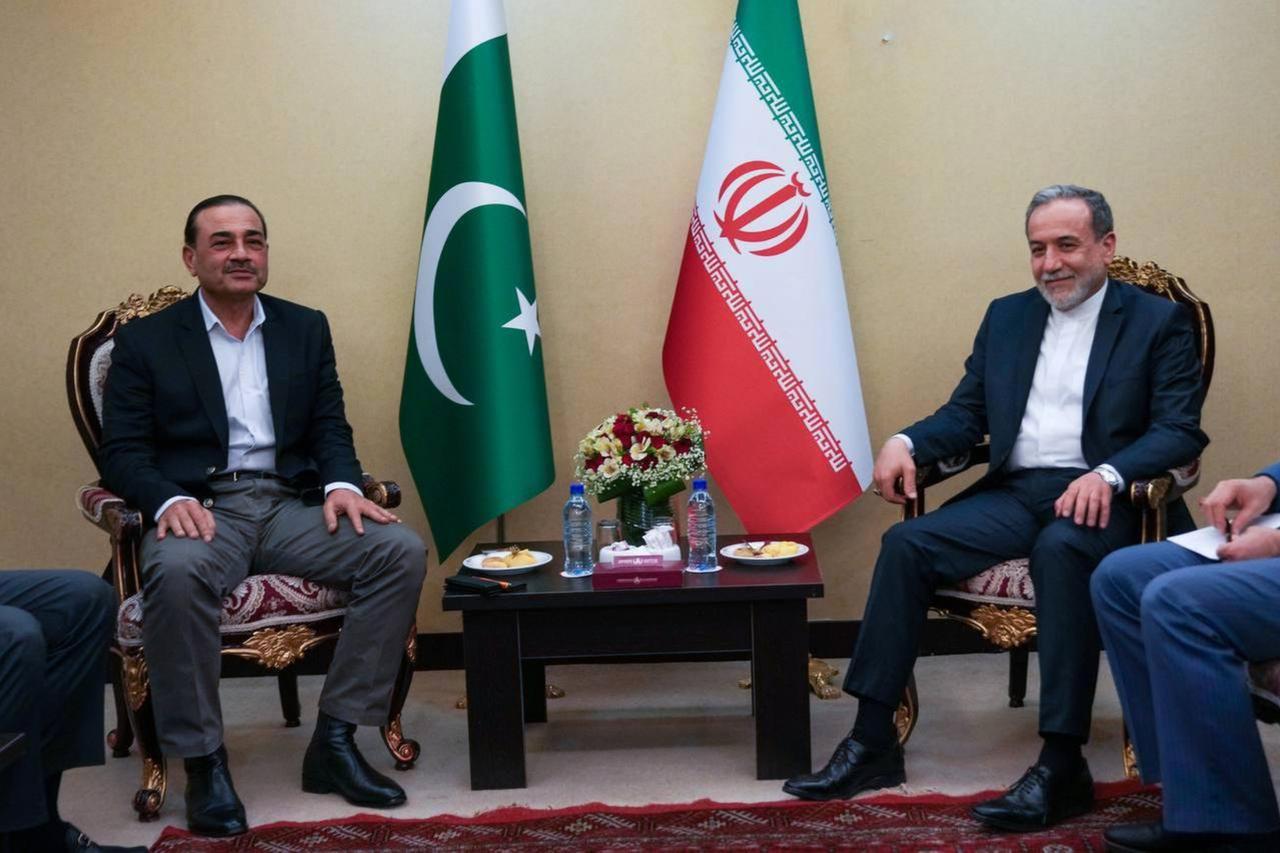


Iranian Foreign Minister Abbas Araghchi held separate phone calls Tuesday with Pakistan’s Army Chief Field Marshal Asim Munir and Qatari Foreign Minister Mohammed bin Abdulrahman Al Thani after Tehran agreed with Oman on a proposed temporary shipping route through the Strait of Hormuz.
Following a meeting in Tehran between Omani Foreign Minister Badr al-Busaidi and Araghchi, the two countries announced a framework for a temporary joint shipping corridor through the strait, along with a project to clear mines from the waterway.
According to a statement from Iran’s Foreign Ministry, the calls focused on efforts to ease regional tensions, strengthen diplomatic coordination to prevent further escalation and support freedom of maritime navigation through the Strait of Hormuz.
During his call with Munir, Araghchi and the Pakistani military chief underscored the need to continue consultations and joint efforts to promote peace and security in the region, the Iranian Foreign Ministry said.
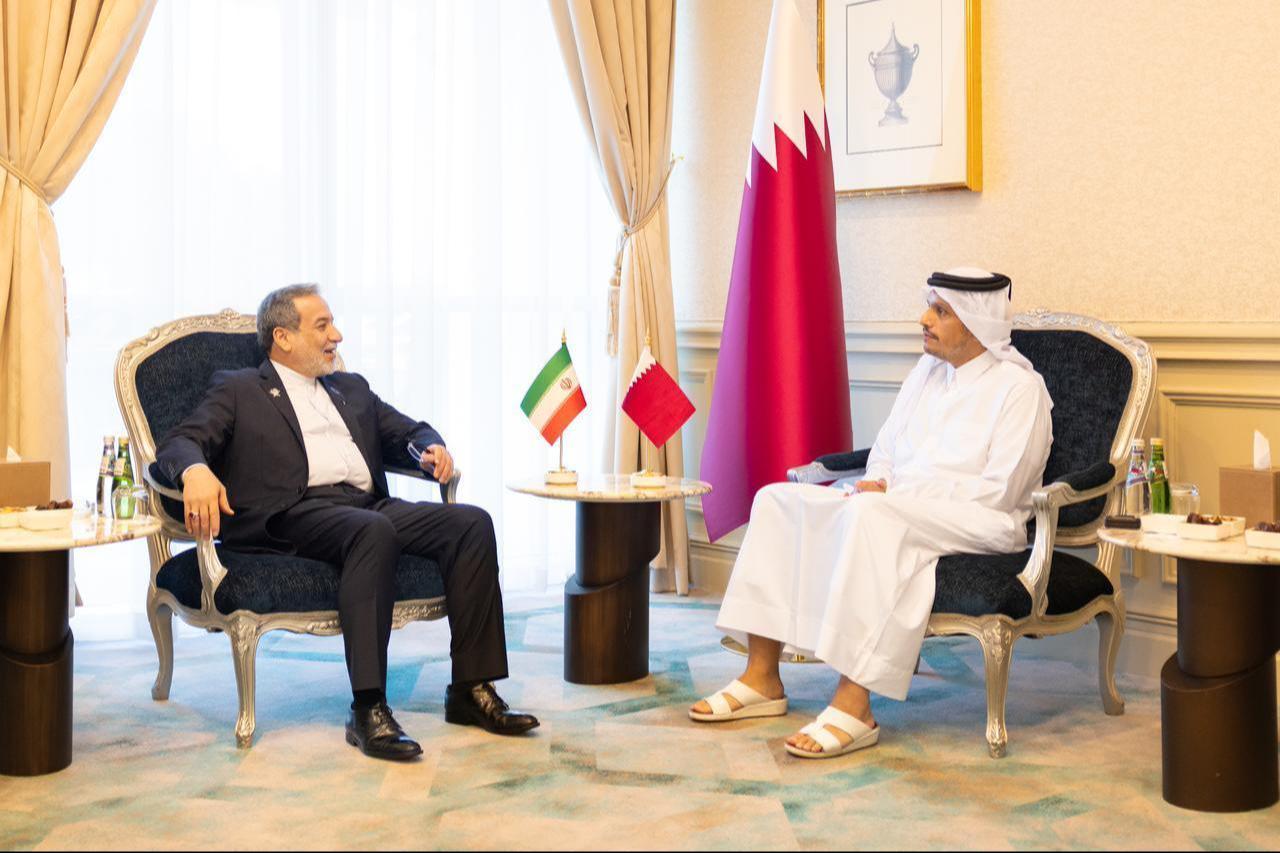
Araghchi and Al Thani also discussed the importance of using diplomatic channels and maintaining coordination to prevent further escalation, according to the ministry.
The Qatari Foreign Ministry said the two ministers also discussed the latest regional developments, particularly the ongoing talks between Oman and Iran over the proposed shipping corridor and mine-clearance project.
Al Thani stressed Qatar’s "full support for diplomatic efforts" aimed at securing freedom of maritime navigation and paving the way for a comprehensive agreement that would achieve sustainable peace in the region.

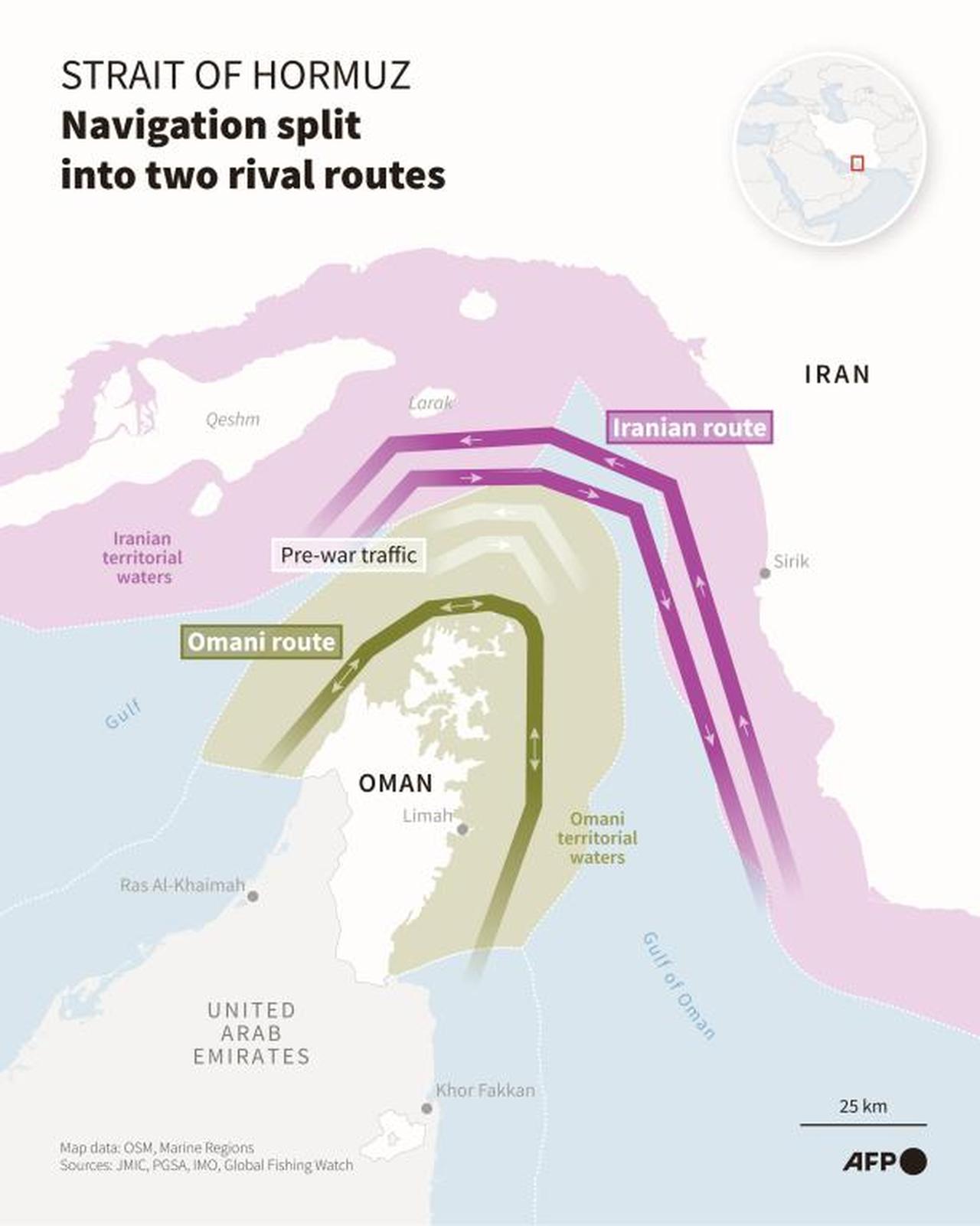
Detailing the key provisions of the framework, Iran's Deputy Foreign Minister Kazem Gharibabadi said that Iran had agreed with Oman to establish a temporary seven-mile-wide transit route through the Strait of Hormuz, while stressing that the arrangement did not amount to reopening the strategic waterway.
Gharibabadi told state media that the route would run through Iranian territorial waters on entry, with part of the exit route also passing through Iranian waters. He said Iran and Oman would hold further negotiations expected to last between 30 and 60 days to determine a permanent route and future arrangements for managing passage through the strait.
Gharibabadi emphasized that the agreement with Oman should not be interpreted as the reopening of the Strait of Hormuz.
"The Strait of Hormuz is closed, and we have complete control over it," he said, dismissing claims that ships were already passing through the waterway.
According to Gharibabadi, activating the joint route would also mean closing the southern passage, while Iran and Oman would begin technical negotiations on an alternative to the historical route. He said Iran considered the strait a matter of national security and had the right to take measures it deemed necessary to protect its interests.
Gharibabadi also said Iran did not trust Washington and that any return to diplomacy would require the United States to first fulfill its commitments under the Islamabad Memorandum of Understanding.
"Before any action to reopen the Strait of Hormuz, the U.S. must fully implement all of its violated commitments," he said. "The reopening of the Strait of Hormuz will only take place in exchange for an end to the war on all fronts, the lifting of the blockade, and a resolution of Yemen's status."
Gharibabadi said Munir had conveyed the same message during his recent visit to Tehran, telling Iranian officials that reopening the strait depended on Washington fulfilling its commitments.
The deputy minister also rejected reports that U.S. forces had cleared mines in the waterway or were preparing to send mine-sweeping vessels into the area.
"If the United States claims that the mines have been completely cleared, why doesn't a U.S. ship pass through?" he said. "If they have cleared them, why don't they pass? No one except Iran knows the location of these mines."
He warned that U.S. mine-sweeping vessels entering the area would be considered targets and said U.S. President Donald Trump’s comments about mine clearance were intended only to calm markets.
Trump earlier said that all mines had been successfully removed or detonated in the international waters of the Strait of Hormuz and warned that any ship or boat placing new mines would be "immediately and systematically destroyed."
Washington considers the strait an international waterway that should remain open to free navigation and opposes fees on vessels or arrangements that would give Iran a formal role in managing maritime traffic.
The U.S. favors a safer southern shipping route near Omani waters while maintaining its blockade of Iranian ports and economic sanctions on Tehran.


 Set as preferred source
 Set as preferred source


 2 min read
 1 min read