Newsletters


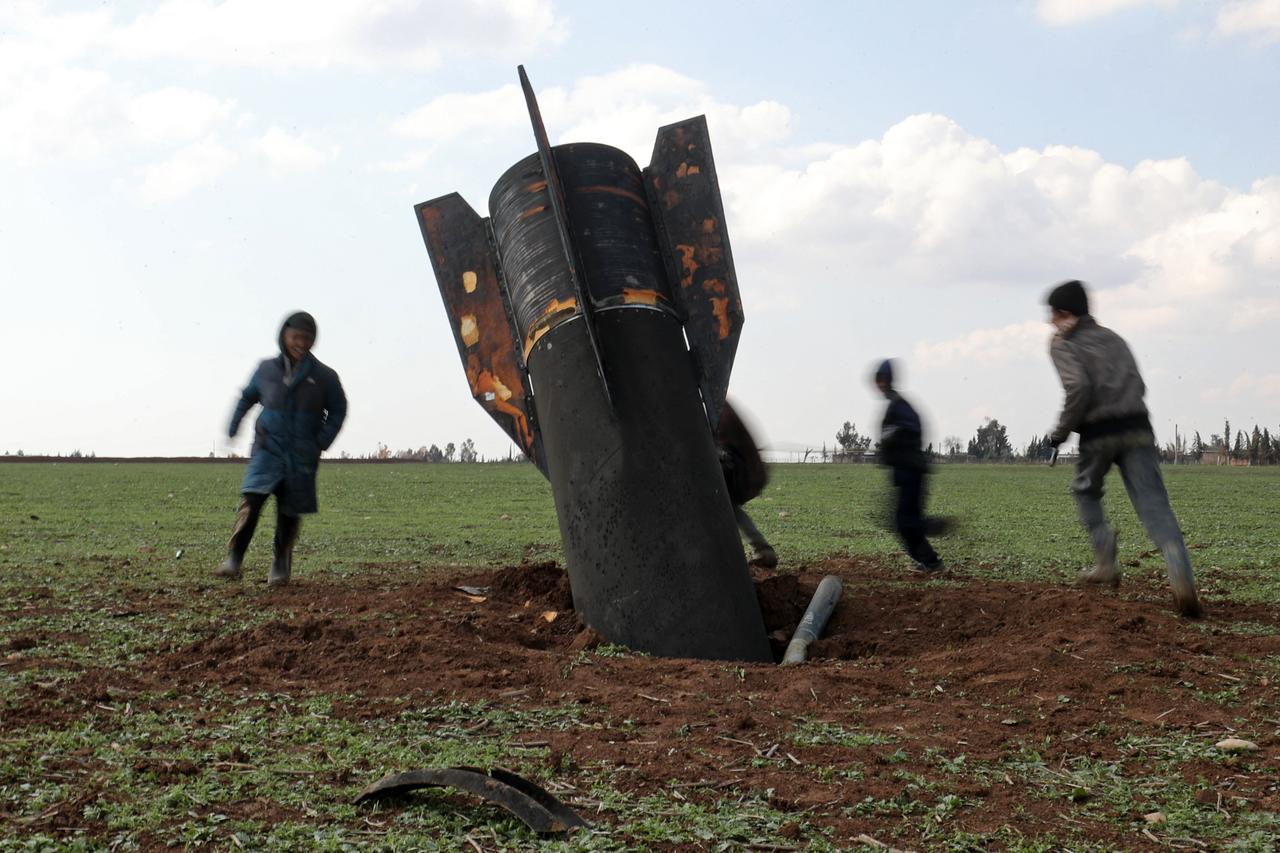


The ongoing attacks on Iran by the U.S. and Israel have ignited a major escalation in the Middle East, with the fallout recently reaching the borders of Türkiye.
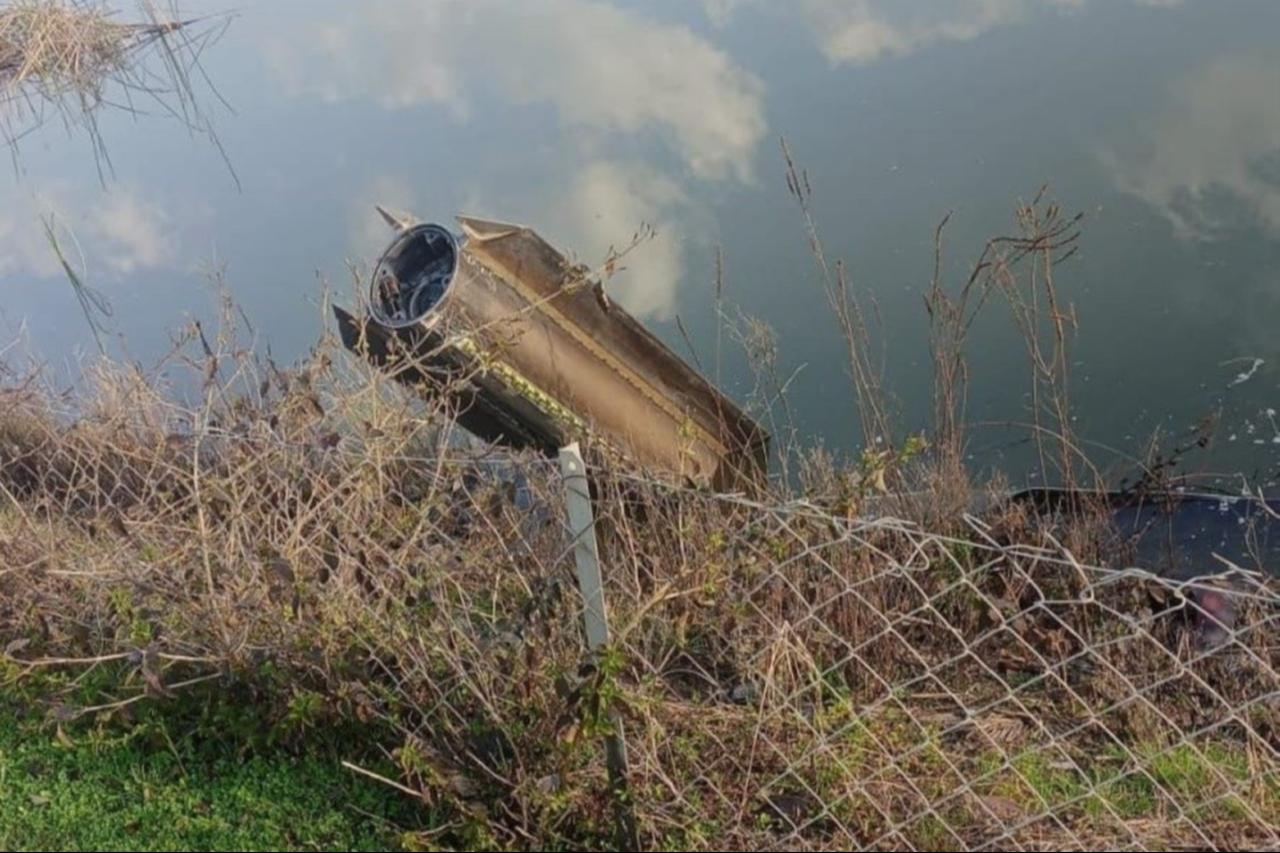
Tensions spiked after a ballistic missile, allegedly belonging to Iran, fell near the Syrian city of Qamishli, just kilometers away from the Turkish border. On the same day, NATO air and missile defense units intercepted another Iranian missile in the skies over Hatay.
Amid the diplomatic flurry, pro-government-leaning Hurriyet's editor-in-chief, Ahmet Hakan, suggested in his column that the missile might have been a "false flag" operation orchestrated by the Israeli intelligence agency Mossad, rather than Iran.
"I find it highly unlikely that Iran is truly behind the missile directed at Türkiye," Hakan wrote.
He also claimed that a drone launched at Azerbaijan yesterday might have been a direct Mossad operation. "At the very least, I cannot say 'Israel would never do such a thing,'" Hakan concluded.

Following the incidents, Foreign Minister Hakan Fidan held a telephone conversation with his Iranian counterpart, Abbas Araghchi. Fidan stressed the necessity of avoiding any steps that could lead to the further spread of the conflict.
Fidan also spoke with U.S. Secretary of State Marco Rubio. According to a U.S. statement, Rubio emphasized his country's full support for Türkiye during the call.
In Ankara, Iranian Ambassador Mohammad Hassan Habibollahzadeh was formally summoned to the Ministry of Foreign Affairs.
NATO Secretary-General Mark Rutte described the missile incident in Türkiye as "serious" and announced that the alliance is monitoring the situation closely. However, Rutte clarified that activating Article 5, which entails NATO's collective defense mechanism, is not on the table at this stage.
A day after the incident, Tehran issued a strong denial. Iranian officials stated that they respect Türkiye's sovereignty and firmly denied firing any missiles at Turkish territory, underlining that their regional military mobility does not target Ankara.


 Set as preferred source
 Set as preferred source


 2 min read
 1 min read