Newsletters


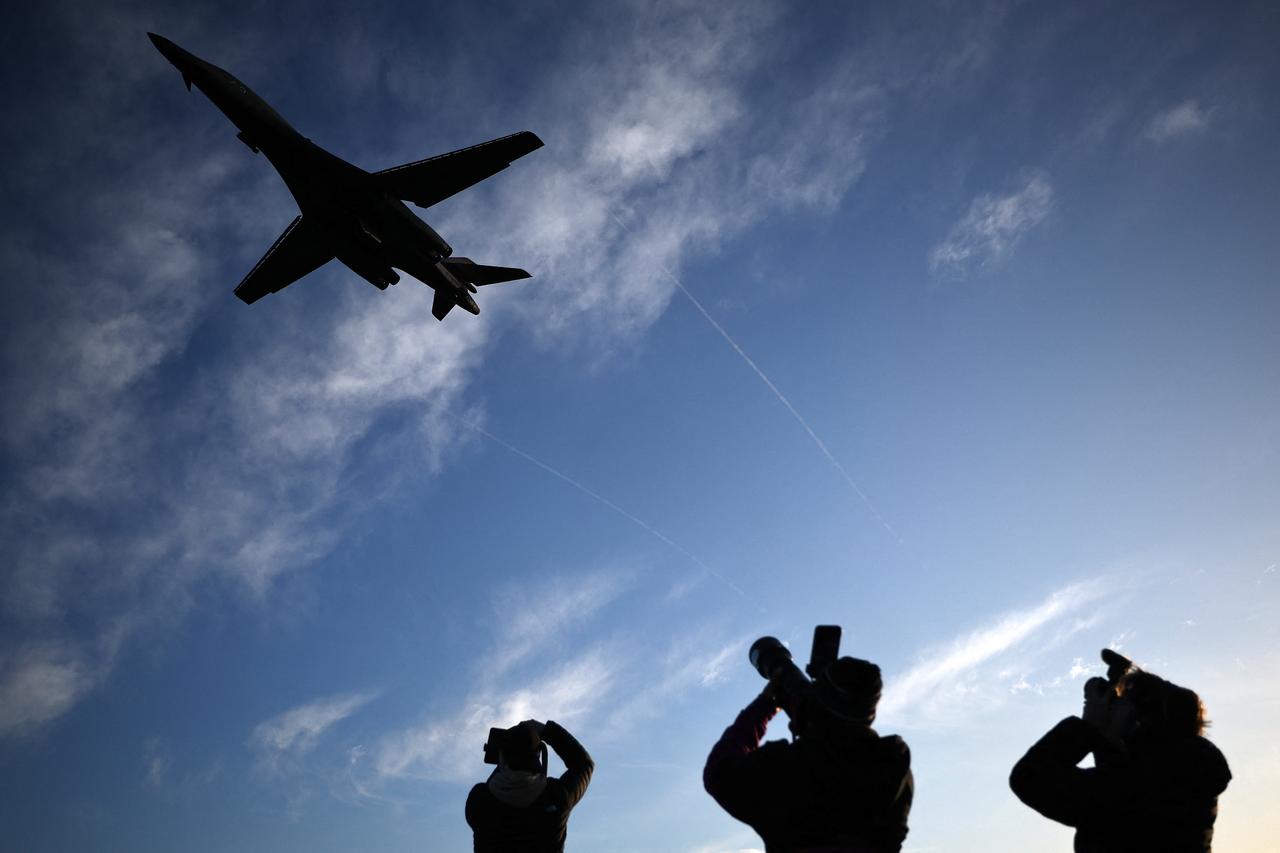


The chairman of the Iranian Parliament’s National Security and Foreign Policy Commission, Ebrahim Azizi, said Ukraine has “effectively joined the war against Iran” by providing drone support to Israel and warned that it has become a “legitimate target.”
In a message shared on his account on the social media platform X, Azizi said, "Failed Ukraine, by providing drone support to the Israeli regime, has effectively joined the war and, under Article 51 of the United Nations Charter, has made all its territory a legitimate target for Iran.”
Ukrainian President Volodymyr Zelenskyy previously announced that drones and expert teams had been sent to the region in operations against Iran.
The United States reportedly sent 10,000 Ukrainian-made interceptor drones to the Middle East to reduce reliance on costly air defense systems while countering Iranian missile and drone attacks.
Speaking to Bloomberg, U.S. Army Secretary Dan Driscoll said that on the fifth day of attacks launched by the United States and Israel against Iran on Feb. 28, Washington deployed 10,000 AI-supported “Merops” drones produced in Ukraine to the region.
Driscoll said each drone costs between $14,000 and $15,000, adding that larger orders could reduce the cost to between $3,000 and $5,000.
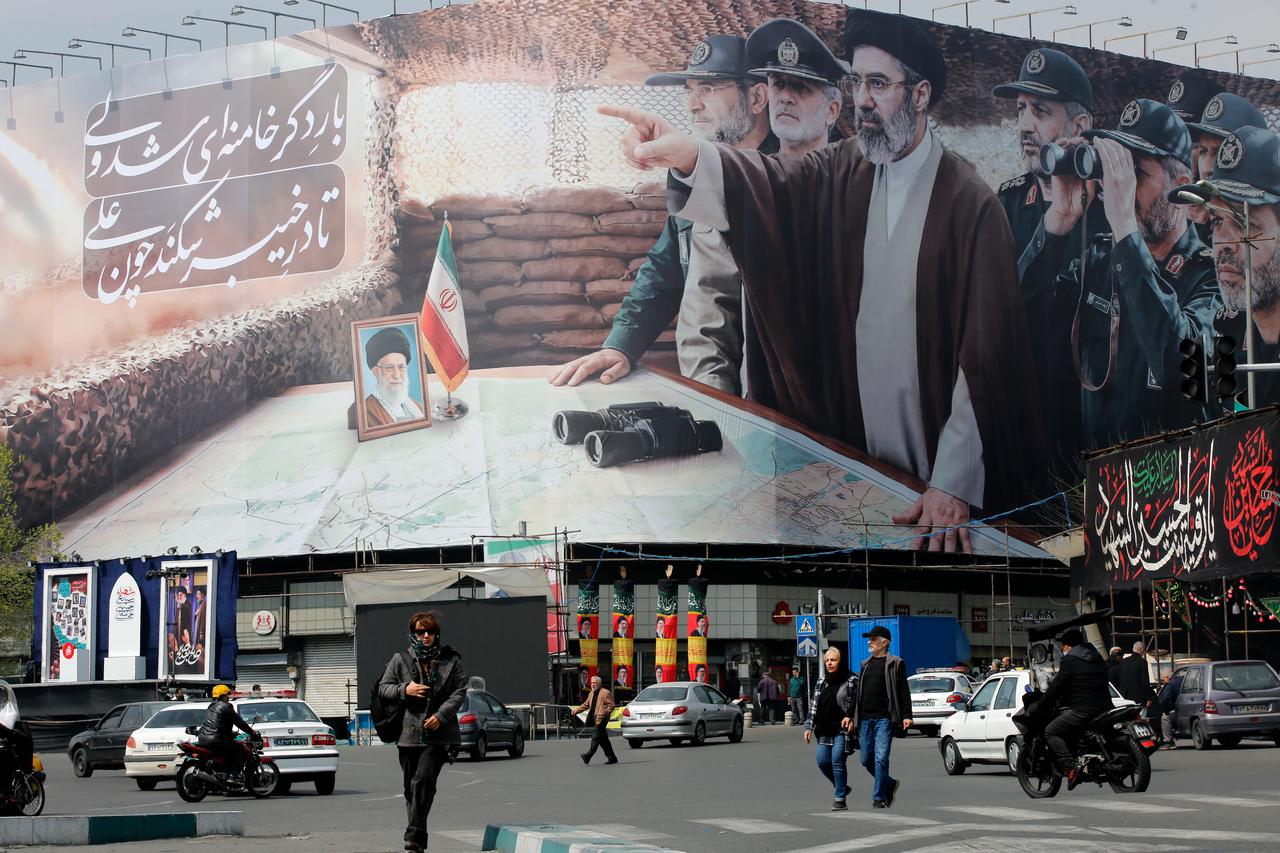

“Actually, we are on the better side of the cost curve. So every time Iran launches a drone, and we can shoot it down, they lose a significant amount of money,” Driscoll said.
The report noted that the Merops system is far less costly than Patriot and Terminal High Altitude Area Defense (THAAD) systems, each of which costs more than $4 million.
According to a report by Axios, during a meeting at the White House in August 2025 between Zelenskyy and U.S. President Donald Trump, the Ukrainian leader allegedly offered interceptor drones as a gesture of thanks for American support.
The report said Ukrainian officials presented a map of the Middle East to U.S. counterparts and warned that “Iran has improved the design of Shahed-type kamikaze drones.”
They proposed establishing “drone countermeasure centers” in several Middle Eastern and Gulf countries hosting U.S. bases to counter potential threats from Iran or its proxy forces.
Regional tensions have intensified since Israel and the United States launched joint attacks on Iran on Feb. 28.
The strikes have killed around 1,200 people, including then-Supreme Leader Ali Khamenei, according to Iranian authorities.
Iran has retaliated with drone and missile strikes targeting Israel, Jordan, Iraq and several Gulf countries hosting U.S. military assets.


 Set as preferred source
 Set as preferred source


 2 min read


 1 min read