Newsletters


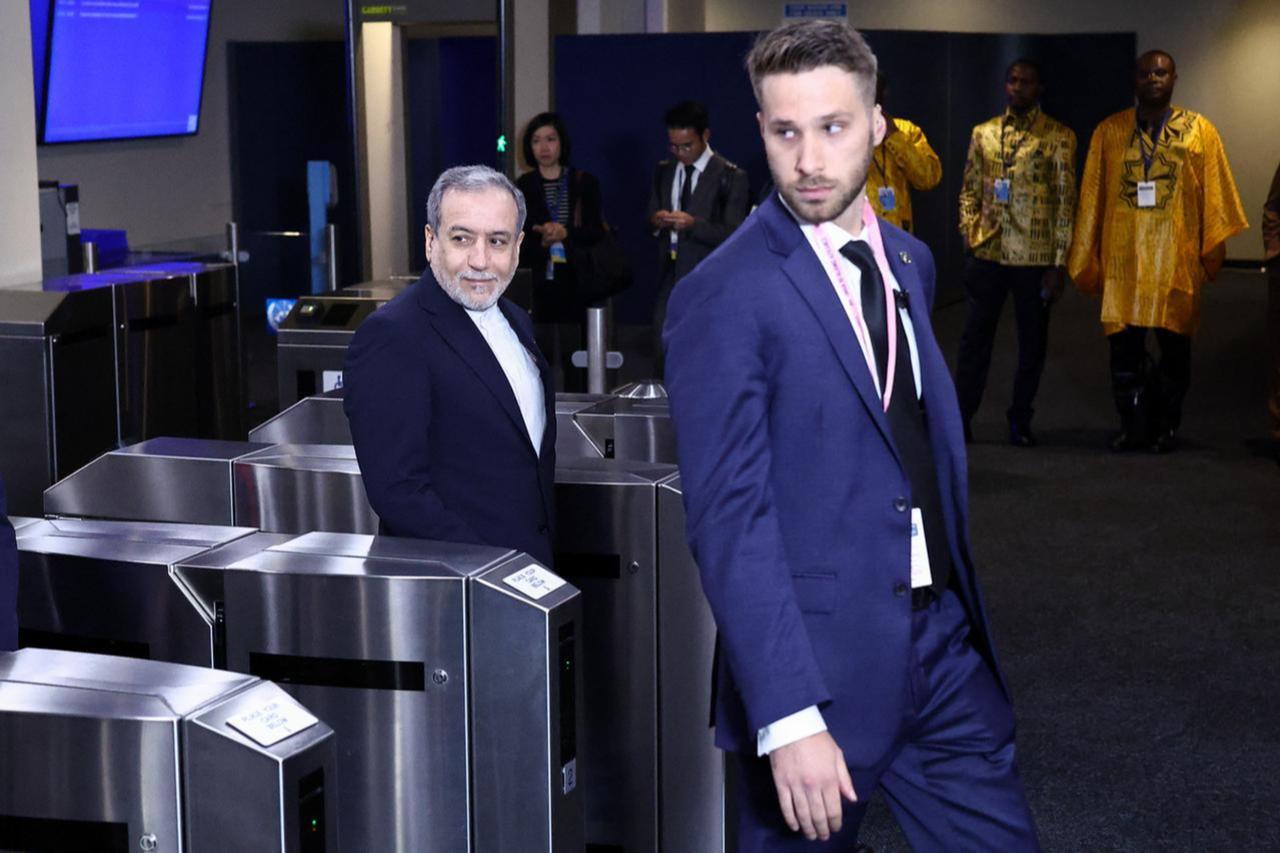


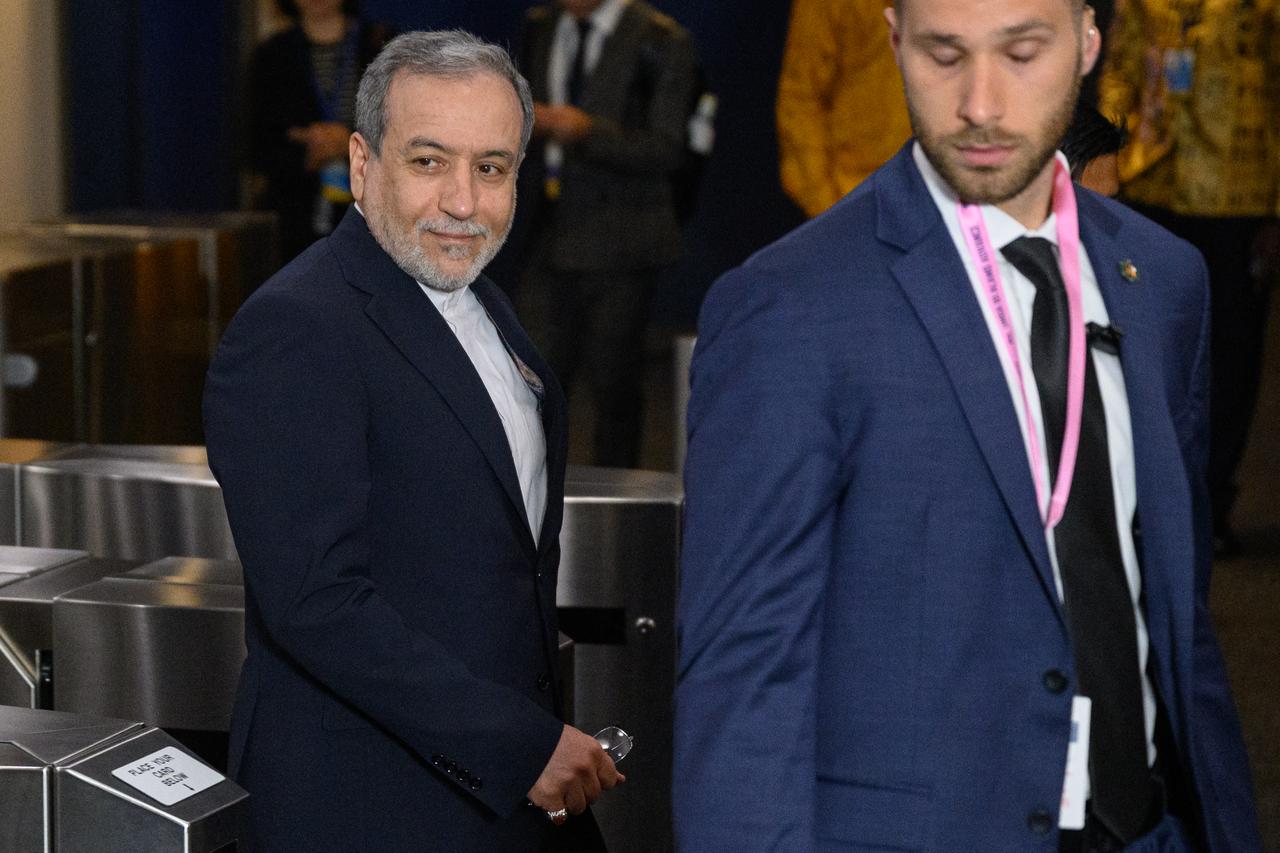
Iranian Foreign Minister Abbas Araghchi's engagement with US special envoy Steve Witkoff in New York took place without authorization from the country's relevant policymaking bodies, including the Supreme National Security Council, Iran's Tasnim news agency reported Wednesday.
Tasnim, which is affiliated with Iran's Revolutionary Guard Corps, cited information obtained by its reporter saying claims that Araghchi's actions had been coordinated with the relevant authorities were incorrect.
The agency described the engagement with Witkoff as a "mistake" that took place without prior coordination or approval, and said the foreign minister should explain to the relevant authorities and the Iranian public why he took the step, calling it a "major mistake" that ran counter to Iran's national interests.
The report followed indirect talks between US and Iranian officials on the sidelines of the UN General Assembly in New York on Tuesday, with mediators shuttling between the two delegations.
Tasnim pointed to comments by Supreme National Security Council Secretary Mohsen Rezaei, who said Araghchi had been tasked with conveying Tehran's seven conditions to mediators.
The IRGC-affiliated outlet interpreted Rezaei's remarks as indicating that Araghchi had not been authorized to go beyond communicating Iran's demands through intermediaries and engage directly with Witkoff.
Rezaei himself, however, did not explicitly say in the remarks cited by Tasnim that Araghchi had acted without authorization.
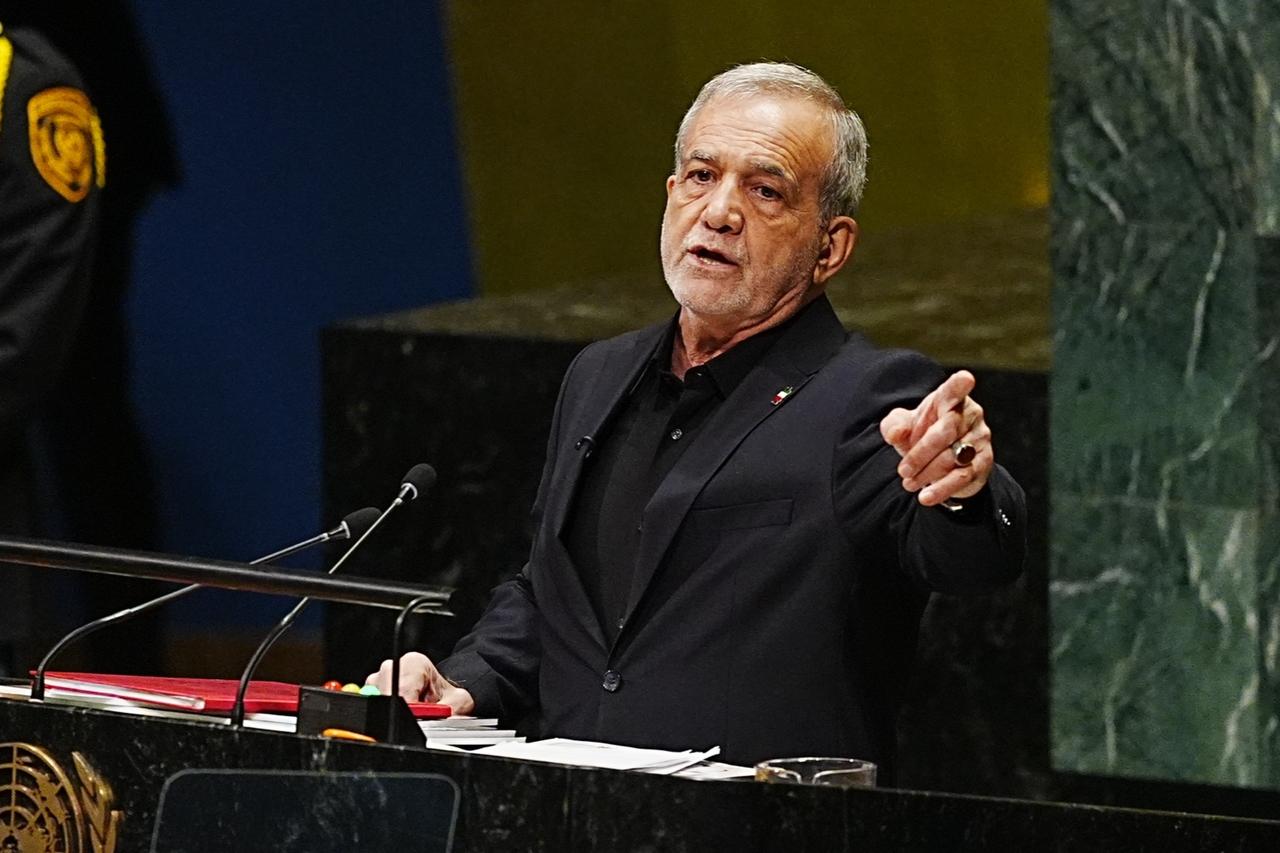
The dispute over whether Araghchi had a mandate to engage with the American envoy highlights the internal dynamics at play within Iran's foreign policy establishment, where the Supreme National Security Council, the IRGC and the elected government under Pezeshkian each hold a stake in decisions involving contact with Washington.
Araghchi has served as Iran's top diplomat and has been a central figure in Tehran's past nuclear negotiations, while the IRGC and bodies aligned with it have historically taken a harder line on engagement with the United States.
Neither Araghchi's office nor the Supreme National Security Council issued an immediate public response to the Tasnim report.


 Set as preferred source
 Set as preferred source


 1 min read
 1 min read