Newsletters


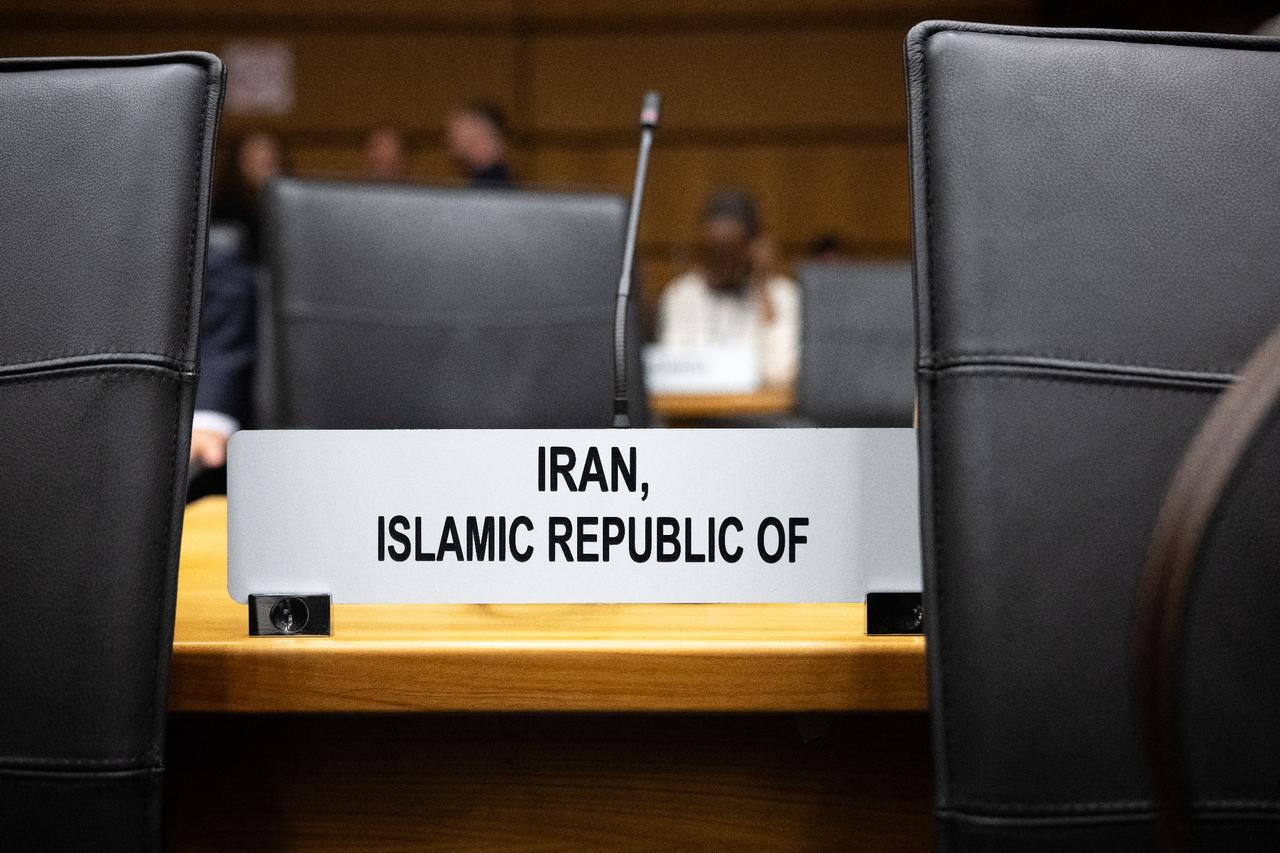


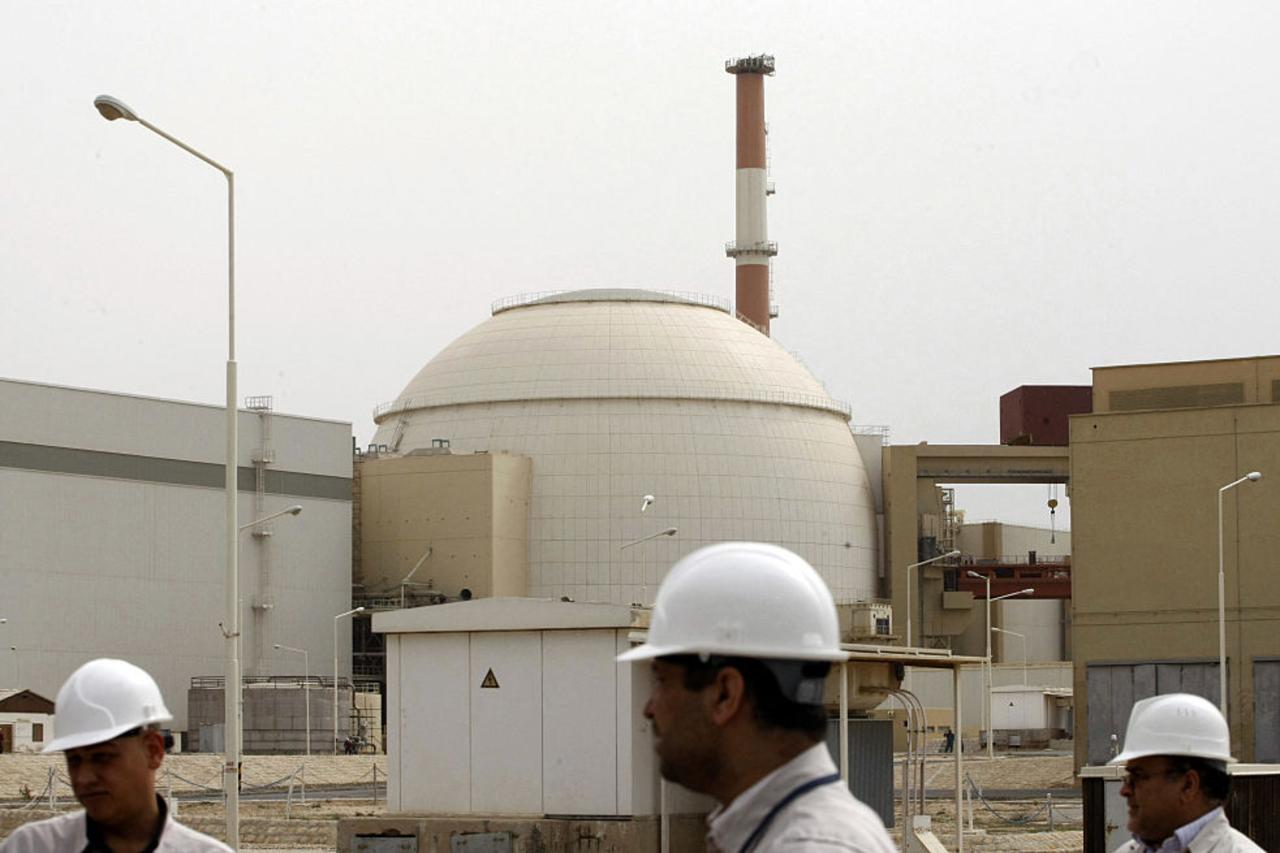
Iran's nuclear chief was blocked from attending the annual conference of the International Atomic Energy Agency (IAEA) in Vienna on Monday after Austria denied him entry following pressure from the United States, Iranian state television and Bloomberg reported.
"Mohammad Eslami and his delegation took a regular flight to Vienna on Saturday, but were blocked on the way because of obstructions by the United States," Iran's state broadcaster reported, saying Eslami, head of the Atomic Energy Organization of Iran, had returned to Tehran.
Iran said Monday it had summoned Austria's charge d'affaires after the European country refused to allow Iran's nuclear chief to take part in a meeting of the UN nuclear agency in Vienna.
"The Austrian government's refusal to issue visas to the delegation of the Islamic Republic of Iran is a completely unjustified decision," foreign ministry spokesman Esmail Baghaei said at a press conference in Tehran.
"It is clear to us that this incident occurred under American pressure, but that does not absolve the Austrian government of responsibility," he added.
Eslami had been scheduled to address the IAEA's general conference Monday, according to a U.S. official cited by Bloomberg, before Austria denied him entry.
The denial of a U.N.-requested sanctions waiver that would have allowed Eslami into the country followed urging from the U.S., the official said, speaking anonymously to discuss a sensitive matter.
As host of the U.N. in Vienna, Austria can normally request exemptions from travel bans to let sanctioned officials attend international conferences.
The Associated Press (AP) report, citing an official briefed on the matter, said Eslami was not expected to attend the gathering because he is banned from international travel, marking the first time in years he would miss the annual meeting.
A lower-level Iranian representative may address the conference later in the week, according to Bloomberg, meaning a senior Tehran emissary will not be able to speak at the gathering's start.
Eslami has regularly attended and addressed the IAEA's General Conference since being appointed to lead Iran's Atomic Energy Organization in 2021.
France, Britain and Germany triggered the so-called snapback mechanism last year, automatically reimposing U.N. sanctions on Iran over its nuclear program after saying Tehran had willfully departed from the 2015 nuclear deal.
The reinstated sanctions include a travel ban, a conventional arms embargo, restrictions on ballistic missile development, asset freezes and a ban on producing nuclear-related technology.
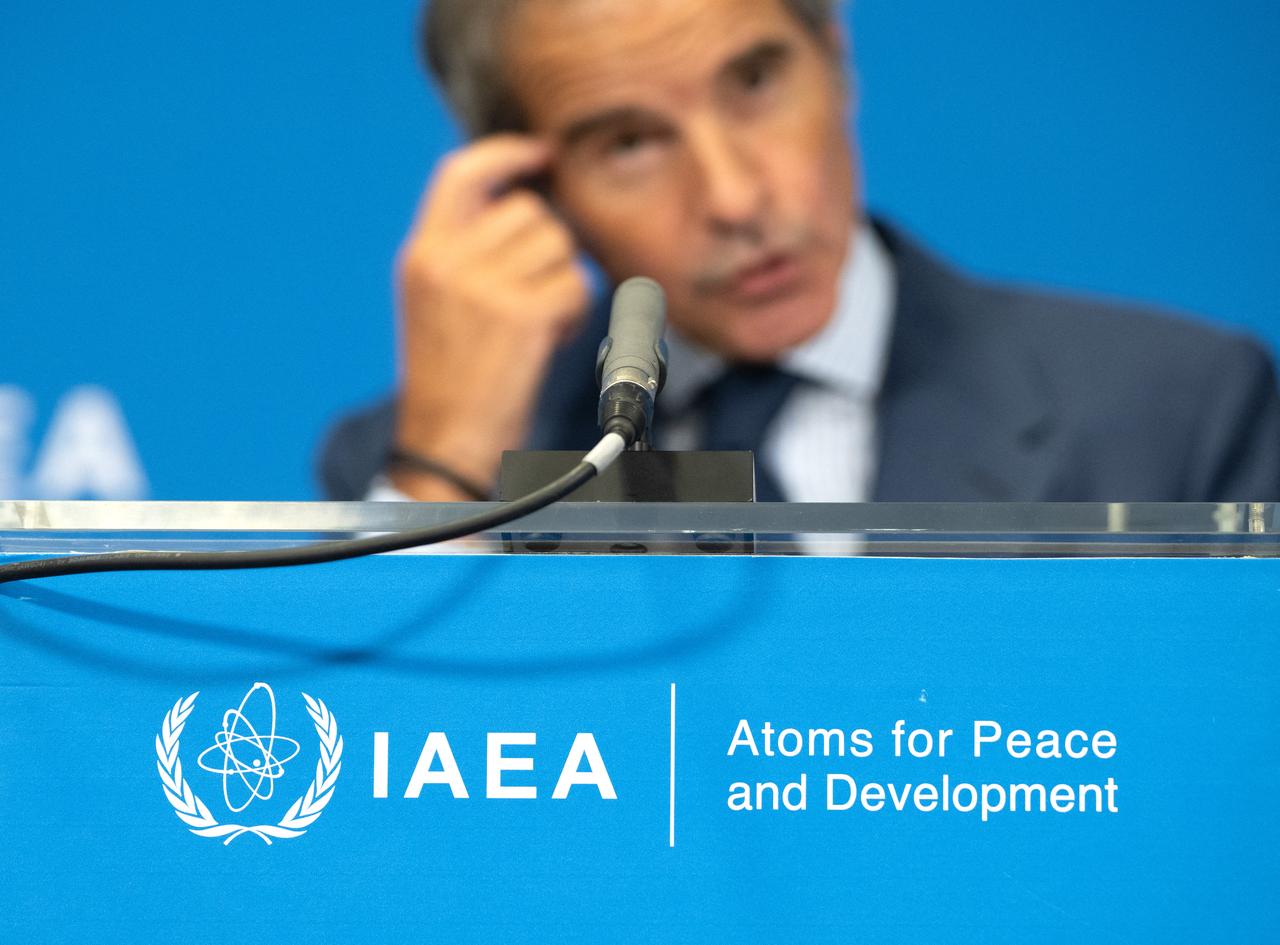

With Eslami absent, U.S. Energy Secretary Chris Wright is set to use the forum to warn Tehran that the U.S. is "unequivocal" in its position that "Iran must never develop or obtain a nuclear weapon," according to excerpts of his planned remarks shared by an administration official.
"Iran must fully cooperate with the IAEA, meet its safeguards obligations, and provide the access necessary for the agency to do its job," Wright is expected to say.
He is also expected to call on the IAEA to "prioritize operational efficiency, eliminate redundant programs, and ensure that all funding contributed by member states is used to uphold the foundational promise that underpins the nuclear nonproliferation regime," adding that "a disciplined IAEA, remaining focused on its core technical mandate, will prove beneficial to all member states."
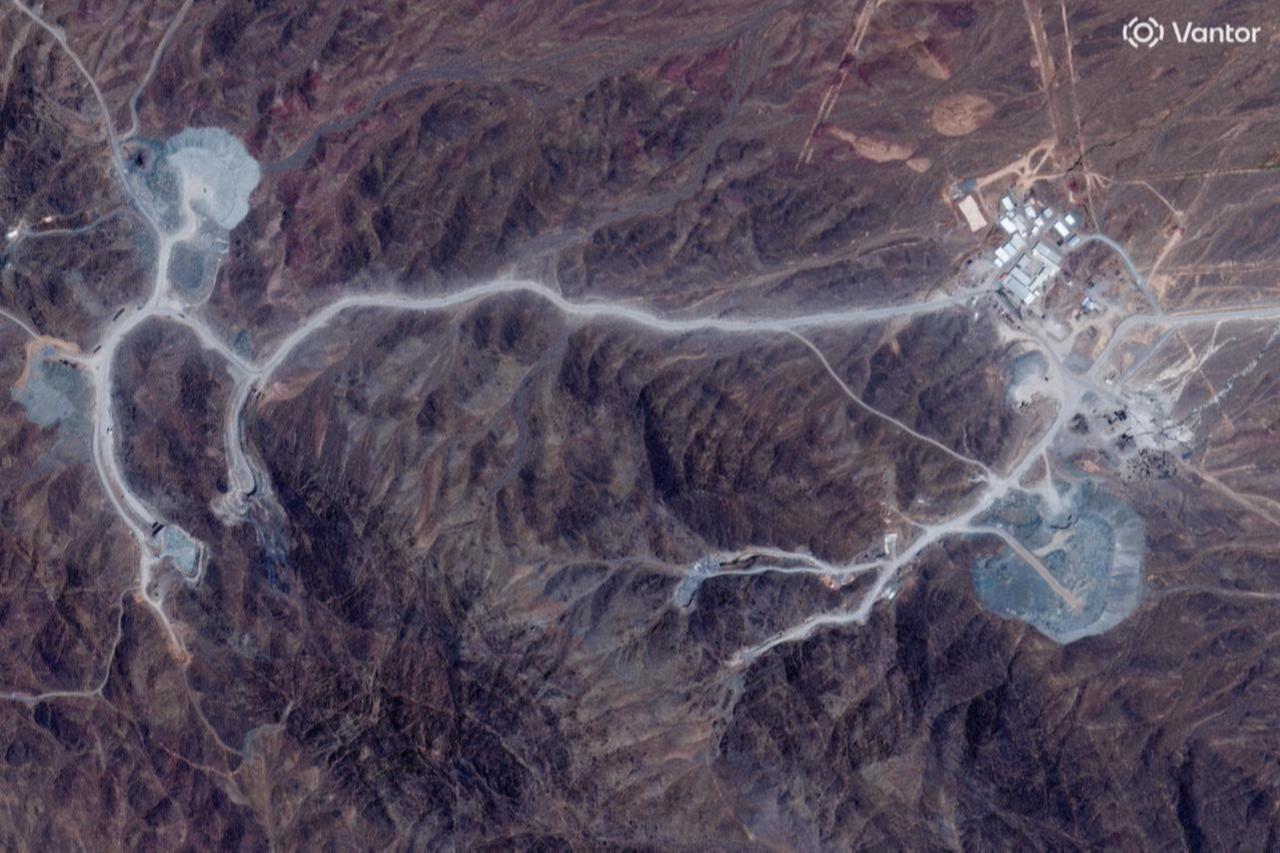
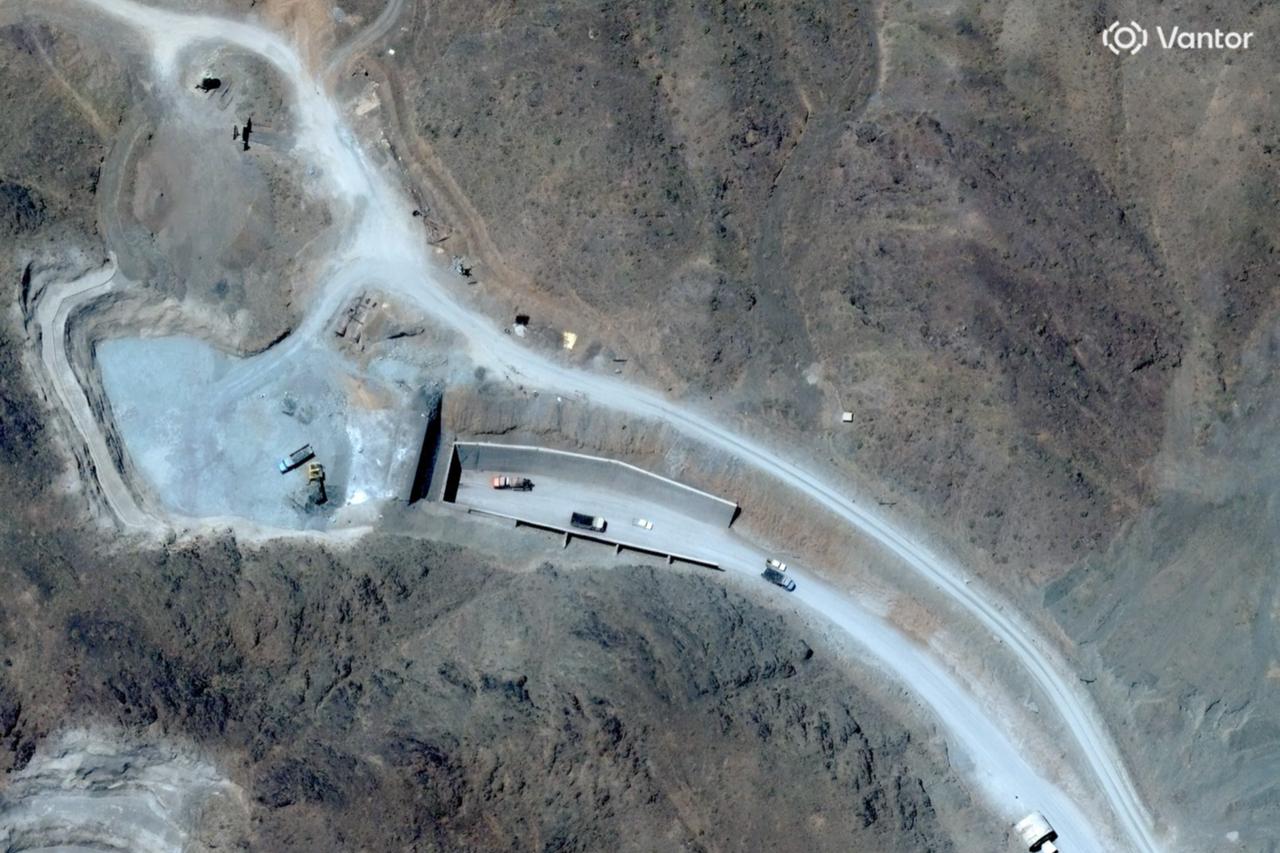
Wright's remarks follow the IAEA's disclosure last week that it had observed construction activity at Iran's Pickaxe Mountain, a heavily fortified site suspected of housing nuclear-related activity.
U.S. President Donald Trump cited "a little activity at Pickaxe" last Wednesday, warning Iran "not to get cute, because we will have to hit them very hard."
Wright is also expected to frame U.S. nuclear policy around expanding civilian nuclear energy, saying: "As America leads a new era of nuclear energy at home and around the world, we will prove that rapid growth and uncompromising standards go hand in hand. American nuclear leadership means American technology backed by the world's highest standards of safety, security, and nonproliferation."
The remarks come amid a broader Trump administration push to accelerate nuclear power development, following a nuclear technology-sharing agreement finalized with Saudi Arabia in July that could allow American companies to build reactors in the kingdom.
Since Israeli and U.S. strikes on Iran's nuclear sites during the 12-day war in June 2025, Iran has not granted IAEA inspectors access to the affected sites, despite being legally obligated to cooperate under the Nuclear Non-Proliferation Treaty.
The agency has been unable to verify the status of Iran's stockpile of near-weapons-grade uranium since the strikes; the IAEA says Iran maintains roughly 440.9 kilograms of uranium enriched up to 60% purity, a short technical step from the 90% purity considered weapons-grade.
Iran maintains its nuclear program is entirely peaceful and that it is not pursuing nuclear weapons.
Senior officials from IAEA member states are gathering in Vienna from Monday through Friday for the General Conference, where they are expected to consider and approve the agency's budget and discuss policy issues including nuclear safeguards in the Middle East.


 Set as preferred source
 Set as preferred source


 1 min read
 1 min read