Newsletters


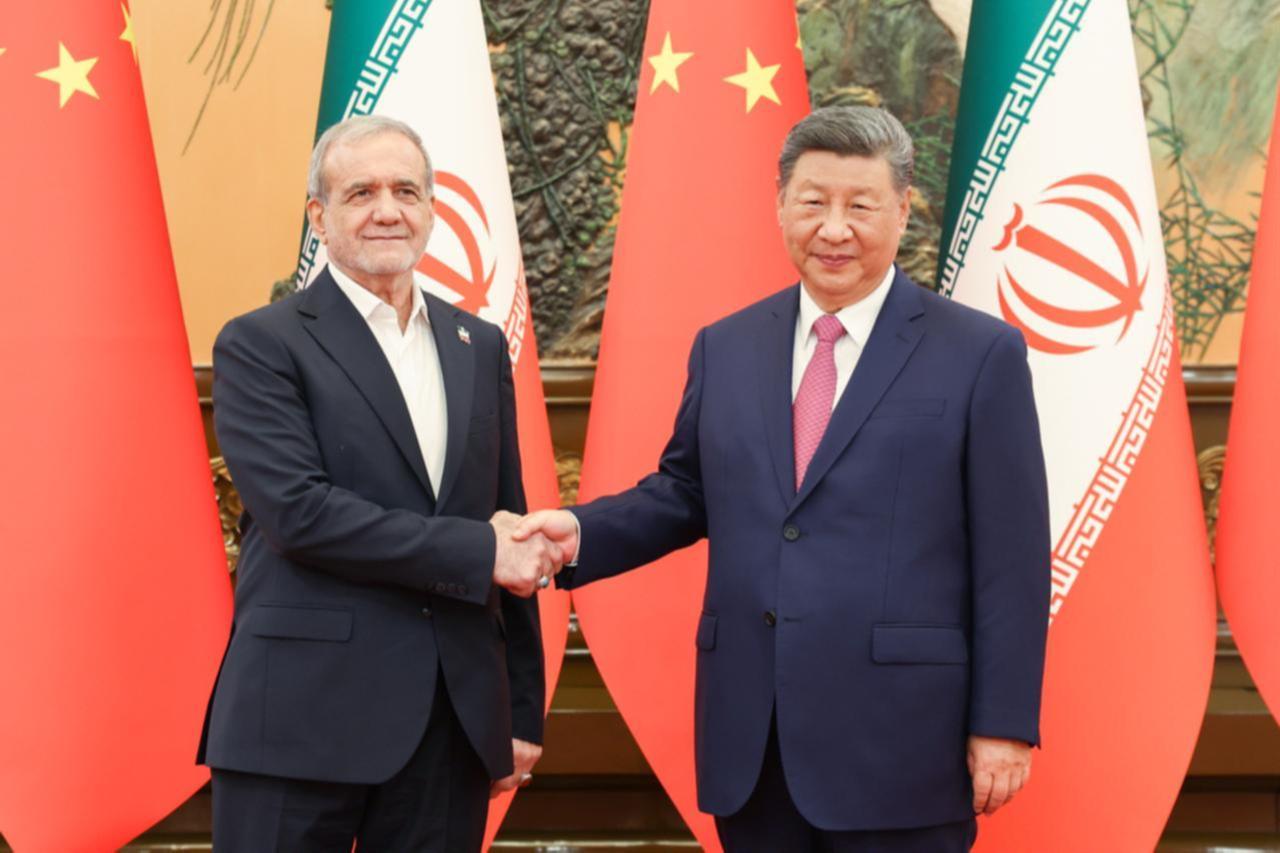


Iranian Parliament Speaker Mohammad Bagher Ghalibaf has urged China to use its diplomatic influence to help end the war with the United States, as Tehran plans to establish a new high-level body to oversee strategic cooperation with Beijing.
In an article published Tuesday on his personal website, Ghalibaf has highlighted China's potential role in resolving the conflict and breaking the prolonged deadlock between Tehran and Washington.
"China's role in ending the war and the situation of 'neither war nor peace' is significant," he wrote.
The remarks come as Tehran and Washington remain at odds over the terms of a lasting settlement following the war, which began with U.S.-Israeli military attacks against Iran on Feb. 28.
Disagreements over sanctions relief, security guarantees and arrangements concerning the Strait of Hormuz continue to hamper efforts to reach a settlement.
Ghalibaf, who also serves as Iran's special representative for China affairs and heads Tehran's negotiating delegation with Washington, believes Beijing's ties with Iran and Arab countries give it an opportunity to strengthen regional stability and help shape a new regional order.
He argued that the conflict had exposed the limits of relying on foreign powers for regional security, noting that many countries had come to recognize that "security lies in the hands of countries in the region, not foreign powers."
Ghalibaf pointed to China's diplomatic relationships across the region, its opposition to unilateralism and its support for developing economies as potential assets in shaping future security arrangements.
He identified four priorities for cooperation with Beijing: helping end the war, shaping a new regional order, strengthening coordination in international institutions and expanding economic and technological ties.
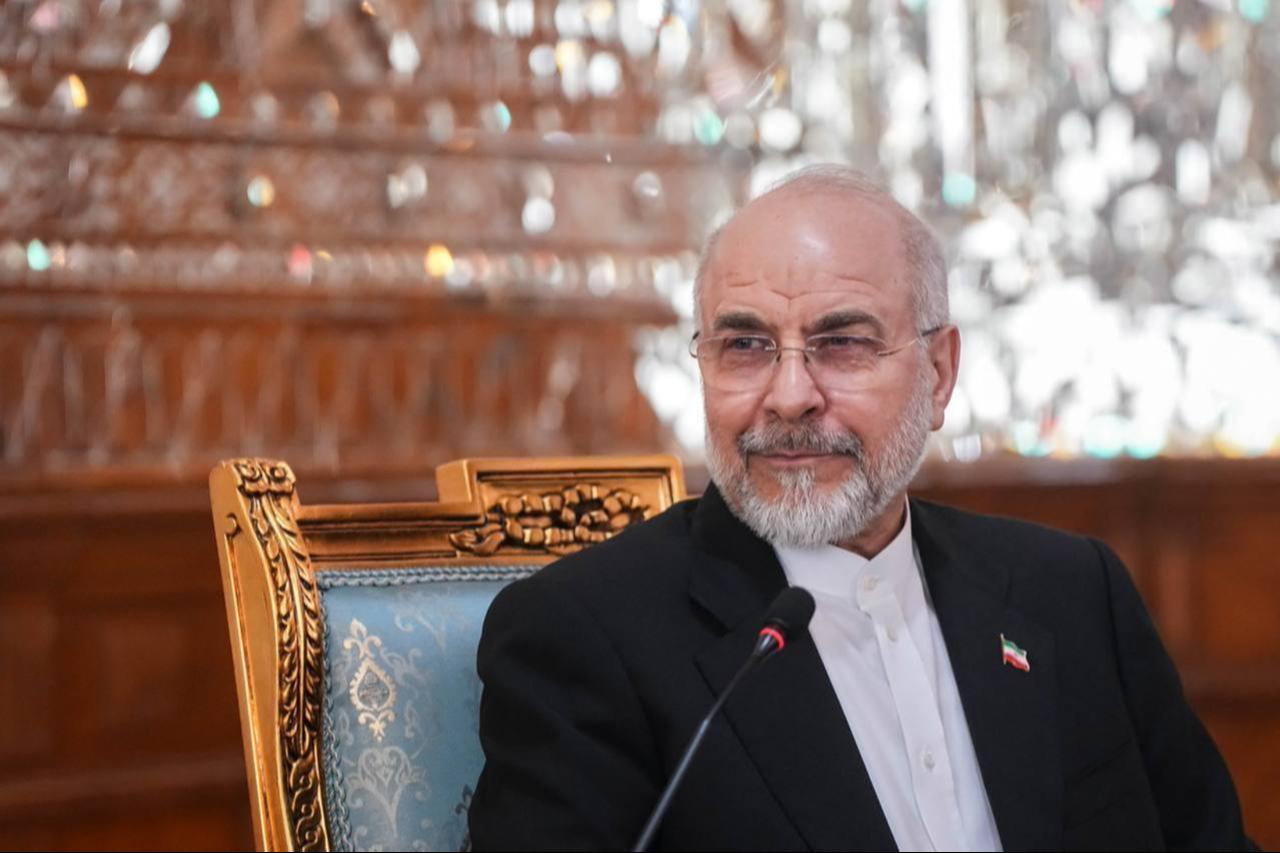

Tehran also plans to establish a high-level body to coordinate its engagement with Beijing across government institutions and the private sector.
Ghalibaf said the proposed structure would set strategic priorities, accelerate decision-making, resolve institutional disputes and monitor major cross-sectoral projects without assuming the responsibilities of existing government agencies.
He also called on the two countries to move beyond ceremonial agreements and turn their 25-year comprehensive cooperation agreement into tangible projects.
Referring to the approach outlined by the supreme leader, Ghalibaf stressed that engagement with major powers, particularly China, "should not be limited to ceremonial agreements" but should deliver "tangible results based on mutual interests."
Investment, joint production, technology and long-term development were among the areas Tehran wanted to expand.
"We must recognize that China, as a major power, has various priorities, and we must make an effort to clearly explain Iran's priorities and position to the Chinese side," Ghalibaf wrote.
He also emphasized the need to focus on delivering practical outcomes rather than simply expanding diplomatic contacts, writing: "We must focus more than before on realizing existing potential and speeding up the delivery of tangible results."
Ghalibaf further identified closer alignment between Iran's seventh development plan and China's 15th five-year development plan as a means of establishing shared priorities and speeding up bilateral cooperation.
He added that every major agreement needed "a clear implementation path, defined responsibilities, a financing mechanism and a way to assess progress."


 Set as preferred source
 Set as preferred source


 1 min read
 1 min read