Newsletters




In December 2011, the last American convoy rolled south toward the Kuwaiti border, engines grinding, dust hanging behind it like a held breath. Behind it, Iraq exhaled. Within three years, black flags were flying over Mosul.
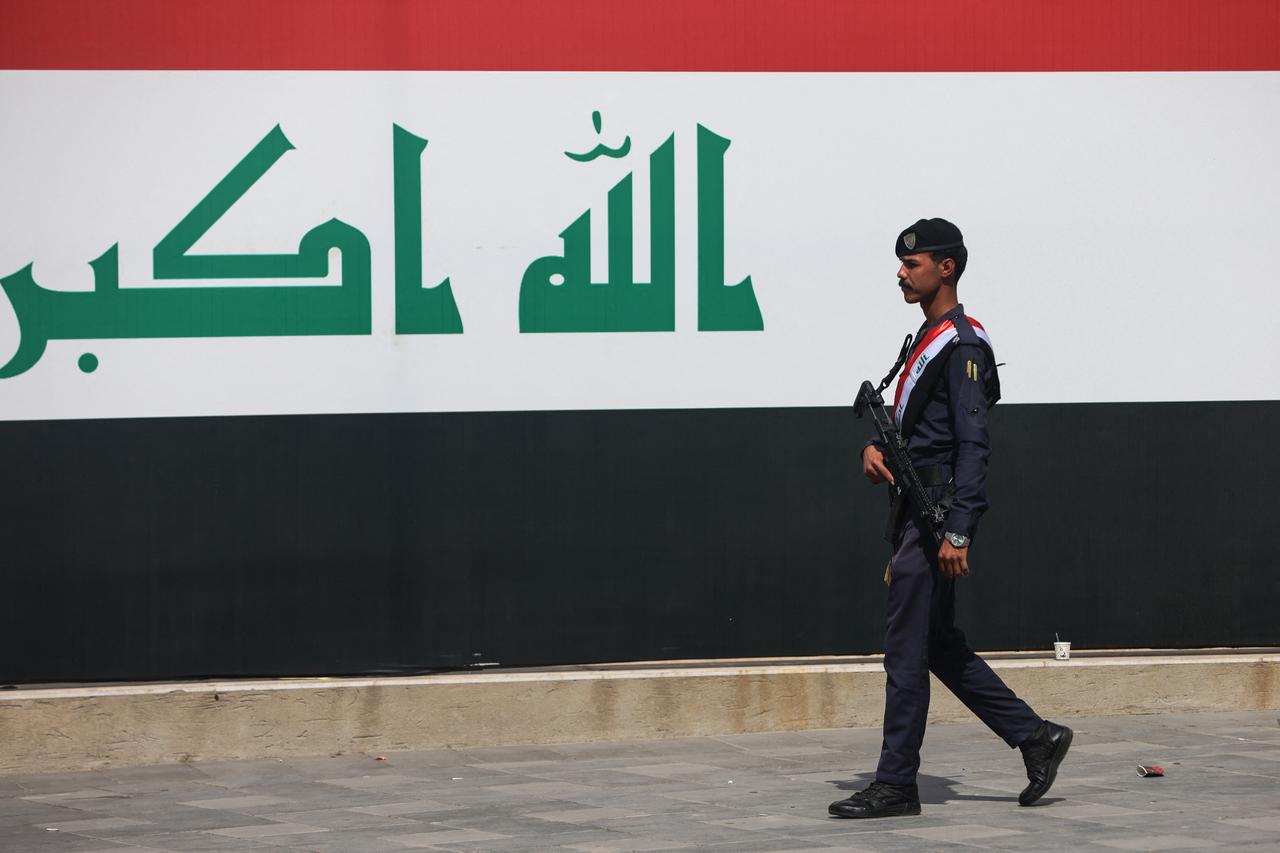
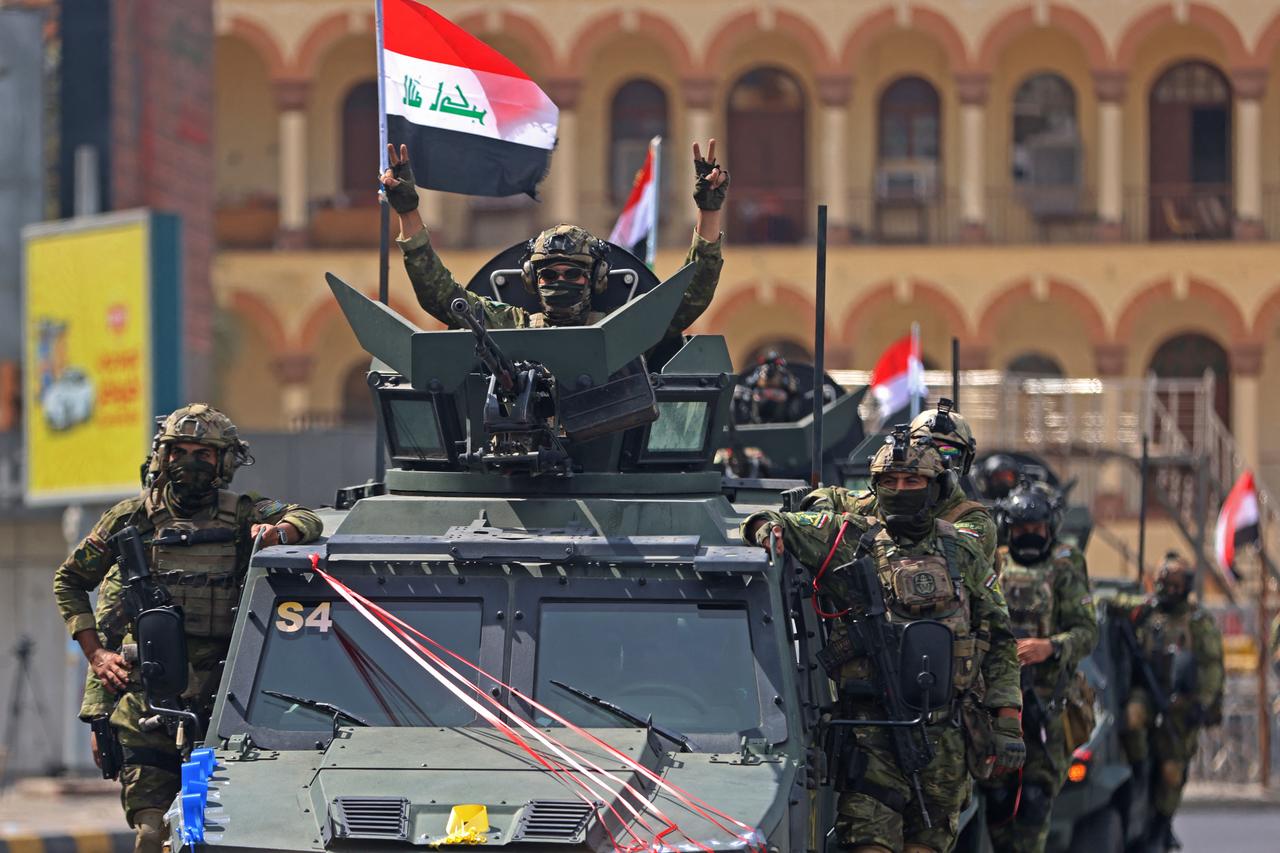
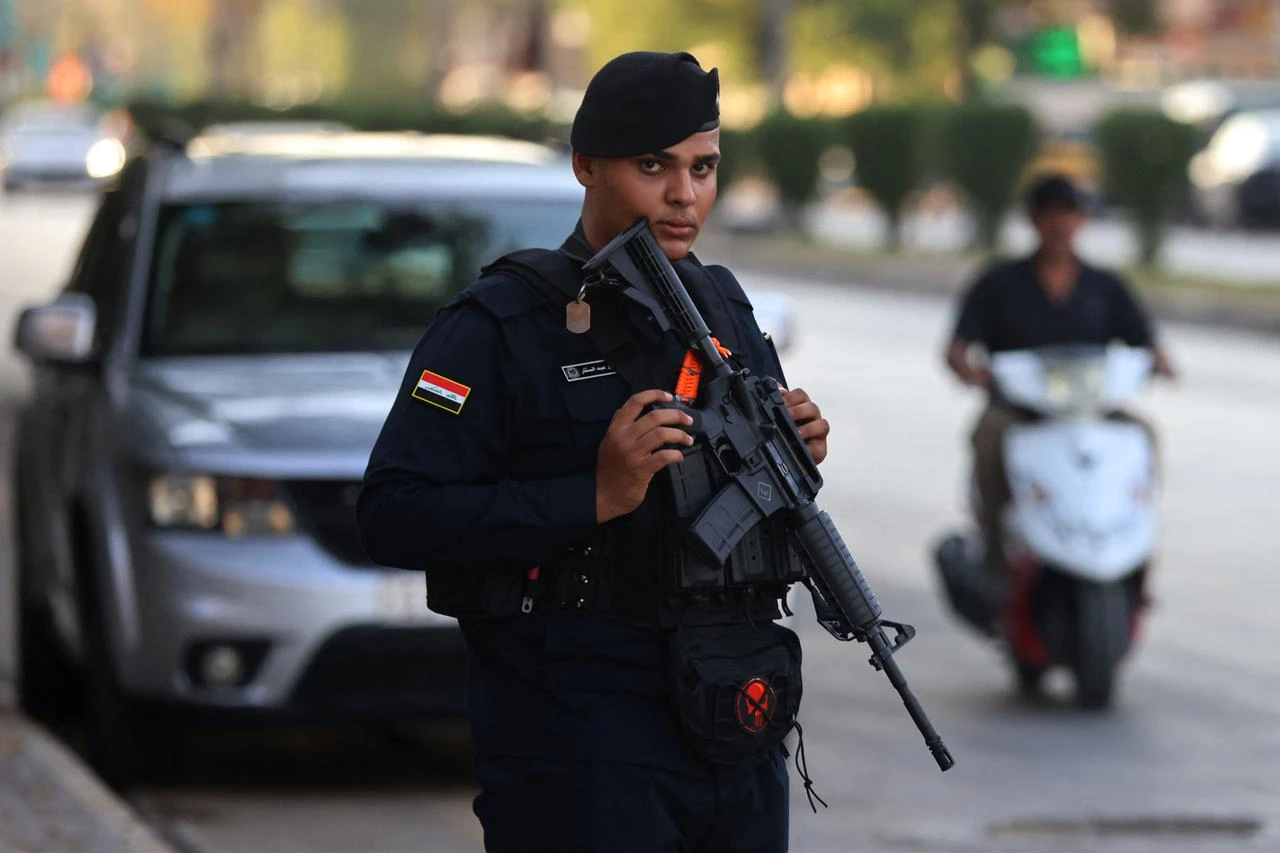
On Sept. 30, 2026, the soldiers were marching the other way. In Baghdad, under a banner proclaiming "Sovereignty Day," Iraqi troops paraded past crowds, and a soldier flashed the victory sign at the cameras. It looked like deja vu with better music.
It isn't. A man who sees the same storm clouds twice can be forgiven for grabbing his coat. But the sky around Iraq has rearranged itself since 2011, and the wind that once blew toward collapse now blows, however unsteadily, in the other direction, toward stronger state control.
Today's withdrawal carries serious risks, but a repeat of the 2011–2014 collapse is not the most plausible outcome.
The weakness of the 2011 settlement became dangerous because Iraq’s internal fragility soon connected with a collapsing regional geography.
The Syrian uprising became a civil war, the Iraqi-Syrian border ceased to function as an effective security barrier, and surviving jihadist networks gained territory and operational depth across both countries.
Iraq’s security institutions were uneven, while relations between Baghdad and the KRI remained fraught. Iran already had deep political and armed relationships in Iraq, alongside its alliance with Assad and Hezbollah. Several pressures weakening state authority were moving in the same direction.
Iraq today remains politically fragmented, but its security institutions are less brittle. ISIS has been pushed back to a residual insurgency and no longer shapes the country’s security agenda as it did a decade ago.
Iraqi forces have accumulated more than a decade of counterterrorism experience, while the KRI has formally brought the old Peshmerga formations under the Ministry of Peshmerga Affairs. That reform does not erase party loyalties, but it removes part of the weakness that complicated security coordination in northern Iraq.
Syria is also moving toward greater territorial consolidation under the post-Assad government. Damascus has recovered control over much of the country, while the SDF has dissolved as an independent military structure and entered a state-led integration process.
The Iraqi-Syrian frontier therefore no longer borders the kind of expanding territorial vacuum that allowed a weakened jihadist movement to rebuild into a cross-border army. The first American withdrawal occurred just as Iraq’s western flank was becoming less governable, whereas the second is taking place as that flank is gradually being pulled back under state authority.
Iran complicates this picture because the fall of Assad and the weakening of Hezbollah have damaged the regional architecture Tehran spent decades building, increasing the relative importance of Iraq to Iranian power projection.
Iran-aligned Iraqi factions remain embedded in politics and the economy, and some retain missiles and drones that the federal government does not fully control.
The current war also shows how quickly Iraqi territory can become exposed to conflicts Baghdad neither initiates nor fully controls. The American departure removes one argument these groups have used to justify keeping their weapons, but Baghdad still lacks the coercive capacity to disarm the strongest factions by decree.

This tendency toward stronger state control remains fragile rather than established. The Iran war continues to disrupt trade routes and airspace, while armed groups across the region retain independent military capabilities.
Nonetheless, Iraq is increasingly tied to neighboring states through interests that benefit from stronger borders and more predictable authority. Türkiye is central because Ankara now maintains working relationships with Baghdad, Erbil and Sulaymaniyah.
The PKK’s decision to disband opened a difficult process whose implementation remains incomplete, while Türkiye’s 2025 decision to reopen its airspace to Sulaymaniyah marked a concrete easing of pressure between Ankara and the PUK-controlled area.
That wider access matters most where Turkish security interests overlap with Iraqi sovereignty. Türkiye and Iraq have agreed that Bashiqa-Zilkan will gradually return to Iraqi federal control as Baghdad restores authority in Sinjar.
Bashiqa-Zilkan is the Turkish military facility northeast of Mosul, while Sinjar is the Yazidi-majority district west of the city where competing armed actors have operated for years. If implemented, the arrangement would turn a long-running sovereignty dispute into a process in which greater Iraqi control permits a smaller Turkish military footprint.
A related problem lies farther north, where the durability of the PKK’s withdrawal will depend partly on whether Iraqi border guards and Peshmerga can prevent vacated positions from becoming security vacuums again.
Iraq’s search for alternative export routes gives this security logic a material base. After disruption around Hormuz exposed the vulnerability of relying overwhelmingly on southern outlets, Baghdad began a pilot operation to move southern crude north toward Kirkuk for export through Ceyhan.
The Development Road is separate, but it points in the same direction by linking southern Iraq with Türkiye by land. Security around Mosul and Iraq’s northern approaches to Türkiye therefore matters increasingly to trade and state revenue as well as counterterrorism.
Türkiye can help connect these processes because its security interests, commercial routes and relationships with different Iraqi centers of power overlap geographically. That gives Ankara room to support arrangements that reduce contested spaces.
On the other hand, Türkiye cannot provide every capability Iraq needs, and a durable Turkish role ultimately requires Iraqi institutions to become strong enough to reduce the need for Turkish military action.
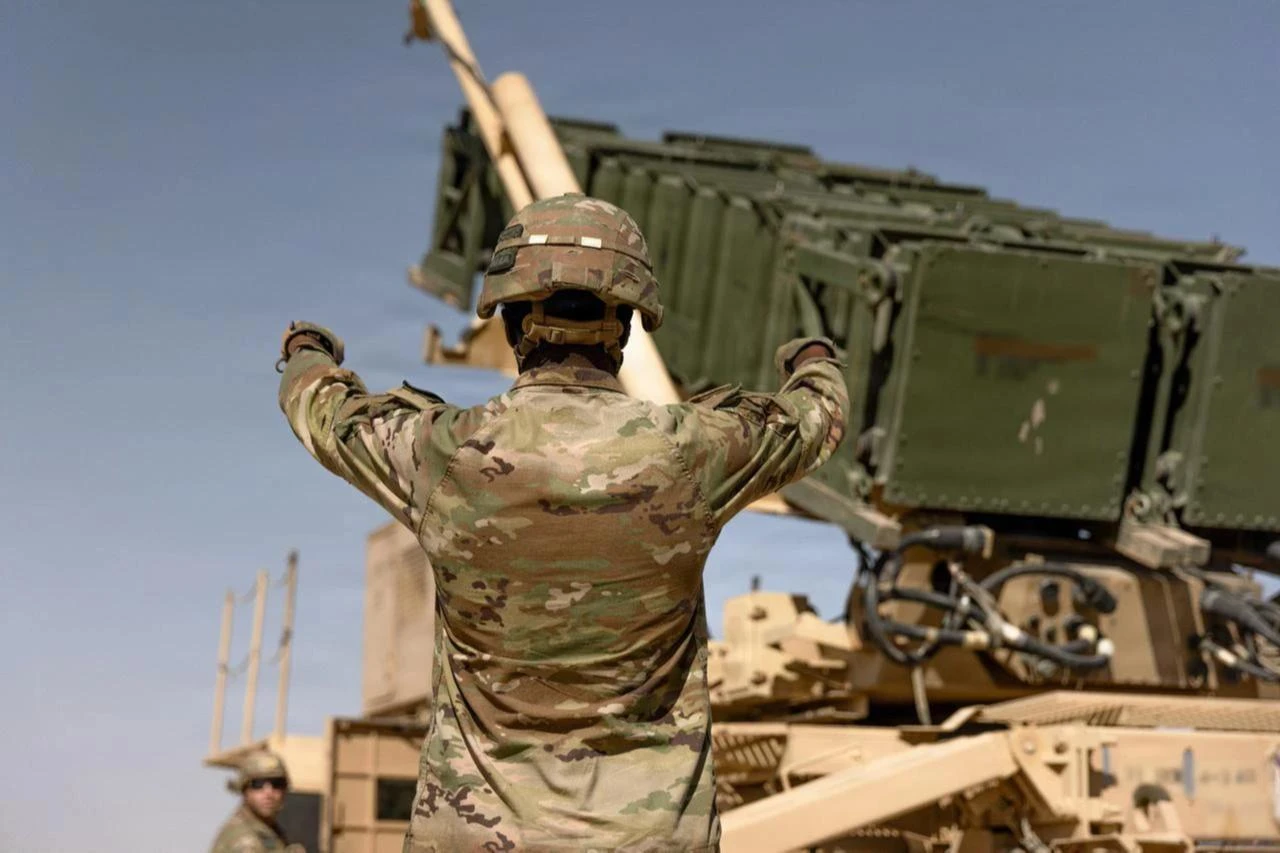
The larger danger is that Iraq again becomes an arena where outside rivalries are fought through local actors. The KRI says more than a thousand drones and ballistic missiles have struck its territory during the current regional war, while no replacement air-defense system accompanies the American withdrawal. Iran-aligned factions also retain the ability to pull Iraq into conflicts Baghdad would prefer to avoid.
Those risks matter because the more favorable regional trend remains incomplete. In 2011, American forces departed as the surrounding environment was becoming more permissive for fragmentation.
In 2026, some important pressures are moving toward stronger state authority and more secure regional connectivity, even as war and proxy competition continue to work in the opposite direction.
Whether the second withdrawal endures will depend less on the absence of danger than on whether Iraq and its neighbors can keep that balance from turning back toward fragmentation.


 Set as preferred source
 Set as preferred source


 1 min read
 1 min read