Sign in
 Newsletters


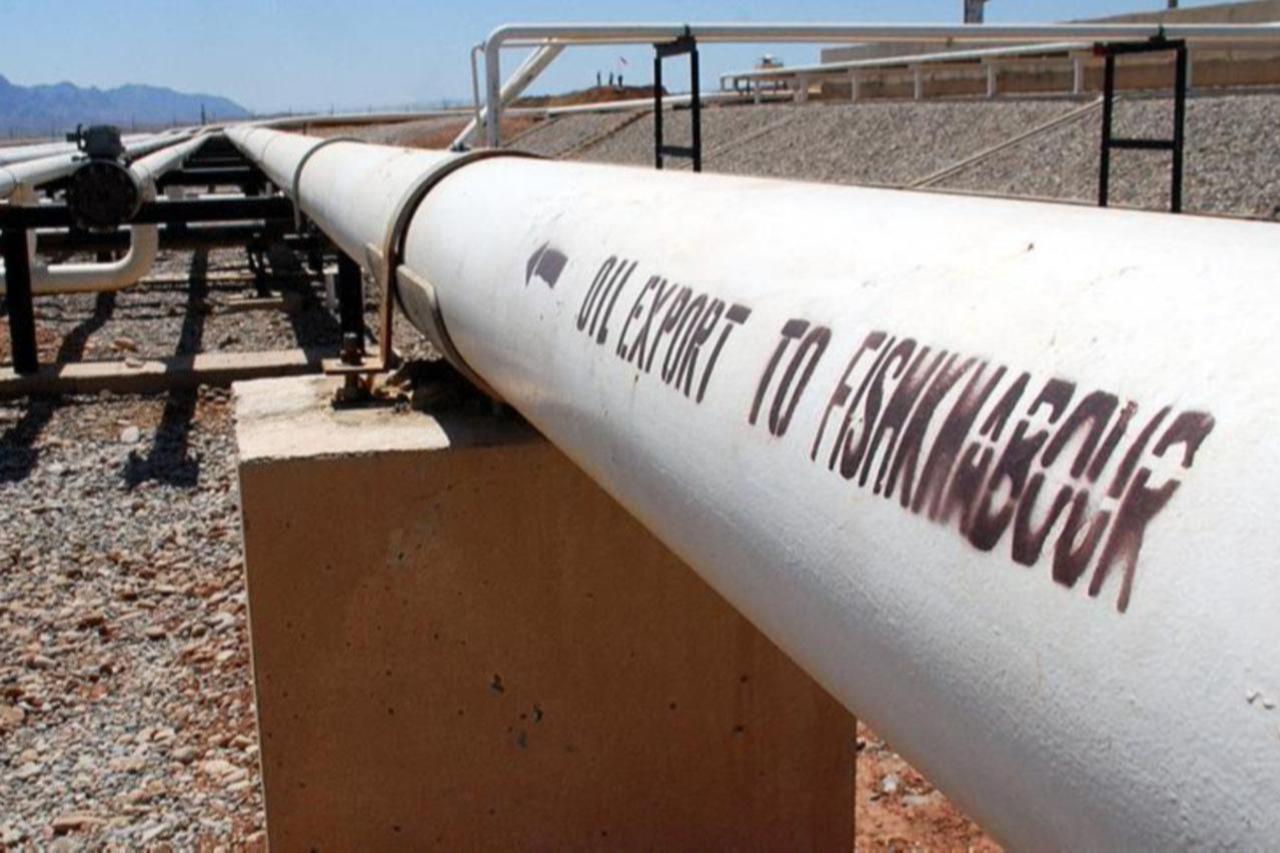


Iraq has reopened its long-shuttered Kirkuk-Ceyhan oil pipeline to Türkiye, restoring a northern export route after 12 years and targeting flows of up to 500,000 barrels per day as disruptions around the Strait of Hormuz threaten shipments through the Gulf.
The pipeline initially carries 120,000 barrels per day, with Iraq planning to gradually ramp up volumes to 500,000 bpd, Oil Minister Basim Muhammed Khudair announced on Tuesday.
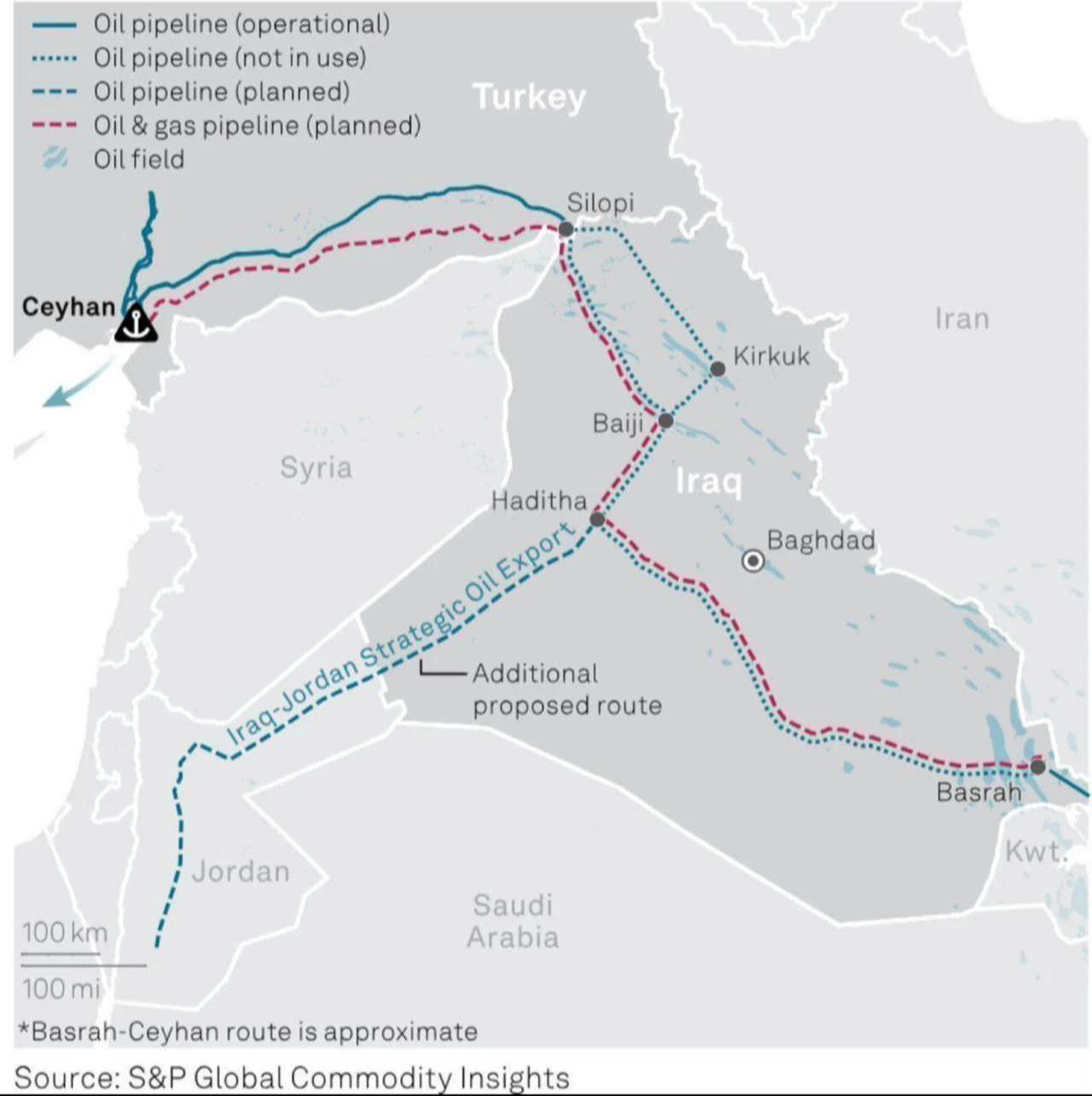
The roughly 960-kilometer (596.52-mile) pipeline links northern Iraq's oil fields to Türkiye's Mediterranean port of Ceyhan, allowing crude to reach export markets without passing through the Strait of Hormuz.
The federal Kirkuk-Ceyhan pipeline runs from northern Iraq toward Fishkhabur on the Turkish border, where it connects to Türkiye's pipeline network leading to Ceyhan.
The route previously handled shipments equivalent to around 0.5% of global oil supply before security threats and repeated Daesh attacks disrupted operations in 2014.
It operates separately from the export route through the Kurdish Regional Government (KRG), whose oil shipments were suspended in March 2023 following a Paris arbitration ruling over Türkiye's role in facilitating Kurdish exports without Baghdad's authorization.
Exports of KRG crude resumed in late September 2025, under a deal between Baghdad, Erbil and international oil companies, initially carrying around 190,000 barrels per day.
In March 2026, a separate agreement allowed federal Kirkuk crude to be transported through the same route, with initial flows of around 170,000 bpd and a target of 250,000 bpd.
Combined shipments through the northern route have since reached around 450,000 bpd, including approximately 200,000 bpd of KRG crude.
Restoring the federal line gives Baghdad another channel to move northern crude through Türkiye without relying solely on infrastructure crossing the Kurdish Region.

Iraq, OPEC's second-largest oil producer, has been hit hard by disruptions to shipping through the Strait of Hormuz, through which roughly 90% of its crude exports normally pass.
Before the conflict, Iraq exported around 3.3 million to 3.5 million barrels per day, generating billions of dollars in monthly oil revenues and funding more than 90% of its government budget.
Exports plunged from approximately 3.4 million barrels per day in February to just 131,000 bpd in April as the disruption to Gulf shipping forced Baghdad to curb production and seek alternative outlets.
Oil revenues also fell sharply, with Iraq exporting just over 32 million barrels in May and June combined, worth approximately $2.3 billion.
Shipments gradually recovered as Baghdad relied on alternative routes, including exports through Türkiye's Ceyhan port and tanker transfers outside the Strait of Hormuz, alongside truck shipments through Syria.
Daily exports reached around 2.7 million bpd in September before rising to approximately 3.5 million bpd in October, approaching pre-war levels.
The reopened pipeline provides a land-based alternative through northern Iraq and Türkiye, reducing Baghdad's reliance on Gulf shipping.
Türkiye and Iraq are negotiating a new energy framework after their 1973 pipeline agreement expires on July 27, 2026. Extended in 2010 for 15 years, the agreement governed Iraqi crude transit through Türkiye.
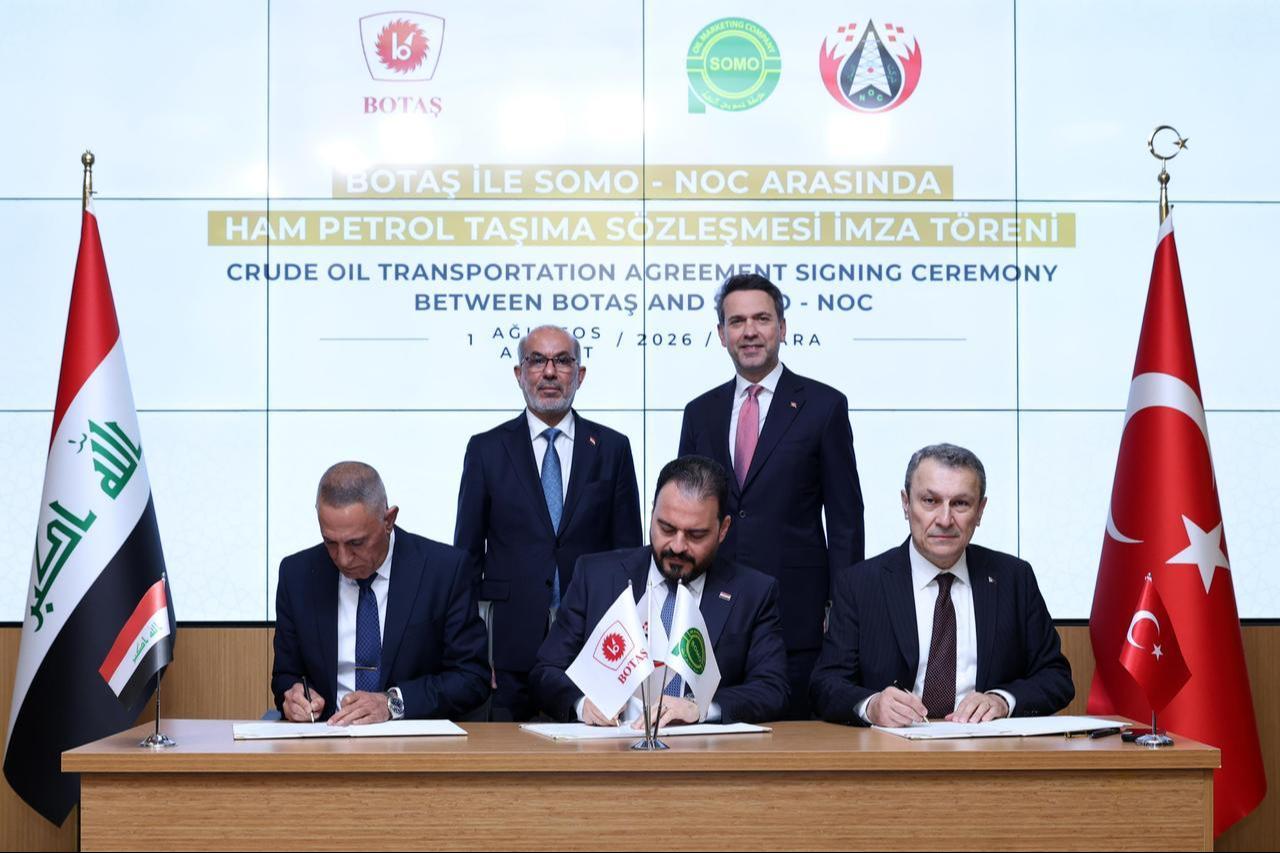
An interim deal signed in August reserves up to 750,000 barrels per day of transportation capacity for Iraqi oil. The agreement between Türkiye's BOTAS and Iraq's State Organization for Marketing of Oil (SOMO) and North Oil Company maintains exports while negotiations continue over a long-term arrangement.
Ankara is seeking higher transit fees, compensation for maintaining idle pipeline capacity and a settlement of outstanding financial claims stemming from the arbitration dispute.
Türkiye has also proposed extending the pipeline to Basra and raising its capacity to 2.5 million bpd, allowing crude from southern Iraq to reach Mediterranean markets through Türkiye.
Energy Minister Alparslan Bayraktar has floated opening the expanded corridor to other Gulf producers, including Kuwait, alongside a parallel natural gas pipeline that could carry Qatari and other Gulf supplies through Iraq and Türkiye to European markets.
The proposals would turn the route into a broader energy corridor linking Gulf producers with Mediterranean and European markets, according to the minister.
The Ceyhan terminal handles roughly 1 million barrels of crude per day from Iraqi oil transported through the Iraq–Türkiye pipeline network and Azerbaijani crude delivered via the Baku-Tbilisi-Ceyhan (BTC) pipeline, according to data from BOTAS.


 Set as preferred source
 Set as preferred source


 2 min read
 1 min read