Sign in
 Newsletters


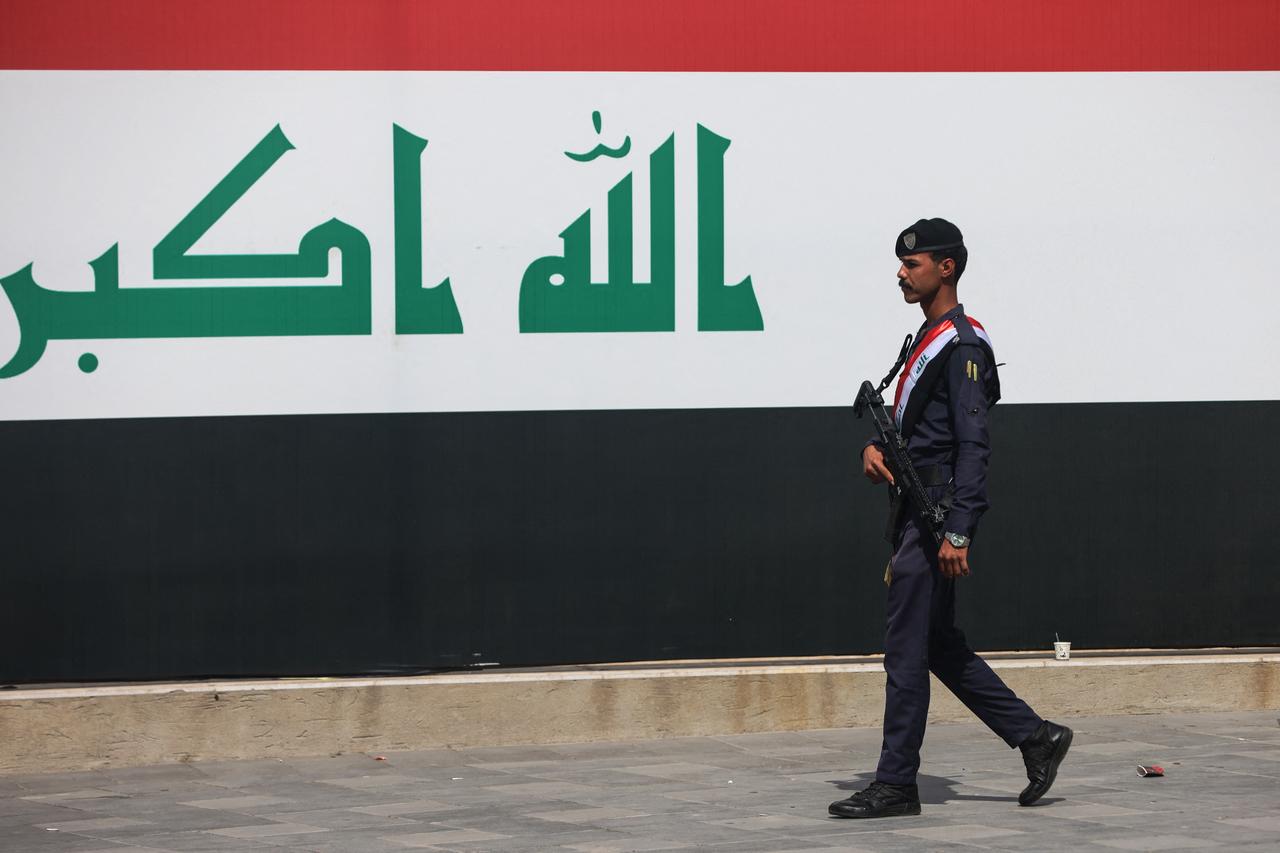


Iraqi security commanders discussed plans Wednesday to redeploy forces in Jurf al-Nasr, south of Baghdad, two days after Prime Minister Ali al-Zaidi ordered government troops into the area and gave Hezbollah Brigades a deadline to withdraw amid an investigation into suspected oil smuggling.
The discussions took place during a meeting chaired by Abdul Amir al-Shammari, director of the office of the commander-in-chief of the armed forces, following directives from Zaidi, according to a statement carried by the Iraqi News Agency (INA).
Participants agreed to “study proposals for redeployment and the distribution of areas of responsibility,” along with command-and-control arrangements and the regulation of boundaries with neighboring security commands, the statement said.
An unnamed official source separately told INA that the proposed redeployment in Jurf al-Nasr, also known as Jurf al-Sakhr, would involve all security forces and the Popular Mobilization Forces (PMF).
However, authorities did not announce a final redeployment plan, specify when the changes would take effect or identify which forces would assume security responsibility in the area.
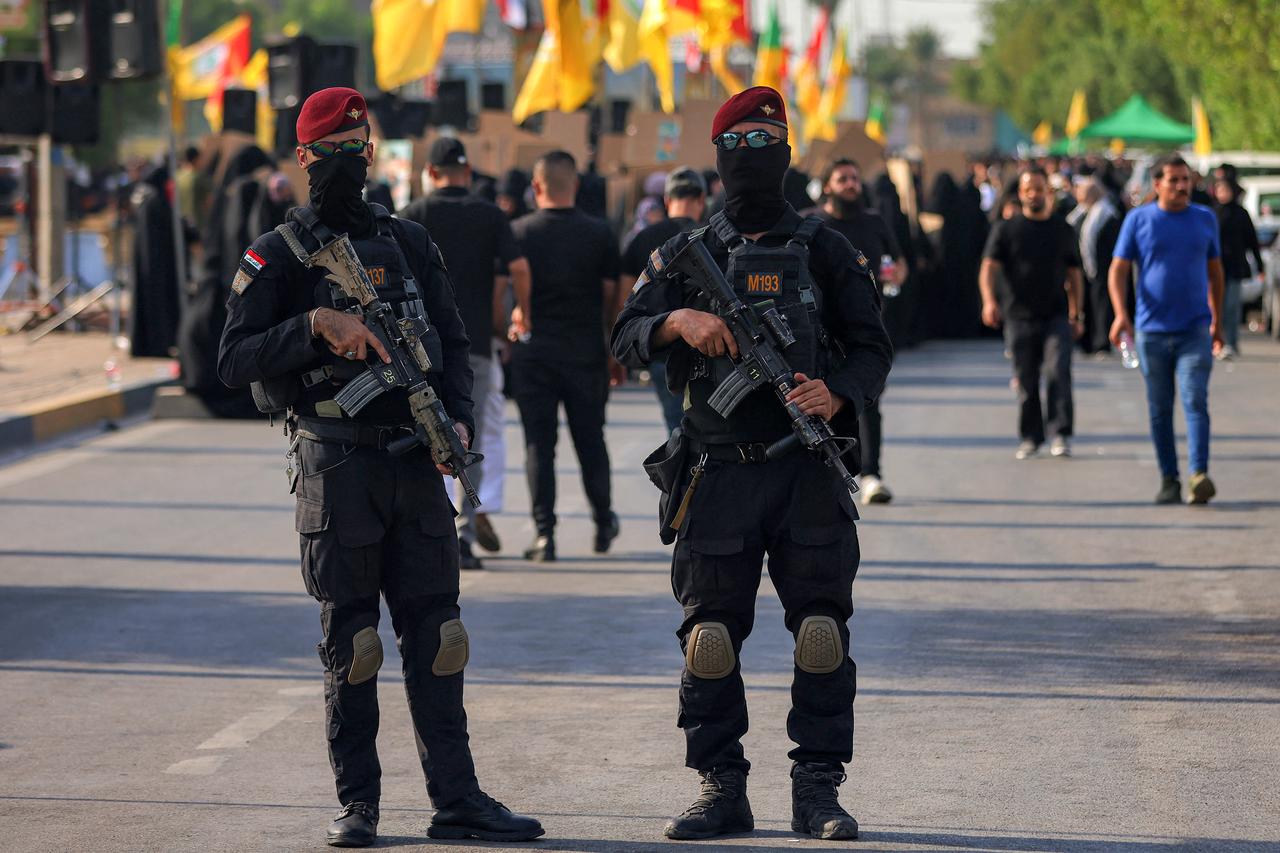

The discussions followed an announcement Monday by government spokesperson Haider al-Aboudi that Zaidi had instructed the armed forces to enter Jurf al-Nasr, in central Iraq's Babil province.
Aboudi said the prime minister had also set a deadline for Hezbollah Brigades to leave the area, although he did not disclose when that deadline would expire.
Wednesday's meeting did not clarify whether the group had begun withdrawing or how the government's instructions would be implemented.
 1 min read
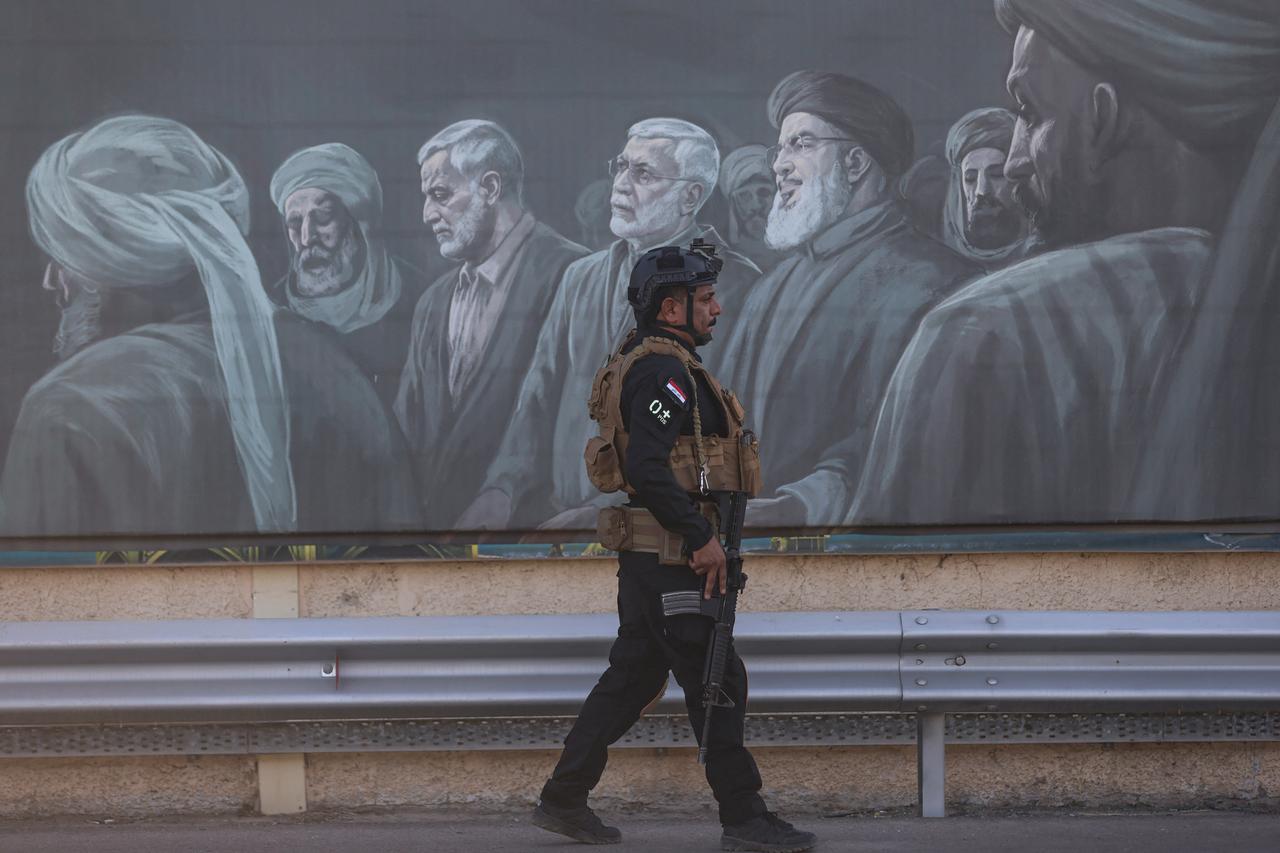
The government's directives came amid an investigation into suspected oil-smuggling activities in the area.
According to the government, an investigative committee inspected six sites and identified evidence of tampering with oil pipelines.
The committee also reported finding two refineries, a tanker truck and storage tanks.
Hezbollah Brigades rejected the allegations, maintaining that the inspection had uncovered no violations involving the oil pipelines.
The group said the tanks and other facilities in the area were intended to supply fuel to military vehicles.
The competing accounts remain unresolved, while Iraqi authorities continue discussing the proposed security arrangements for Jurf al-Nasr.


 Set as preferred source
 Set as preferred source


 1 min read