Newsletters


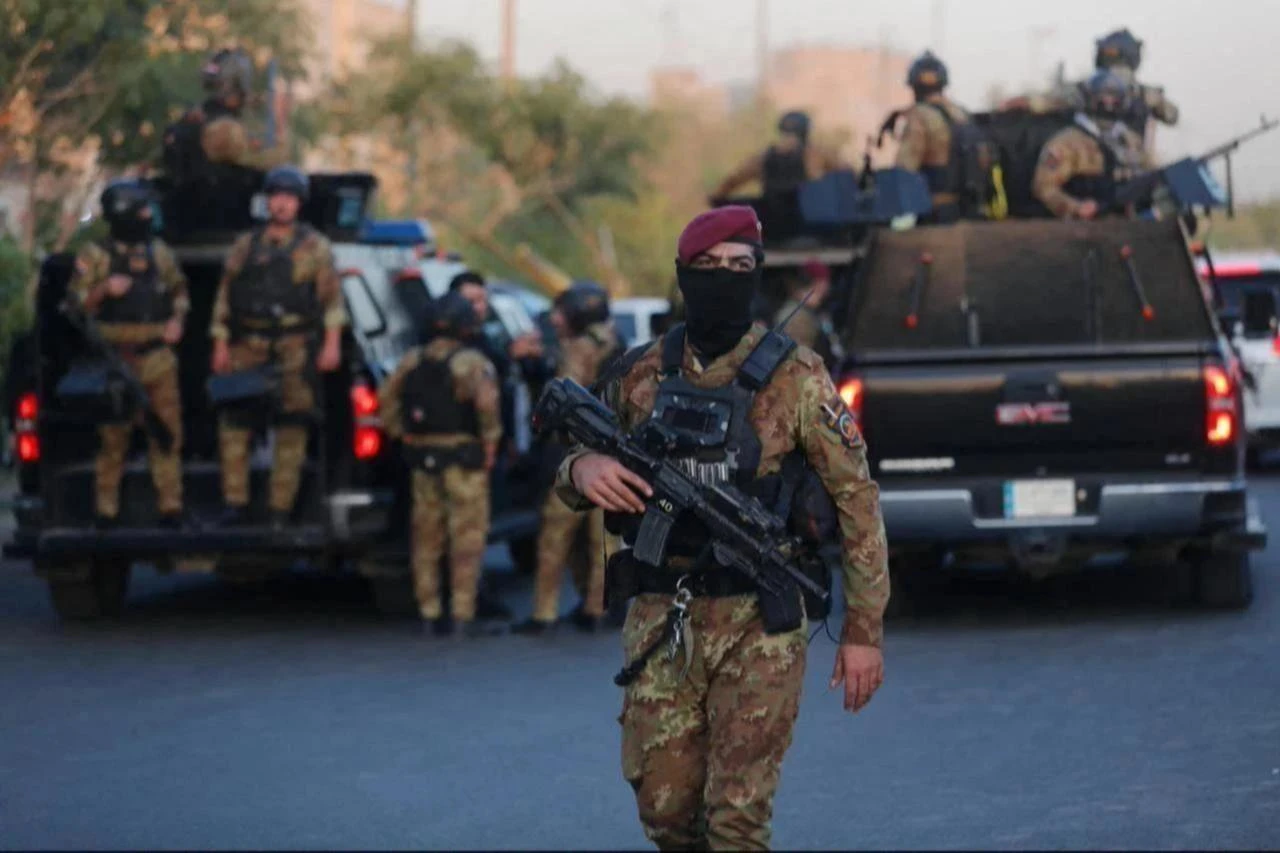


Hadi al-Amiri, head of Iraq’s Badr Organization and a senior figure in the Iran-aligned Popular Mobilization Forces (PMF), urged Iraqi armed factions to postpone any retaliation against the U.S. and Saudi Arabia over recent strikes on PMF positions, calling for restraint in what he described as Iraq’s higher national interest.
Amiri appealed as a deadline set by the Iran-aligned Islamic Resistance in Iraq, or IRI, for the Iraqi government to respond to the strikes reached Aug. 7.
“I appeal to my sons and brothers in the Islamic Resistance in Iraq ... to postpone any response to the American-Saudi attack that targeted Iraq, and to endure these wounds patiently, for the sake of Iraq’s higher interest,” Amiri said in a video message carried by Iraqi media.
He said the rights of those killed and wounded in the strikes would instead be pursued through diplomatic channels.
The appeal followed joint U.S.-Saudi strikes on July 29 against PMF positions in Iraq.
Reports put the toll at at least 20 dead and more than 30 wounded. The PMF said at least 20 of its members were killed and 32 others injured when strikes hit what it described as official headquarters in Baghdad and five other provinces.
U.S. Central Command said the “precision strikes in Iraq” targeted Iran-aligned groups that it said had been directed by Iran’s Islamic Revolutionary Guard Corps to attack U.S. forces and Saudi energy infrastructure.
Saudi Arabia’s Defense Ministry said the strikes followed drone attacks against the kingdom by Iran-backed militias in Iraq and said Riyadh was determined to deter those responsible.
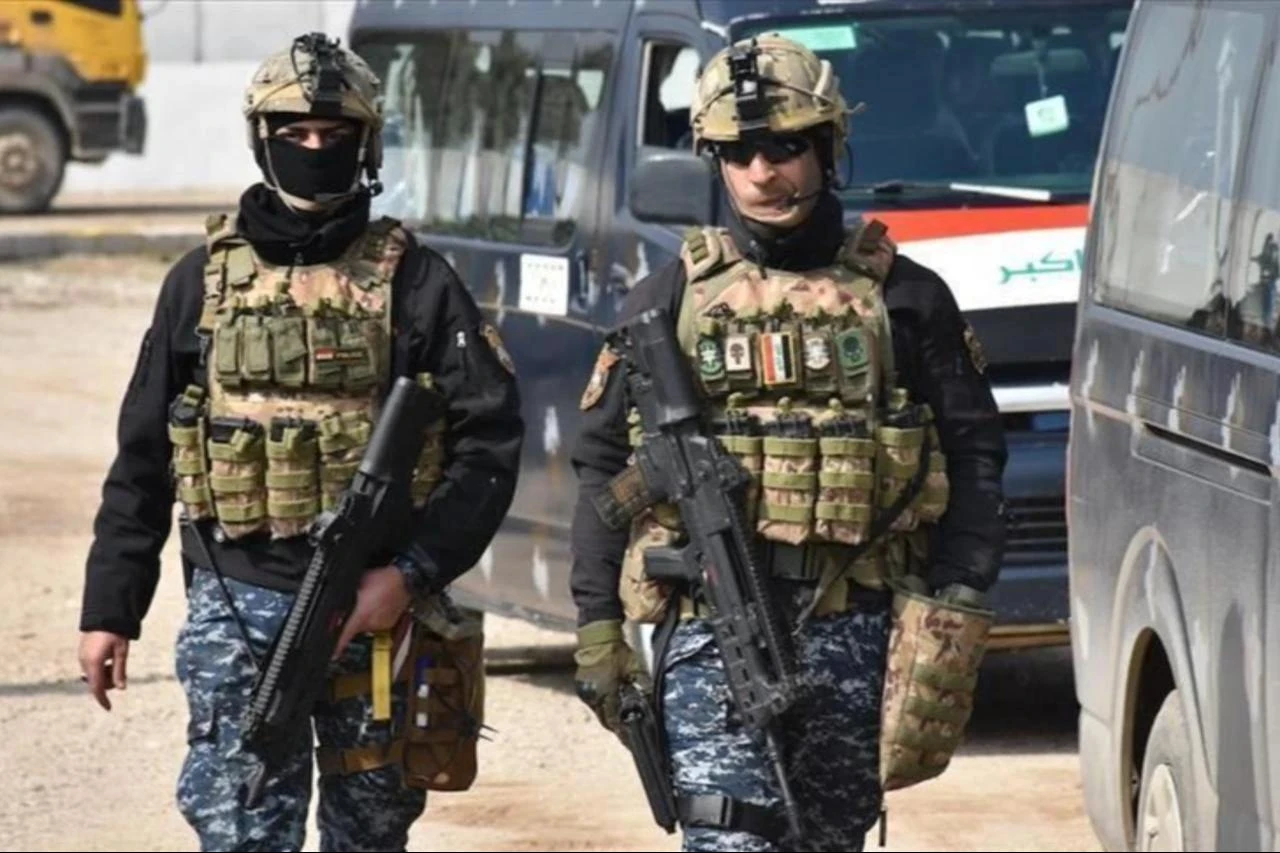

The IRI denied involvement in attacks against Saudi Arabia after the U.S.-Saudi strikes but said it would respond to the targeting of its positions.
The group gave Iraqi government institutions a deadline until Aug. 7 to demonstrate what action they would take.
“Our response to the American enemy is coming without doubt, and it may reach its instruments in Saudi Arabia whenever circumstances require it,” the IRI said.
The IRI includes armed groups that overlap with the PMF, including Asa’ib Ahl al-Haq, Kata’ib Hezbollah, Harakat Hezbollah al-Nujaba and Kata’ib Sayyid al-Shuhada.
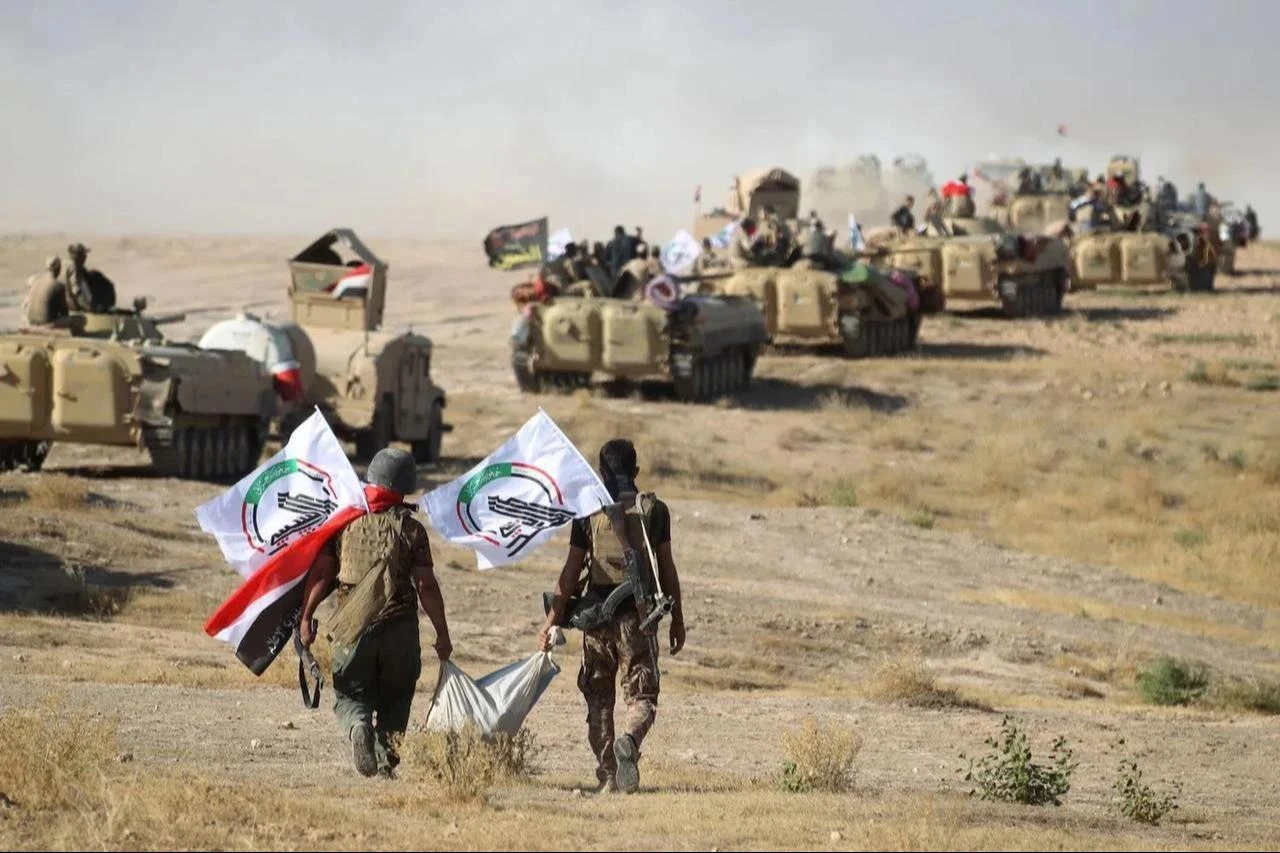
The PMF was established in 2014 during Daesh’s offensive that seized large areas of northern and western Iraq.
It was created following a religious edict, or fatwa, issued by Iraq’s highest Shiite authority Ali al-Sistani, and initially brought together around 70 predominantly Shiite armed groups with approximately 250,000 members.
Although the PMF is a state-funded institution, some of its factions are widely seen as overlapping with the Iran-led “Axis of Resistance.”
Those groups have carried out attacks against alleged U.S. targets in the region in support of Tehran since the outbreak of the Iran war in late February, often under the IRI banner.
The Badr Organization is considered the largest group operating under the PMF umbrella.
Ali Al-Jabiri, president of the Arab Journalists Union in Sweden, sharply criticized Amiri’s video statement in a post on X.
Jabiri accused the Badr Organization of having participated in attacks against Saudi Arabia and said Amiri was attempting to portray himself as seeking peace and diplomatic solutions.
He also argued that Amiri’s public appeal suggested the armed factions were acting against the Iraqi government’s declared policies.
Jabiri questioned why Amiri was appealing to the groups to exercise restraint rather than calling for the Iraqi state to impose its authority and require armed groups operating outside state control to surrender their weapons.
He further alleged that the factions coordinate within the same Iran-aligned axis and said the video message was intended to distance Amiri from attacks attributed to those groups.


 Set as preferred source
 Set as preferred source


 1 min read
 1 min read