Newsletters


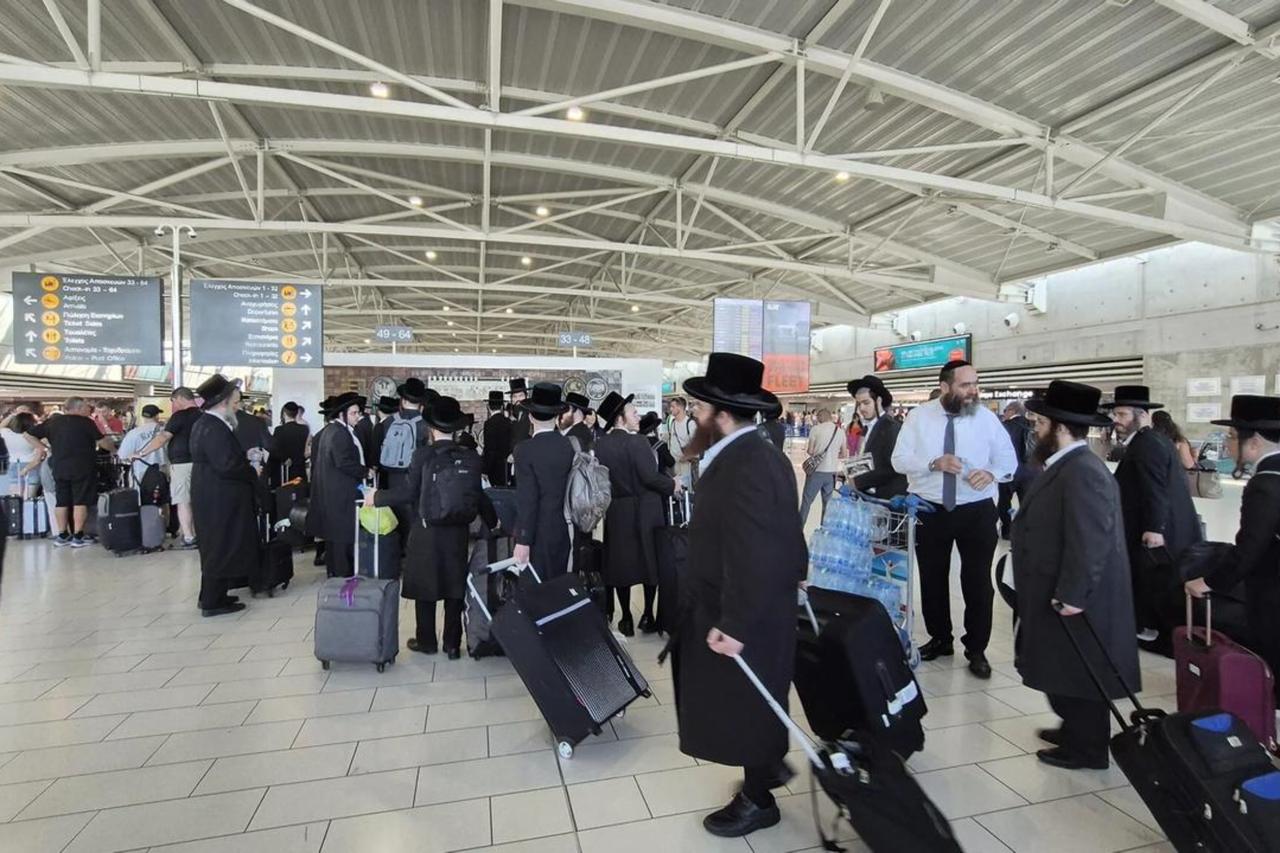


Israeli property purchases in Cyprus have surged since the Oct. 7 attacks, a trend that some say reflects a deliberate strategy to expand Israeli influence on the island and offer citizens a geopolitical foothold and "breathing room" abroad.
"Cyprus is the most suitable location for Jewish settlement. While the island isn't a magnet for European settlers, its climate is suitable for Europeans, and notably, it is in close proximity to Israel, serving as a gateway to it," said Zionist activist David Trietsch during the Third Zionist Congress in 1899.
Now, Israel controls its desired geography, but the island of Cyprus remains on its radar anyway.
While the growing Israeli presence has brought economic benefits, some say it is likely to foster a segregation mindset, an inclination toward exceptionalism, and the tendency to build a closed economy, which will ultimately hurt Greek Cypriots—and eventually Greece itself.
An estimated 12,000 to 15,000 Israeli citizens now live on the island, up from just a few hundred in the early 2000s, a surge that some observers attribute to a deliberate settlement strategy.


For decades, despite Israel's desires, the concept of Cyprus as a demographic extension of Israel remained mostly a historical footnote in reality.
Today, it is materializing into brick-and-mortar reality along the Mediterranean coast. Far from a scattered influx of expatriates integrating into the local culture, this migration is highly concentrated, driving a drastic transformation in key districts.
Between January 2021 and December 2024, Israeli nationals were linked to sweeping real estate acquisitions: 1,406 property purchases in Larnaca, 1,291 in Paphos, and 1,154 in Limassol.
Coastal plots, large residential developments, and dedicated apartment complexes are being marketed directly to Israelis, often through Hebrew-language advertising that bypasses the local population.
This is no longer just about vacation homes; it is the systematic construction of a parallel infrastructure. Across Larnaca, Limassol, Paphos, and Ayia Napa, new synagogues and Chabad centers are cementing the community’s permanent footprint.
The most glaring symbol of this shift is the planned Yael Private School in Polemidia. Backed by more than €50 million ($58.36 million) in investment, the mega-campus is designed for 1,500 students and is slated to open in 2027. Such institutional investments mark a clear transition from temporary relocation to deeply entrenched settlement.
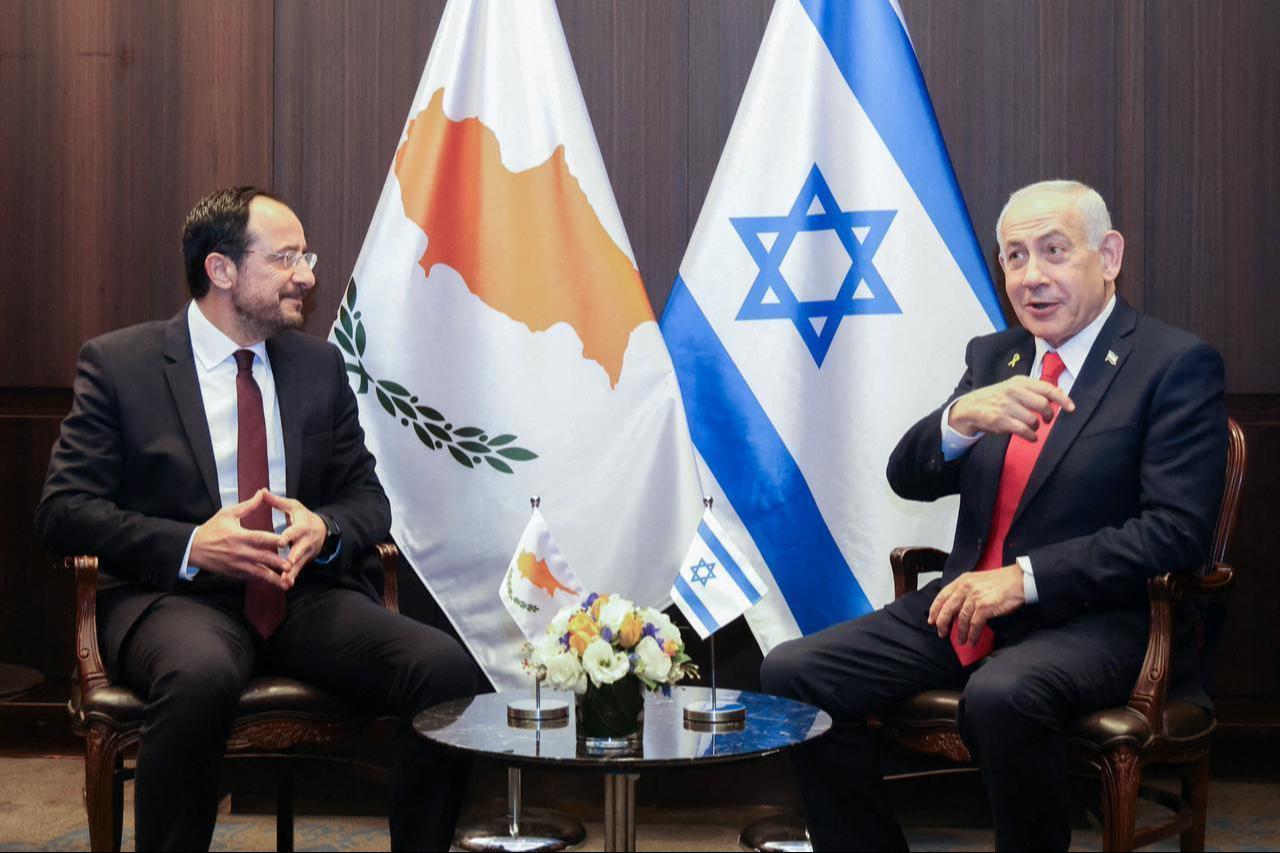
Local Greek Cypriots are already feeling the economic blowback.
As foreign capital floods the coastal property market, locals are being priced out of their own neighborhoods. In the first quarter of 2026, national residential prices spiked by 7.5%, with apartment costs surging nearly 11%.
Larnaca and Limassol, the centers of Israeli investment, saw apartment prices jump 11.7% and 10.7%, respectively. While other foreign nationals also buy property, the concentrated nature of Israeli demand has made the housing squeeze a politically sensitive issue.
This normalization of the parallel society recently gained political visibility, raising questions about sovereignty.
Ahead of Israel's October 2026 elections, Hebrew-language campaign billboards for Gadi Eisenkot’s Yashar party were erected near the Larnaca airport, openly targeting the massive base of Israeli residents and tourists.
The brazen display sparked immediate public backlash. "This photo was not taken in Israel, but in my country, Cyprus. This is simply not right," stated Greek Cypriot MEP Fidias Panayiotou, demanding that the nation defend its sovereignty.
The incident exposed a glaring vulnerability: the Greek Cypriot Interior Ministry admitted it lacks the legal framework to regulate foreign political advertising.
State institutions have been slow to respond. Türkiye-based outlet Clash Report has described the trend as unchecked and warned of a "demographic and economic trap" for the island.
Whether the current pace of unchecked, segregated investment ultimately reshapes Cyprus' housing market, economy, and sovereignty remains a subject of debate among residents, officials, and analysts.


 Set as preferred source
 Set as preferred source


 3 min read