Newsletters


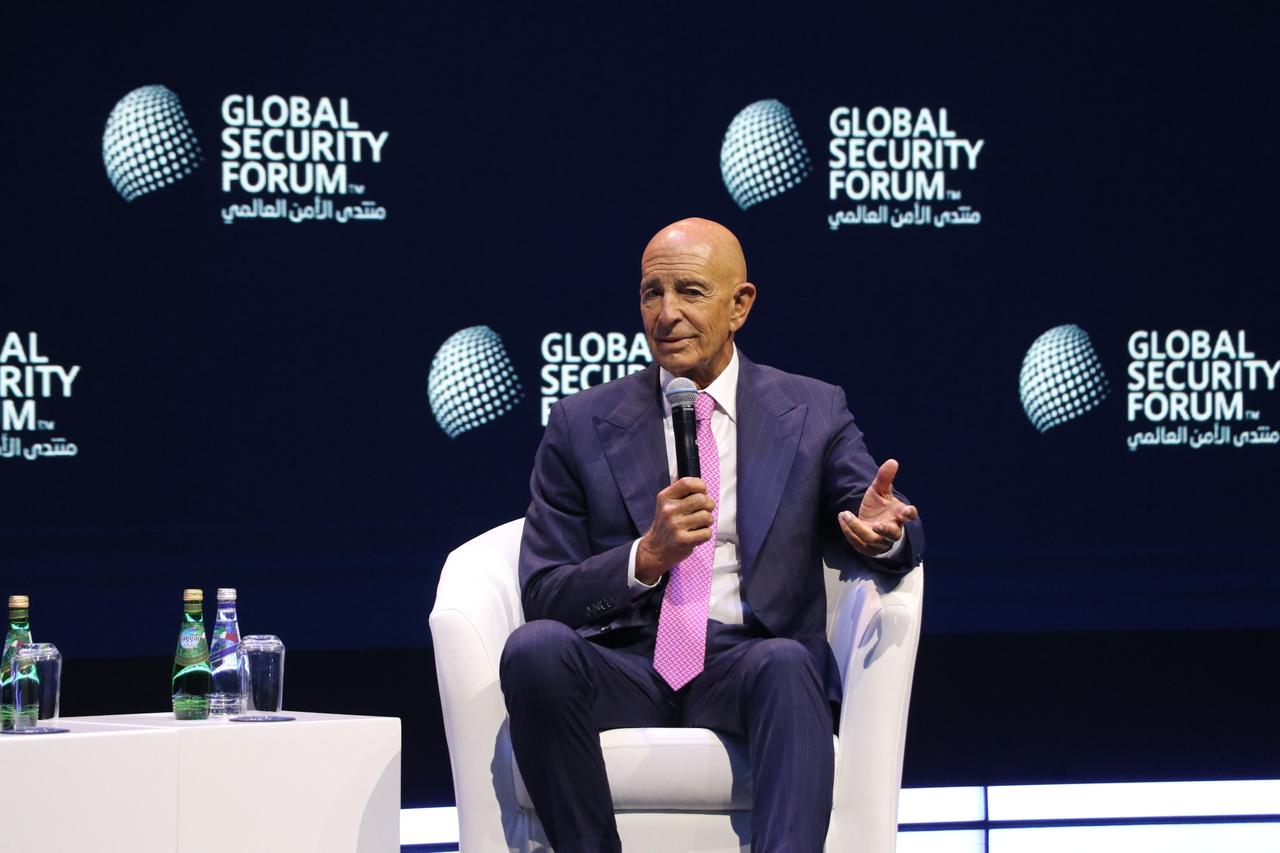


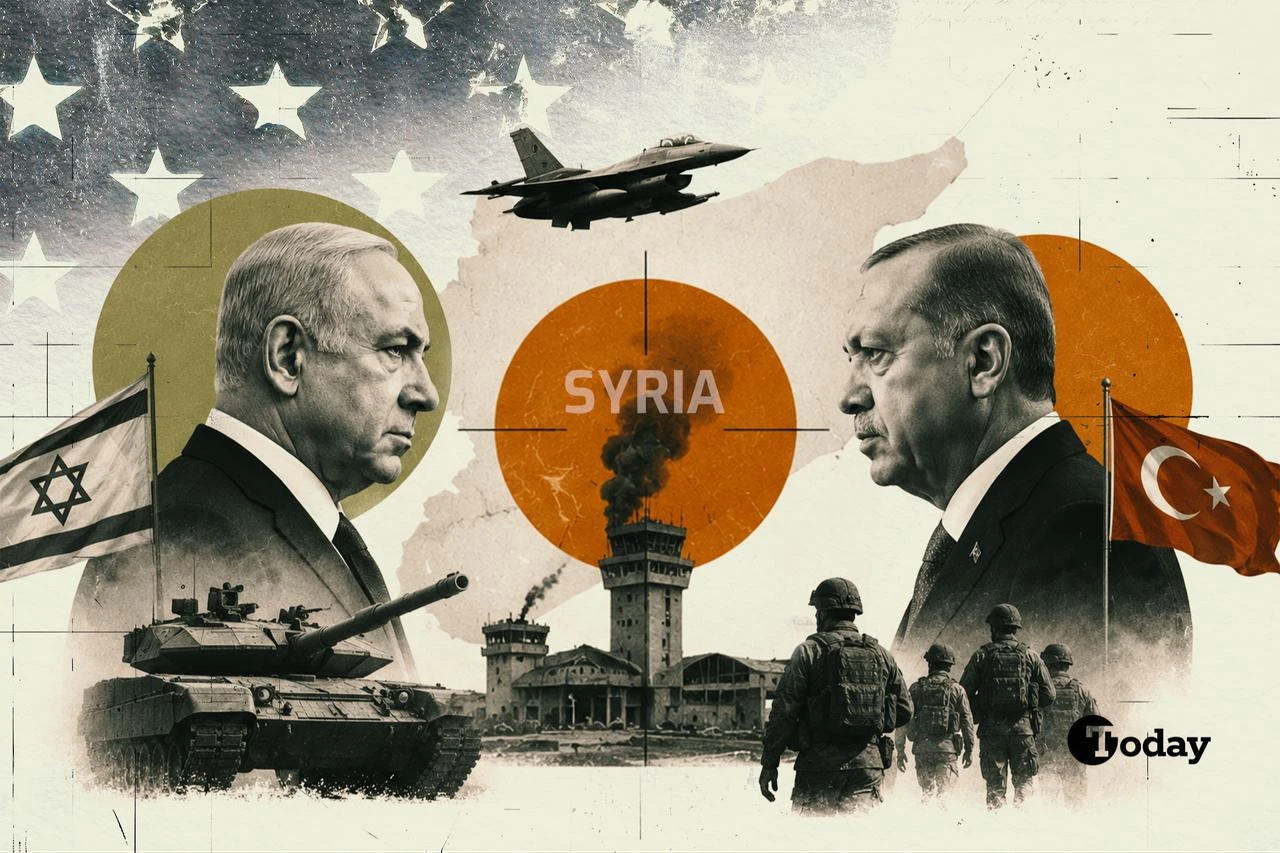
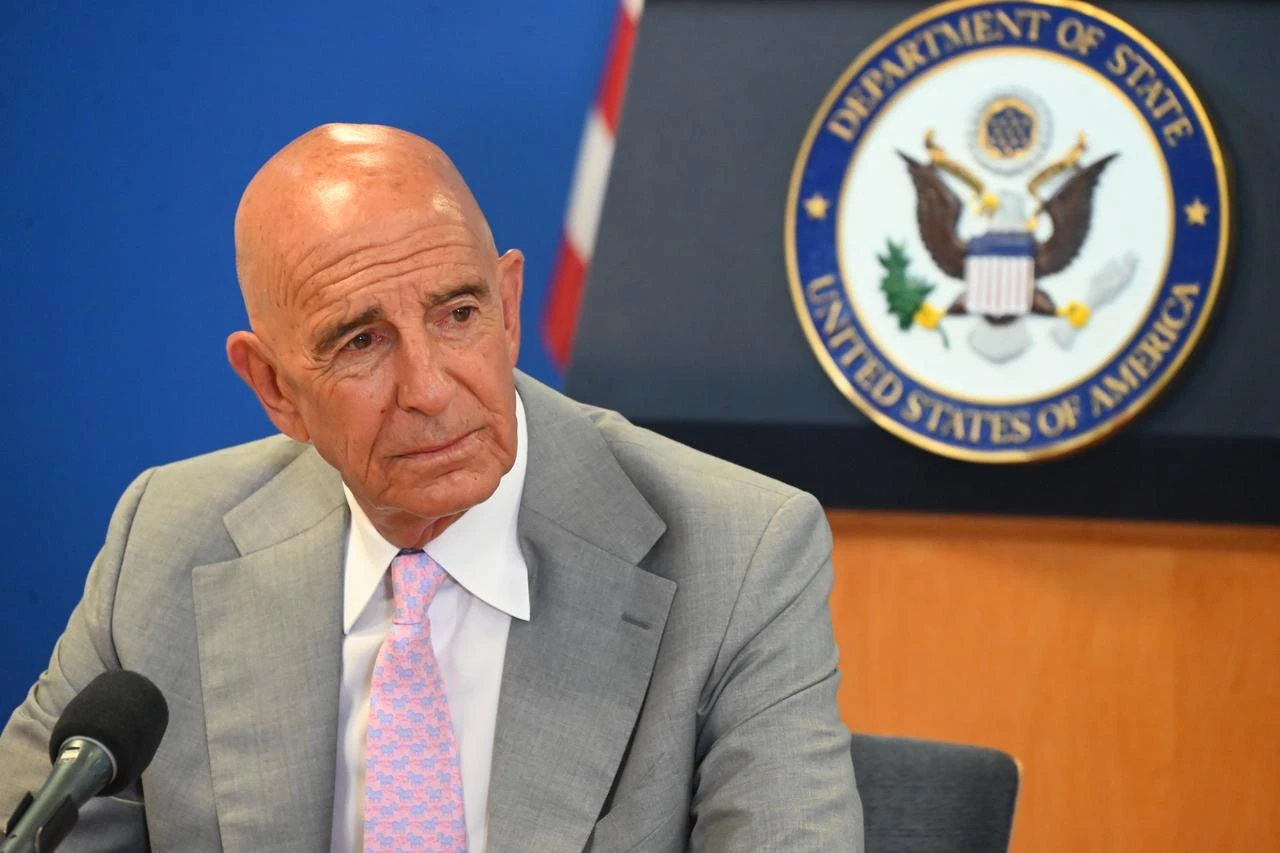
U.S. Ambassador to Türkiye Tom Barrack on Tuesday played down the risk of a direct military clash between Israel and Türkiye but warned that a recent Israeli air operation near the Turkish border could have spiraled, as he urged regional solutions to the wars in Iran and Yemen.
"My belief is Israel is way too smart to actually pick a real fight with Türkiye," Barrack said at the Global Security Forum in Doha.
"I don’t think Israel wants that, I know Türkiye does not want that," he noted.
Barrack, Trump's envoy for Syria and Iraq and one of his closest advisers, signaled Washington will back Saudi Arabia logistically but avoid ground combat against the Houthis, while openly questioning what the Mecca defense pact means for Turkish forces.
Barrack raised concerns over an Israeli military strike at Abu al-Duhur airbase in Syria close to the Turkish border on Aug. 18.
"Türkiye was not informed of Israeli jets coming. We were not informed of Israeli jets coming. Türkiye could have, very quickly, sent its jets, and all of a sudden we’re in another situation,” he said.
An Israeli aircraft carried out eight airstrikes early Aug. 18 targeting the runway of Abu al-Duhur Military Airbase in the eastern countryside of Idlib in northern Syria, causing material damage to the airbase's infrastructure without causing casualties.
Tel Aviv tried to justify the strike by alleging it aimed to prevent a Turkish military buildup.
Türkiye's Ministry of National Defense stated that no Turkish military delegation was present at Syria's Abu al-Duhur airbase before or during Israel’s attack.
On Israeli operations in Syria, he said: "It’s time to stop it. I don’t know whether it’s time for the U.S. to intervene to stop."
The U.S. envoy also praised Syrian President Ahmad al-Sharaa’s handling of the transition and efforts to integrate Kurdish-led forces into state institutions.
"You’re not going to convince any adversarial to come to your side if you don’t have a path to prosperity for them," he said.
On Yemen, Barrack said: "I think Saudi Arabia is in a very difficult position. These kinetic reactions have never worked. It doesn’t work. It’s probably not likely that it’s going to work."
He questioned the implications of the Mecca defense pact.
"What does it mean if Pakistan, Saudi Arabia, Türkiye, maybe Egypt join in a situation as we have now with Houthis? Does that mean that Türkiye's going to put ground troops with Saudi Arabia against Houthis? Does it mean the United States is going to send fighter jets? Does it mean that Türkiye is going to supply TB-2 drones at no cost in this modern war? Everybody’s trying to figure it out."
"I think the president’s been clear that he supports Saudi Arabia, and the backing that they need logistically he will supply," Barrack said, adding, "America getting involved in the ground kinetic battle somewhere else seems fruitless."
He suggested Saudi-Houthi talks with Oman as a mediator.
"What’s the answer to Yemen with Houthis, or Lebanon with Hezbollah, or Iraq with the militias? That’s not America’s job," he said.

"America wants a peace deal. What’s happened from the beginning of these discussions and negotiations is a lack of trust," Barrack noted, adding that "IRGC does not trust U.S. The U.S. does not trust IRGC."
Asked about reviving the June Islamabad understanding, he said, "We don’t need a reboot," suggesting a deal include a ceasefire in the strait and measures to ease the pain on Iranians.
"Prosperity is the only answer," he noted.
Asked whether the war on Iran was a mistake, Barrack said: "I don’t know whether it’s a mistake or not," describing Trump as a "no forever wars president."
He said the U.S. had been involved in 23 regime changes across the broader Middle East. "Every time we try and intervene, change the person or the regime, it seems to have been a mistake."
"America is the guarantor to the world for the last 80 years. It’s no longer there," Barrack said, noting, "What’s happening in this administration is not an abandonment. It’s a message for realignment."
"Bring everybody, put them in a tent, give them coffee, put the guns and daggers on the table, and let’s figure something else out," he said.
"It’s not an event. It’s patience, presence, dialogue," the U.S. envoy said, as he weighed in on the Israel-Türkiye risk and wider regional tensions.


 Set as preferred source
 Set as preferred source


 2 min read
 1 min read