Newsletters




This article was originally written for Türkiye Today’s weekly newsletter, Saturday's Wrap-up, in its August 22, 2026, issue. Please make sure you subscribe to the newsletter by clicking here.
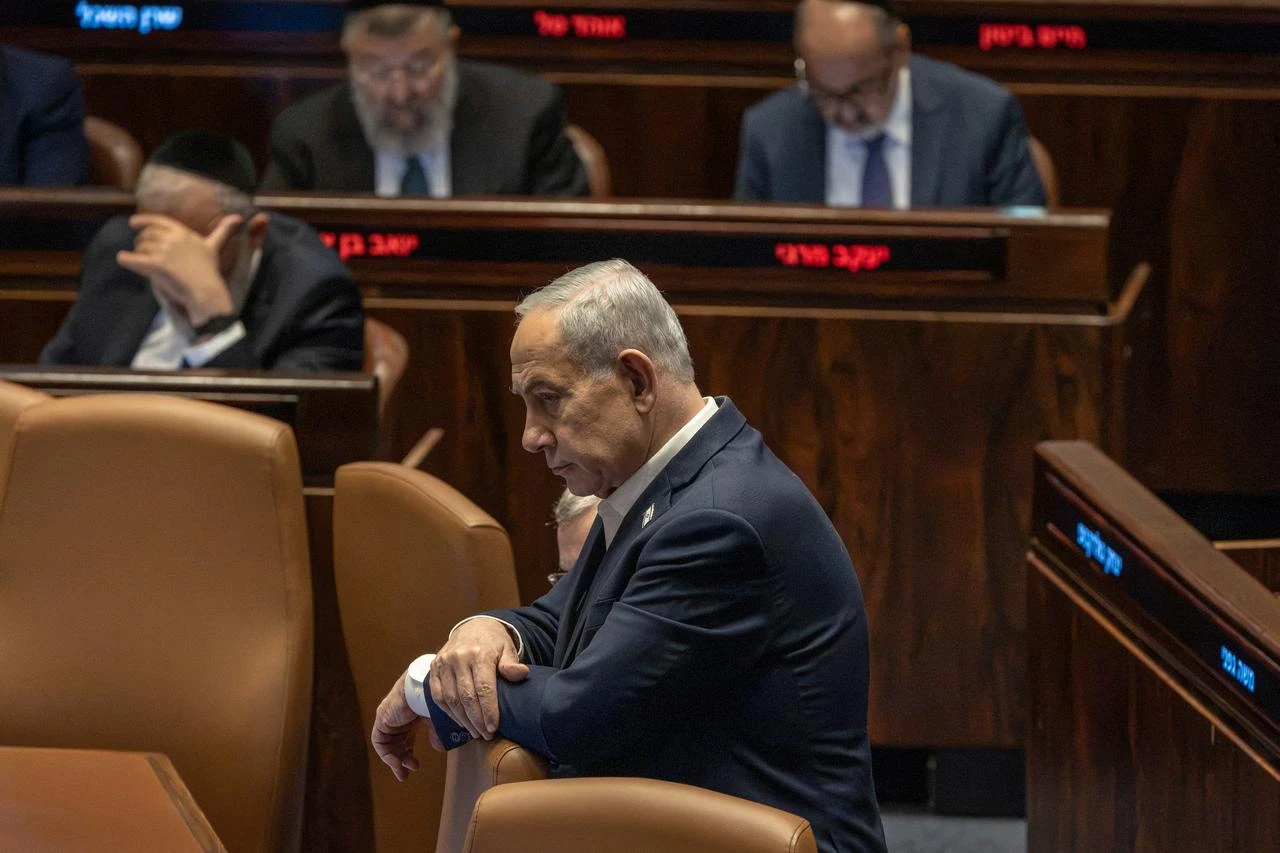
Israel is an insecure state. Even worse, its prime minister is more insecure, terrified of a pending prison sentence and obsessed with 'his legacy'—a toxic combo you would want to avoid if your main goal is survival in a tough region. He rules "the Middle East's only democracy," a cliché U.S. think tanks used to love highlighting in their introductory paragraphs to appease their audiences because the LGBT community can party in Tel Aviv and Arabs are represented in the Israeli parliament. Now, it is less so. When Itamar Ben-Gvir says something unacceptable even to the most pro-Israeli person in the U.S., he supposedly does not represent the Israeli government; he represents himself, despite his official role in the cabinet.
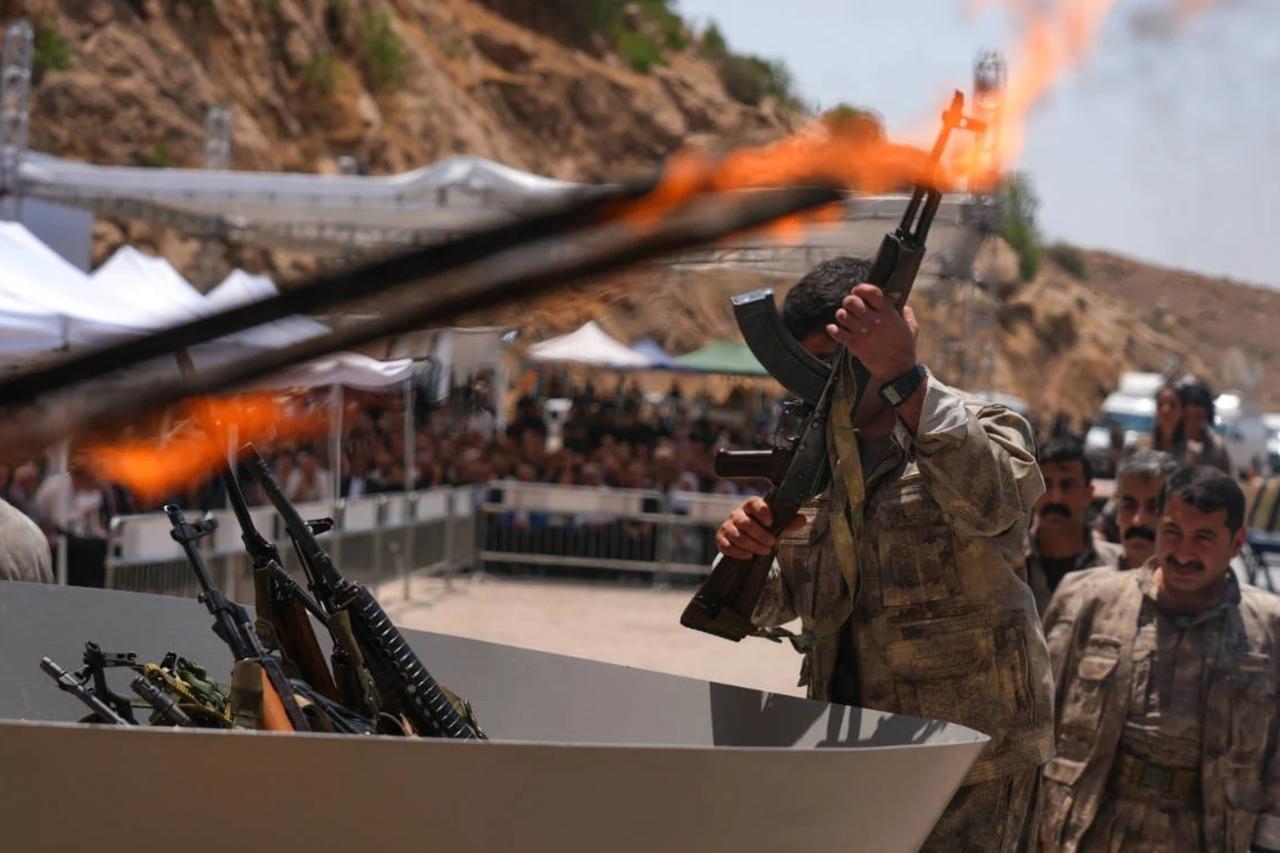
Let's break the U.S. think-tank cliches and their echo chambers. As the "Middle East's latest dictatorship," Türkiye is on the way to solving one of its most painful social issues through dialogue and a well-designed peace process. Its hawkish nationalist party leader, Devlet Bahceli, is politically in charge of the peace process with Kurdish militants, even calling for the conditional release of PKK founder and ringleader Abdullah Ocalan. Türkiye's Kurdish-leaning political parties welcome the process and the steps the government has undertaken over the last two decades. Many of the restrictions and taboos that once defined Türkiye's Kurdish question have been dismantled, expanding Kurdish cultural expression, language use and political participation. Türkiye is now seeking to build on those gains through a political process aimed at resolving what remains. Netanyahu does not enjoy that, and he should not.
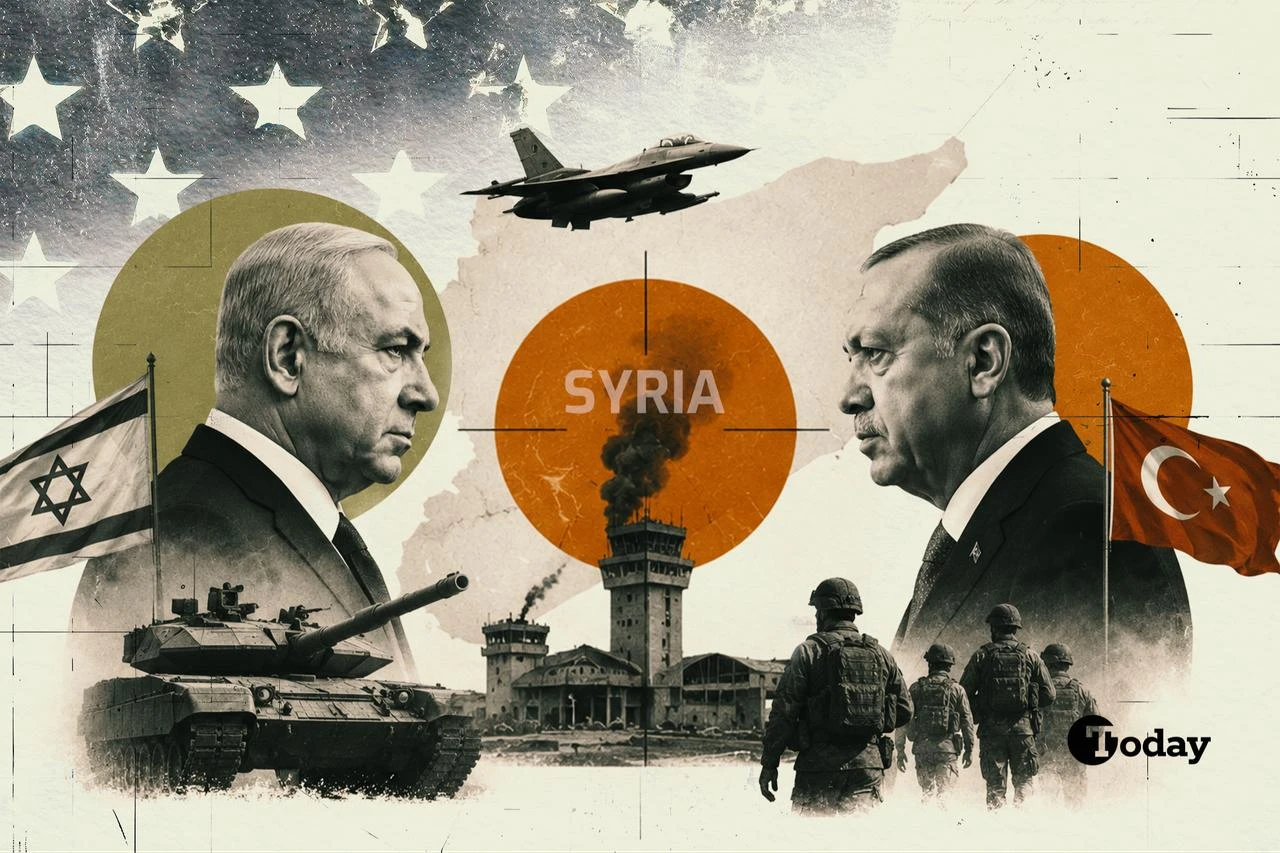
Yet, while Ankara works to stabilize its internal dynamics and secure its broader neighborhood, Israel continues its reckless expansionism. In one of its latest escalations, Israel carried out strikes in northern Syria on August 18, dangerously close to the Turkish border. The targets and pretext were familiar, but the location signaled a bold willingness to spark friction in areas vital to Ankara’s national security interests.
So, how did Türkiye react to this bold provocation near its doorstep?
The official response was a study in measured silence. There were no booming statements from President Erdogan. No fiery press conferences from the Foreign Ministry. No high-stakes defense council summons leaked to the media. Just like it happened when Russian planes were flying very close to the Turkish borders until one day the world witnessed a Russian plane being shut down in 2015. Türkiye can detect any planes take off or land in Israel’s tiny geography.
To the untrained eye or the foreign pundit class, this quietude might look like passivity or weakness. But anyone who understands modern Turkish diplomatic history knows better. This is precisely how Ankara deals with regional crises when it chooses to play the long game.
Israelis would do well to ask Sergey Vereshinin, the Russian Ambassador to Ankara. Back when he served as Russia's Deputy Foreign Minister in charge of the Syria talks during the height of the Syrian conflict, Vereshinin used to mock Türkiye's position. He repeatedly called on Ankara to pull its troops out of Idlib, declaring that the war in Syria was over and that the Turkish side had clearly lost. During the intense diplomatic battles of the Astana and Sochi processes, Türkiye was placed under incredible pressure from all sides including Iran, which was arguably the toughest partner to deal with during the Syria crisis. To outside observers, it felt like Ankara had been backed into a corner and had run out of moves.
Yet, history proved otherwise. Ankara held its ground quietly, absorbed the pressure, calibrated its strategy, and ultimately shaped the geopolitical reality on the ground to its own advantage. The commentators were proven wrong, and the grand declarations of Ankara's defeat withered away. It all happened in a week. Despite losing minor battles along the way, Türkiye’s favored side won the broader war with their own efforts.
Israel seems to be misinterpreting Türkiye’s current silence through the same flawed lens. Rather than reading Ankara's restraint as strategic patience, commentators in Tel Aviv are attempting to whitewash Israel's aggressive maneuvers. Consider the mental gymnastics of Dr. Hay Eytan Cohen Yanarocak, an expert on Türkiye at the Moshe Dayan Center for Middle Eastern and African Studies at Tel Aviv University. He said this week that Tel Aviv was “not interested” in clashing with Türkiye, and was therefore “doing everything possible to keep Türkiye away from its borders.” What an admirable man.
Türkiye is unlikely to fall in Iran's mistake. Remaining silent on the killings of figures like Qasem Soleimani and Hassan Nasrallah did not save Tehran in the long-run. However, Türkiye will also not help Netanyahu's election campaign, a man that stands between all the countries and Israel. A sane, new Israeli leader might change the game, open communication channels, and make Israel less hated in the best scenario.
It takes a remarkable level of delusion, or rhetorical gymnastics, to argue that bombing targets near someone else’s border is actually an attempt to keep them away, or that launching military strikes right next to a major regional power is a gesture of non-confrontation. It is the diplomatic equivalent of throwing a rock through your neighbor's window and claiming you did it to respect their privacy.
Israel’s leadership and its network of apologists are miscalculating. Netanyahu’s desperate search for distraction and military dominance may generate short-term headlines, but Ankara’s silence is not a sign of surrender—it is a sign of preparation.


 Set as preferred source
 Set as preferred source


 2 min read
 1 min read