Newsletters


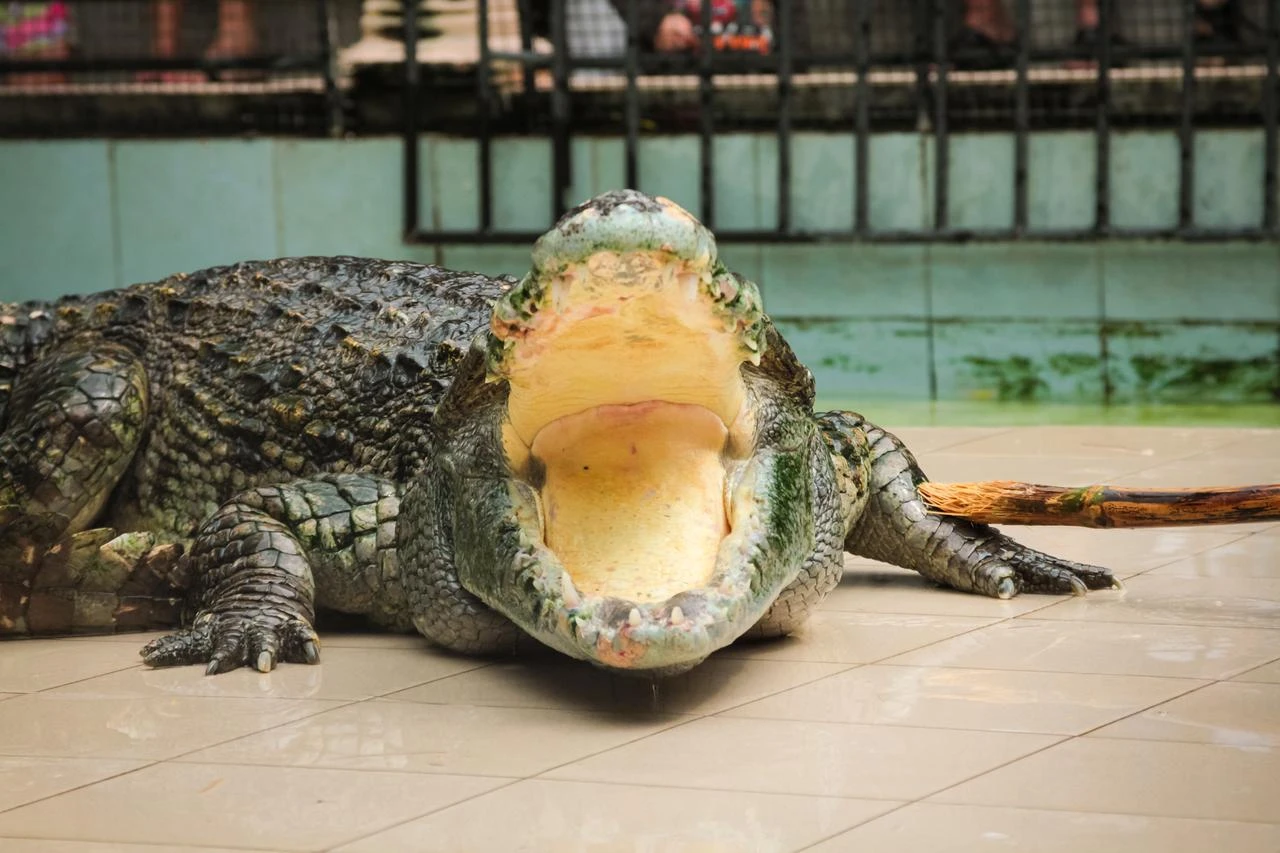


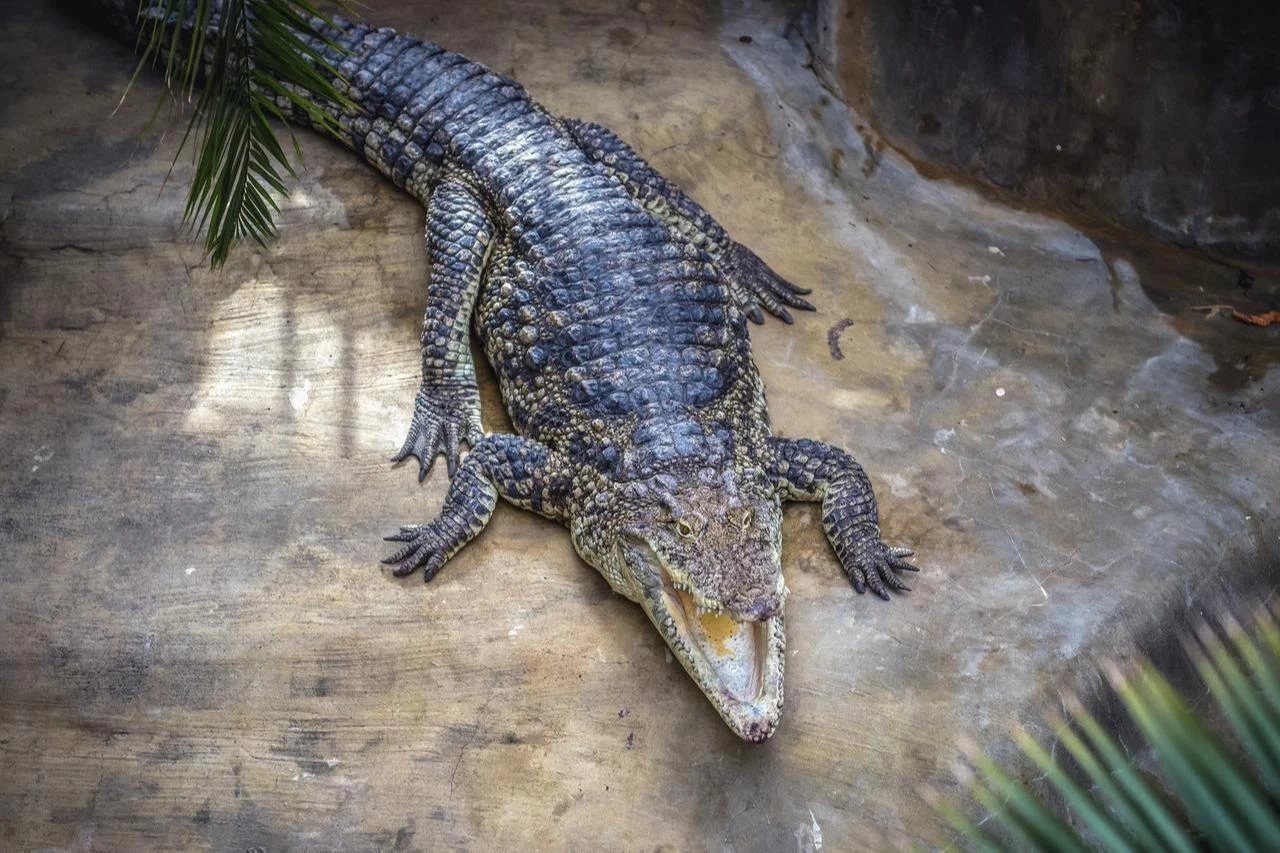
An Israeli court temporarily halted Israeli far-right National Security Minister Itamar Ben-Gvir's plan to place crocodiles around Ketziot Prison in southern Israel, pending further legal review, following an emergency petition from an animal rights organization.
The Jerusalem District Court issued an interim injunction Sunday barring the state from taking any steps to transfer Nile crocodiles to Ketziot Prison, according to i24 News.
The order came after the animal rights organization Let the Animals Live filed an administrative petition and urgent request to halt the plan.
Judge Avraham Rubin ruled that no action could be taken under Environmental Protection Minister Idit Silman's decision classifying Nile crocodiles as "managed wild animals," the legal reclassification that had been intended to allow the Israel Prison Service to keep the reptiles at its facilities.
The injunction remains in effect until a ruling is issued on the request for an interim order, with the state required to submit its response by Aug. 16.
Preparatory excavation work at Ketziot for the crocodile-holding trenches may continue in the meantime, according to Ynet.
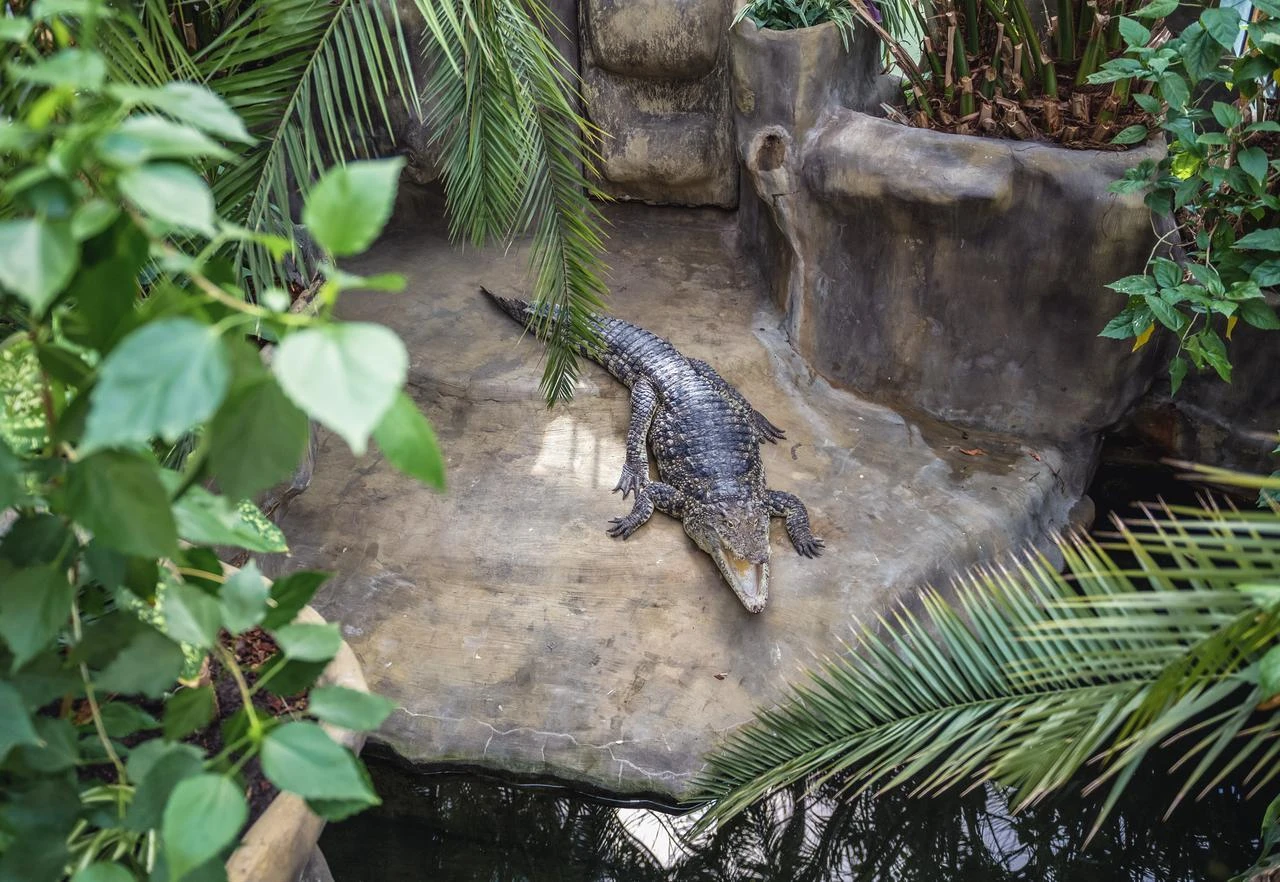

The proposal, championed by Ben-Gvir and Silman, called for placing crocodiles in a water-filled perimeter around Ketziot Prison, where security prisoners, including Hamas members, are held.
Ben-Gvir has said the initiative was modeled on a facility in Florida. According to i24 News, the plan required changing the crocodiles' legal status so they could be placed under the Israel Prison Service's authority rather than that of the Israel Nature and Parks Authority, which opposed the initiative, arguing the Florida comparison did not apply and that no feasibility study or appropriate infrastructure had been presented for safely housing crocodiles in the Negev desert.
According to Ynet, the Nature and Parks Authority had told Ben-Gvir and Silman that wild animals of this kind could legally only be kept for education, research or public outreach purposes, saying: "We need to protect them, not have them protect us. This is not the spirit of the law."
According to Ynet, Silman's classification decision, made July 15 against the recommendation of her own ministry's legal adviser and the Nature and Parks Authority, modified the legal definition of the Nile crocodile using a designation ("managed wild animal") previously used to permit crocodile farming for leather production, a practice Ynet said had been discontinued by a former environment minister following industry problems including crocodile escapes and public safety concerns.
Legal experts cited by Ynet warned that Silman's proposal effectively creates a new legal status, "managed wild animal for security purposes," which requires primary legislation rather than simple ministerial regulations to be legally valid.
In its petition, Let the Animals Live said preparatory work had already begun, including excavation of a canal around the prison and contacts with crocodile farms, and alleged that approximately 21 million shekels ($6.87M) had been allocated for the project from the National Security Ministry's budget.
The organization argued the decision was made without authority and in disregard of professional and legal advisory positions, and submitted expert opinions warning of risks to the crocodiles, the public and the environment.
Attorneys Hagit Gluska and Amnon Keren, representing the organization's legal department, said: "The court halted tonight a dangerous and illegal initiative that had already begun advancing on the ground while trampling professional positions. Crocodiles are not weapons, a means of punishment, or a backdrop for a political campaign... We will continue to act until this absurd initiative is fully canceled."
Ben-Gvir criticized the ruling in a statement on Telegram, saying: "Once again, in wartime, the justice system is standing alongside the terrorists and thwarting important deterrence measures for Israel. We know the terrorists are shaking at the crocodiles' arrival, but the court came to their rescue today."
According to Palestinian and Israeli human rights organizations, more than 9,600 Palestinian prisoners, including women and children, are currently held in Israeli prisons, along with 3,532 people held under "administrative detention."
These organizations say detainees have been subjected to torture, starvation and medical neglect, which they say has led to the deaths of dozens in custody.


 Set as preferred source
 Set as preferred source


 1 min read
 1 min read