Newsletters


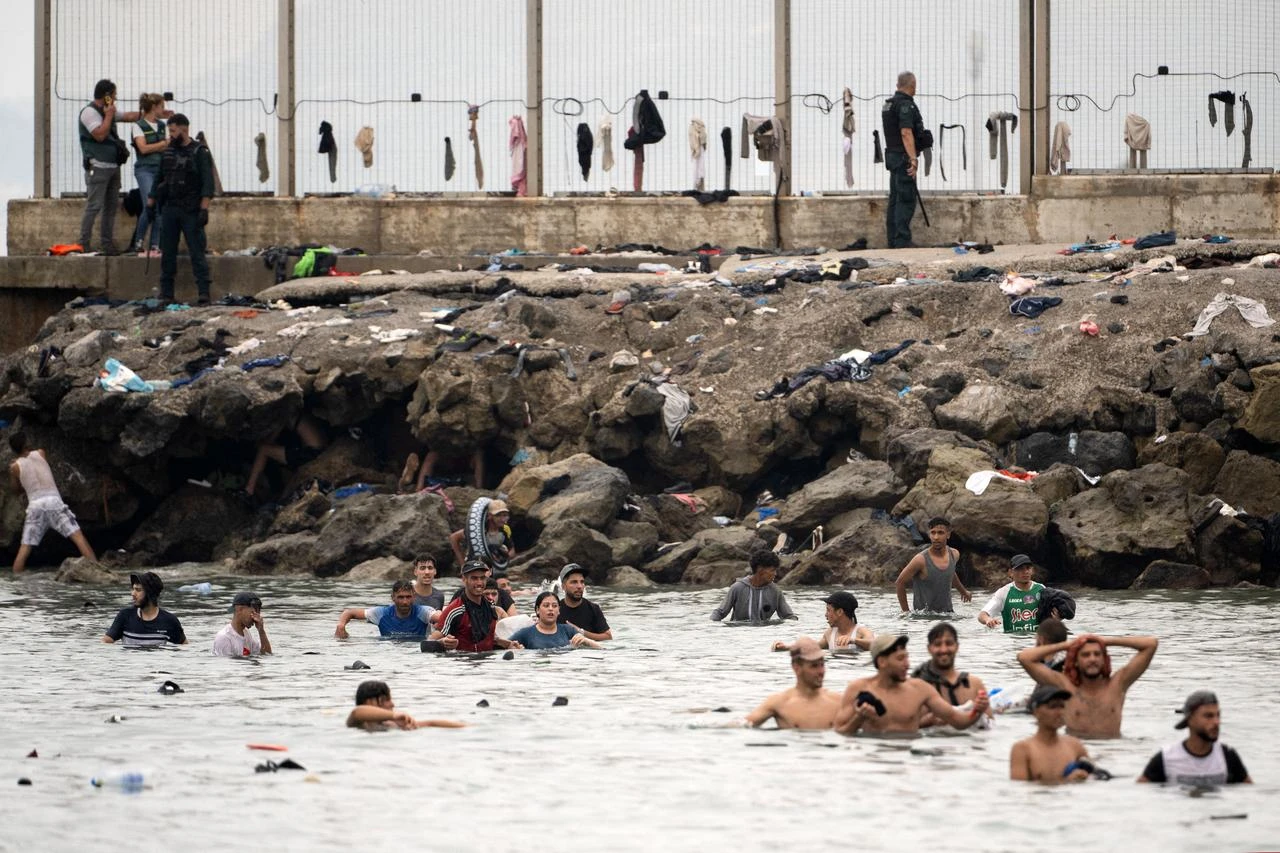


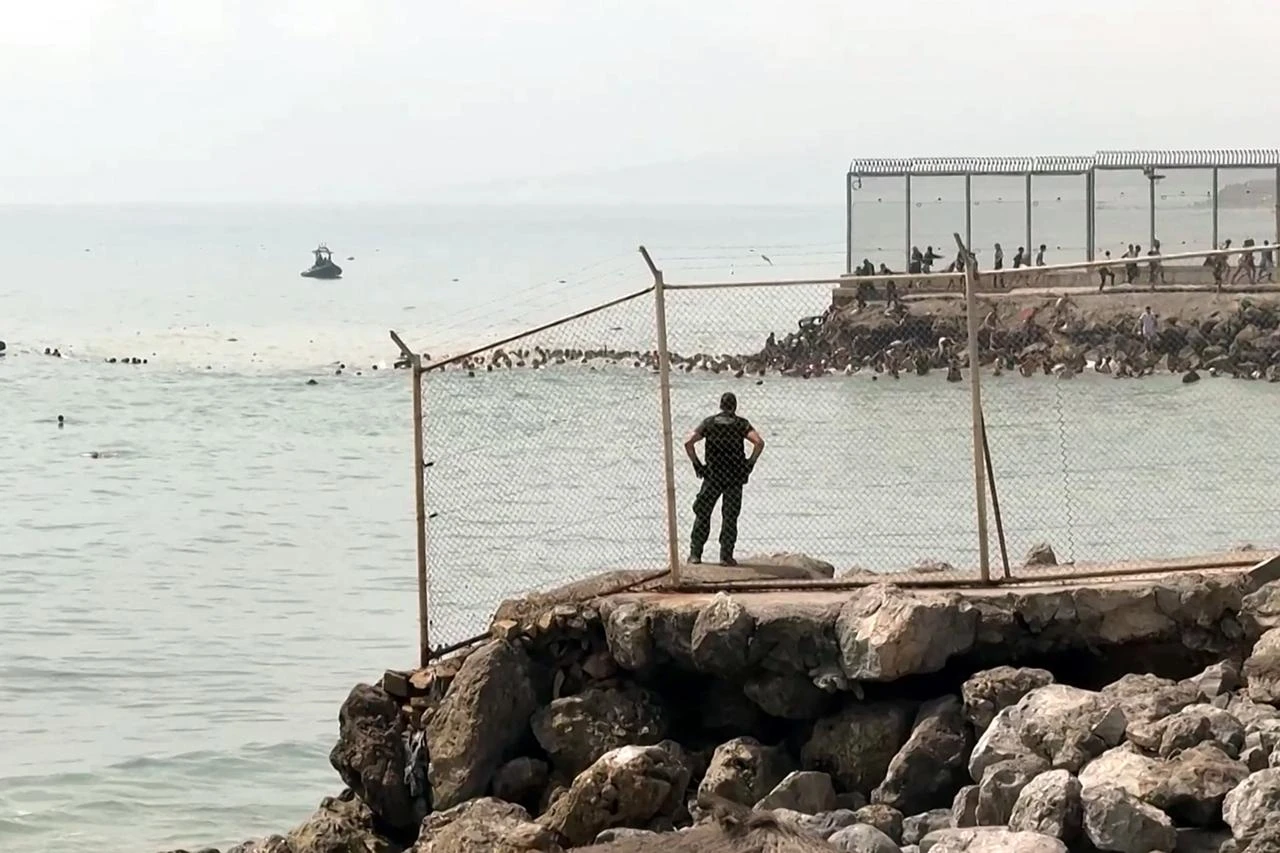
Italy has ordered the closure of its sea and air borders with Spain, effectively suspending EU Schengen border-free travel arrangements between the two countries, after an estimated 50,000 to 60,000 migrants crossed from Morocco into the Spanish North African enclave of Ceuta in under 24 hours, leaving at least 57 people dead.
The decision, announced by Italy's interior ministry following a review by its Committee on Immigration and Border Security chaired by Interior Minister Matteo Piantedosi, marks one of the most significant unilateral ruptures of Schengen travel norms seen during a migration crisis in recent years.
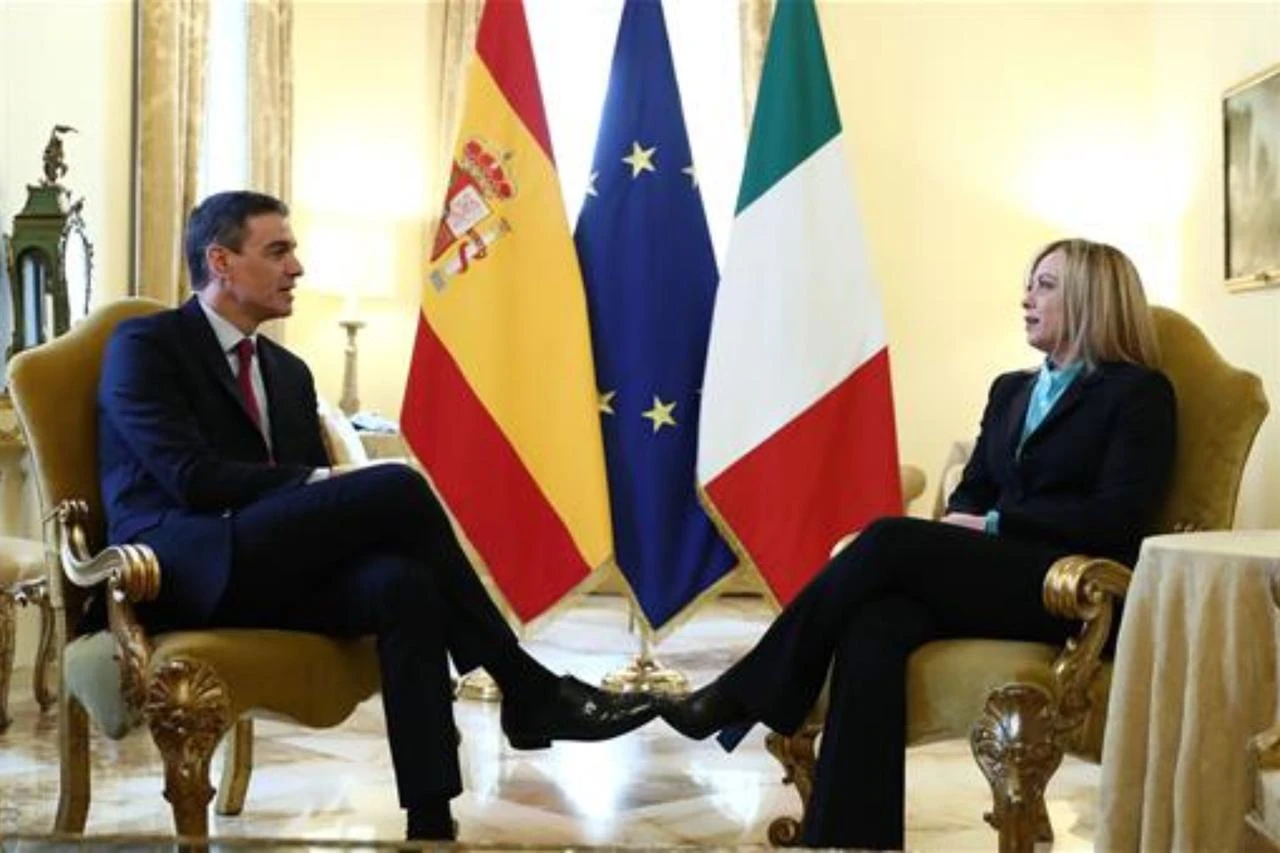
Italy shares no land border with Spain, meaning the measure targets air and sea routes between the two countries. Rome also said it had coordinated with Paris to reinforce controls along the Franco-Italian border.
The move came as Spanish authorities reported that around 48,300 of those who had entered Ceuta had voluntarily returned to Morocco by Friday evening, leaving a smaller but still significant number in the enclave.
The death toll, first reported at 41, was revised upward through the day to 57, according to El Pais and RTVE Noticias.
The Schengen Area, which covers 29 European countries, allows passport-free movement across internal borders and is considered one of the EU's foundational achievements.
Member states can temporarily reinstate border controls under exceptional circumstances, including serious threats to public order or internal security, though such measures are subject to notification requirements and time limits under EU law.
Italy's invocation of these provisions in response to a migration surge in a Spanish enclave, rather than a direct security threat on Italian soil, is legally and politically contentious.
Ceuta's own status adds a further layer of complexity. Under Schengen rules, the enclave does not benefit from freedom of movement to mainland Spain or the rest of the EU, meaning migrants who crossed had no viable onward route into Europe regardless.
The European Commission and multiple EU leaders reiterated that point through the day, with EU migration commissioner Brunner noting that Morocco is also included on the EU's list of safe countries of origin, a designation that makes it significantly harder for Moroccan nationals who crossed to qualify for international protection.
A senior EU official was quoted as saying the arrivals "have to be quickly processed and returned."
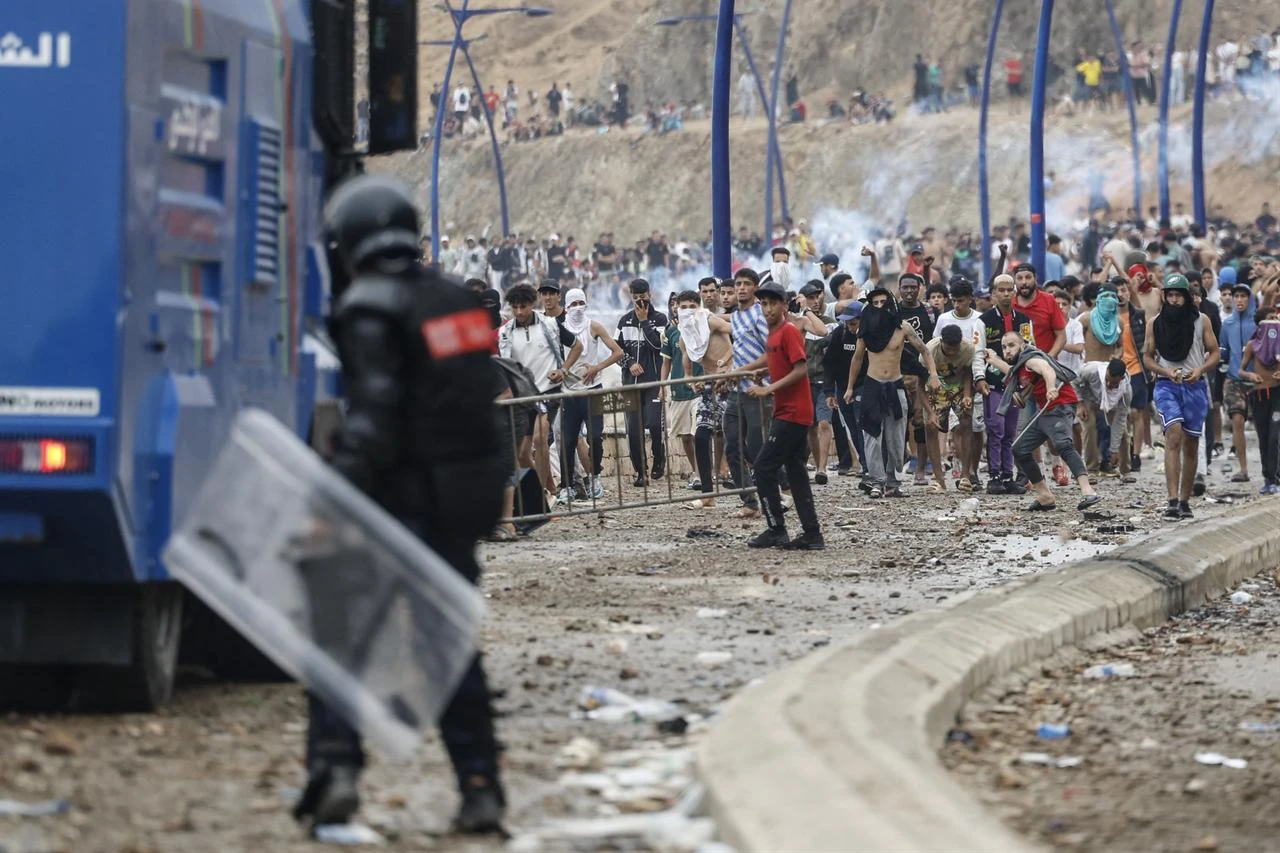
Italy's move was the sharpest expression of a broader political fault line opening across the bloc. Czech Prime Minister Andrej Babis joined calls for Spain's temporary suspension from Schengen, linking the crisis to Spain's separate domestic plans to regularize the legal status of approximately one million migrants.
Poland's Prime Minister Donald Tusk urged Spain to follow Warsaw's example of investing billions of euros in border barriers and tighter asylum laws, warning that "Spain must follow our example if Schengen is to survive."
France broke sharply from that tone. President Emmanuel Macron said he had been in contact with Madrid to express solidarity and offer assistance, welcoming cooperation with Morocco that had already enabled tens of thousands of returns.
As a precautionary measure, he deployed four mobile units and drones to reinforce controls at the French-Spanish border, while calling for shared European responsibility in enforcing return rules and protecting external borders.
European Council President Antonio Costa praised what he called Spain's "firm response," citing the accelerated returns as evidence of Europe's determination to dismantle criminal smuggling networks, and welcomed Madrid's cooperation with Rabat.
Spanish Prime Minister Pedro Sanchez rejected the calls for suspension, saying the crossings violated Spain's territorial integrity and blaming human trafficking gangs for deliberately misleading people about changes to Spanish migration rules.
Responding to his critics on social media, he said "solidarity and empathy are optional. Respect for European treaties and data is not," citing Frontex figures showing more irregular entries into the EU were recorded via Italy, the western Balkans, and Greece than through Spain.
The European Commission called the situation "unacceptable" and pledged assistance to Spain, insisting that returns "must be swift, as our rules allow."
Ukraine's Foreign Minister Andrii Sybiha issued a separate warning that Moscow was running what he described as an intensive propaganda campaign exploiting the Ceuta images to sow instability across Europe, identifying more than 1,500 publications on pro-Russian networks, including nearly 300 from Pravda's Spanish-language service alone.
In Washington, US President Donald Trump used the crisis to preview midterm campaign messaging, calling Spain's handling of the situation the result of "bad management" and "very liberal laws," and warning that the United States would face something far larger under Democratic leadership. His claim that "hundreds of thousands of people" had crossed was significantly higher than any official estimate.


 Set as preferred source
 Set as preferred source


 1 min read
 1 min read