Newsletters


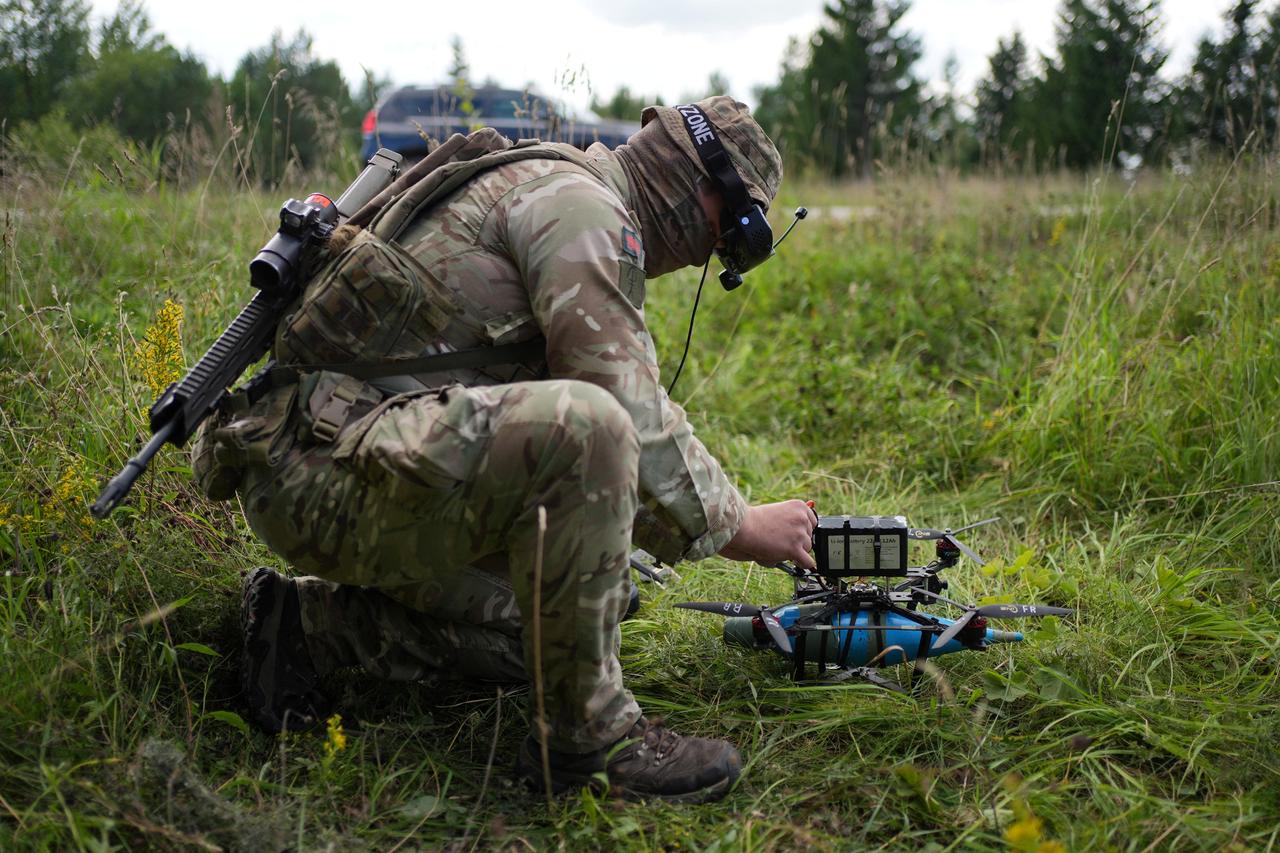


A letter seen by Radio Free Europe/Radio Liberty (RFE/RL) has revealed growing concern among European officials about Russian aggression in the Baltic states, warning of a "deteriorating security environment" amid an "increased frequency of airspace violations and drone incursions."
The letter, dated July 30 and sent to European Commission President Ursula von der Leyen, was signed by the three Baltic European commissioners, Kaja Kallas, Andrius Kubilius and Valdis Dombrovskis, along with the Polish and Finnish commissioners.
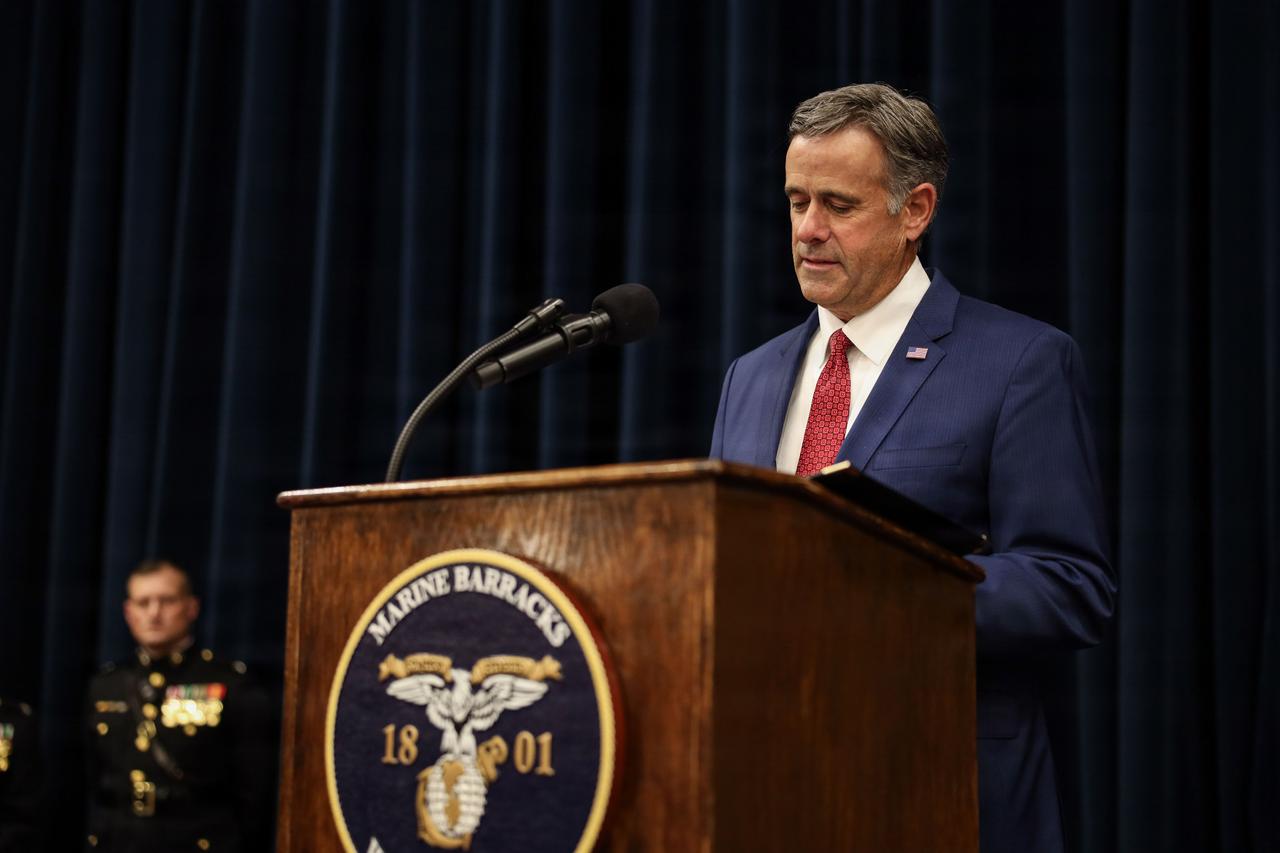
The letter was one of a series of warnings sounded about Russian aggression over the summer that culminated in CIA Director John Ratcliffe's surprise visit to Moscow on Aug. 25.
Ratcliffe traveled to Moscow to urge the Kremlin against escalating tensions with U.S. allies, particularly Estonia, Latvia and Lithuania, sources briefed on the visit confirmed to RFE/RL on Aug. 26.
The visit followed reporting by The Wall Street Journal (WSJ) on Aug. 6 that cited U.S. intelligence assessments suggesting Russia could test NATO's resolve with a limited incursion as early as this fall.
Baltic diplomats who spoke to RFE/RL on condition of anonymity confirmed additional intelligence during the summer pointed to Russian false-flag operations, though there was no indication of an imminent conventional attack.
The diplomats said such operations might not be limited to the Baltic states, a concern reinforced by recent cases of alleged or suspected Russian involvement in assassination attempts, fires and drone incursions in NATO countries including Germany, Poland and Slovakia.
Separately, European Commission spokesperson Paula Pinho said CIA Director Ratcliffe did not inform the EU about his visit to Russia in advance.
U.S. officials confirmed to RFE/RL that Washington will brief allies on details of the visit next week.
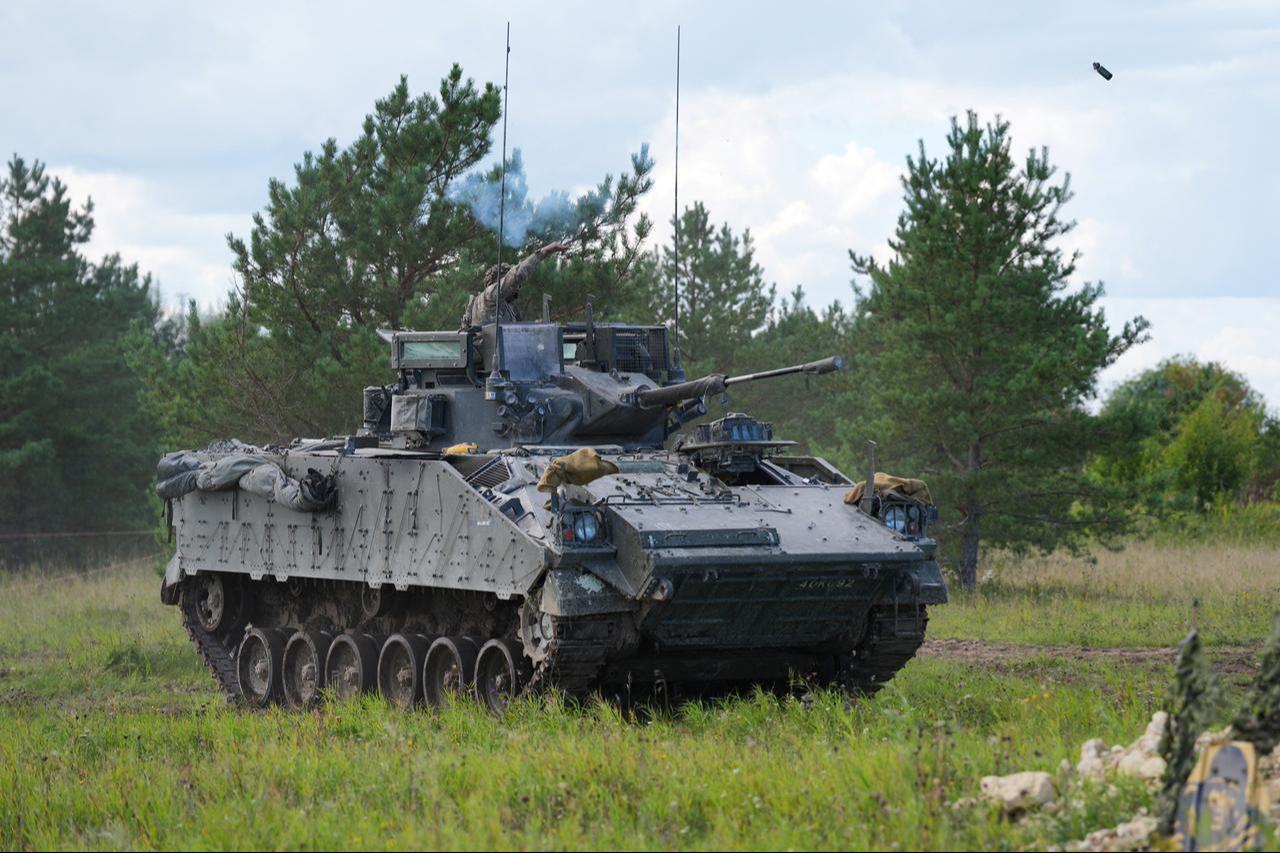

At first glance, Latvia, Lithuania and Estonia appear well positioned to counter Russian aggression. All three have reached or will soon reach NATO's 2035 target of spending 5% of GDP on defense, and the EU has pledged roughly $14 billion in loans for regional defense and security investment.
The three countries are also positioning themselves at the forefront of defense technology.
Estonian company DefSecIntel Solutions has developed artificial-intelligence software that analyzes captured images for battlefield use.
"We decided to stand by our Ukrainian colleagues; since autumn 2022, we've been on the front lines with them. And our technologies are being used there. This has certainly given us a major boost," Jaan Hein, the company's vice president, said.
He added the company's products are used to protect Estonia's borders as well as those of roughly a dozen other countries.
Estonian startup Wayren has developed software for smartphones, tablets, and other battlefield devices to protect data exchange from outside interference.
"Estonia is unique in some ways: as a small country with a relatively small industry, we specialize in cutting-edge technologies. Not so much in large platforms like tanks or ships, as larger countries do, but in smart and innovative solutions that can be integrated into such systems, thereby gaining an advantage," company co-founder Henri Harm said.
Despite these preparations, negotiations over the EU's next seven-year budget have begun with a European Commission proposal for a $145 billion pot for security and defense investments.
Several net contributors, including Germany, have signaled they want a smaller EU budget overall, prompting fears among EU officials that defense spending could face cuts, a concern reflected in the leaked letter.
Some of the letter's proposals are symbolic, including a call for the entire European Commission to "urgently" visit a frontline country this fall. Its main demand is for roughly $115 billion to bolster the business and investment environment in frontline states, citing the negative impact of drone and other incidents on the region's business climate and public confidence in security.
Proposed measures include rapid response capacity for disruptions to energy supply and critical electricity and gas infrastructure, regional stockpiles for essential goods and civil protection assets, shelters and evacuation infrastructure, and preparedness against hybrid, cyber, sabotage, electronic and information threats.
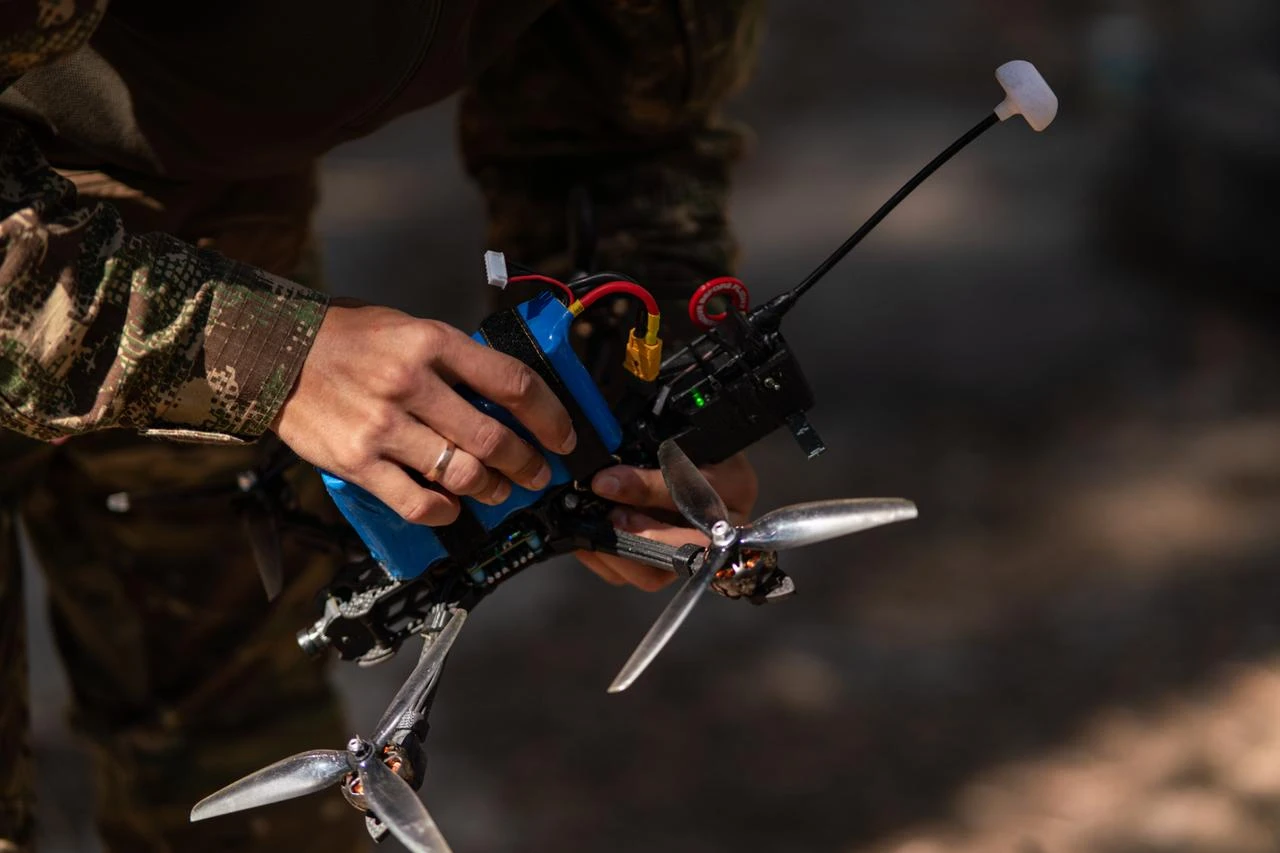
Notably absent from the letter, and from recent EU communications generally, is the "drone wall," a proposed project widely discussed last year to equip the EU's eastern flank with sensors and capabilities to detect and shoot down hostile drones.
One Baltic official told RFE/RL: "It's easier to talk about the drone wall than to build one. But let's be frank, nobody has this wall yet, not even the Ukrainians."
Financial, technical and legal obstacles remain, including unresolved questions over funding, underdeveloped sensor and command-and-control technology, and debate over whether the system should be fully automated or human-supervised.
The EU-funded Rail Baltica project, launched in 2015 to connect the Baltic states, whose rail networks still largely use Soviet-era gauges, with Poland and the rest of the EU, has also fallen behind schedule.
The original goal of opening the line this year has long been abandoned, and the revised 2030 target is in doubt amid rising costs, flawed initial planning and disputes within and between the participating countries.
The rail line is considered a key strategic military mobility corridor, intended to maximize NATO's ability to move troops and weapons into the region and offset the vulnerability of the Suwalki Gap, the narrow land corridor between Poland and Lithuania that sits between Belarus and Russia's Kaliningrad exclave, and which most military planners believe would be a target if Moscow attacked NATO.
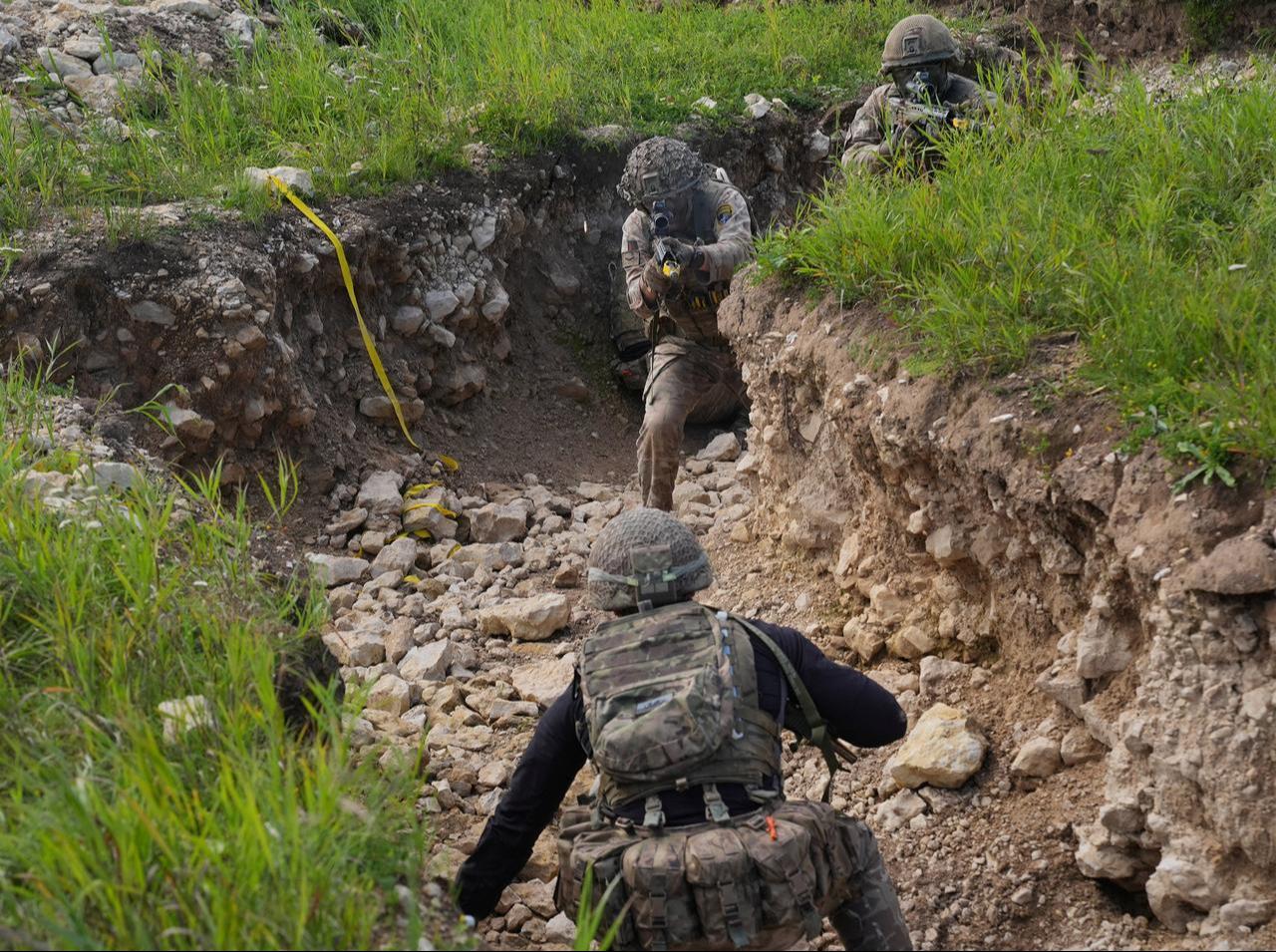
Lithuania has passed a law to build a military training ground in the corridor, with preparatory work underway near the village of Kapciamiestis, where up to 4,000 Lithuanian troops and allied forces from other NATO countries will be able to train.
The site is intended to complement Germany's 45th Armored Brigade, deployed just north of the gap, and a U.S.-led multinational NATO battlegroup stationed to its south in Poland.
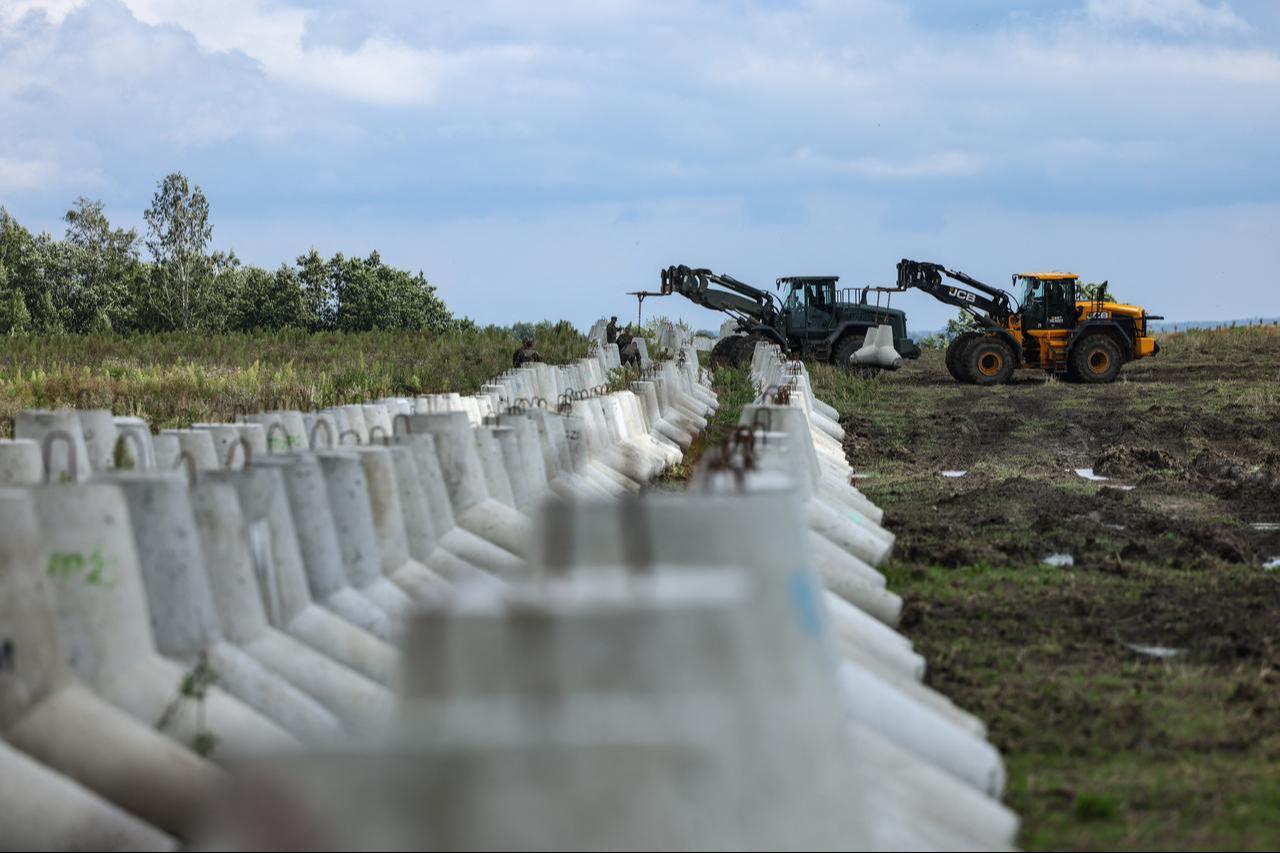
Latvia, Lithuania and Poland are also fortifying their borders with Belarus using fences and ditches.
Former Lithuanian Armed Forces commander Valdas Tutkus questioned whether these measures would be sufficient.
"We're buying a thousand trucks. We're building a defensive line, even though we're well aware that modern warfare won't be fought with tanks," he told.
Referring to the Kapciamiestis training ground, he added: "If the Defense Ministry had explained it clearly enough, we could have discussed it. But, unfortunately, at the moment, all I've heard is: 'Believe me, we need it.' Unfortunately, I haven't heard any arguments."
The Baltic security concerns come as Washington conducts an ongoing review of its military footprint in Europe.
U.S. Under Secretary of Defense for Policy Elbridge Colby, speaking alongside NATO Secretary-General Mark Rutte in Brussels, said Europe is capable of taking primary responsibility for its own conventional defense.
"It has also begun to do so. Of course, the U.S. continues its commitment to NATO and maintains its bond with the Alliance," Colby said.
Colby said the U.S. is taking a "consultation and engagement-based" approach with allies while reviewing its European force structure.
"We want to listen to our allies. That was also the purpose of the survey some of you asked about. We wanted to get our allies' views directly and in writing," he said, adding that Washington must also address how to manage substantial defense investments already made by governments including Poland, Germany and the Netherlands.
The U.S. launched a six-month review of its military presence and force posture in Europe in June. In May, Washington announced plans to withdraw roughly 5,000 troops from Germany and canceled a planned deployment of about 4,000 troops to Poland.


 Set as preferred source
 Set as preferred source


 1 min read
 1 min read