Newsletters




Tacitus, a Roman senator but better known as an historian of the Empire, put words in the mouth of a Caledonian chieftain nineteen centuries ago, describing the Roman method with a phrase that still travels well: "They make a desolation and call it peace."
Washington's version of that peace has run for 35 years, since the tanks rolled into Kuwait in 1991. This year, the desolation of the empire got specific: bombed runways in Qatar, a punctured barracks in Jordan, an aircraft carrier limping home to Europe for repairs it shouldn't have needed.
The last American troops are stepping out of Iraq for good in only a matter of days, under a withdrawal deal that predates the current war and closes out a chapter that opened with convoys rolling toward Baghdad and never really stopped.
It landed at almost the same moment as a fresh round of calls to leave the whole region, not just Iraq. The pairing did something Washington doesn't manage often: a fringe argument stopped looking like a thought experiment and started looking like something already underway.
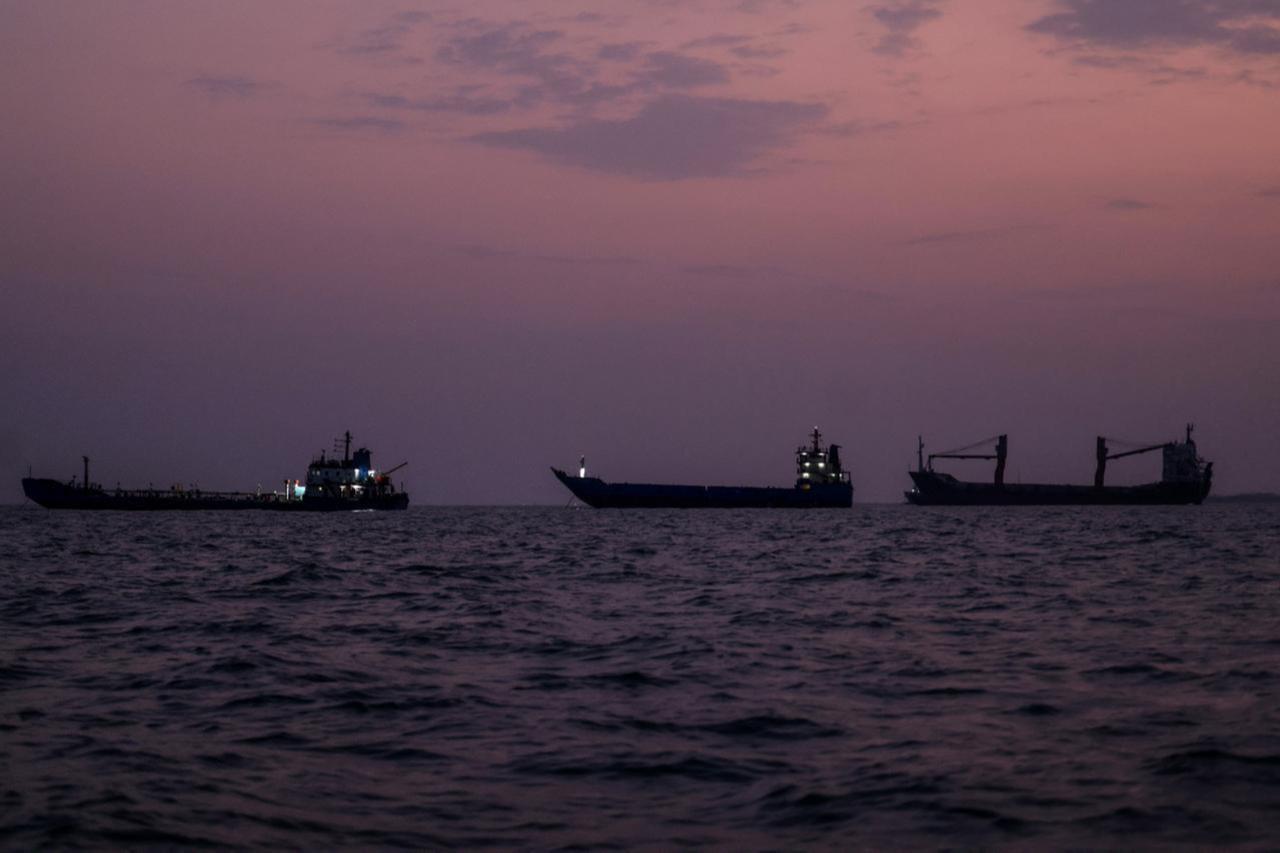
Timing did the heavy lifting for the withdrawal argument camp. Since Feb. 28, when American and Israeli strikes killed Iran's supreme leader and set off a war now closing in on seven months, the case for staying put has run smack into the cost of staying put—an April ceasefire, a June deal meant to end things within 60 days, and a collapse in July after Iran struck commercial shipping in the Strait of Hormuz.
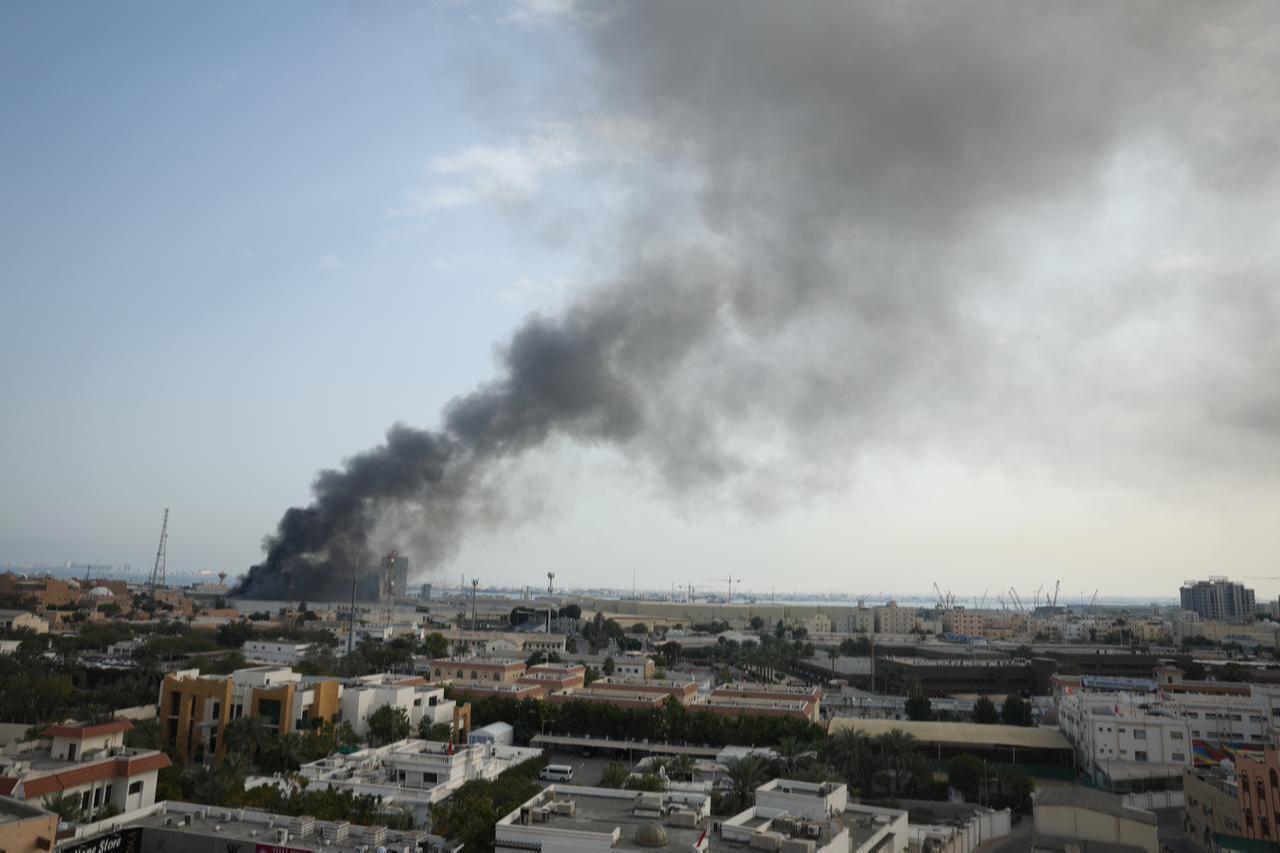
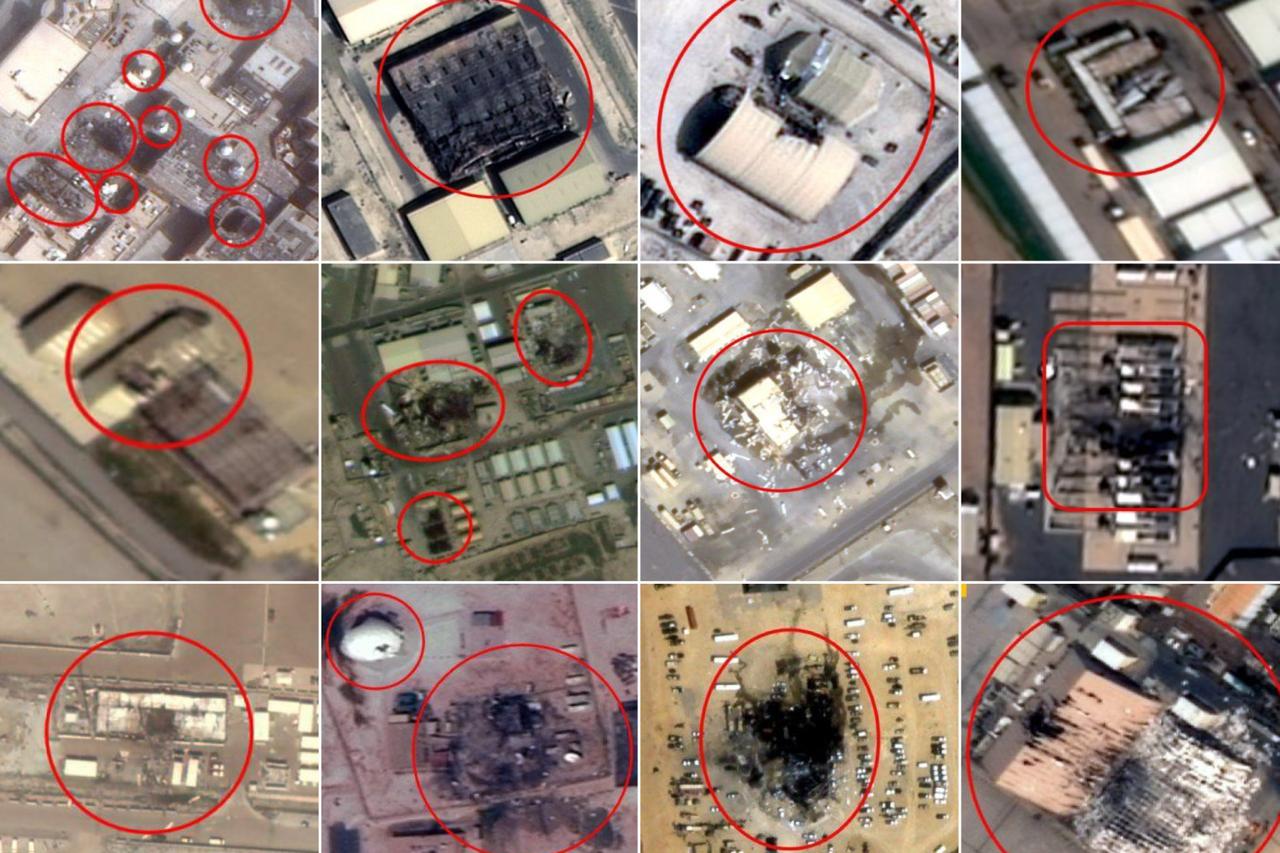
On July 17, an Iranian missile found the Muwaffaq Salti Air Base in Jordan and killed three American troops, one entry in a toll that has now reached 18 dead and hundreds wounded, with roughly 3,500 recorded strike events hitting military and civilian targets by the end of July alone. Fifteen U.S. military sites damaged or destroyed in five months aren't attrition. That's a bill coming due.
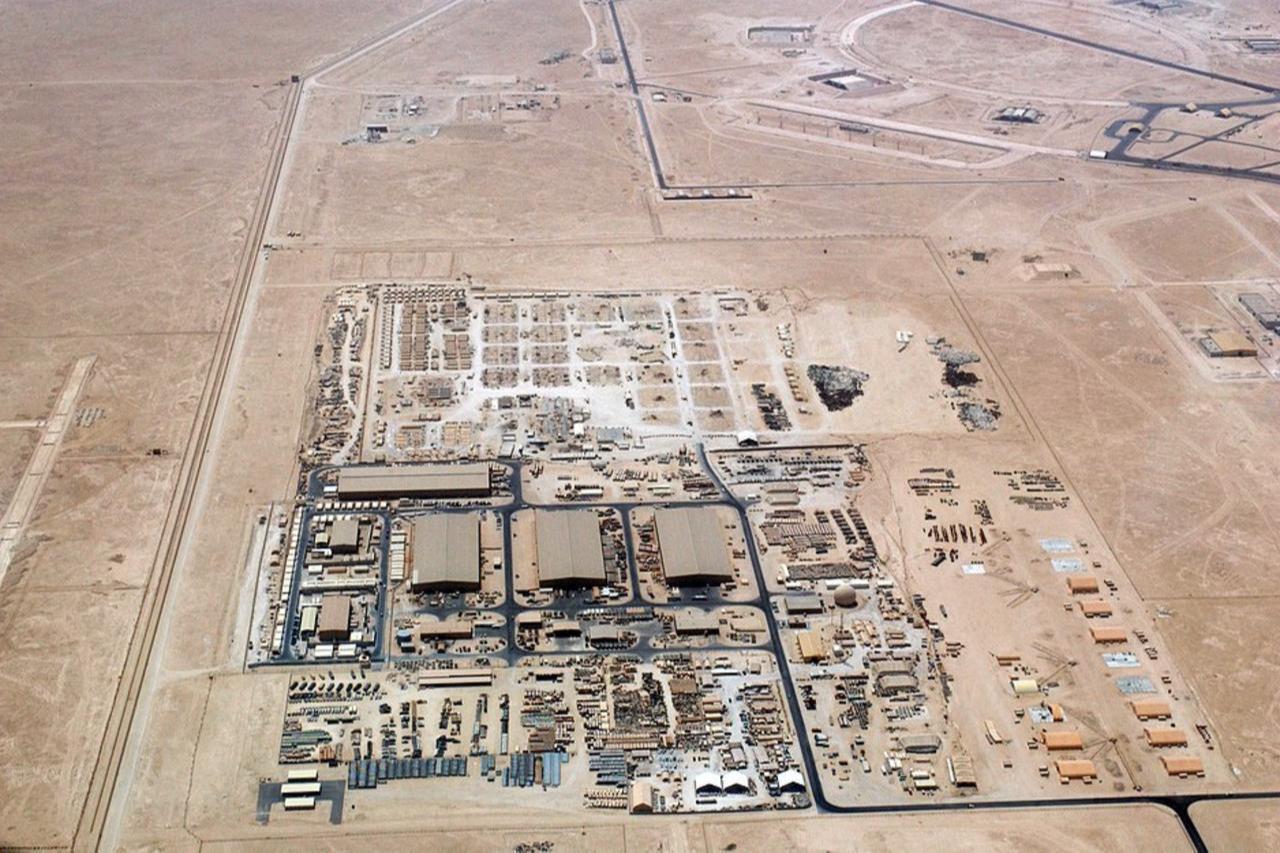

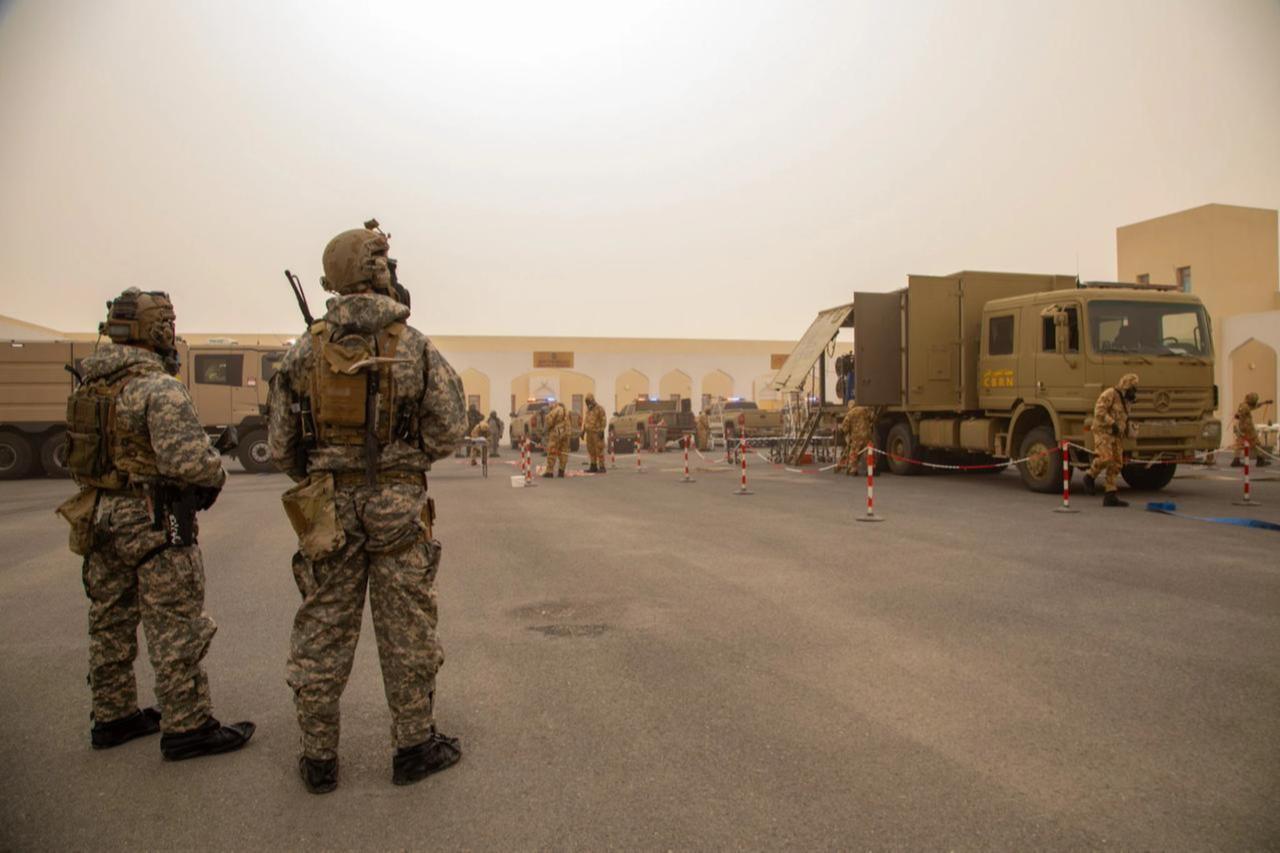
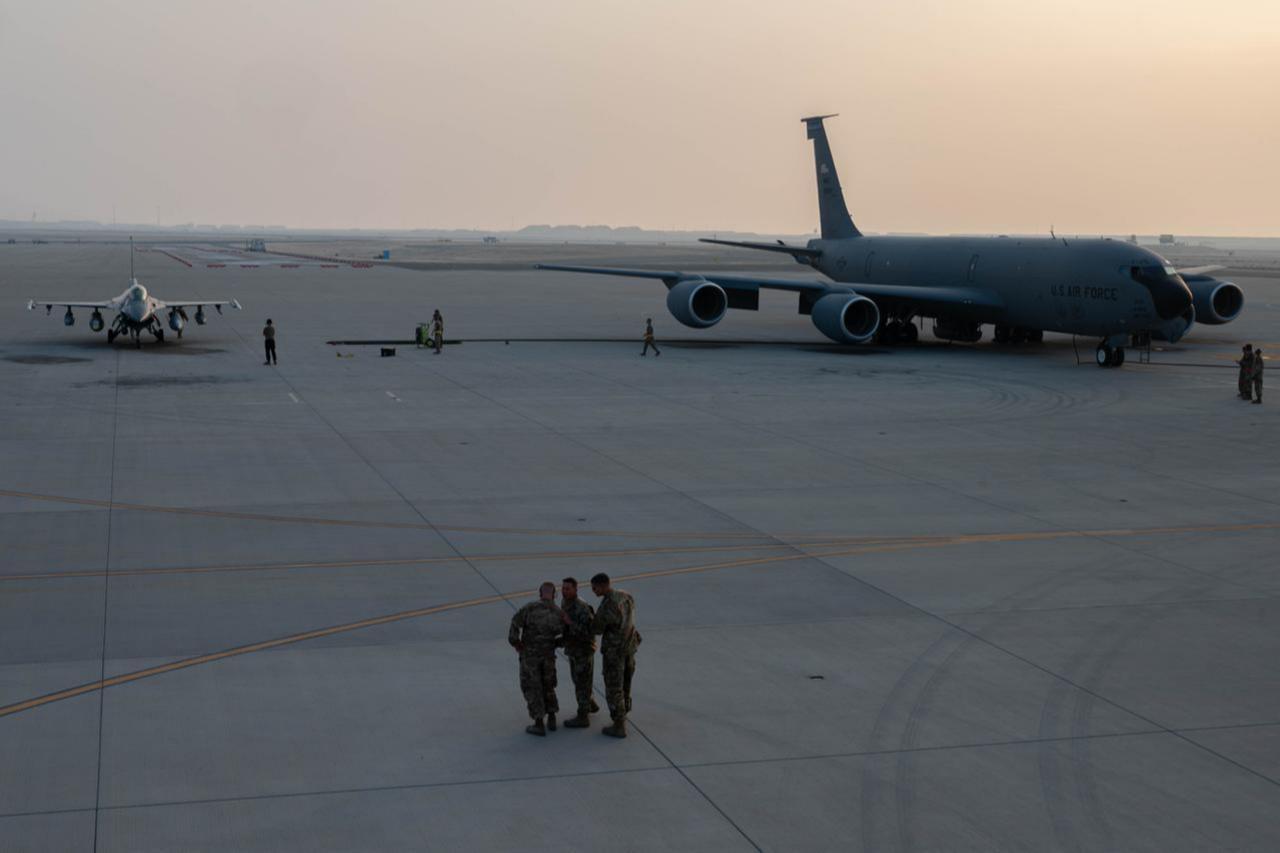
The scale of what's being defended is worth sitting with. Central Command normally keeps something like 40,000 troops spread across nearly 20 installations running from Jordan to Oman, a number that climbed past 50,000 once the shooting started, on top of a baseline that's bounced between 30,000 and 60,000 since the drawdowns of the early 2010s.
Kuwait carries the biggest single share, upward of 13,000 personnel at Camp Arifjan, Camp Buehring and Ali Al Salem Air Base. Qatar's Al Udeid, the forward headquarters for the whole regional command, holds roughly 10,000.
Bahrain hosts the Fifth Fleet and north of 8,000 troops and their families. Jordan has around 4,000, the UAE about 3,500, Saudi Arabia near 2,700, and Iraq is winding down toward zero save for a residual presence up in the Kurdistan autonomous region of northern Iraq.
None of it has proven especially safe this year. Iran has hit somewhere between 20 and 28 of these bases since February, and missile interceptor stocks that were already thin reportedly hit dangerously low levels within the first five weeks of fighting, forcing crews to ration which incoming threats get shot down and which don't.
Washington has responded by quietly shifting assets westward, toward Israel and away from the stretch of Gulf coastline Iran can reach easiest. While American media outlets run headlines questioning whether Gulf countries are disillusioned by the security umbrella that Washington provided for decades, that choice still seems to be with Washington.
According to Bilal Saab, formerly an adviser to the Pentagon and now the director of the Washington office for Trends Advisory, no power can truly match the scale of U.S. defense guarantees, though the age of maintaining massive, permanent military bases across the region may be drawing to a close.
"All of a sudden, there are now magnets for attacks. And so trimming the posture, at least in terms of soldiers—so manpower—there's definitely a case for that," he tells NPR.
In the American debate, the restrainer case rests on a simple diagnosis: decades of an implicit American security guarantee have let Gulf partners and Israel alike take risks they wouldn't otherwise take.
That guarantee has dragged Washington into conflicts stretching from the Iran-Iraq War of the 1980s through the 2003 invasion of Iraq to a war this year it didn't clearly plan to fight.
The energy argument runs the same play in reverse. The Fifth Fleet supposedly exists to keep the Strait of Hormuz open, yet Iran shut it anyway for months, while the oil actually moving through those waters increasingly heads to Chinese refineries rather than American ones. American sailors, on this reading, are subsidizing someone else's supply chain.
The pushback doesn't dispute the moral hazard diagnosis so much as its price tag. Pull out entirely, the argument goes, and Israel and the Gulf states face down an emboldened Iran with no counterweight, while Washington loses whatever leverage currently keeps states like Saudi Arabia and the UAE from hedging toward nuclear programs of their own once the American umbrella folds.
What makes this debate different from the last decade's version is who's having it. The Biden alumnus making the case for withdrawal isn't a libertarian think-tanker. Meanwhile, the Trump Pentagon, which has no obvious ideological interest in retrenchment, is running its own quiet internal review of whether to rebuild the damaged bases at all, per reporting that cited eight officials and people close to the process.
Senior officials have privately signaled they'd rather shrink the Gulf footprint and push more of the defense burden onto host governments, even with no formal posture review yet ordered and Iran still hitting American installations in Jordan and the UAE. Restraint has stopped being a faction. It's become a default hedge shared by people who agree on almost nothing else about how this war should have started.
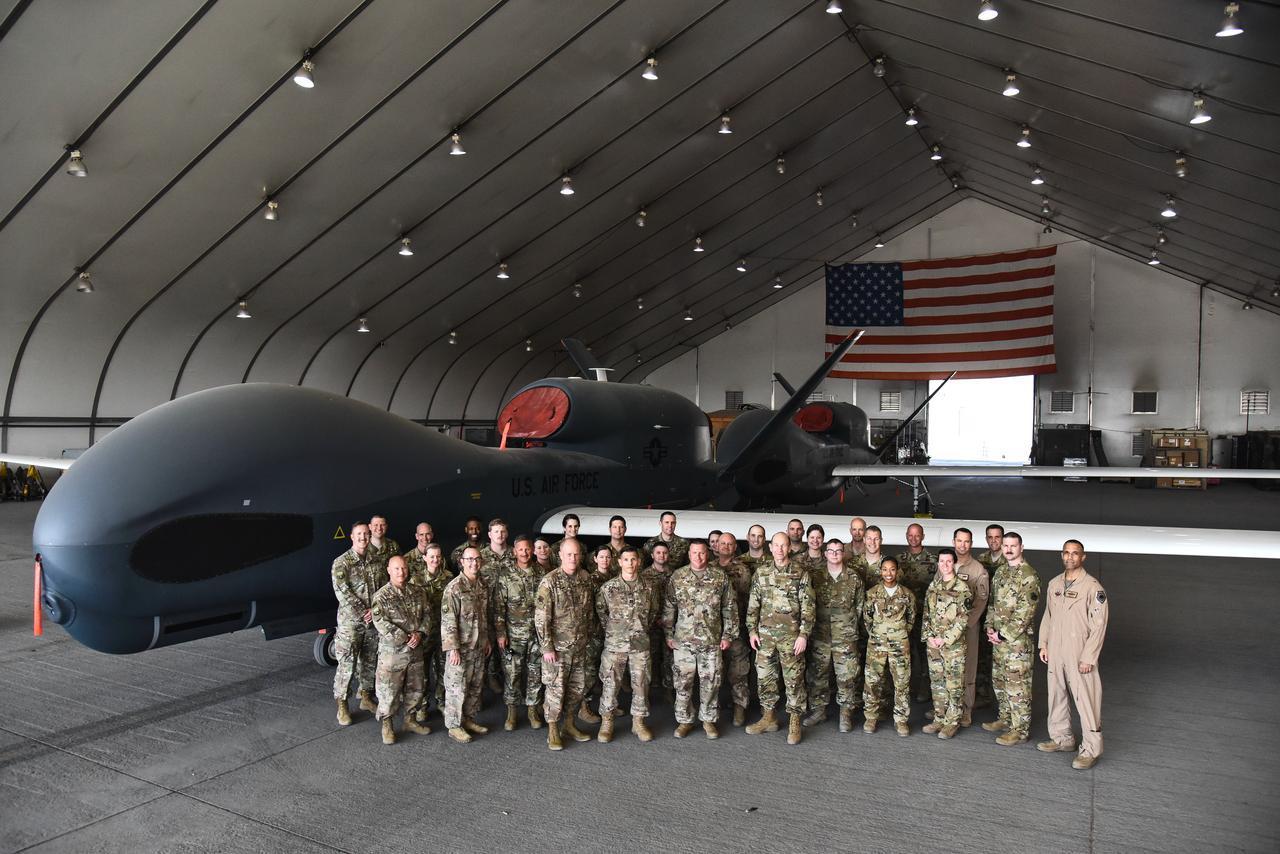
Nobody serious is predicting zero troops. Thirty-two major installations and the alliance relationships built around them aren't the kind of thing an administration walks away from between elections, and the Gulf states have sunk decades and billions of dollars into assuming American forces would still be there.
But the range under real discussion inside the Pentagon runs well below the wartime peak, back toward the lower end of that 30,000-to-60,000 band that's defined the region for 15 years, with officials weighing options for a new force structure as early as next year. Some of that is a deliberate reckoning with what 35 years of forward presence actually bought. Most of it, if the interceptor math is any guide, is plain exhaustion.
Tacitus’s chieftain was describing a legion that had already won, leaving behind a desolation they called peace. This time, the imperial chronicle may record plenty of desolation, but its historian cannot even add the footnote of peace.


 Set as preferred source
 Set as preferred source


 2 min read
 1 min read