Newsletters




Türkiye, Egypt, Saudi Arabia and Pakistan have condemned Houthi attacks on Saudi airports that killed 19 people and injured hundreds in a week, backing Riyadh’s right to respond to the strikes under international law.
In a joint statement, the four countries described the Iran-backed group’s strikes, including those targeting Riyadh’s King Khalid International Airport, as a threat to Saudi security and a violation of its sovereignty and territorial integrity.
They called the attacks a dangerous escalation by the Houthis, held the group responsible for the consequences and demanded an immediate and unconditional halt to the strikes.
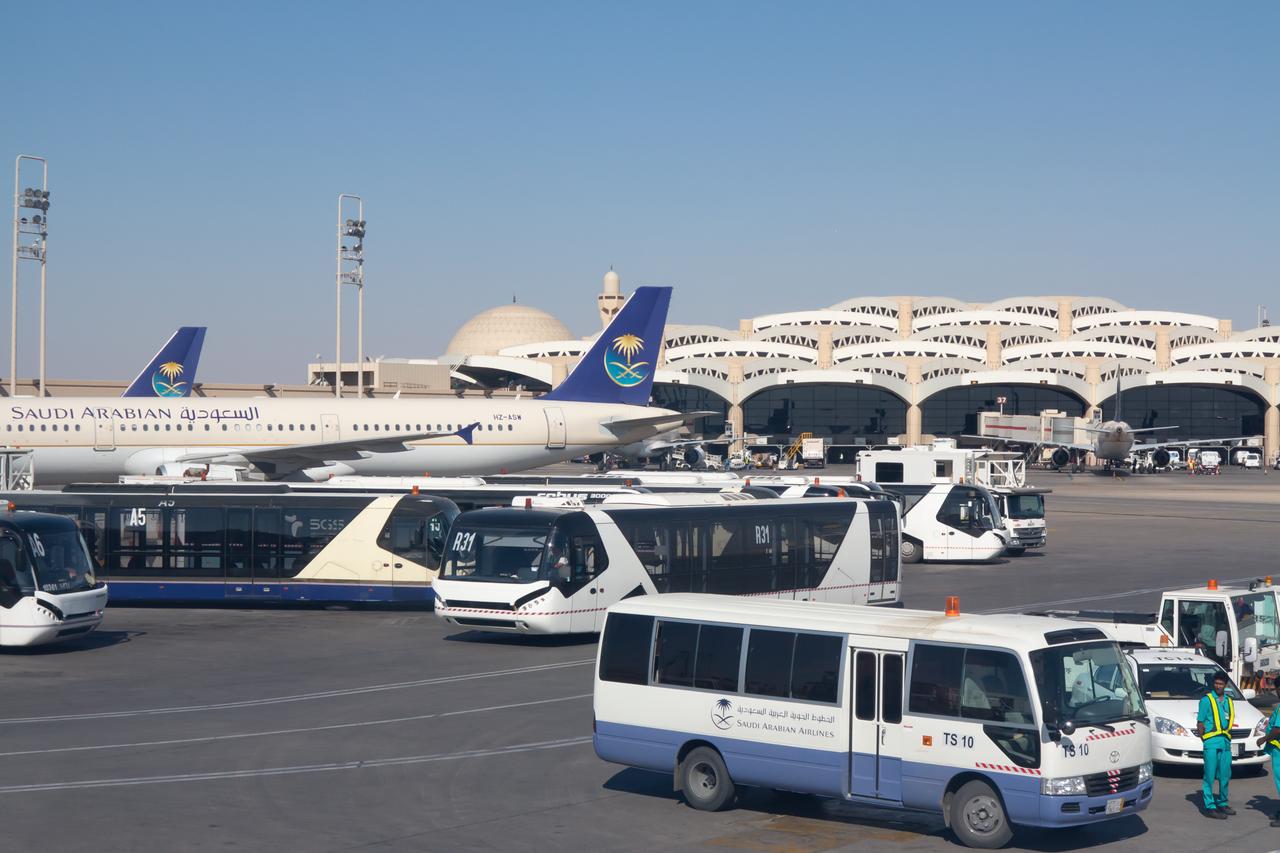
During the last week, King Khalid International Airport in Riyadh has been targeted five times, making it the most frequently attacked airport in the country. The strikes have forced authorities to suspend airport operations temporarily while they assess damage and check the safety of facilities.
The Saudi-led coalition in Yemen reported Sunday that an unidentified projectile struck the passenger area of Terminal 4, triggering a fire.
Saudi Arabia’s General Authority of Civil Aviation (GACA) confirmed early Monday that one person was killed and 11 others were injured in the latest attack. The deceased was a Pakistani resident, while the injured were taken to hospital for treatment. The authority added that the strike caused material damage.
The latest attack came a day after a strike on the same airport killed 12 people and injured 309. The casualties included Saudi, Bangladeshi, American, Egyptian, Jordanian, Syrian, Palestinian and Sudanese nationals.
The death toll later rose to 13 after the Indian Embassy in Riyadh reported that an injured Indian citizen had died.
The airport was also targeted on Oct. 8, when two attacks hit airport facilities and a Saudi Arabian Airlines aircraft. Three Saudi nationals were killed, including pilot Hamud Ali al-Kulsumi, and a parked aircraft was damaged.
An attack on Oct. 7 killed a Sudanese national and injured eight others, including five Saudi citizens, two Egyptians and one Pakistani.
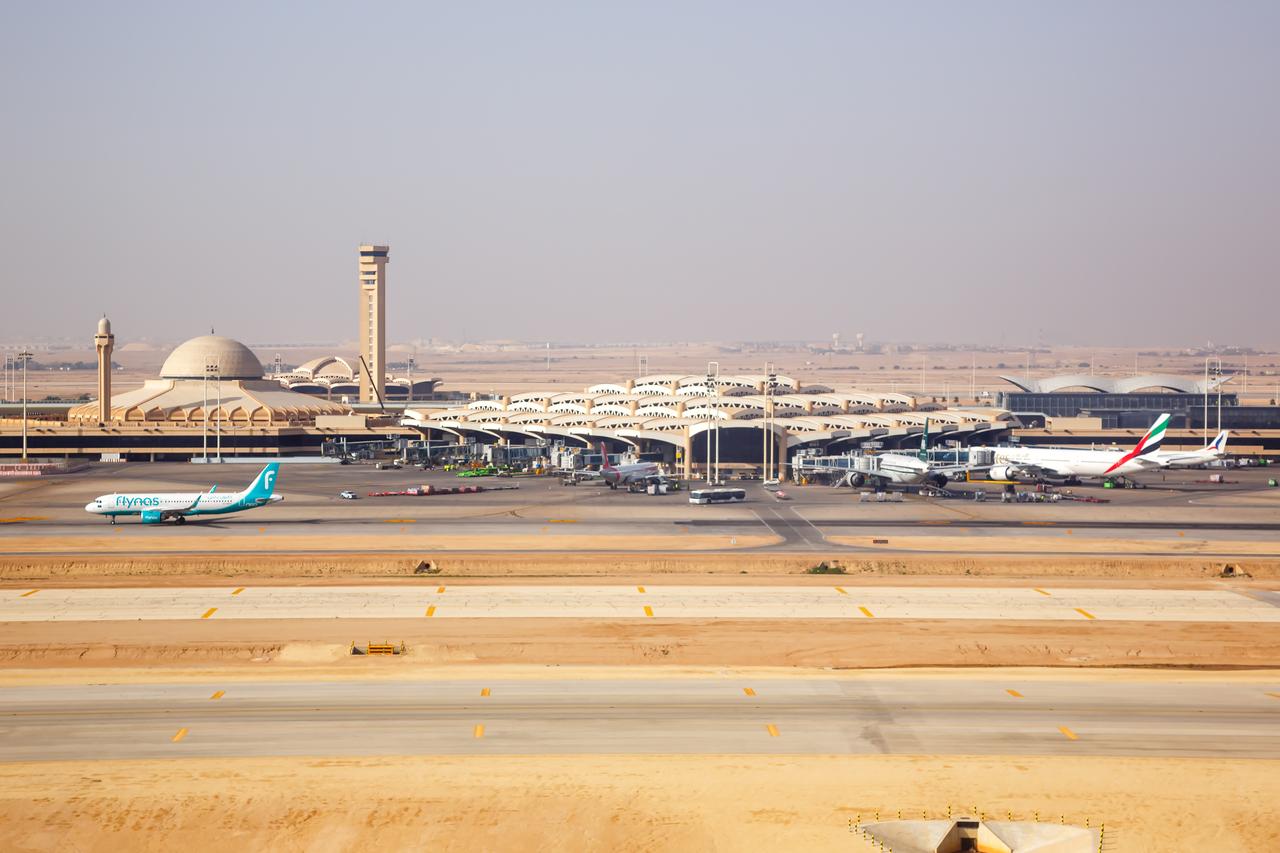

The attacks have also spread to other airports across Saudi Arabia. King Fahd International Airport in Dammam came under attack on Sunday evening, Oct. 11, prompting authorities to assess the damage and review security at the facility. The Saudi-led coalition had earlier reported that a projectile fell near the airport.
Abha International Airport was struck on Oct. 6, killing two residents from Morocco and Algeria and injuring 28 others, including Saudi citizens and foreign nationals from Bangladesh and the Philippines.
King Abdullah bin Abdulaziz International Airport in Jazan and Najran International Airport were also targeted on Oct. 5, leaving three people injured.
The Mecca Joint Defense Agreement, signed by Türkiye, Saudi Arabia and Pakistan on Aug. 7, stipulates that an armed attack against any of the three countries will be treated as an attack against all three.
On Oct. 5, the three countries agreed to activate collective deterrence measures and take steps toward the rapid deployment of forces to Saudi Arabia in response to the Houthi attacks.
Türkiye has also begun providing Saudi Arabia with defensive and technical support. Foreign Minister Hakan Fidan said Ankara was evaluating ways to help defend the kingdom but ruled out Turkish troops taking part in offensive operations.
The Iran-backed Houthis have controlled Yemen’s capital, Sanaa, and parts of the country since September 2014. A Saudi-led coalition has supported Yemen’s internationally recognized government against the group since March 2015.


 Set as preferred source
 Set as preferred source


 2 min read
 1 min read