Newsletters


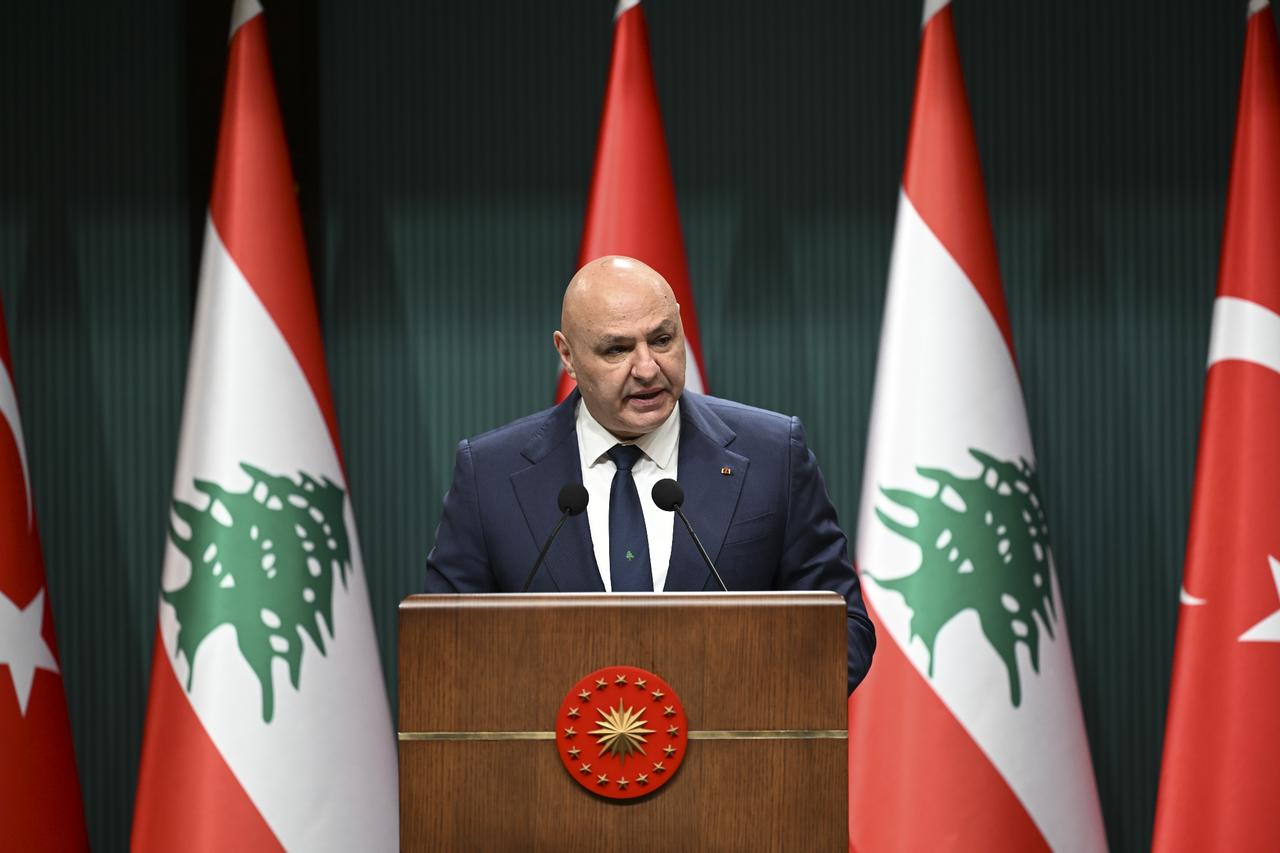


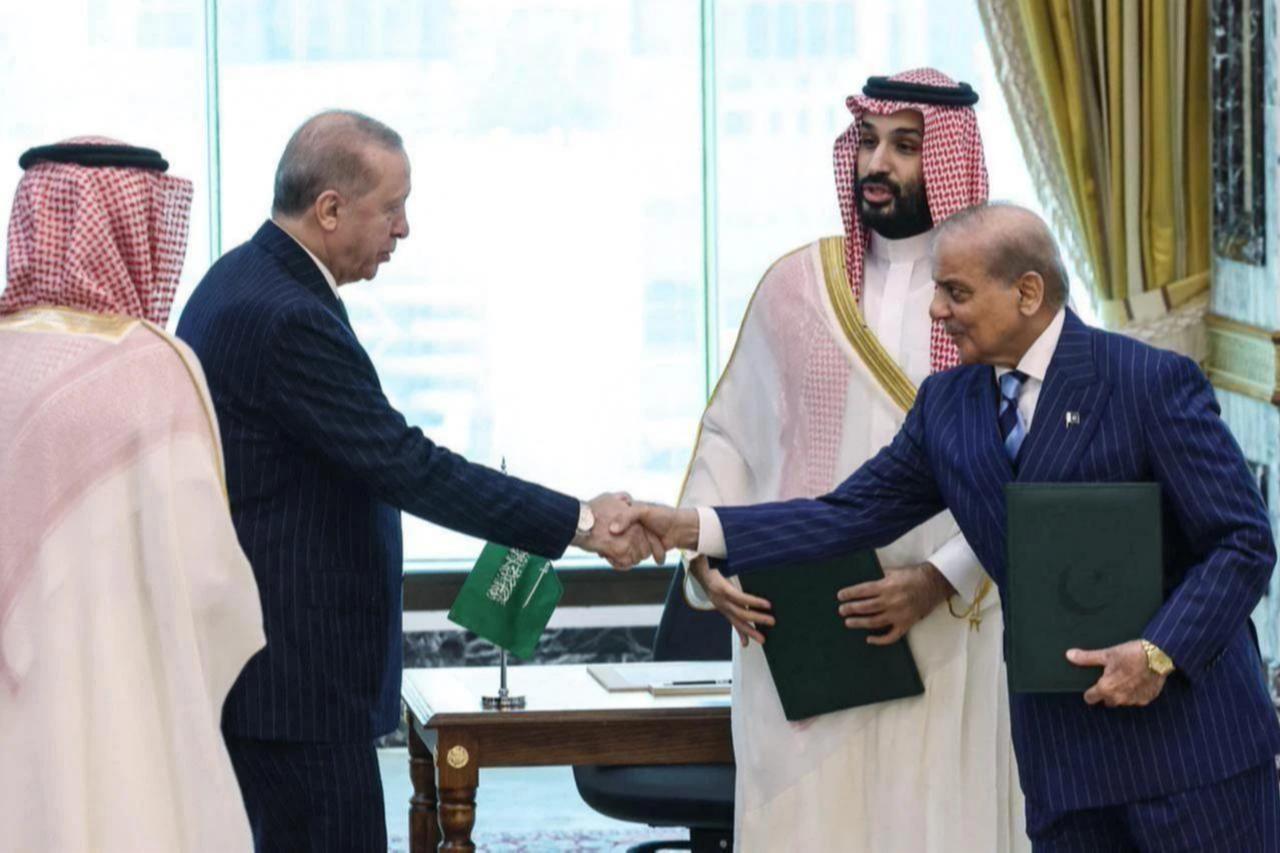
The Mecca defense pact between Türkiye, Saudi Arabia and Pakistan could contribute to security and stability in the region, including in Lebanon, Saudi and Lebanese experts told Türkiye's state-run Anadolu Agency (AA) on the sidelines of the TRT World Forum 2026.
"For fragile countries like Lebanon in particular, a Mecca pact-style formation is the most effective way to establish security," said Dania Koleilat Khatib, a researcher and co-founder of the Research Center for Cooperation and Peace Building in Lebanon.
"Even if you arm the Lebanese army, they cannot protect themselves alone against Israel. But when they are part of this pact, they gain deterrent power," she said, noting the army’s limited resources.
"It is vital that the founding and supporting pillars of the pact are regional actors such as Türkiye, Saudi Arabia, Pakistan and, in the future, Egypt. This will offer a strong security guarantee for smaller countries," Khatib said.
She said the pact fills an important gap.
"I had said there was a need for a regional security architecture, and then the Mecca pact emerged. You could say I foresaw this need in the region, because if there is a need, it has to be met at some point," she said.
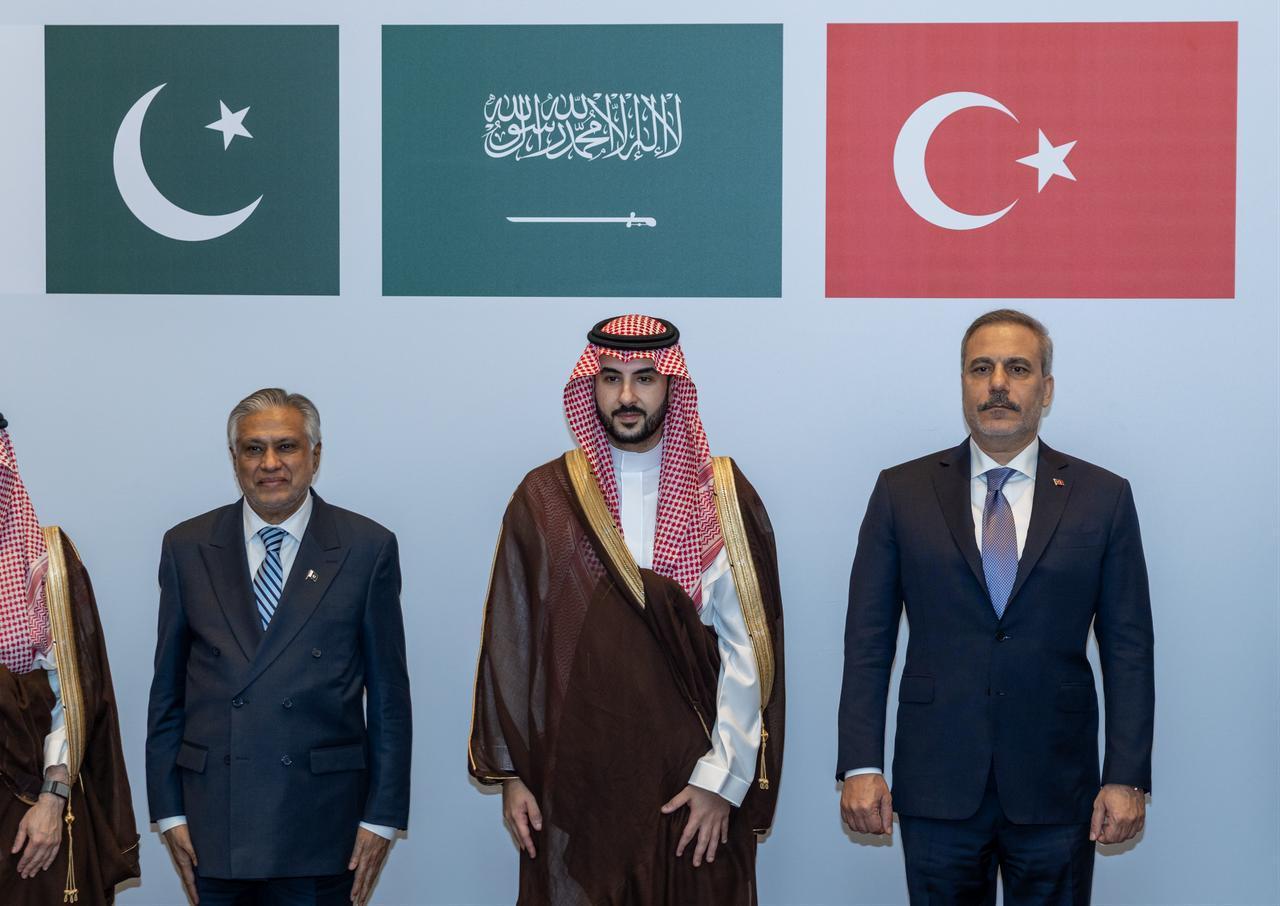

"This agreement is the only way to stop Israel’s expansionism and aggression. It is also a broad structure that could include Iran in the future. If Iran and Egypt join this structure later, we will reach sufficient deterrence and bargaining power to pressure Israel to change its stance," Khatib said.
The region has relied only on the United States to restrain Israel, she said, adding, "But the U.S. did not apply the necessary pressure. That is why, as countries of the region, we must come together, trust each other and fortify this bloc to create deterrence over Israel."
She noted that Syrian Foreign Minister Asaad al-Shaibani visited Pakistan and expressed Damascus’ willingness to join the structure.
"Egypt’s maritime jurisdiction agreement with Greece in the past was driven by the idea of leaving Türkiye out of the equation. But today, Türkiye-Egypt relations are quite strong. I believe this rapprochement will facilitate a common consensus in the Eastern Mediterranean," Khatib said.
"Syria, Türkiye, Lebanon and Egypt coming together on a common ground will lay a suitable foundation for resolving the Eastern Mediterranean crisis," she added.
Ali Awadh Asseri, Saudi Arabia’s former ambassador to Beirut and Islamabad and vice chairman of the board of trustees of the International Institute for Iranian Studies (Rasanah), called the pact a major success for its members.
"It must be well understood that this alliance does not target any country, including Iran. This initiative is a step taken by countries to protect themselves, entirely focused on defense and deterrence," he said.
"Saudi Arabia has great economic resources and a strong industry. Türkiye stands out with its advanced defense industry and strong army. Pakistan also has significant military and strategic capabilities. These three countries have built a solid structure on the axis of diplomacy, defense and deterrence," Asseri said.
The pact does not directly cover Lebanon at this stage, he said.
“Lebanon is currently going through a critical political process and trying to carry out reforms in various areas," he added, pointing to efforts to restore state authority and its monopoly on security.
"Today in Lebanon we see an effective government trying to respond to the people’s expectations," Asseri said, adding, "As stability is achieved in the country, I predict that problems in banking, industry and development will be overcome, and foreign investors and tourists will return to Lebanon."
He described Saudi-Pakistani ties as "exceptional, lasting and brotherly."
Lebanon expert Abdullah Musab Sahin called the alliance a strategic gain for regional peace.
"The most critical aspect of the Mecca alliance is its potential to take regional security beyond cyclical political will and turn it into an institutional cooperation model based on mutual responsibility and trust between states," he said.
Reducing regional tensions and strengthening state institutions are priorities for resolving issues such as elections and disarming non-state actors, which would give Lebanon breathing room, Sahin said.
"Especially considering Türkiye’s and Saudi Arabia’s historical and social ties with Lebanon, I believe this cooperation will open new diplomatic and political windows of opportunity for the Beirut administration," he said.
With debate over early elections resurfacing in Lebanon and bills submitted for 2027, he said political actors closely watch regional players.
"The Mecca alliance could be an important lever at this point. Strong coordination between Türkiye and Saudi Arabia will play a constructive role in achieving political consensus in Lebanon, establishing state authority and reducing regional tension," Sahin said, as debate grows over the Mecca defense pact’s reach.


 Set as preferred source
 Set as preferred source


 1 min read
 1 min read