Sign in
 Newsletters


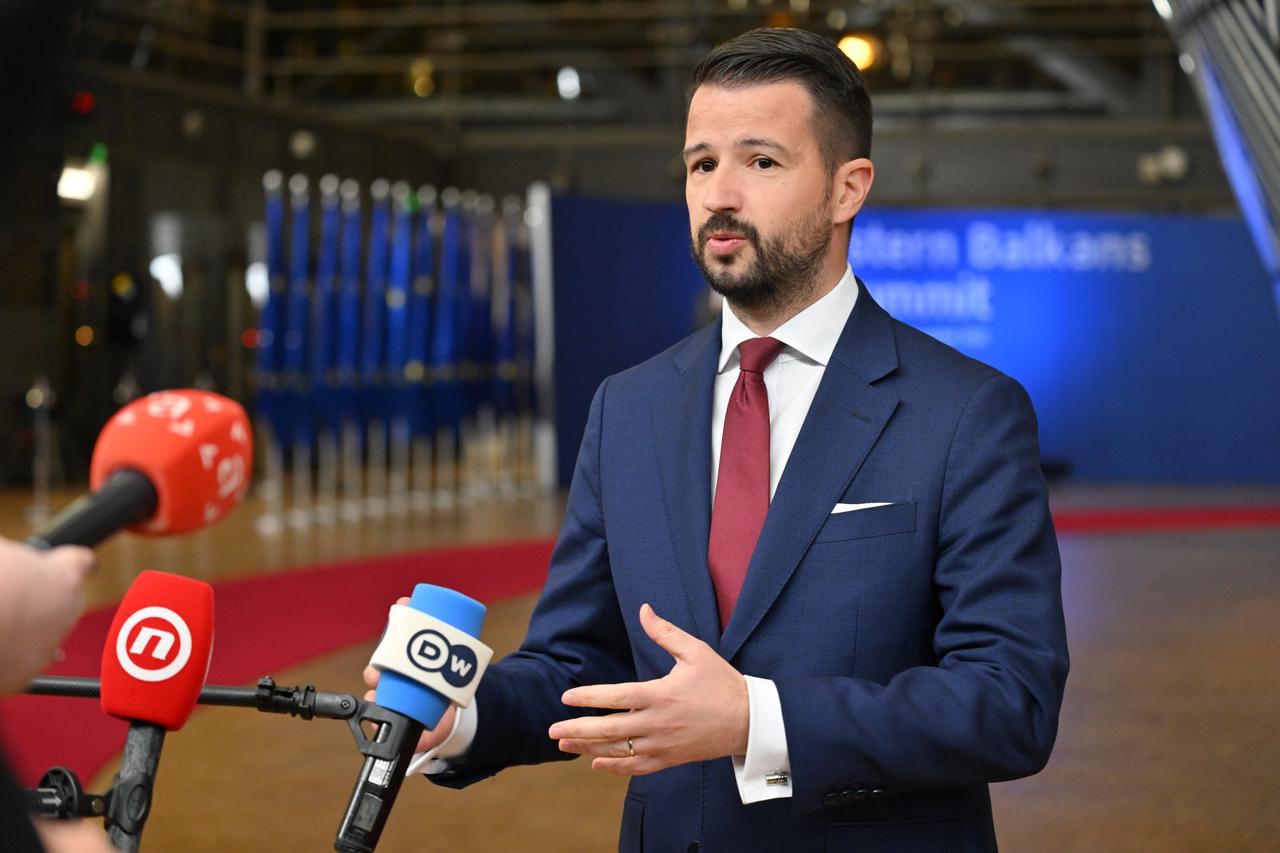


Montenegro's government approved compensation measures Friday for Croatian citizens detained and abused in wartime camps on its territory during the 1990s, alongside financial assistance for Montenegrin victims of detention camps in Croatia and Bosnia and Herzegovina, as unresolved disputes with Zagreb threaten its European Union accession ambitions.
The government adopted a report concluding negotiations with Croatia on an agreement to compensate Croatian citizens who were unlawfully detained in Montenegro between Sept. 30, 1991, and Aug. 18, 1992.
Under the proposed agreement, Montenegro would provide approximately €18.45 million ($20.2 million) in compensation to former detainees of the Morinj camp near Kotor, with previously awarded payments deducted from the total.
The agreement provides for compensation of €850 for each day spent in detention, while additional payments are envisaged for the heirs of detainees whose deaths were directly linked to their imprisonment, according to Montenegrin media.
The government is expected to sign the agreement with Croatia, after which compensation would be transferred to Zagreb for distribution to eligible recipients.
The measures come as Montenegro seeks to resolve longstanding disputes with neighboring Croatia that have increasingly complicated its efforts to join the EU by 2028.
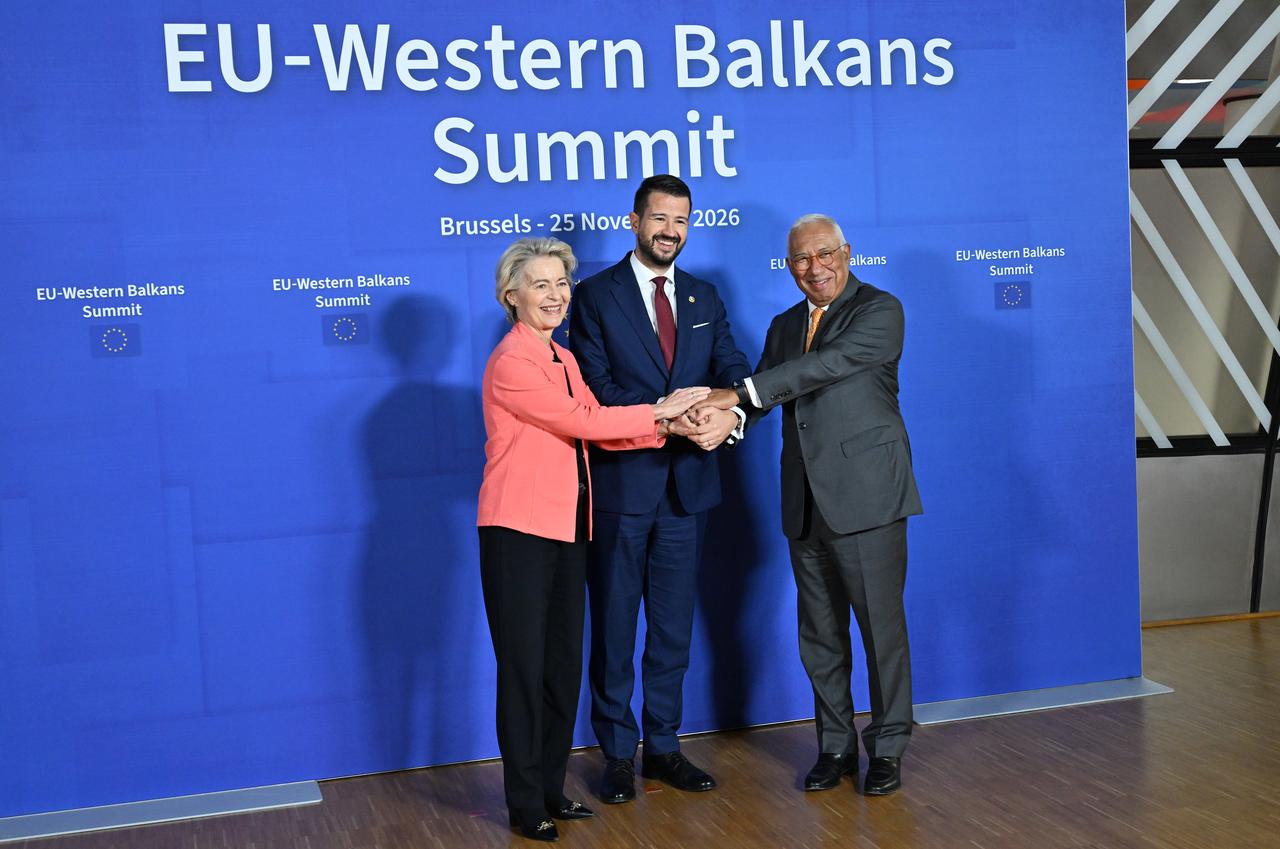

In a separate decision, the Montenegrin government approved one-time financial assistance for victims and families of Montenegrin citizens held in the Lora military prison in Split, Croatia, and detention camps in the Ljubuski and Mostar areas of Bosnia and Herzegovina.
The government approved payments of €200,000 to eligible recipients or families, according to its statement.
Although the abuses occurred outside Montenegro, the government acknowledged that the victims were Montenegrin citizens whose suffering had been neglected by the authorities at the time.
The measure follows earlier initiatives providing financial assistance to families of civilian victims killed in Strpci, Murino and Tuzi.
Podgorica described the decisions as important steps toward restoring public trust in state institutions, recognizing the suffering of wartime victims and promoting reconciliation.
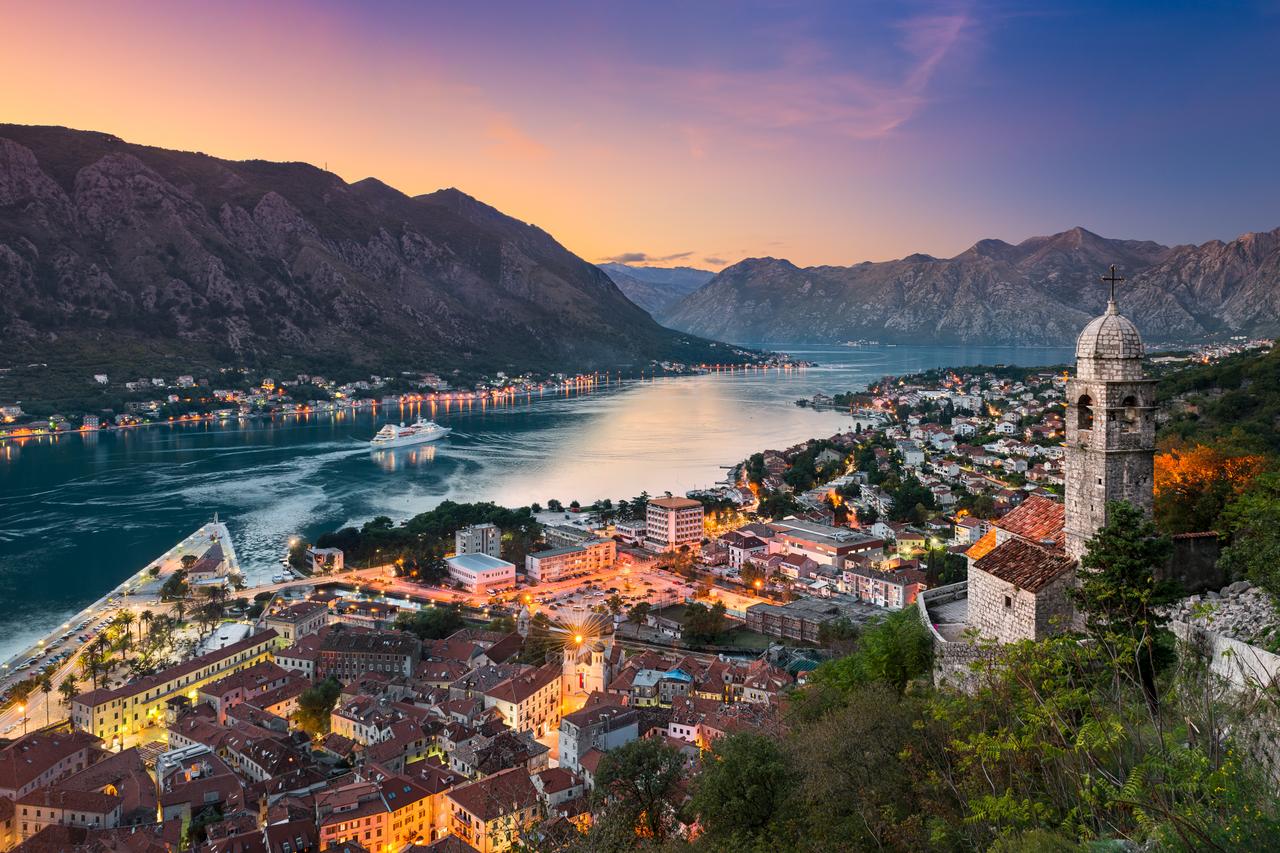
The Morinj detention camp, established by the Yugoslav People's Army near Kotor in 1991, held Croatian military personnel and civilians during the war in neighboring Croatia.
Former detainees reported mistreatment, torture and degrading conditions, with several cases resulting in criminal proceedings and compensation claims before Montenegrin courts.
The proposed agreement with Croatia is intended to address outstanding claims arising from the detentions.
The compensation decisions come amid growing diplomatic tensions between Podgorica and Zagreb over unresolved disputes dating to the breakup of Yugoslavia.
Croatia, an EU member whose approval is required for Montenegro's accession, has opposed the provisional closure of several negotiating chapters.
On Nov. 19, Zagreb withheld approval for the closure of Chapter 15 on energy, having also raised objections to Chapter 14 on transport policy and Chapter 31 on foreign, security and defense policy.
The disagreements include compensation for wartime detainees, ownership of the former Yugoslav naval training ship Jadran, efforts to locate people missing from the 1990s conflicts and unresolved territorial boundaries.
One of the most contentious issues concerns the Prevlaka peninsula at the entrance to the Bay of Kotor and the delimitation of maritime boundaries in the Adriatic Sea.
Croatia has sought recognition of the former Yugoslav republican land boundary before negotiations on maritime delimitation, while Montenegro favors addressing the two questions together.
Montenegrin Foreign Minister Ervin Ibrahimovic said Nov. 20 that his country would pursue a negotiated settlement but would not surrender territory in exchange for progress toward EU membership.
"We will not give up an inch of Montenegro's territory. There is no goal or benefit for which anyone would give away a piece of Montenegro, even if that goal were the European Union," Ibrahimovic said.
He confirmed that Montenegro had proposed renewed border negotiations through a diplomatic note and was awaiting Croatia's response.
Ibrahimovic also said Podgorica would consider international arbitration or a court ruling if bilateral negotiations failed.
Despite the disagreements, Montenegro has provisionally closed 25 of the 33 negotiating chapters in its EU accession process.
The country aims to complete negotiations by the end of 2026 and become an EU member in 2028, although accession requires unanimous approval from existing member states.
The latest compensation measures could help address one of Croatia's longstanding demands, but broader disputes over borders and other wartime issues remain unresolved.


 Set as preferred source
 Set as preferred source


 1 min read
 1 min read