Newsletters


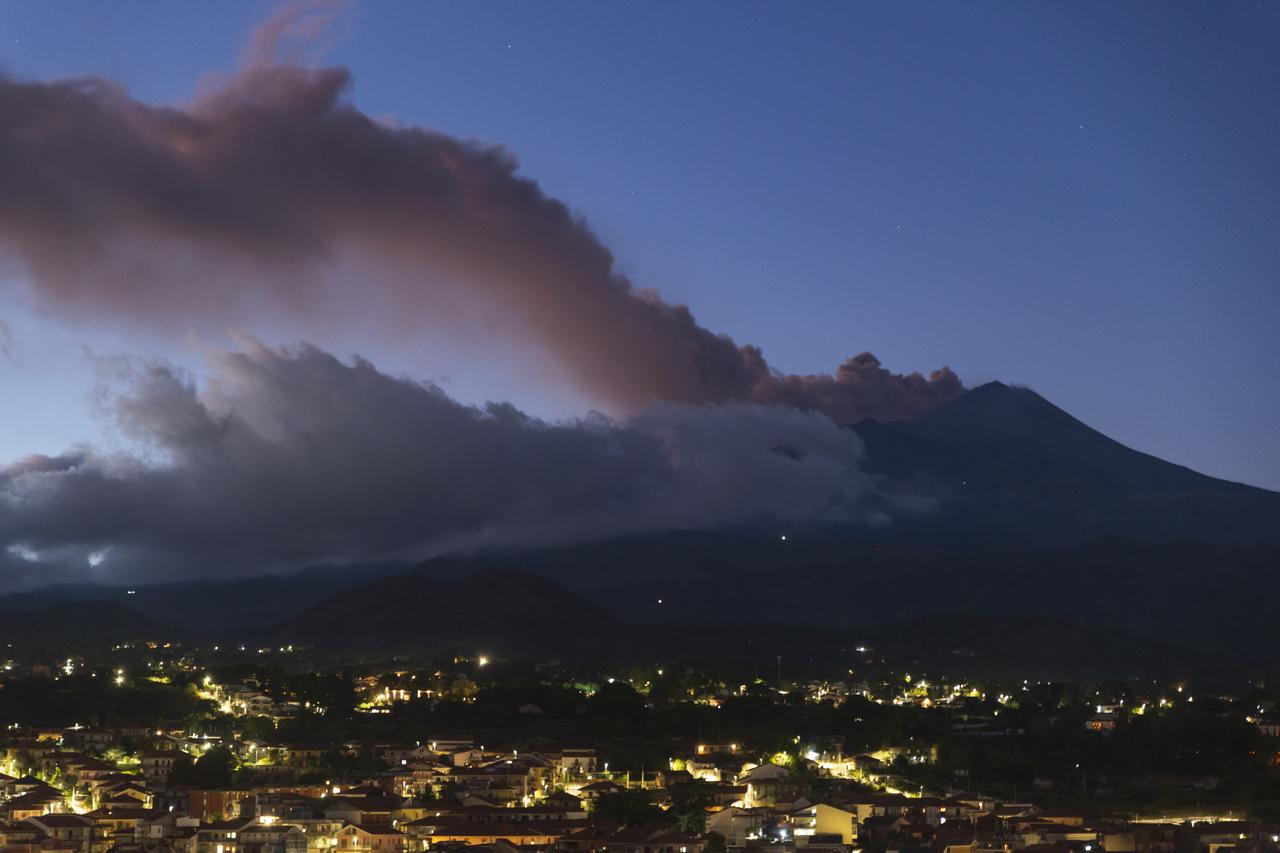


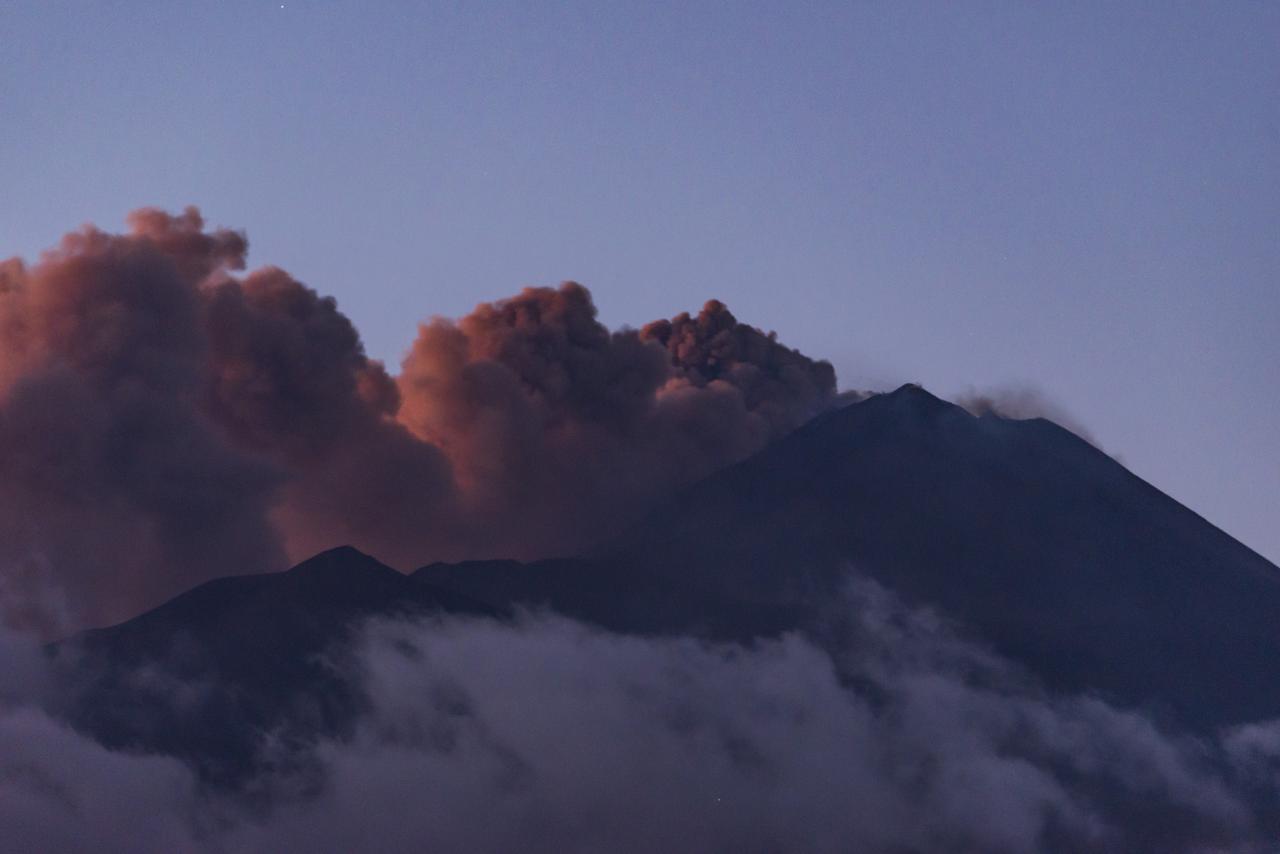
Mount Etna, one of Europe's most active volcanoes, has intensified its ash emissions since Saturday, forcing the suspension of flights at nearby Catania airport in Italy, authorities said Sunday.
Located on the eastern coast of Sicily, the Mediterranean island off Italy's southern tip, Catania's Vincenzo Bellini International Airport, also known as Fontanarossa, lies close to Etna's slopes.
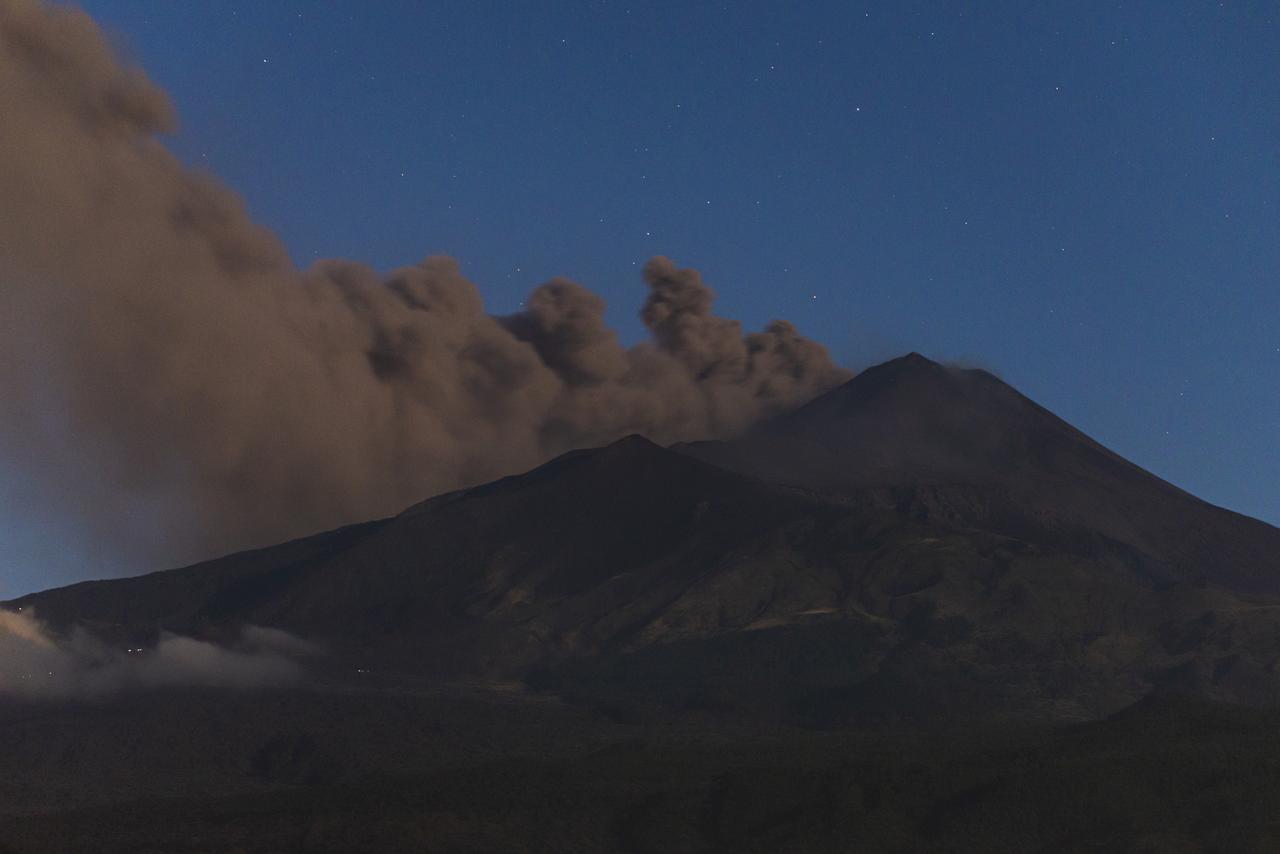

The volcano's northeastern crater has continued releasing ash since Saturday, according to SAC, the company that operates the airport. In a written statement, SAC said flight operations, both domestic and international, would remain suspended until 23.59 local time Sunday.
"Following the release of volcanic ash into the atmosphere, flight operations have been suspended until 23.59 (00.59 Türkiye time) today. Passengers are advised to check the status of their flights with airlines before heading to the airport," the statement said.
The ash plume, which began rising Saturday, reached approximately 4 kilometers (2.5 miles) in height, prompting aviation authorities to issue a "red" code warning, the highest level, for aircraft flying through the area. Volcanic ash poses a hazard to aircraft engines and visibility and is one of the main reasons airports ground flights during eruptions.
Flight suspensions and restrictions at Catania airport were first imposed as ash levels rose Saturday, with the suspension period gradually extended throughout the day and into Sunday night.
Etna has recorded more frequent volcanic activity this year compared with recent years, particularly during the summer months. The repeated disruptions to air travel have affected the plans of tourists who had chosen Sicily as a summer destination.
In recent months, the volcano has produced repeated episodes of ash emissions and lava flows. Etna remains one of the most closely monitored volcanoes in Europe due to its frequent activity and proximity to populated areas on Sicily's coast.


 Set as preferred source
 Set as preferred source



 4 min read