Newsletters


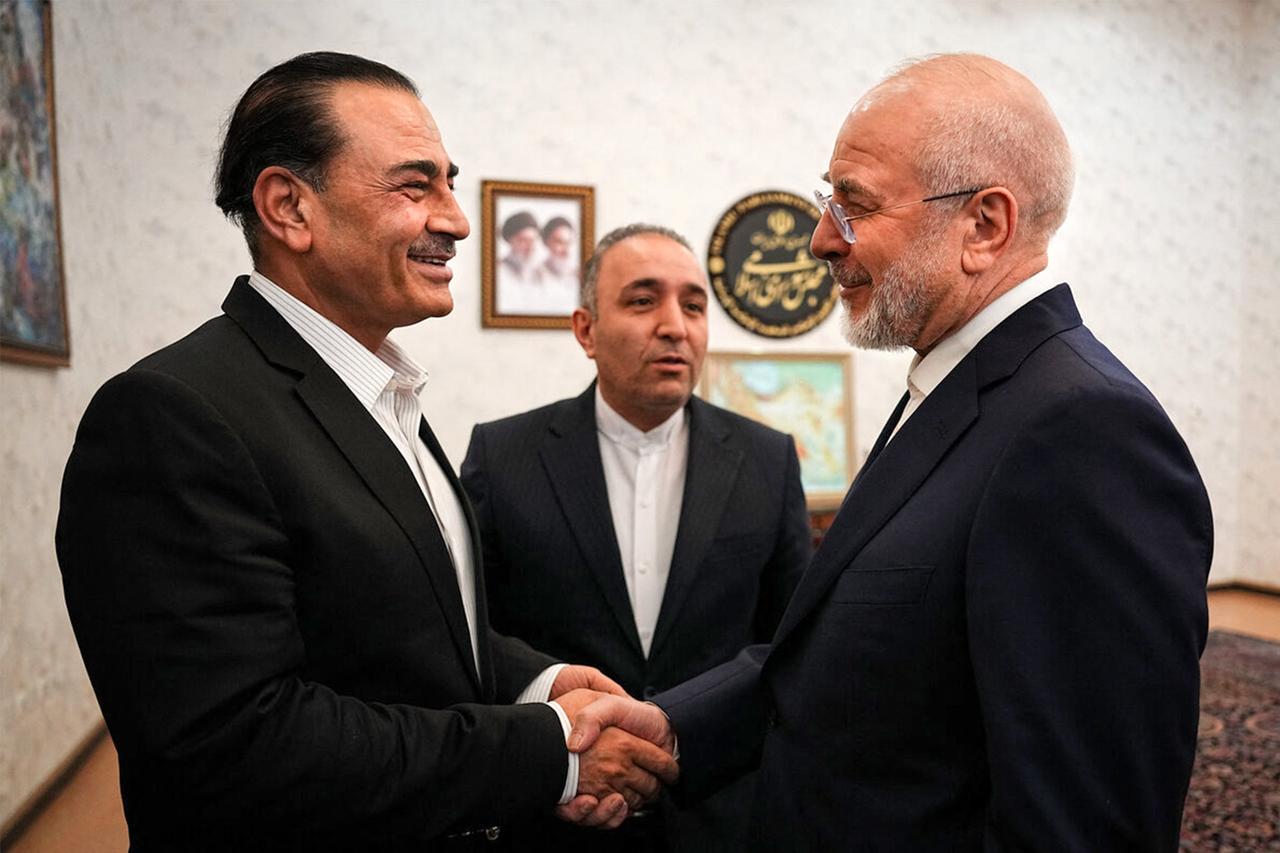


Iran said Tuesday that Pakistani Army Chief Field Marshal Asim Munir's visit to Tehran was "highly productive" and yielded "significant diplomatic achievements," with results expected to become apparent soon, as Islamabad continues pushing to revive stalled U.S.-Iran talks.
"Contrary to some inaccurate media speculation, the visit of Field Marshal Asim Munir, the army chief of friendly Pakistan, to Iran was highly productive and yielded significant diplomatic achievements, the results of which will become apparent soon," Seyed Mehdi Tabatabaei, deputy for communications and information at the Iranian President's Office, said on the social media platform X.
Munir visited Tehran on Monday, where he met Iranian President Masoud Pezeshkian, Parliament Speaker and chief negotiator Mohammad Bagher Ghalibaf, Supreme National Security Council member Mohsen Rezaei, and Interior Minister Eskandar Momeni.
According to Iran's state broadcaster IRIB, Ghalibaf told Munir that Washington had repeatedly failed to honor its commitments under the Islamabad Memorandum of Understanding (MoU).
"The commitments of the parties under the memorandum of understanding are clear, and it was the U.S. that, by failing to honor its commitments, prevented stability from being established in the region and provided another reason for distrust toward it," Ghalibaf said.
Ghalibaf, who also heads Iran's negotiating team, rejected the prospect of Tehran yielding to pressure and said Iran was pursuing implementation of the memorandum's terms.
Munir said he would continue his efforts to restore stability in the region.
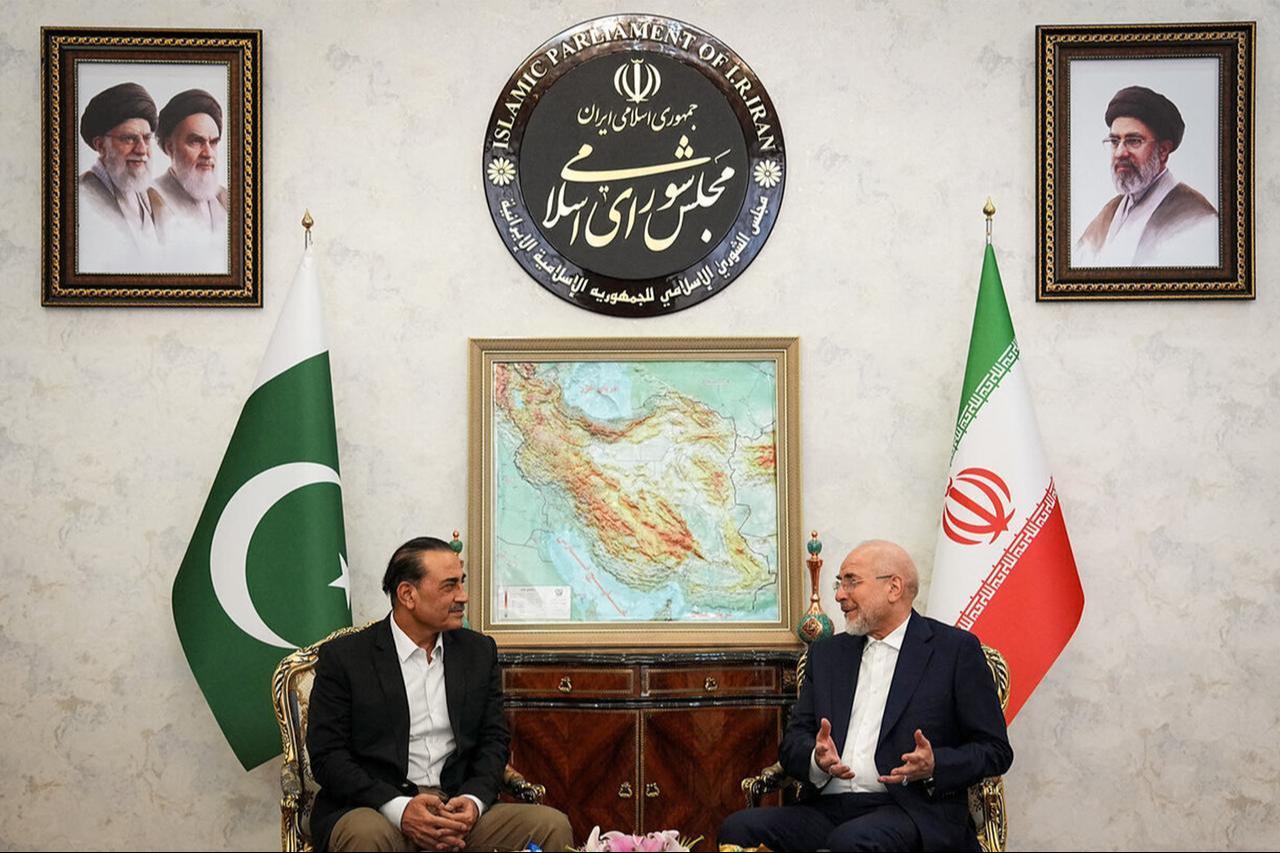

Munir arrived in Tehran on Monday along with Pakistani Interior Minister Mohsin Naqvi and began his visit with a meeting with Iranian Interior Minister Eskandar Momeni.
Naqvi said the meeting with Pezeshkian was "very positive and productive."
"Our discussion focused on the Iran-U.S. conflict, tensions in the Middle East and the way forward, as well as the steps needed by both sides for restoration of the Islamabad MoU thereby leading to comprehensive settlement of the conflict," Naqvi said on X.
Naqvi said Pezeshkian had openly presented his government's perspective and concerns, describing the exchange as "very constructive."
"Significant progress was made, and the meeting concluded on a highly positive note. We remain hopeful that this momentum will help pave the way for further progress and lasting peace in the region," Naqvi said.
According to ISPR, Pakistan army's media wing, the talks focused on preventing further escalation, reopening the Strait of Hormuz, and ending the Iran-U.S. conflict, as well as ways to reach a negotiated settlement.
The Pakistan army said in a brief statement that Munir "will focus on promoting efforts towards a peaceful, lasting and comprehensive resolution of the conflict in the Middle East," describing the trip as "part of Pakistan's efforts to promote regional peace and stability."
Iran's Foreign Ministry had said Sunday that Munir's visit would be part of "Pakistan's ongoing efforts to help consolidate peace and security in the region."
A U.S. source familiar with the matter told Agence France-Presse (AFP) that the Tehran meetings took place after U.S. President Donald Trump spoke with Munir last week.
The Saudi-owned news outlet Al Hadath reported, citing a senior unnamed source, that Munir carried a U.S. proposal to Iran involving an end to the naval blockade and the lifting of sanctions in exchange for reopening the Strait of Hormuz and a halt to attacks by Iran-aligned groups.
According to Al Hadath's report, the source said Munir told Iranian officials that accusations of violating the MoU applied to both sides, and that he met separately with Rezaei, telling him Pakistan was not aligned with either party and was seeking to end the crisis.
The report said Munir told Rezaei that direct strikes between Iran and the U.S. had stopped and called for an end to attacks by groups linked to Iran, while Rezaei reportedly told Munir that Iran would continue fighting if new escalation occurred and that Iran's supreme leader wanted a permanent resolution to the crisis.
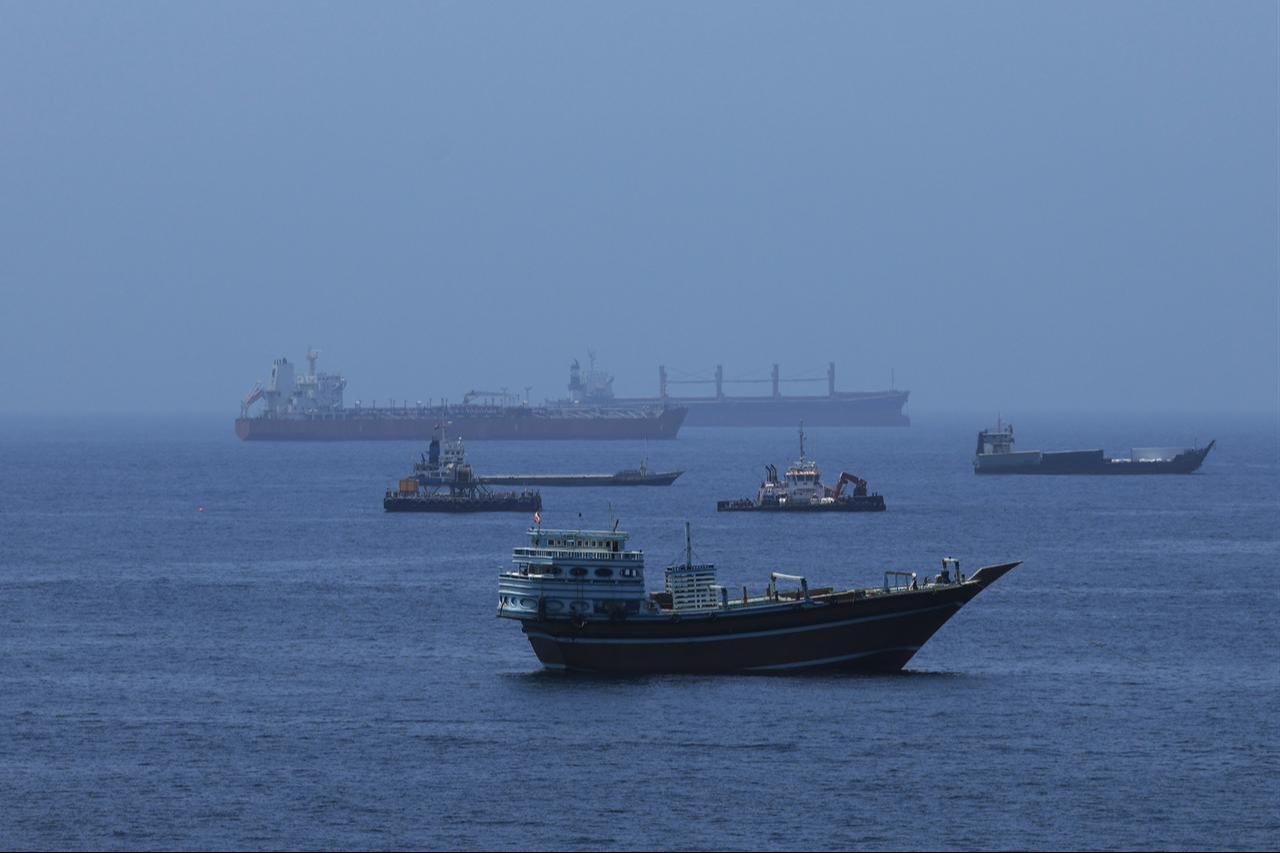
The U.S. and Iran signed the Islamabad MoU on June 18 and launched negotiations toward a final agreement, but talks later stalled over disagreements on security guarantees and freedom of navigation through the Strait of Hormuz.
Between July 8 and July 24, the U.S. and Iran exchanged military strikes, with Washington launching attacks on targets inside Iran and Tehran responding by striking U.S. military facilities and equipment in several Arab countries, including Jordan, Bahrain and Kuwait.
After securing a ceasefire on April 8, Pakistan hosted the highest-level direct talks between the U.S. and Iran since they broke diplomatic ties in 1979.
Those talks, held in Islamabad on April 11-12, ended inconclusively.
Since the U.S. and Israel launched the war on Iran on Feb. 28, more than 3,500 people, both civilians and soldiers, have been killed in Iran. Iran has hit U.S. bases and assets in the Middle East, and the Pentagon has confirmed 18 deaths and 756 injuries among its personnel during the war.
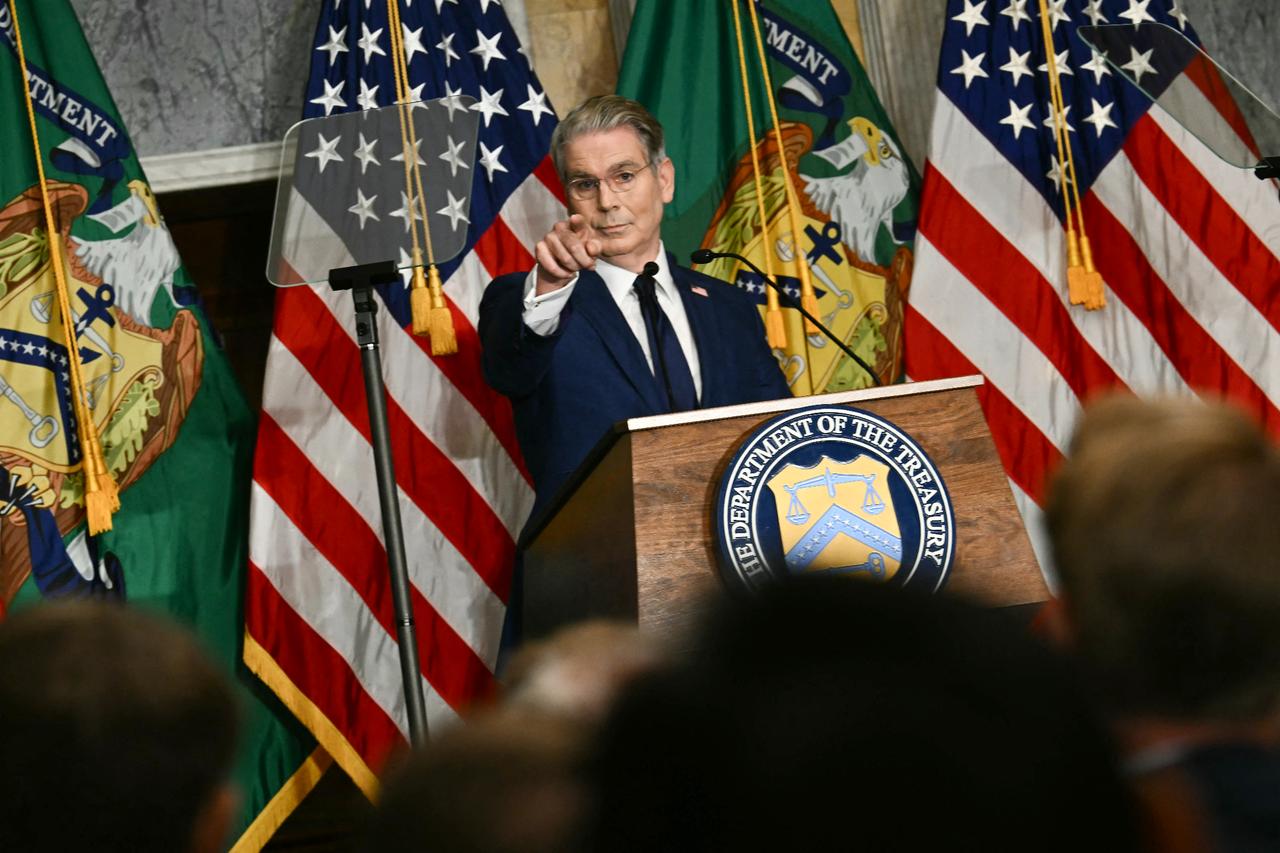
U.S. Treasury Secretary Scott Bessent on Monday laid out plans for what he called the "economic asphyxiation" of Iran, expanding Washington's secondary sanctions threats and warning of consequences for countries that do not join the campaign.


 Set as preferred source
 Set as preferred source


 1 min read
 1 min read