Newsletters





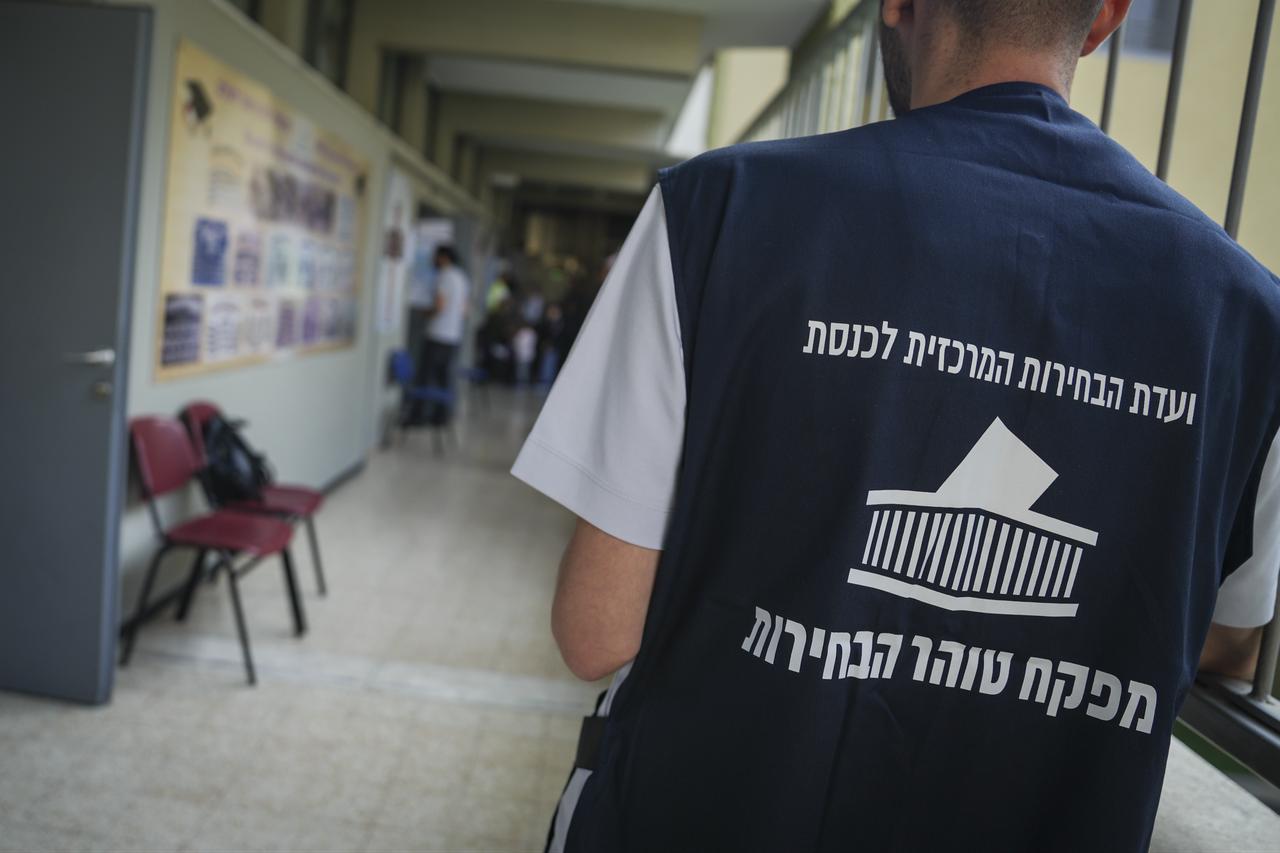
Israel's domestic intelligence agency Shin Bet told the Central Elections Committee on Wednesday that foreign financing and influence efforts involving "huge sums" were a widespread phenomenon reaching "more than thousands of people," but the committee certified the election results anyway, saying the suspicions did not justify rejecting them.
"From the information gathered so far, it emerges that foreign financing and influence activities involving huge sums are a widespread phenomenon on a scale exceeding thousands of people, and perhaps even more," the Shin Bet said in an update to committee members.
The domestic security agency said the money allegedly came from "covert and even hostile interested parties" in foreign countries and that it must deepen its investigation "to connect the dots."
It did not name any country or present evidence publicly.

Law enforcement and police sources said they were unaware of claims of "huge sums" or a scale of thousands of people. "If that is the case, how could (Shin Bet chief David) Zini have said on Election Day that the vote was safe?" one source told Haaretz.
"If huge sums flowed here, it should have been thwarted," the source added.
Committee chairman Justice Noam Sohlberg said the claims "do not cast a slur on the elections as a whole. At this stage these are only suspicions, and even if verified, the scope of their possible influence is limited."
Rejecting the results by a large bloc "is a dangerous precedent. It has no legal meaning, but the eyes of the people are upon us, and a vote against the results may send a wrong message and harm public trust," Sohlberg said.
Otzma Yehudit representatives voted against certification, while other coalition representatives abstained.
Attorney General Gali Baharav-Miara said "in a state of law, citizens or elected officials cannot be investigated without evidence justifying it," accusing the Shin Bet of withholding investigation materials from a special police team for two days, Israeli media outlet Channel 12 reported.
She called claims that she was delaying the probe "false."
Senior Shin Bet officials hit back, saying the legal advisers treat "even the nephew of the cousin of a Knesset member" as a lawmaker, and complained that police had not agreed to arrest anyone. The Shin Bet said all its actions comply with the law.
Zini had sought to question four Arab lawmakers under caution, including Ahmad Tibi, Mansour Abbas and Sami Abu Shehadeh, i24NEWS reported. The attorney general demanded evidence before approving questioning of three of them.
"The attempt to tarnish the Arab public is unacceptable," Abbas said, adding that he was ready to appear before any law enforcement authority.
The Joint List accused Zini of "acting as a political arm" of Prime Minister Benjamin Netanyahu.
The committee’s audit of 9,069 polling stations found no harm to election integrity. Results were due to be presented to President Isaac Herzog, who begins consultations with Knesset factions Wednesday evening.
Likud and its allies have alleged foreign interference by Qatar, and a Likud representative also named Iran and Türkiye; Qatar and Türkiye have rejected the claims as baseless.


 Set as preferred source
 Set as preferred source


 1 min read



 1 min read